
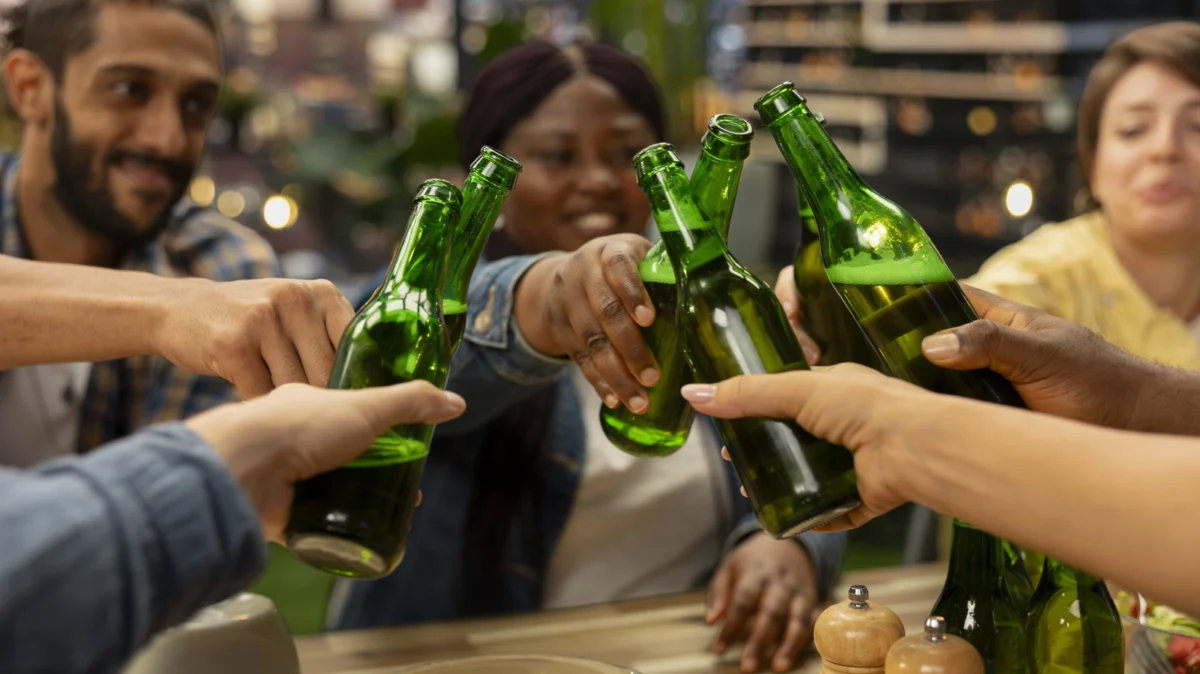
Navigating the craft beer aisle can often be a costly endeavor, particularly as inflationary pressures have pushed the price of premium and craft labels toward the $20 mark for a standard six-pack. However, a comprehensive survey of national retail pricing confirms that high-quality international imports remain accessible to the budget-conscious consumer. By analyzing regional pricing data, consumer feedback, and historical brand performance, it is clear that excellent options exist across a variety of styles—from traditional German lagers to robust Irish stouts—all priced at or below the $15 threshold.

The Economic Landscape of Global Brewing
The global beer market has undergone significant consolidation in the 21st century, yet this shift has inadvertently stabilized the pricing for many historic international brands. When breweries are acquired by multinational conglomerates, such as AB InBev or Carlsberg Group, the resulting economies of scale often allow these companies to maintain competitive price points in export markets like the United States.
Pricing for these imports remains subject to regional distribution costs, state-specific excise taxes, and local competition. While inflation has impacted the cost of raw materials—specifically aluminum for cans and barley for brewing—the "under $15" category remains a strategic price point for importers looking to maintain market share against the rising tide of local craft breweries.

Iconic Irish Stouts and Red Ales
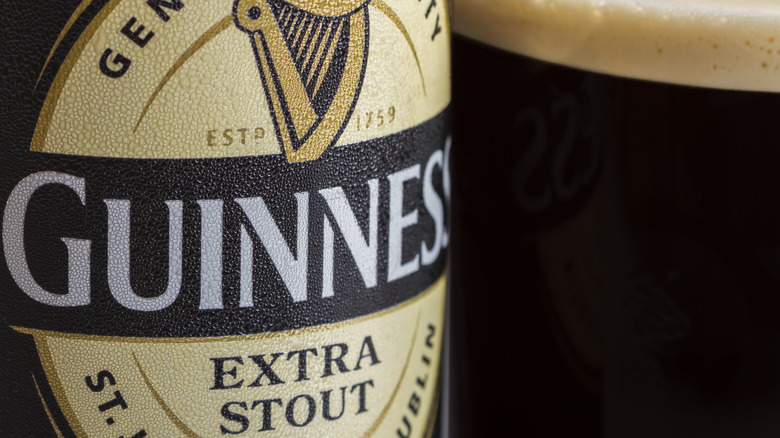
Guinness, perhaps the most recognizable import in the global market, continues to anchor the affordable category. With an average retail price point of approximately $10 per six-pack for both Draught and Extra Stout, it remains an outlier in terms of value-to-quality ratio. The distinction between the two versions is critical for the consumer: the Extra Stout utilizes a recipe closer to the 19th-century original, offering a more robust profile, while the Draught is engineered for the modern palate, providing a smoother, lower-alcohol experience consistent with contemporary pub standards.
Joining the Irish contingent is Smithwick’s, a brand with a lineage dating back to 1710. As a red ale, it occupies a unique niche that balances the bitterness of hops with the sweetness of roasted barley. The historical context of Smithwick’s is particularly notable; the brewery operated for generations under legal restrictions imposed on Catholics in Ireland regarding land ownership and business, a reality that persisted in various forms until the 21st century. Today, it serves as a historic benchmark for the style, typically retailing for around $11.
The German Brewing Tradition and Purity Laws
German brewing is defined by the Reinheitsgebot, or Bavarian Purity Law of 1516, which mandates that beer consist only of water, barley, hops, and yeast. This rigorous standard is evident in the affordability of brands like Hofbräu and Erdinger.
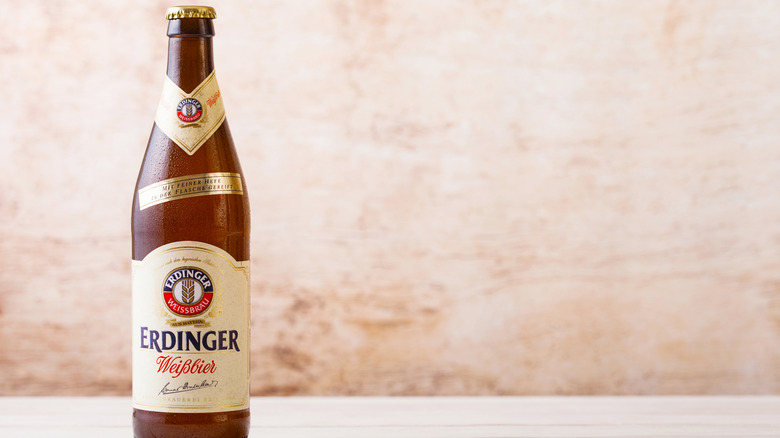
Hofbräu Oktoberfestbier, priced between $13 and $14, serves as a direct link to the Munich festival tradition. The brewery, established in 1589, historically served the Bavarian royal court, and its current output maintains that institutional commitment to quality. Similarly, Erdinger Weissbier, retailing near $13, stands as the world’s largest wheat beer brewery. Its longevity—founded in 1886—and adherence to traditional methods ensure that even at a lower price point, the product meets the stringent expectations of the European market. Schöfferhofer Grapefruit offers a contemporary variation on this theme; by blending wheat beer with grapefruit juice, it capitalizes on the German "radler" tradition, providing a lower-alcohol alternative that has gained significant traction in American brunch culture.
European Lagers and the Evolution of Brewing Science
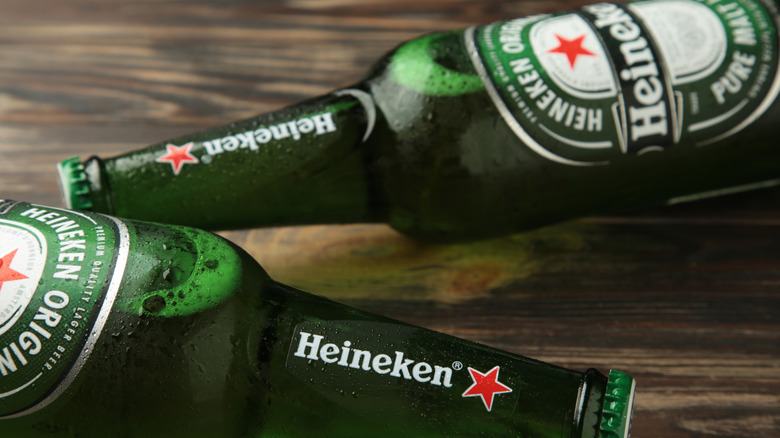
The Dutch and Danish contributions to the global beer market, specifically Heineken and Carlsberg, highlight the role of scientific innovation in brewing. Heineken, founded in 1873, was instrumental in the early study of yeast cultivation, a development that allowed for the consistency required for mass-market distribution. With a price point of roughly $10, it remains a staple for social gatherings, successfully diversifying its portfolio to include non-alcoholic versions and botanical-infused varieties without sacrificing its established market position.
Carlsberg, the Danish titan founded in 1847, similarly revolutionized the industry. J.C. Jacobsen, the founder, established a research laboratory that eventually developed the pH scale—a standard now used universally in brewing and chemistry. The brand’s 2019 "re-brew" initiative, which saw a shift in both recipe and marketing, reflects the company’s ongoing effort to remain relevant in a crowded pilsner market where it consistently maintains an accessible price point of $10 to $14.
Asian and Iberian Market Expansion
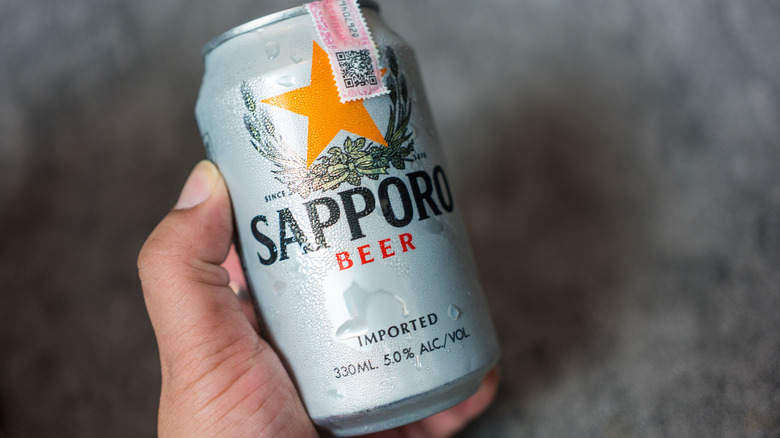
The influence of European brewing techniques is also evident in the success of Asian and Spanish imports. Sapporo, Japan’s oldest beer brand, was founded in 1876 by Seibei Nakagawa after his illicit training in Germany. By importing Bavarian methods to Japan, Sapporo created a legacy that, when brought to the U.S. market, paved the way for international lagers. It remains a cost-effective choice at approximately $10 per six-pack.
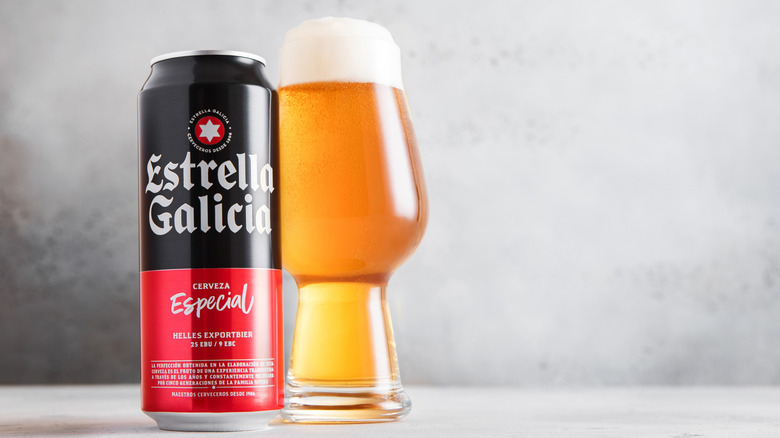
In Spain, Estrella Galicia highlights a different historical narrative. Founded in 1906 by José María Rivera Corral, the brewery remains family-owned, a rarity in an era of massive consolidation. Its "all-malt" lager is designed for the Mediterranean climate, offering a profile that is slightly hoppy and exceptionally crisp. Retailers frequently list this brand between $9 and $13, positioning it as a premium-tasting, budget-friendly alternative for summer consumption.
The Rise of Icelandic Craft
Einstök, a relative newcomer founded in 2010, represents the modern shift toward regional specialization. Located just 60 miles south of the Arctic Circle, the brewery utilizes the unique water quality of Iceland to differentiate its profile. Despite being a craft-style import, it manages to maintain a price point of $10 to $13, proving that smaller international players can compete with global giants through branding and perceived quality.
Mexican Lagers and Market Dominance
Pacifico Clara is arguably the most notable example of an import that has successfully challenged the dominance of larger Mexican lager brands. Originating in Mazatlán, Mexico, at the turn of the 20th century, its pilsner-style crispness has made it a favorite in coastal regions. At roughly $10, it serves as an example of how a specific, focused flavor profile—characterized by light notes of apple and grain—can sustain long-term growth and high consumer loyalty.
Methodology and Market Implications
The findings presented here are based on a cross-reference of current retail data across multiple major U.S. markets. Prices were verified through a survey of national grocery chains, independent liquor retailers, and digital delivery services as of late 2024.
The primary implication for the consumer is that brand loyalty need not come at a financial premium. The "imported" label, once synonymous with higher costs and exclusive distribution, has been commoditized in a way that benefits the consumer. The sustained affordability of these twelve brands suggests that despite supply chain volatility and the growth of local microbreweries, the established international players continue to prioritize price-point accessibility as a core pillar of their U.S. market strategy. Whether for a summer social event or a specific culinary pairing, these selections provide a reliable, high-quality, and cost-effective alternative to the higher-priced craft market.
