
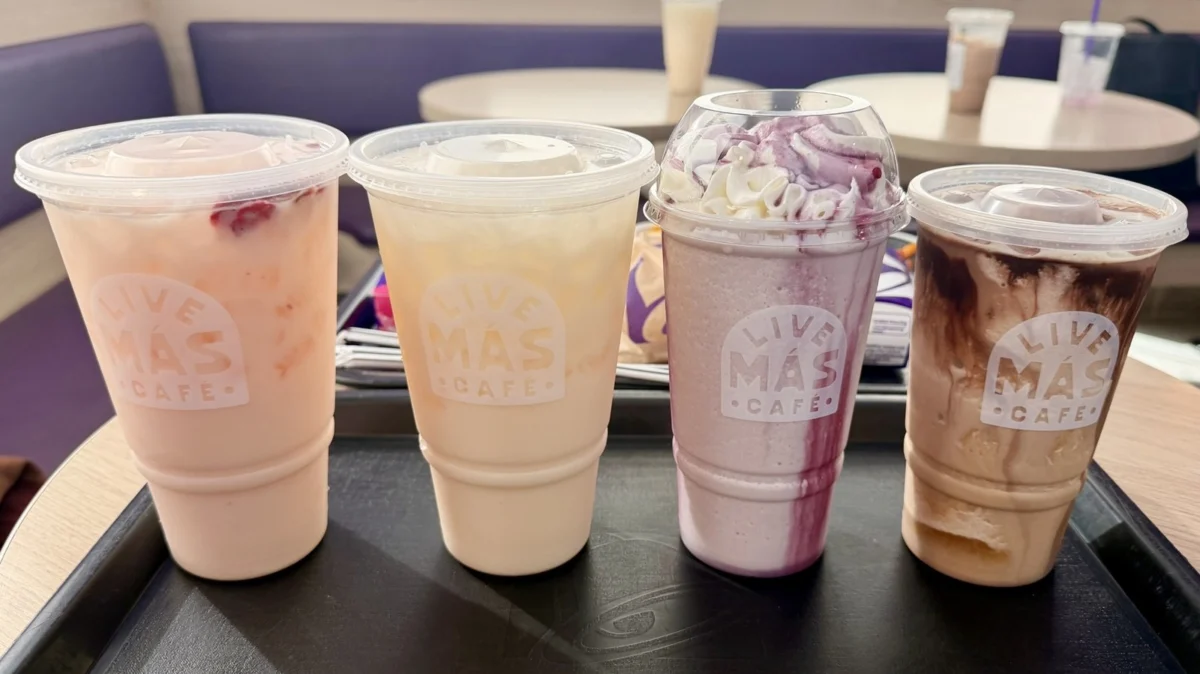
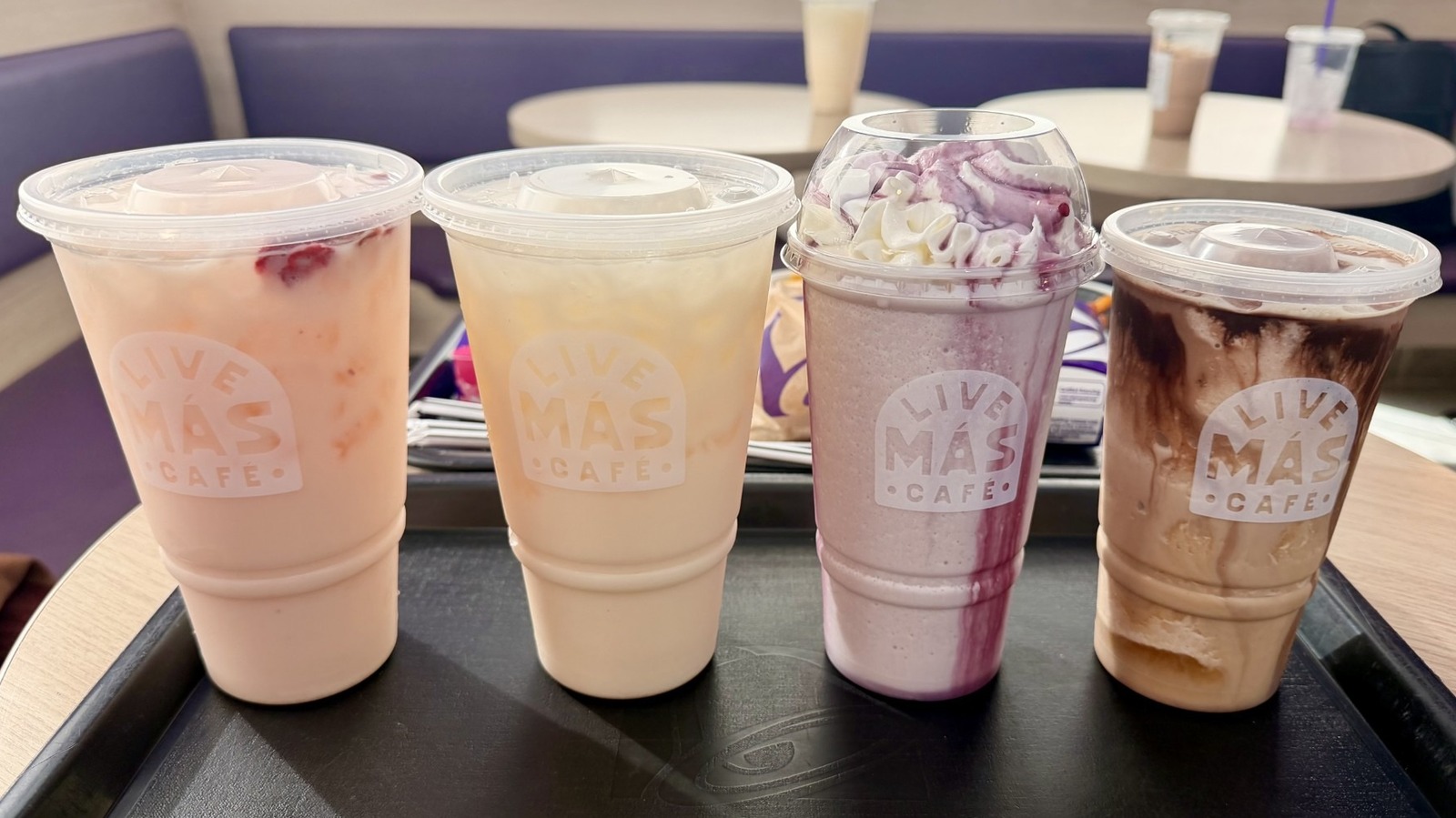
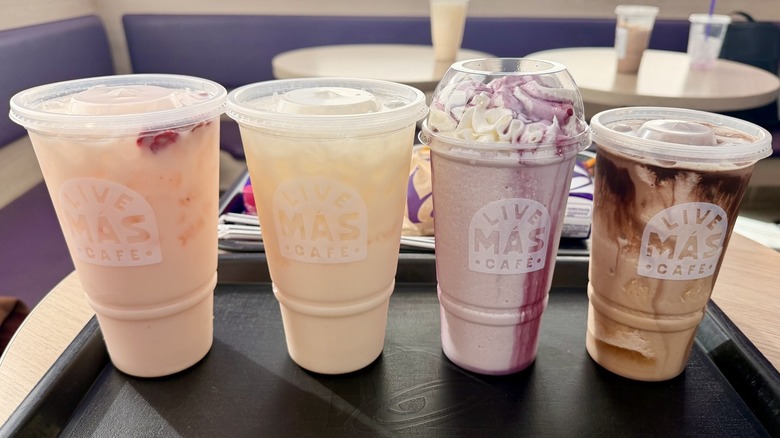
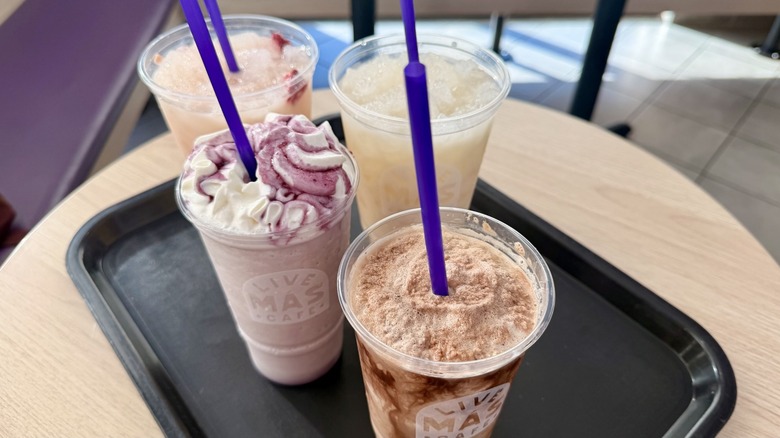
The new offerings—the Vanilla Spiced Horchata Refresca, Strawberry Horchata Refresca, Purple Horchata Chiller, and the indulgent Chocolate Horchata Cold Brew Float—were developed to bridge the gap between traditional quick-service offerings and the artisanal coffee house experience.
A Strategic Pivot Toward Beverage Innovation
For decades, Taco Bell’s drink menu was defined by fountain sodas and the iconic Mountain Dew Baja Blast. However, the modern fast-casual landscape has shifted. Consumers are increasingly seeking complex, flavor-forward, and customizable drinks that mirror the offerings found in high-end cafes. Taco Bell’s management has clearly signaled that they intend to capture this market share.
The integration of horchata—a traditional Latin American beverage typically made from rice, cinnamon, and vanilla—serves as a bridge for the brand. By infusing these nostalgic flavor profiles into its existing beverage platforms (Refrescas, Chillers, and Cold Brew), Taco Bell is leveraging its cultural heritage to drive foot traffic during non-peak hours, specifically targeting the afternoon slump where beverage-only orders are common.
Chronology of the Horchata Expansion
The rollout of these beverages is the culmination of a multi-year developmental cycle. While the official announcement for the current lineup occurred recently, the foundation was laid as early as 2023, when Taco Bell launched a limited testing phase of its "Chillers" line in Southern California.
In May 2024, the brand introduced its Cold Foam series, which featured a "Purple Velvet Cream" topping. This early introduction was essentially a test of market appetite for horchata-inspired flavor profiles. The success of those limited-time offerings provided the data necessary for the product development team to refine the current four-drink lineup.
The phased release is equally strategic. Starting October 15, the full four-drink suite became available exclusively at "Live Mas Cafe" locations. These specialized hubs, which operate within select Taco Bell restaurants, are the company’s laboratories for high-end beverage service. By utilizing "Bellristas"—staff trained specifically in crafting complex, made-to-order drinks—the company is testing operational feasibility before a nationwide launch. On December 10, the strategy shifts to scale, with the two most popular Refresca flavors and a new "Vanilla Spiced Horchata Freeze" moving to the national menu, ensuring the concept reaches the entire U.S. footprint.
Analytical Breakdown of the Product Line
The evaluation of these beverages reveals a clear intent to appeal to different consumer demographics.
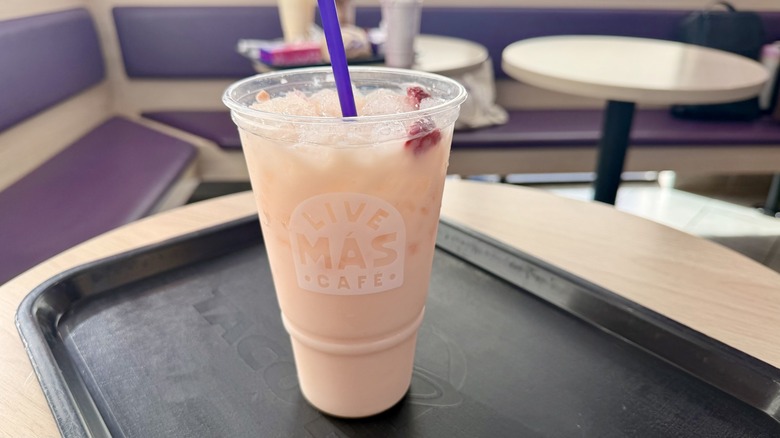
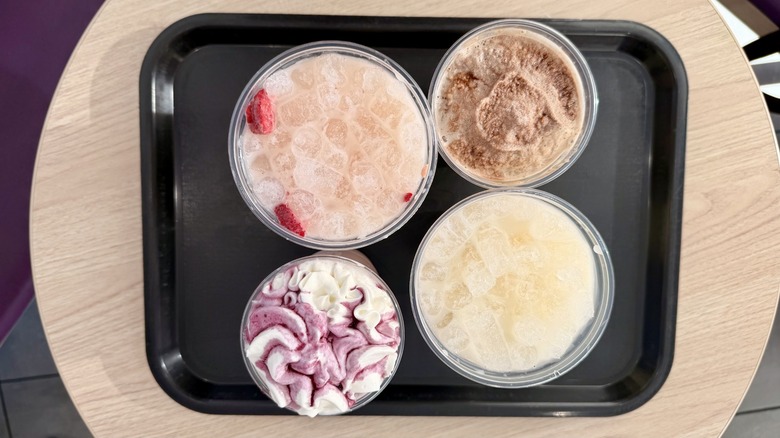
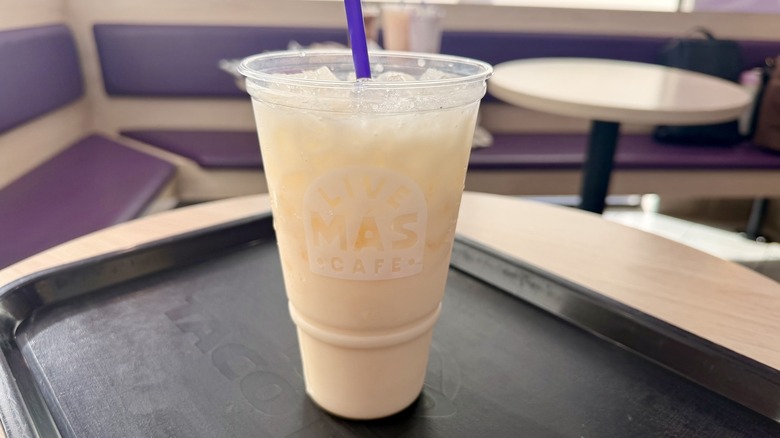
The Refresca Duo: Both the Strawberry Horchata Refresca and the Vanilla Spiced Horchata Refresca represent the core of the new strategy. They are designed for mass appeal, offering a lighter, dairy-adjacent texture that mimics the traditional mouthfeel of authentic horchata without the heavy caloric profile of a milkshake. The inclusion of freeze-dried strawberry pieces in the former serves as a visual and textural hook, catering to the growing trend of "Instagrammable" food and drink.
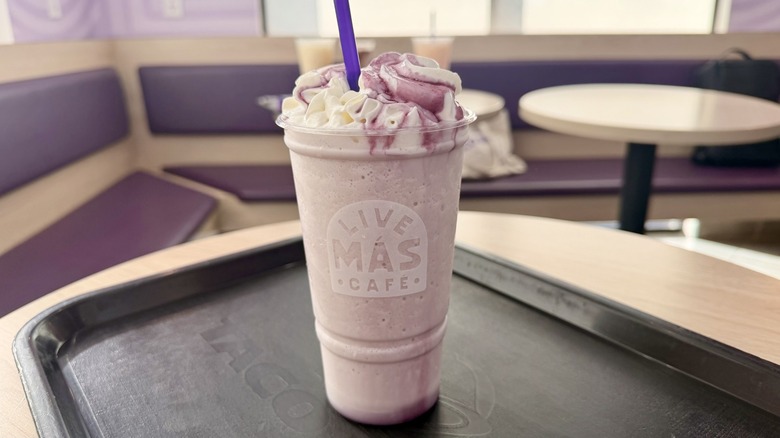
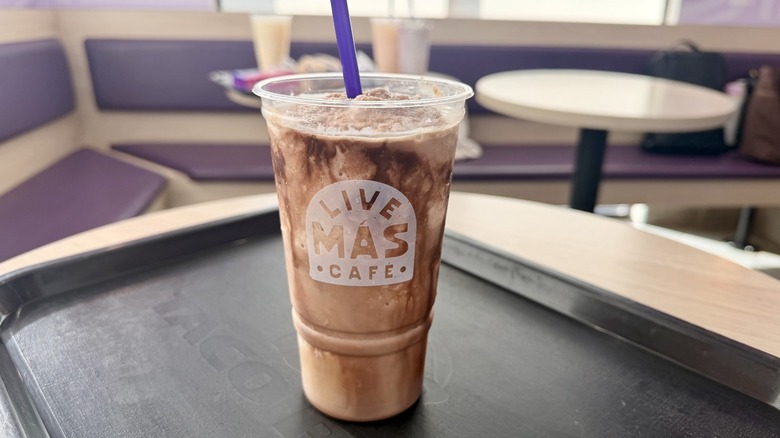
The Chiller and Cold Brew: These represent the "dessert-as-beverage" category. The Purple Horchata Chiller serves as a visual centerpiece for the menu, utilizing vibrant coloring to capture attention. While it leans heavily into vanilla-heavy sweetness, its role is to act as a sweet treat rather than a standard beverage. Conversely, the Chocolate Horchata Cold Brew Float is a high-caffeine, high-reward product. By incorporating churro crumbles, Taco Bell is effectively cannibalizing the market for expensive coffee house frappes, offering a similar indulgence at a price point likely to remain competitive.
Market Implications and Competitive Positioning
Taco Bell’s aggressive pursuit of the $5 billion beverage goal is part of a larger trend in the Quick Service Restaurant (QSR) industry. Major players are increasingly looking to beverages as a high-margin, low-labor way to increase check averages.
By creating a "coffee house experience" within a fast-food environment, Taco Bell is challenging brands like Starbucks and Dunkin’ for the mid-afternoon consumer. The key difference, however, lies in the pairing potential. During testing, it was observed that these drinks—particularly the Vanilla Spiced Horchata Refresca—pair effectively with the brand’s existing savory menu, such as tortilla chips and nacho cheese. This is a significant competitive advantage; whereas a consumer might visit a dedicated coffee shop for a drink, they are unlikely to pair a coffee-house latte with a burrito. Taco Bell’s strategy is to capture the "all-in-one" occasion.
Operational Challenges and Future Outlook
Despite the enthusiasm, the move is not without risks. Operational complexity is the primary hurdle. Requiring staff to manage whipped cream, syrup swirls, and freeze-dried toppings adds seconds to prep times, which in a drive-thru-heavy model like Taco Bell’s, can impact throughput metrics.
Furthermore, the brand must ensure consistency. Traditional horchata is a labor-intensive beverage. Translating that into a standardized, shelf-stable format that tastes fresh across thousands of locations is a significant supply chain achievement. If the quality of the "Vanilla Spiced" flavoring fluctuates, it risks alienating the core demographic of horchata enthusiasts who have been requesting this addition for years.
However, if the December nationwide launch of the Refrescas proves as successful as the preliminary tests at the Live Mas Cafe locations, it could set a new standard for QSR beverage innovation. The success of these drinks will likely dictate the speed at which Taco Bell introduces other cultural staples into its "Bellrista" menu.
Conclusion: A Calculated Bet
The introduction of horchata-inspired drinks is a sophisticated, data-driven evolution for Taco Bell. It acknowledges the brand’s deep-rooted connection to its customers—many of whom have been petitioning for these flavors for years—while simultaneously pushing the brand into a more premium, high-margin category.
By limiting the initial rollout to the Live Mas Cafe concept, the company has managed the risk of operational strain, allowing for refinement before the December nationwide expansion. Whether these drinks will ultimately move the needle toward that $5 billion goal remains to be seen, but the emphasis on flavor, visual appeal, and pairing potential suggests that Taco Bell is no longer just selling tacos; it is aggressively marketing a lifestyle experience. For the consumer, the result is a broader, more diverse menu that reflects a modern understanding of what a quick-service beverage can—and should—be.
