
The Nutritional Shift in Modern Baking
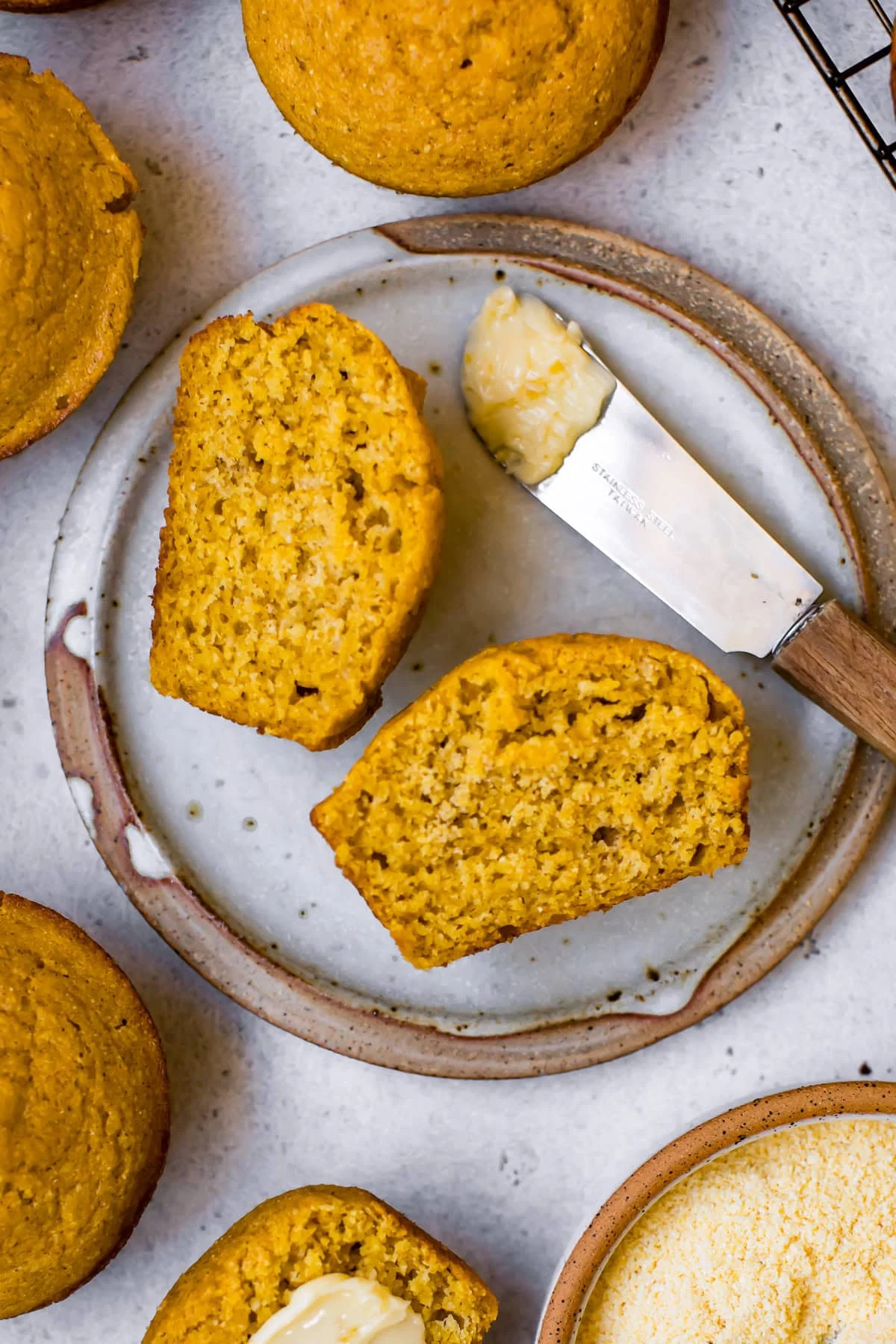
The culinary industry has observed a significant pivot toward healthier alternatives in home baking over the last five years. Canned pumpkin, once largely restricted to holiday-centric pie recipes, has become a versatile pantry staple used to enhance the moisture profile of muffins, breads, and pancakes without relying on excessive fats or oils.
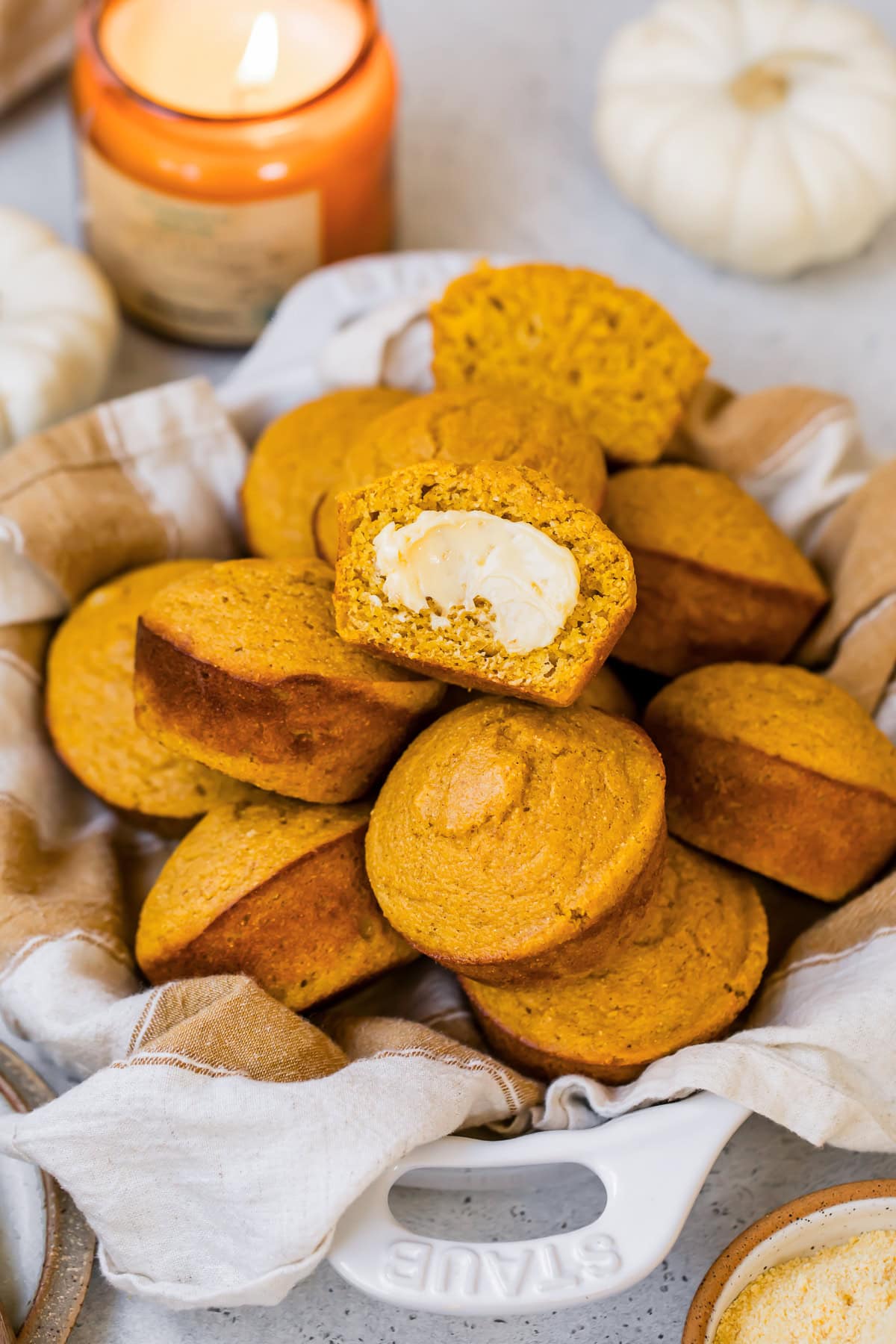
Nutritional data indicates that replacing a portion of traditional fats with pumpkin puree can significantly reduce the caloric density of a standard muffin. A typical Pumpkin Cornbread Muffin contains approximately 124 calories, with a balanced macronutrient profile including 4 grams of protein and 3.5 grams of fat. This efficiency in caloric management is a primary driver for the popularity of such recipes among health-conscious demographics who prioritize high-satiety, low-glycemic breakfast and snack options.
Historical Context and Culinary Evolution
Cornbread, a cornerstone of Southern United States cuisine, has its roots in indigenous North American culinary practices. Historically, it was a practical, affordable, and durable food source. The addition of pumpkin represents a departure from the traditional savory focus of cornmeal-based products, leaning instead into the "warm spice" profile characteristic of the fall season.
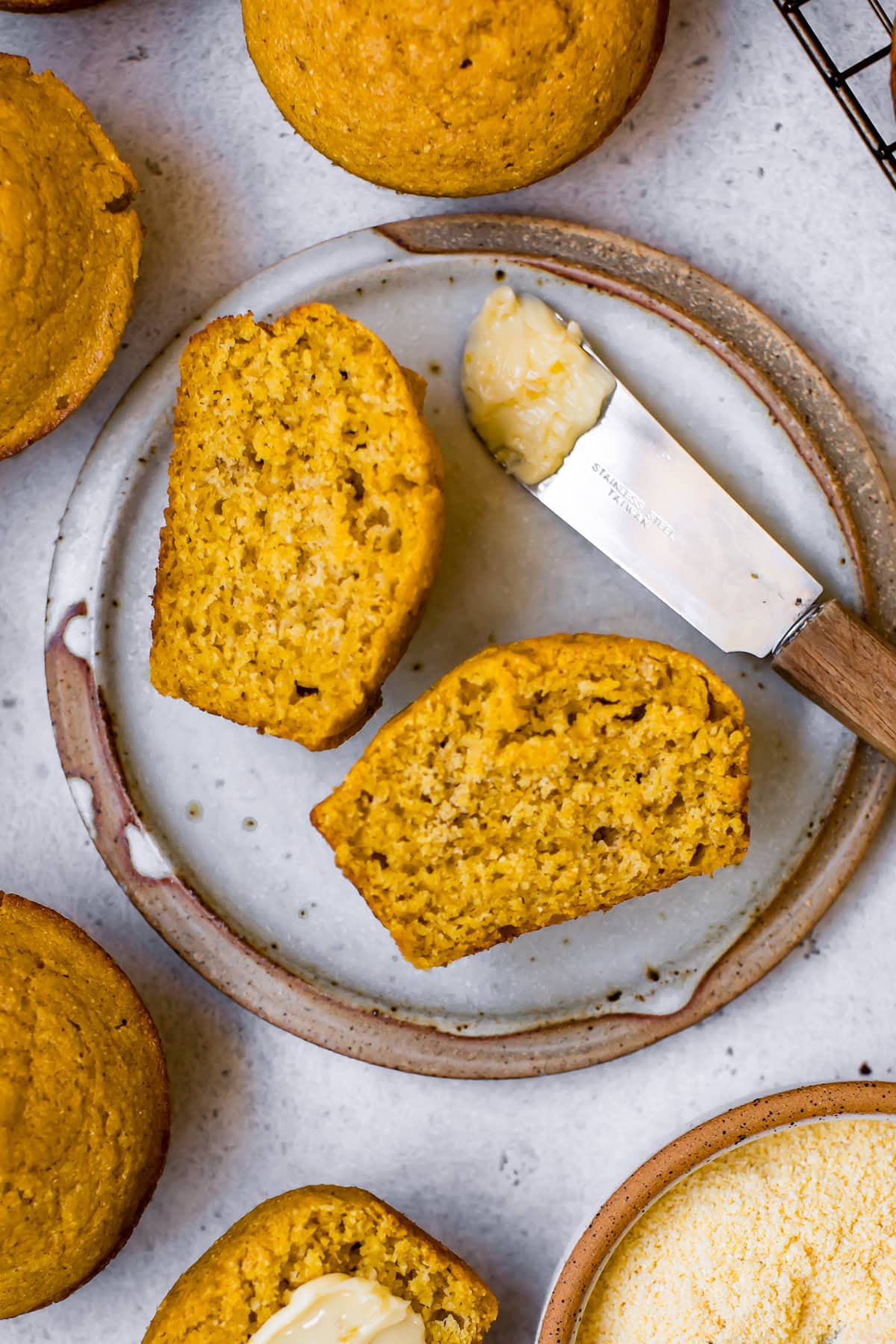
The integration of pumpkin pie spice—a blend typically composed of cinnamon, nutmeg, ginger, and cloves—into cornbread batter mimics the flavor architecture of pumpkin bread while maintaining the unique, gritty texture of cornmeal. This hybrid approach reflects a wider trend of "fusion baking," where chefs and home cooks alike experiment by cross-pollinating classic recipes to create new iterations that suit seasonal preferences. The move toward using maple syrup as a primary sweetener further underscores the trend of moving away from processed white sugars in favor of natural, albeit caloric, sweeteners that provide a more complex flavor profile.
The Mechanics of the Recipe
The preparation process for Pumpkin Cornbread Muffins is categorized as an "intermediate-effort" task, typically requiring approximately 15 minutes of active preparation time. The technique relies on the chemical interaction between leavening agents and the acidity present in pumpkin puree.

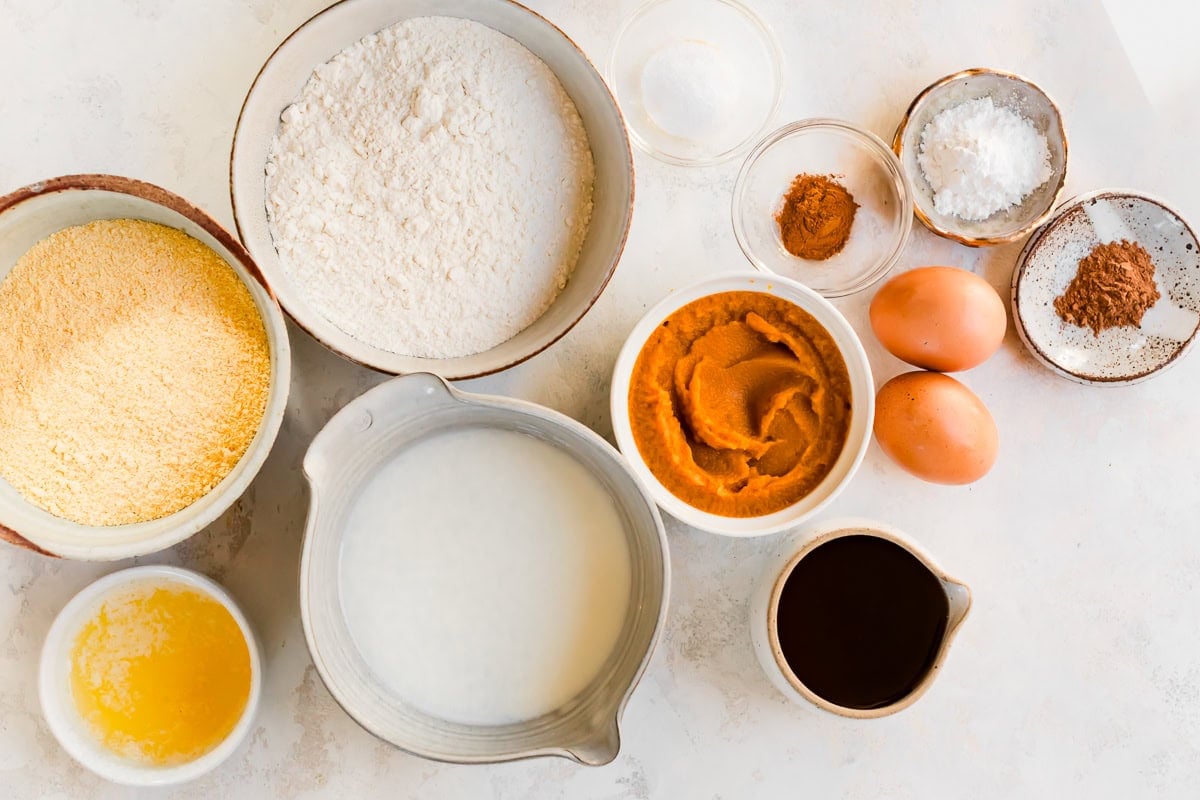
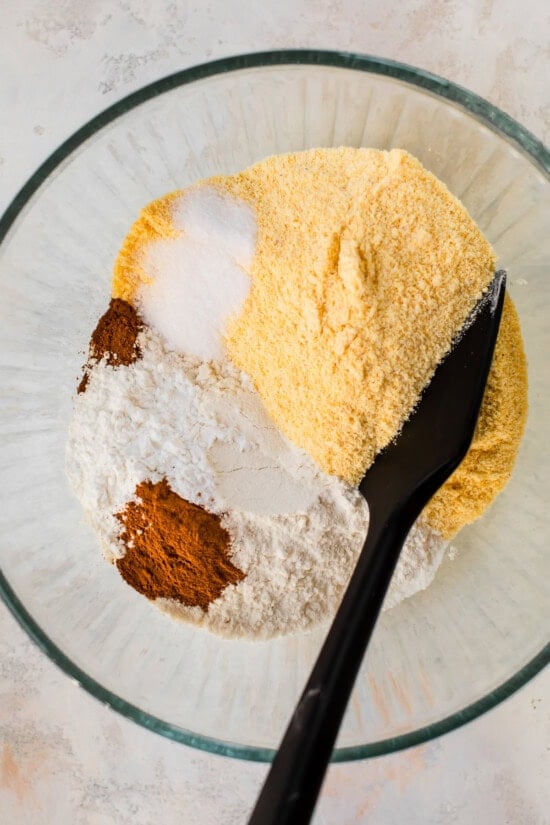
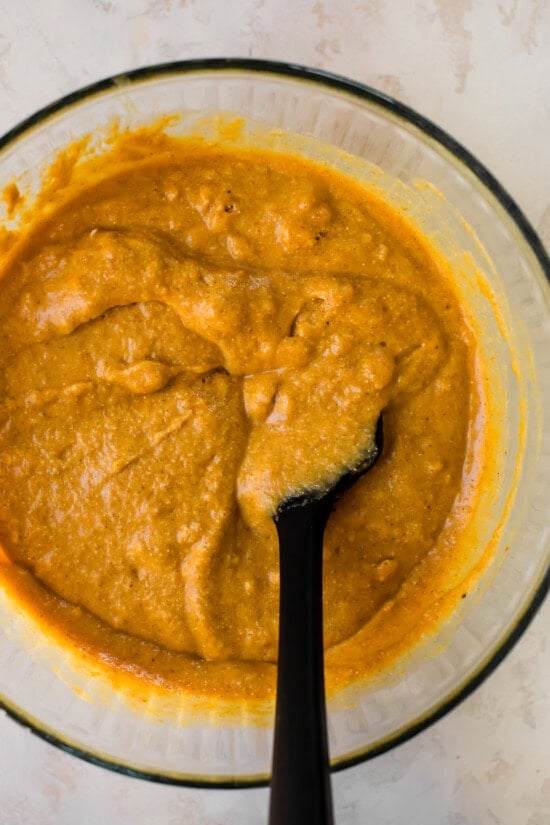
When preparing the batter, the separation of wet and dry ingredients remains the gold standard for achieving the ideal crumb structure. The dry base, consisting of cornmeal, flour, baking powder, and spices, must be thoroughly integrated before the introduction of the wet ingredients—eggs, milk, maple syrup, and pumpkin. Over-mixing is a frequent point of failure in muffin production; industry standards suggest a gentle folding motion to ensure that the gluten network does not overdevelop, which would otherwise result in a tough, rubbery texture rather than a light, tender crumb.
For those lacking specialized muffin tins, the recipe remains highly adaptable. It can be transferred to a 9-inch round cake pan or a preheated cast-iron skillet. The use of cast iron is particularly noteworthy, as it facilitates the Maillard reaction—the browning process that imparts a deep, savory crust to the edges of the cornbread, providing a textural contrast to the soft, moist interior.

Market Trends and Consumer Behavior
Analysis of online search trends and recipe database metrics shows that "pumpkin-infused savory dishes" peak in volume between late September and mid-November. During this window, there is a measurable spike in the purchase of canned pumpkin puree, which manufacturers have met with increased production and improved supply chain logistics.
Retail data suggests that consumers are increasingly looking for ways to use single cans of pumpkin in their entirety, rather than leaving half-empty cans in the refrigerator. By providing recipes that utilize exactly one standard-sized can of pumpkin, creators are addressing a common consumer pain point regarding food waste. This practice of "whole-ingredient cooking" is a significant contributor to the sustained interest in these specific recipes.
Broader Nutritional and Social Implications
The rise of such recipes is symptomatic of a larger societal shift toward domestic self-reliance and wellness. As the cost of living increases, many consumers are opting to prepare meals at home rather than purchasing processed bakery items. These muffins serve as a low-cost, high-yield food item that can be prepared in batches, frozen, and reheated, making them a practical solution for busy households.
Furthermore, the versatility of the recipe—serving as a breakfast item when paired with Greek yogurt or cottage cheese, or as a dinner side alongside chili or roasted poultry—speaks to the "all-day menu" flexibility that modern cooks demand. The ability to pair the muffins with high-protein sides allows for a more balanced glycemic response, preventing the "sugar crash" often associated with store-bought muffins that are primarily flour and sugar-based.
Expert Recommendations for Optimal Results
Culinary experts and test kitchen professionals offer several key recommendations for those attempting this recipe:
- Temperature Consistency: All refrigerated ingredients, particularly eggs and milk, should be brought to room temperature before mixing. This ensures an emulsion that holds air during the baking process, resulting in a superior lift.
- Spice Quality: The flavor profile relies heavily on the freshness of the spices. Utilizing ground spices that have been stored for more than six months can result in a muted flavor.
- Resting the Batter: Allowing the batter to rest for 10 to 15 minutes before portioning into the muffin tin allows the cornmeal to hydrate fully, preventing a gritty final product.
- Storage Protocols: Given the moisture content provided by the pumpkin, these muffins are susceptible to mold if stored in airtight containers at room temperature for too long. Refrigeration is recommended for storage exceeding 48 hours, while freezing remains the optimal method for long-term preservation.
Future Outlook
As we look toward the future of home baking, it is likely that the "vegetable-in-bakery" trend will continue to expand. Researchers in food science are currently exploring the use of other root vegetables and squashes, such as butternut squash and sweet potato, as potential substitutes for pumpkin. However, due to its standardized texture and consistent water content, canned pumpkin remains the industry benchmark.
In conclusion, the Pumpkin Cornbread Muffin is more than a seasonal fad; it represents a functional approach to baking that prioritizes nutritional density without sacrificing the comfort-food qualities that define autumn cuisine. Through the strategic use of seasonal produce and a commitment to simple, high-quality ingredients, home cooks can achieve results that are comparable to professional bakery standards, reinforcing the value of traditional, hands-on cooking methods in a modern, fast-paced society.
