
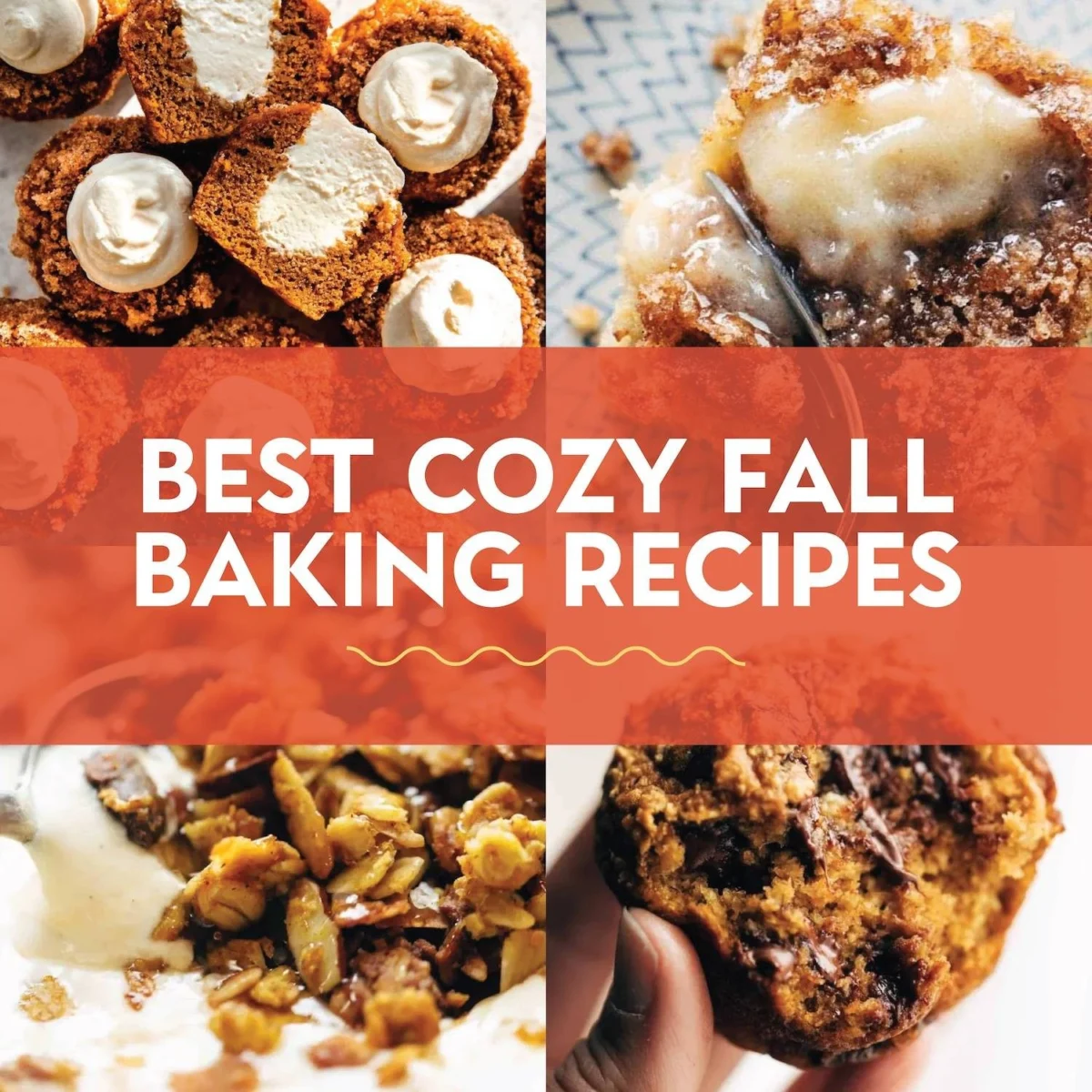
The arrival of the autumnal equinox serves as a definitive catalyst for a seasonal shift in domestic culinary practices, characterized by a transition toward spice-heavy profiles, harvest-centric ingredients, and the increased utilization of home ovens. As temperatures decline across the Northern Hemisphere, consumer interest in baking surges, with retail data consistently indicating a marked uptick in the purchase of shelf-stable staples such as canned pumpkin, baking flour, and warming spices like cinnamon, nutmeg, and cloves. This seasonal phenomenon is not merely a cultural tradition but a statistically significant trend that influences retail inventory cycles and household consumption patterns between September and November.
The Seasonal Shift: Economic and Social Drivers
Market analysts have long observed that the "baking season" functions as an economic bellwether for the specialty food sector. According to consumer sentiment surveys, the cooling weather acts as a psychological cue for home-centered activities. The shift toward "cozy" consumption—a term used by sociologists to describe the retreat into domestic environments—correlates directly with a 20 to 30 percent increase in the sales of baking-related commodities.

Industry experts suggest that this period serves a dual purpose: it provides a sense of nostalgia while also offering a cost-effective alternative to dining out. By utilizing seasonal produce—specifically apples and pumpkins—households can capitalize on lower grocery prices during the peak harvest season. From an agricultural perspective, the period between late September and October represents the zenith of the apple harvest in regions such as the Pacific Northwest and the Northeast, driving both the availability and the popularity of apple-based baked goods.

A Chronology of the Autumn Baking Cycle
The timeline of fall baking is generally segmented into three distinct phases, each defined by the availability of specific ingredients and the approaching holidays.

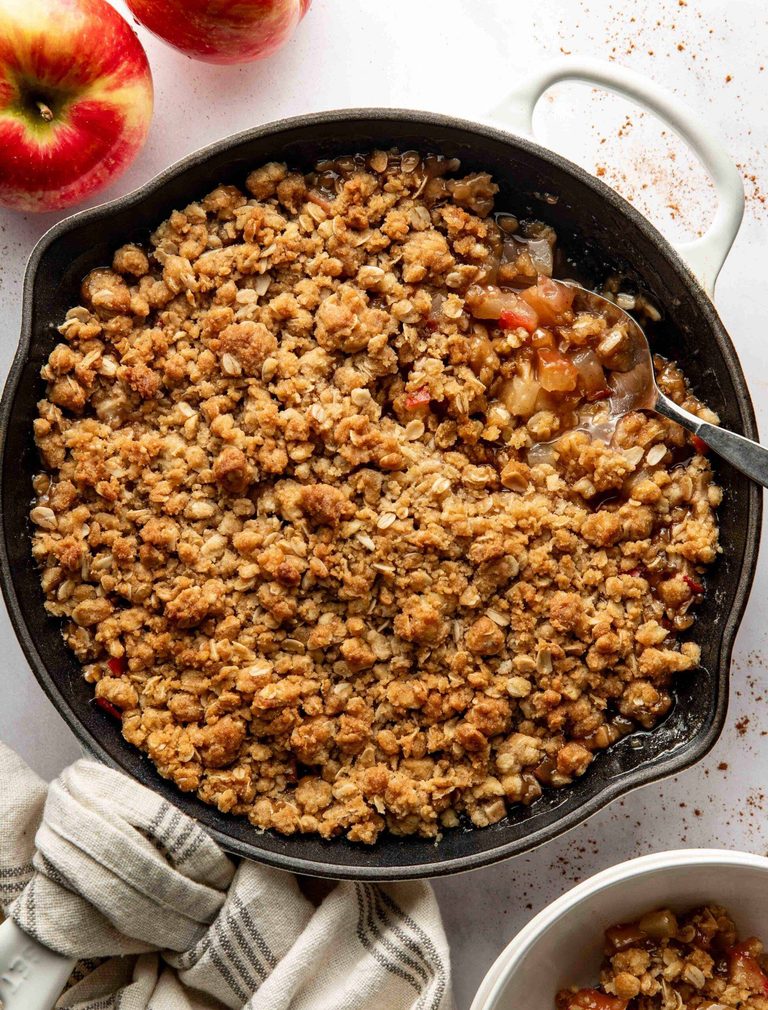
- The Early Harvest (Late September to Early October): This phase is dominated by the apple harvest. Culinary focus centers on fresh-picked varieties, with recipes prioritizing textures such as crisps, crumbles, and light sponges. The focus is on highlighting the natural acidity and sweetness of varieties like Honeycrisp or Gala.
- The Pumpkin Peak (Mid-October to Early November): As the harvest transitions, canned pumpkin and squash become the primary flavor profiles. During this window, the complexity of recipes increases, incorporating elements like cream cheese fillings, caramelized glazes, and intricate crumb toppings.
- The Pre-Holiday Transition (Mid-November): This final phase shifts toward labor-intensive projects, such as brioche-based cinnamon rolls and spiced breads, which serve as foundational components for the upcoming winter festivities.
Nutritional Trends and Modern Recipe Evolution
While traditional baking has long been associated with high sugar and fat content, contemporary culinary practices reflect a growing demand for nutrient-dense alternatives. Recent data from food science publications highlight a pivot toward the use of ancient grains, plant-based fats, and natural sweeteners.

The inclusion of ingredients like quinoa in granola recipes, for instance, has gained traction as a method to improve the fiber profile of breakfast items. Similarly, the substitution of refined white flour with oat-based or whole-wheat alternatives in muffin recipes is no longer a niche preference but a mainstream standard. This evolution is supported by a broader health-conscious movement, with professional bakers and home cooks alike reporting a preference for "functional" treats—items that provide sustained energy through healthy fats and complex carbohydrates rather than simple sugars.

Culinary Profiles: The Science of Autumn Flavors
The dominance of pumpkin and apple in autumn baking is rooted in the chemical profile of these ingredients. Pumpkin, when paired with fats and spices, creates a dense, moist crumb structure that is highly desirable in breads and muffins. Conversely, the high pectin content in apples makes them ideal for desserts like crisps, where the fruit is intended to "jam" during the baking process, creating a natural sauce.

Techniques such as "browning" butter have become standard practice for enhancing the depth of flavor in cookies and cakes. By heating butter until the milk solids caramelize, bakers can introduce a nutty, complex flavor profile that complements the earthy tones of pumpkin or the tartness of cinnamon-dusted apples. This, combined with the usage of "sparkly" toppings like turbinado sugar, provides the textural contrast—a crucial element of high-quality pastry—that elevates simple home-baked goods.

The Impact of Domestic Baking on Household Well-being
Beyond the nutritional and economic implications, psychologists suggest that the act of baking serves as a significant stress-reduction mechanism. The repetitive nature of measuring, mixing, and kneading, combined with the sensory input of warm spices, contributes to a state of mindfulness.

Industry leaders in the culinary space have noted that the "baking season" has become a vital component of household morale. During periods of economic uncertainty or seasonal affective shifts, the act of creating food from scratch offers a sense of agency and comfort. This is reflected in the sustained interest in "single-serving" or "small-batch" recipes, which allow individuals to enjoy the benefits of baking without the potential waste associated with large-scale production. The development of five-minute, microwave-based recipes, such as single-serving apple crisps, demonstrates a shift toward accessibility, ensuring that the benefits of the season are available even to those with limited time or resources.

Looking Ahead: The Future of Seasonal Trends
As we look toward the remainder of the season, the focus remains on the synthesis of tradition and innovation. The rise of "fusion" baking—such as incorporating dulce de leche into traditional European desserts like tiramisu, or using maple cream cheese in classic pumpkin muffins—suggests that the boundaries of what constitutes "fall baking" are expanding.

The industry is expected to continue this trajectory, with a greater emphasis on sustainability. The use of local, seasonal produce remains the most effective way to lower the carbon footprint of home baking, and the trend toward "zero-waste" kitchens—where scraps like apple peels or leftover pumpkin seeds are utilized in other dishes—is gaining significant momentum.

Ultimately, the autumnal baking season is a reflection of a broader societal need for rhythm and comfort. Whether through the preparation of a classic loaf of pumpkin bread or the experimentation with maple-glazed muffins, the rituals performed in the kitchen during these months provide a necessary anchor. As market data continues to reflect a robust interest in these activities, it is clear that the scent of cinnamon and cloves will remain the defining olfactory markers of the season for years to come. By prioritizing high-quality ingredients and embracing both the heritage of traditional recipes and the science of modern nutritional improvements, home cooks are well-positioned to maximize the potential of the most anticipated baking season of the year.
