
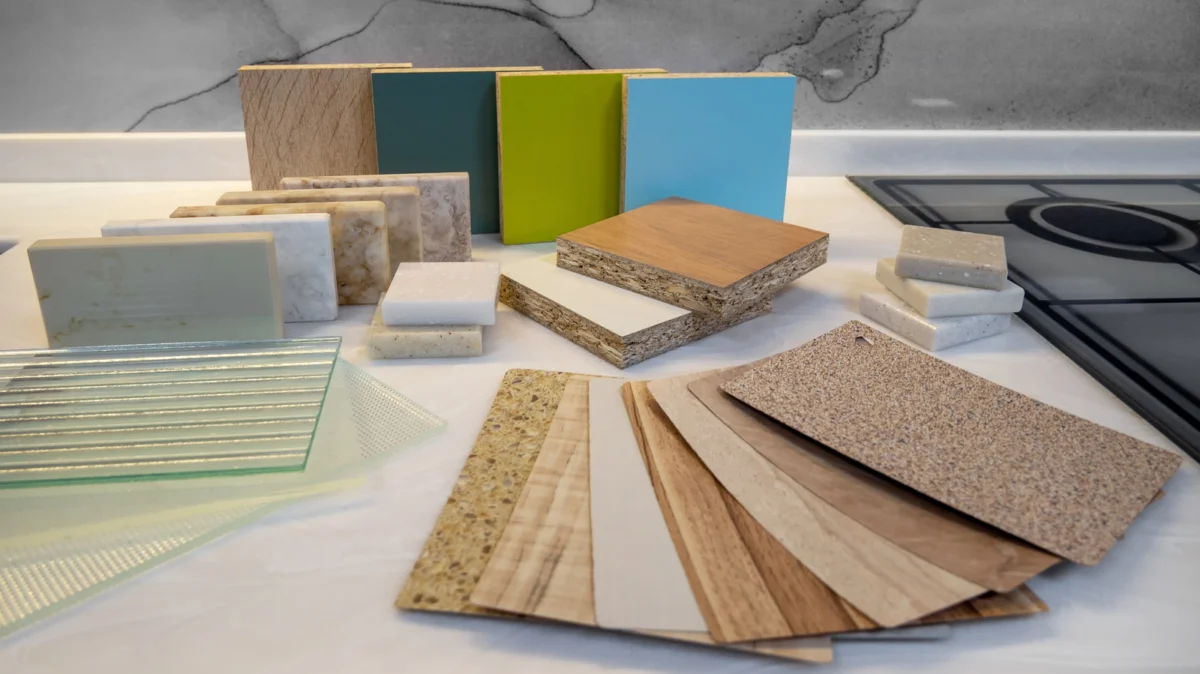
Choosing the right surface for a kitchen remodel is a decision that balances immediate budgetary constraints against long-term property value and utility. While laminate countertops have remained a staple of American home design for nearly a century, their widespread adoption is frequently challenged by structural vulnerabilities and aesthetic limitations. Although modern manufacturing has allowed laminate to mimic the visual appeal of high-end materials like marble, granite, and butcher block, the inherent composition of the product—layers of wood-based substrates fused with decorative plastic—introduces a series of functional risks that homeowners must weigh carefully before installation.
A Historical Perspective on the Laminate Revolution
The history of laminate is rooted in the industrial innovations of the early 20th century. In 1913, the Formica brand was established, initially focusing on the development of plastic laminate as an electrical insulation material—hence the name "for mica" (a substitute for mineral mica). By the 1930s, the company transitioned toward decorative applications, a shift that would define mid-century kitchen design. During the 1950s, the post-war housing boom saw laminate become the dominant surface choice for the American kitchen, lauded for its affordability, ease of installation, and vibrant, modern color palettes.
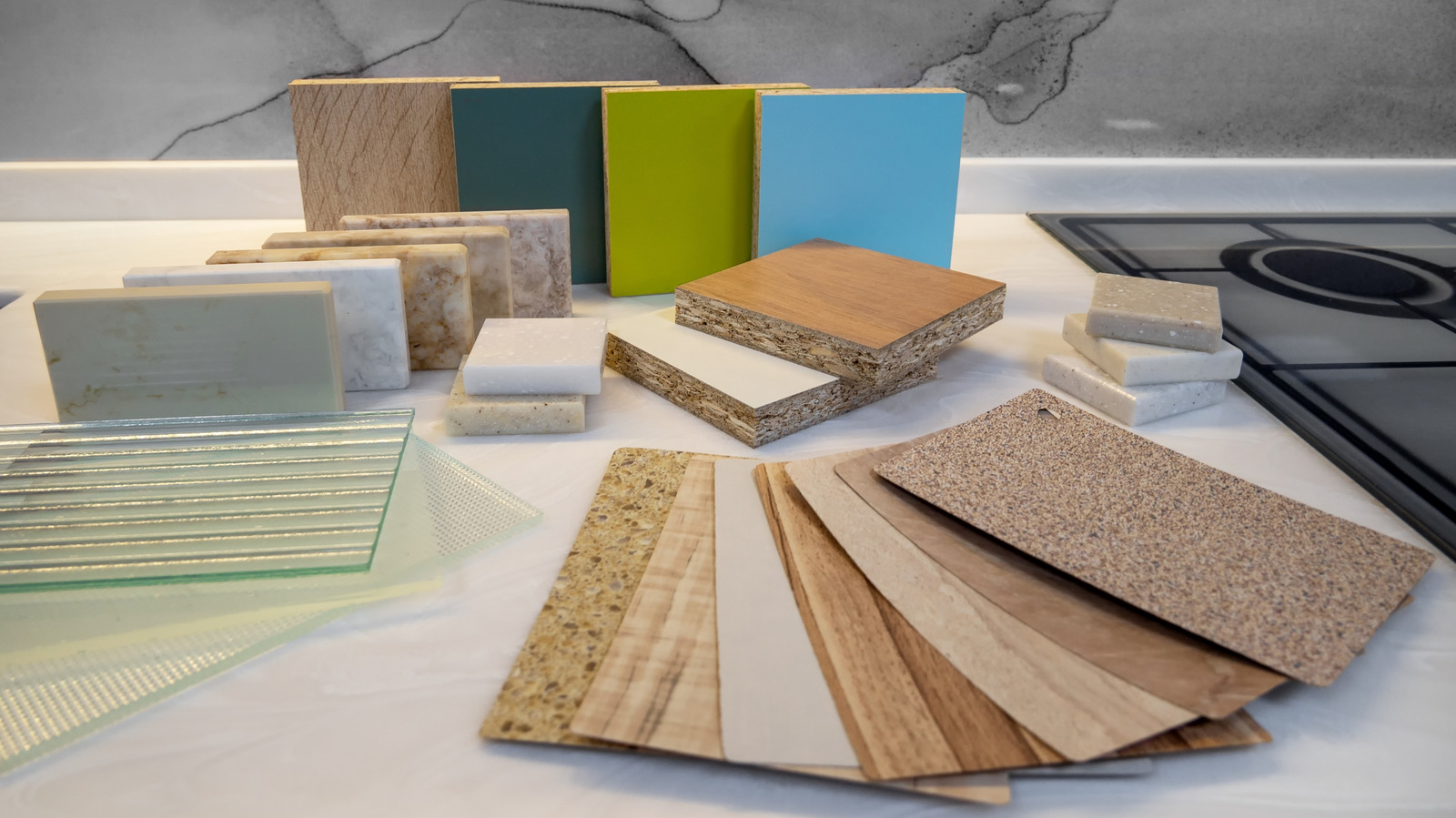
However, the rapid transition from a temporary, mass-produced product to a permanent fixture in residential kitchens has created a disconnect between consumer expectations and material performance. Industry experts and home renovation specialists, including high-profile figures such as the Property Brothers, have frequently advised against relying on laminate for long-term kitchen upgrades, noting that the material’s performance profile often fails to meet the demands of contemporary, high-traffic living.
The Diminishing Returns of Low-Cost Surfaces
The primary appeal of laminate lies in its low entry cost, which can be significantly lower than that of engineered stone or natural granite. Yet, this initial savings often carries an implicit long-term penalty regarding home resale value. In the current real estate market, kitchen quality is a primary driver of appraisal value. Potential buyers often associate laminate with outdated construction, which can negatively impact the perceived value of a property.
From an analytical standpoint, the depreciation of laminate is stark. While premium materials like quartz, soapstone, or quartzite offer a robust return on investment by providing durability and timeless aesthetic appeal, laminate is widely categorized by appraisers as a "disposable" or "temporary" feature. Furthermore, the aesthetic realism of laminate—while improved by high-definition printing technology—rarely survives close scrutiny. The recurring patterns printed onto the surface often create a "synthetic" appearance that is easily identified by discerning homebuyers, thereby signaling a lack of investment in the home’s interior architecture.
Comparative Longevity and Material Degradation
The lifespan of a countertop is a critical factor in sustainable home maintenance. According to data provided by consumer advocacy groups, materials such as quartz, granite, and stainless steel are engineered to withstand decades of rigorous use, often lasting 25 years or more. In contrast, laminate surfaces typically exhibit signs of significant wear within 10 to 15 years.
The aging process of laminate is particularly problematic. Unlike natural stone, which can develop a patina—a protective layer that enhances the character and beauty of the material over time—laminate undergoes a process of degradation. As the protective resin wears thin, the surface becomes increasingly susceptible to stains and abrasions. Once the "lived-in" phase begins for laminate, it is rarely perceived as charming; rather, it is viewed as an indicator of an aging, neglected kitchen space. This rapid cycle of degradation necessitates more frequent replacement, which offsets the initial cost savings when calculated over a 30-year period.
Mechanical and Thermal Vulnerabilities
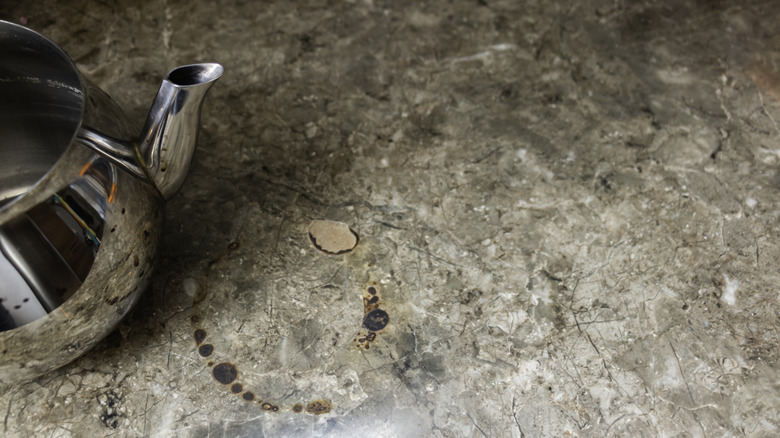
The physical composition of laminate renders it uniquely vulnerable to the day-to-day realities of a functional kitchen. Unlike heat-resistant stone, which can safely accommodate hot cookware, laminate is highly sensitive to thermal shock. When a hot pan is placed directly onto the surface, the heat can cause the resin to warp, bubble, or scorch, resulting in permanent surface damage that cannot be reversed.
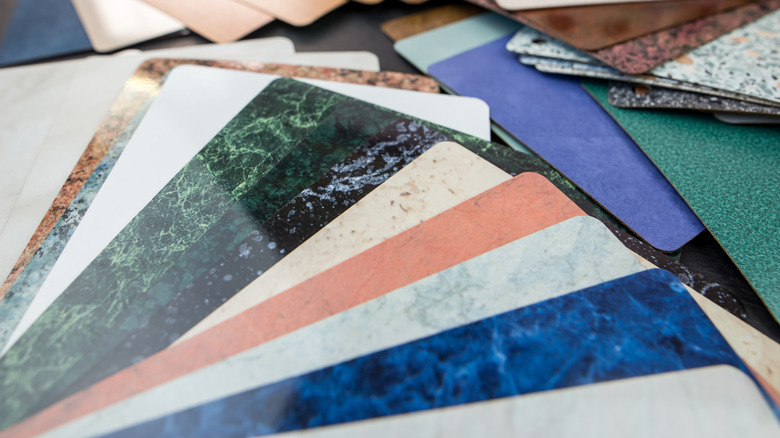
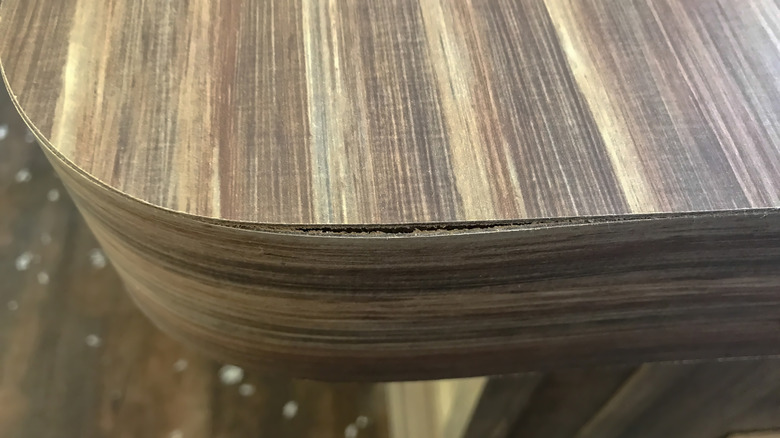
Furthermore, the structural integrity of laminate is compromised by its susceptibility to mechanical impact. While the surface may appear durable, it is essentially a printed layer over a core material. Dropping heavy kitchen equipment can lead to chips along the edges that expose the inner substrate. These chips are not merely cosmetic; they represent a breach in the protective seal of the countertop. Once the seal is broken, the core material is exposed to the ambient environment, significantly increasing the risk of structural failure from moisture and debris.
The Peril of Moisture and Hydrostatic Damage
Perhaps the most significant threat to the structural integrity of laminate is its relationship with moisture. While the top layer is intended to be waterproof, the seams, joints, and edges where the laminate meets the sink or backsplash represent critical points of failure. If water penetrates these gaps—a common occurrence near high-use areas like kitchen sinks—it seeps into the wood-based substrate.
Once moisture is trapped beneath the laminate, it causes the core to swell, leading to the characteristic "bubbling" or peeling often seen in older installations. This damage is exacerbated by the breakdown of the original adhesives used during installation. Over time, the moisture causes the bond between the laminate and the substrate to fail completely, which can lead to the growth of mold or mildew, presenting both a structural maintenance issue and a potential health concern for the household.
The Myth of Easy Repairability
A common misconception in DIY culture is that laminate can be easily repaired. While the market is saturated with "laminate repair kits" designed to fill chips or hide scratches, these solutions are fundamentally superficial. They do not restore the structural integrity of the material, nor do they perfectly replicate the original finish.
A repair is rarely invisible; the patch will almost always reflect light differently than the surrounding surface, creating a visual blemish that can be as noticeable as the original damage. Furthermore, these patches lack the durability of the original factory-applied resin. As a result, a repaired area is frequently the first place to sustain new damage or experience further peeling. When significant damage occurs, such as a large burn or widespread water damage, the only viable solution is a full replacement of the countertop section. Because of the way laminate is manufactured in large sheets, replacing a single section often requires re-laminating an entire run of cabinets, making the cost of "fixing" a minor issue disproportionately high.
Broader Implications for Homeowners
For homeowners currently evaluating their options, the decision to install laminate should be made with a clear understanding of the trade-offs involved. While it remains a viable solution for low-traffic areas, rental properties, or temporary housing solutions, it is increasingly viewed as a suboptimal choice for primary residences intended for long-term occupancy.
The industry shift toward more resilient materials like engineered quartz reflects a broader consumer preference for longevity and minimal maintenance. Quartz, for instance, provides a non-porous, heat-resistant, and scratch-resistant surface that does not require the same level of caution as laminate. When factoring in the environmental cost of frequent replacement—including the disposal of non-recyclable plastic-resin materials into landfills—the case for investing in more durable, long-lasting surfaces becomes significantly stronger.
In conclusion, while the allure of an inexpensive, aesthetically versatile countertop is understandable, the disadvantages of laminate are multifaceted. From the loss of property resale value to the inevitable challenges of heat, water, and mechanical damage, the long-term costs of ownership often outweigh the short-term benefits of the purchase price. Prospective renovators should approach this material with caution, recognizing that the "budget" label frequently comes with hidden requirements for constant maintenance and eventual, unavoidable replacement.
