
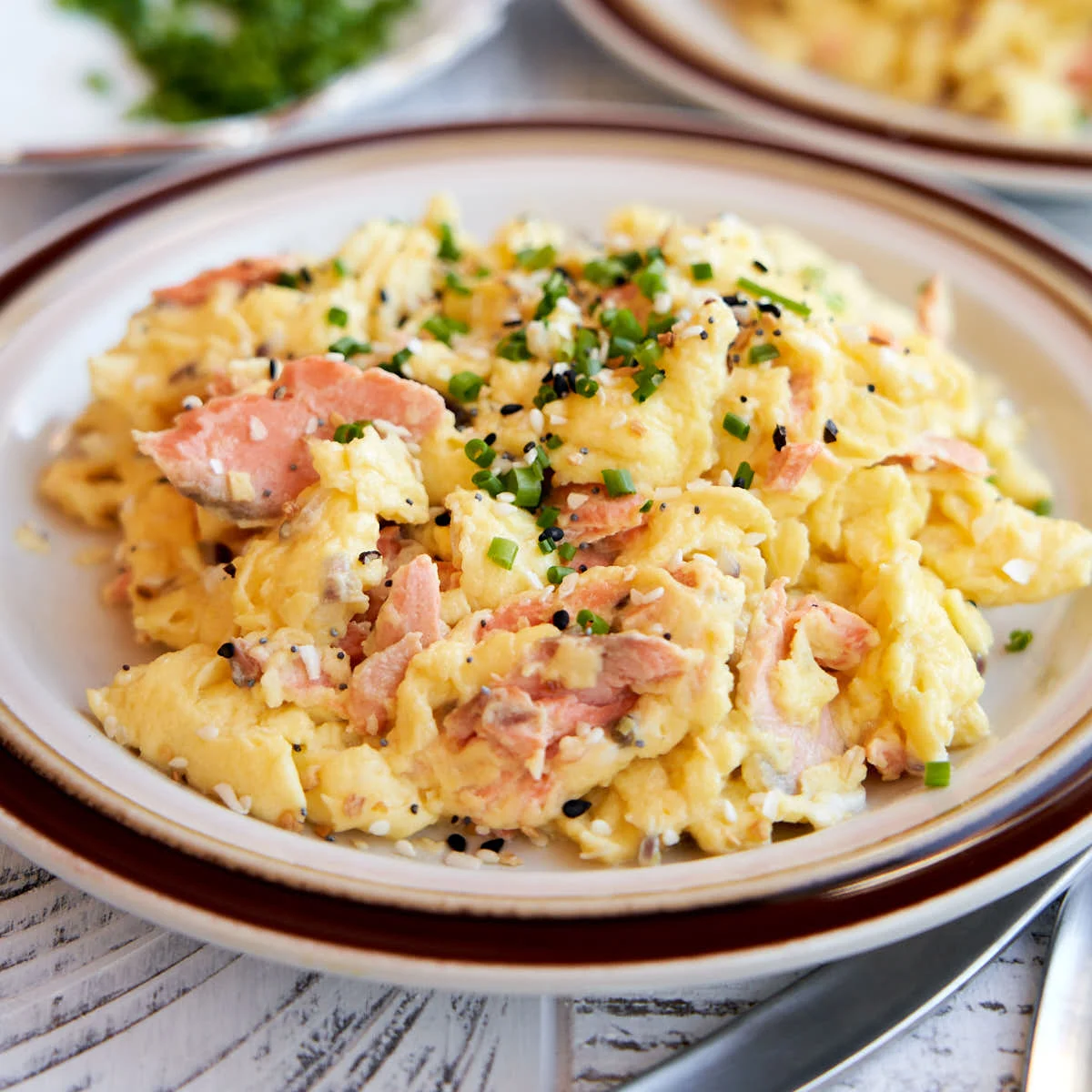
The Evolution of the Breakfast Scramble
The practice of repurposing dinner leftovers for breakfast is a long-standing tradition in global gastronomy, often referred to as "the morning-after" meal. In the modern American household, the intersection of high-protein diets and the need for time-efficient preparation has elevated simple dishes like salmon and eggs to a staple status. Data from the USDA suggests that breakfast consumption remains a critical component of metabolic regulation, and the inclusion of omega-3 fatty acids, found abundantly in salmon, provides distinct cognitive and cardiovascular benefits.
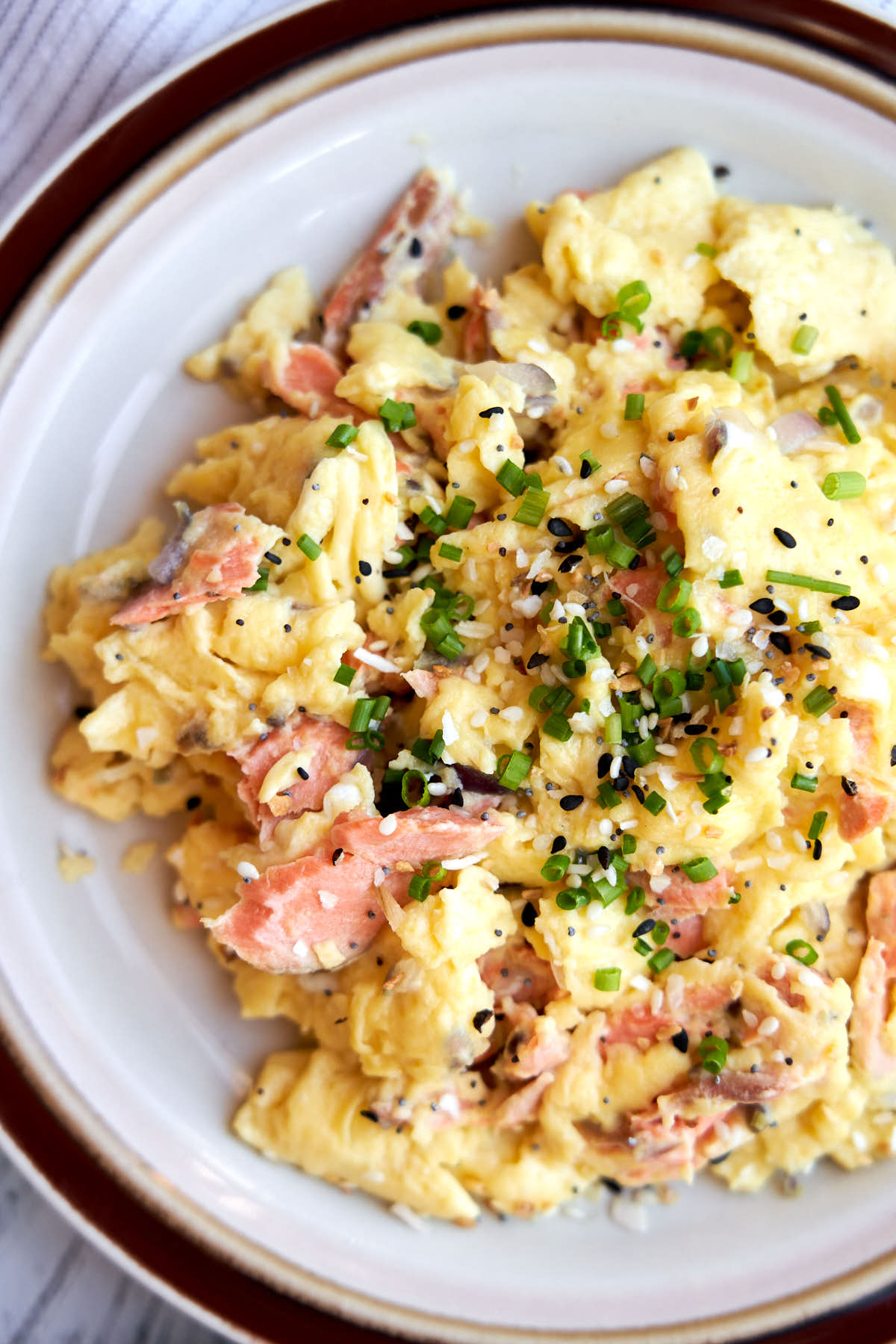
Unlike the traditional smoked salmon omelet—a staple of deli-style brunch—this specific preparation focuses on the utilization of cooked fillets, such as those baked or pan-seared from a previous evening’s meal. The shift toward this practice is part of a broader consumer trend emphasizing sustainability and the reduction of household food waste, a sector that accounts for approximately 30-40% of the food supply in the United States according to the Environmental Protection Agency.
Nutritional Profile and Dietary Implications
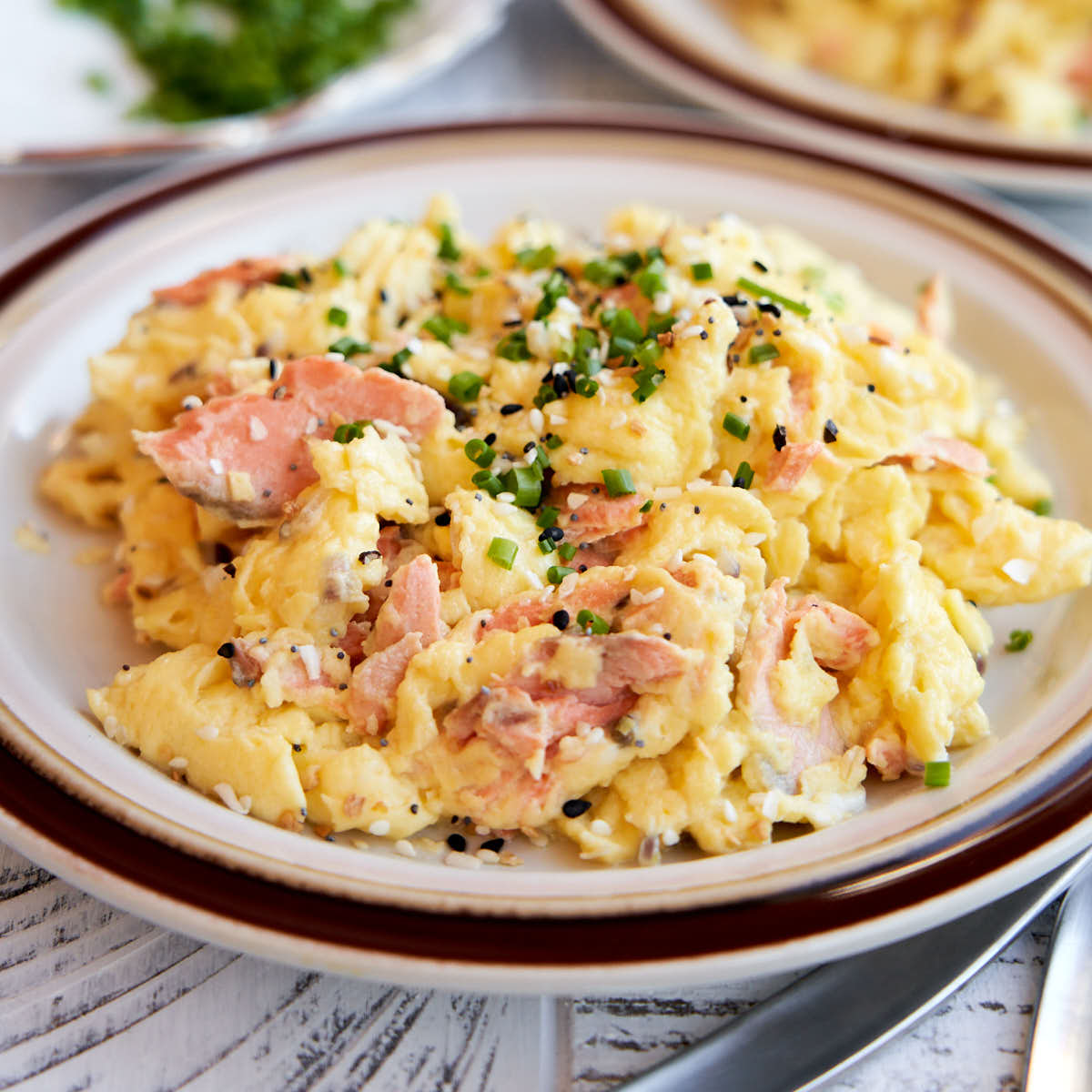
From a nutritional standpoint, the combination of salmon and eggs offers a balanced profile of high-quality protein and essential lipids. A standard serving of this dish typically provides between 20 and 30 grams of protein, depending on the portion size of the fish. Eggs are a primary source of choline and high-quality amino acids, while salmon contributes EPA and DHA—long-chain omega-3 fatty acids that are often deficient in the standard Western diet.
The preparation method plays a significant role in the bioavailability of these nutrients. By utilizing a technique that involves low-to-medium heat and the addition of half-and-half, the cook can prevent the rapid oxidation of the eggs’ proteins, resulting in a more tender, digestible texture. This chemical reaction, known as protein coagulation, is highly sensitive to heat; therefore, the inclusion of fat (via dairy) acts as a buffer, ensuring the finished product remains moist and nutrient-dense.
Technical Culinary Procedures
The successful preparation of this dish relies on a specific chronology of ingredient integration. Culinary experts recommend a systematic approach to ensure both food safety and texture quality:
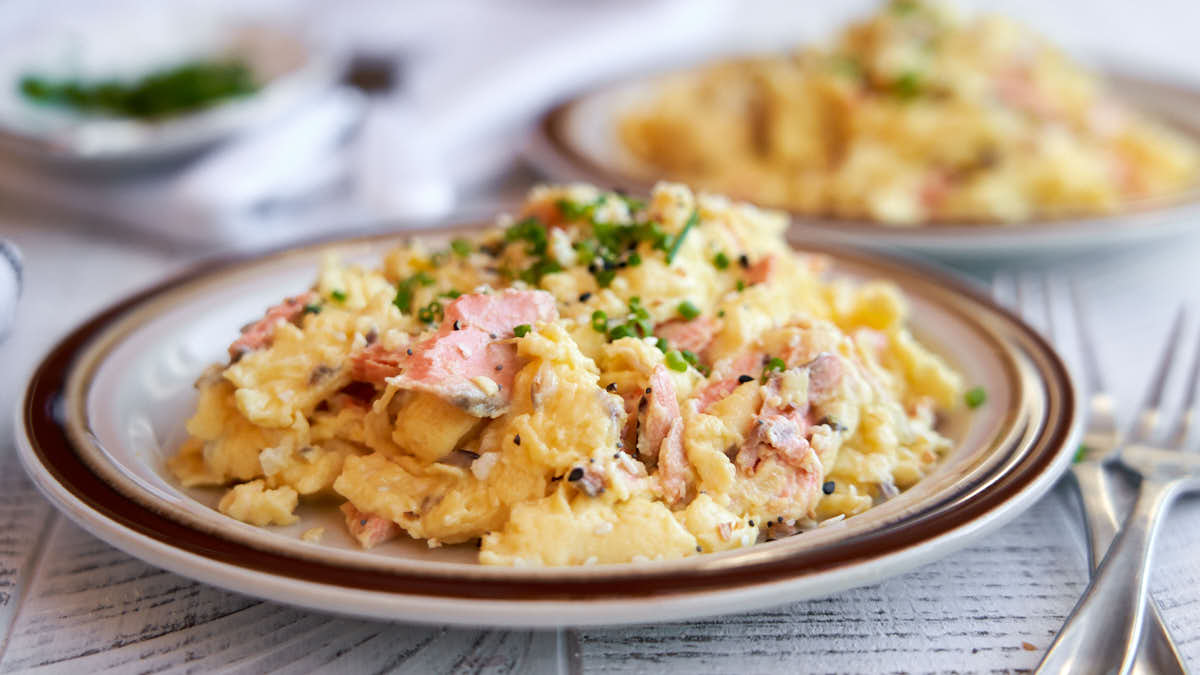
- Preparation of the Egg Base: Eggs must be vigorously whisked to introduce air pockets. This mechanical aeration is essential for a light, fluffy consistency. The absence of streaks in the egg mixture signifies that the yolks and whites have formed a uniform emulsion.
- Temperature Regulation: The introduction of cold, leftover salmon into a hot pan can lead to temperature shock, resulting in uneven cooking. Bringing the salmon to room temperature before integration is a recommended best practice for achieving thermal consistency across the dish.
- The Folding Process: The salmon should be added only when the eggs begin to form soft curds. This prevents the fish from overcooking, which would otherwise result in a dry, stringy texture that diminishes the overall quality of the meal.
- Final Seasoning: The application of "everything" seasoning—a blend of sesame seeds, poppy seeds, dried garlic, and onion—serves as a functional garnish, providing texture and balancing the richness of the fish and eggs with aromatic complexity.
Industry Perspectives on Sustainable Consumption
Food industry analysts observe that recipes emphasizing the use of leftovers reflect a growing consciousness regarding supply chain efficiency. When households adopt the practice of "planned-overs"—intentionally cooking larger portions of fish to be utilized in subsequent meals—they reduce their carbon footprint associated with both food waste and unnecessary additional cooking energy.
Nutritionists often cite this dish as a "functional breakfast." Because it lacks the high glycemic load associated with standard cereal or pastry-based breakfasts, it promotes stable blood glucose levels throughout the morning. This stability is particularly beneficial for individuals managing metabolic syndrome or those seeking sustained cognitive focus during the workday.
Market Trends and Consumer Behavior
The rise of the "home chef" movement, fueled by increased access to high-quality ingredients and digital tutorials, has seen a resurgence in interest regarding how to handle premium proteins. While fresh fish is often viewed as a "luxury" or "special occasion" item, the integration of leftover salmon into a weekday breakfast de-stigmatizes the idea of serving fish early in the day.
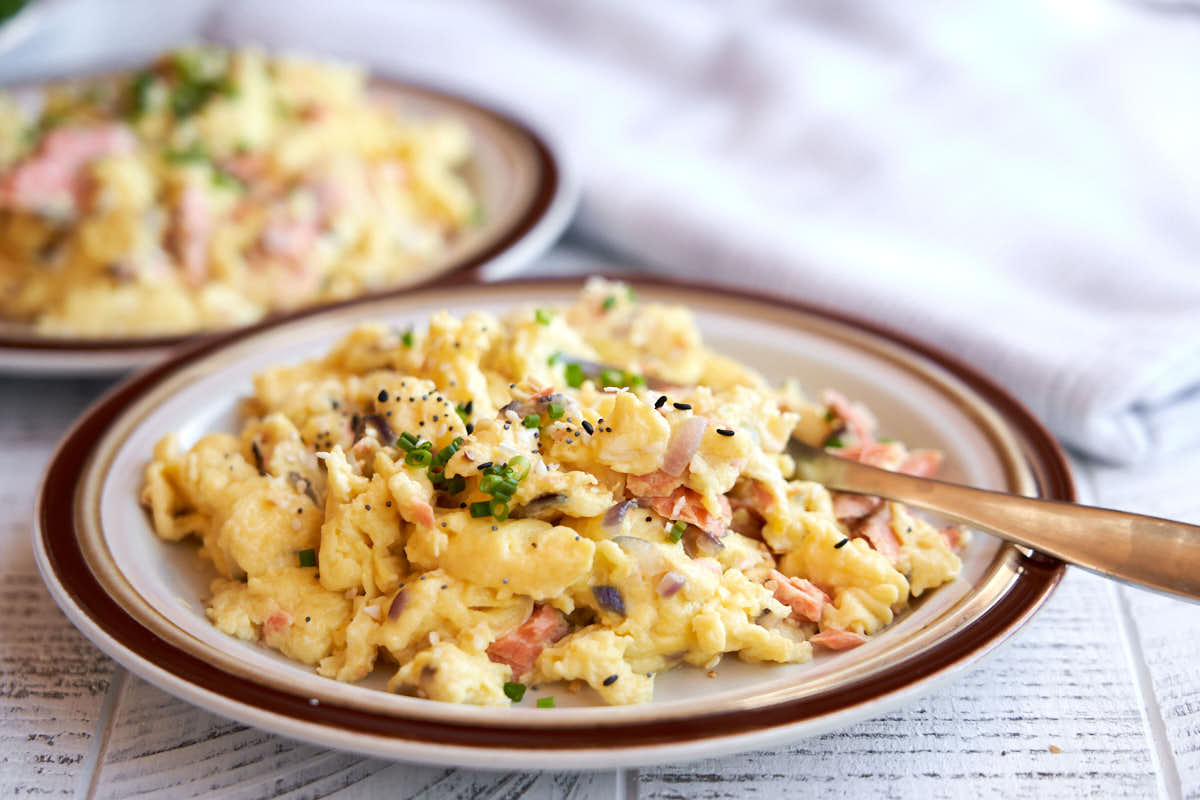
Furthermore, the exclusion of smoked salmon from this specific recipe is a critical distinction. Smoked salmon, due to its curing process, contains high levels of sodium and a delicate structure that is prone to becoming overly salty and tough when subjected to the high heat of a sauté pan. By focusing on previously cooked fillets, the dish remains palatable and adheres to the structural requirements of a standard scramble.
Broader Economic and Environmental Impacts
The cumulative impact of small-scale food waste reduction is significant. If a significant percentage of the population utilized even 10% of their leftover proteins in breakfast formats rather than discarding them, the reduction in organic waste sent to landfills would be measurable in the millions of tons annually. This practice aligns with the United Nations Sustainable Development Goal (SDG) 12.3, which aims to halve per capita global food waste by 2030.
Beyond the environmental scope, the economic incentive is clear. With the rising cost of animal proteins, the ability to maximize the utility of every ounce of salmon purchased is a sound financial strategy for families. By viewing leftover fish not as "discarded food" but as "retained inventory," consumers can lower their average cost per meal while simultaneously increasing the nutritional density of their diet.
Conclusion: The Future of the Morning Meal
As the culinary landscape continues to shift toward efficiency and health, dishes that marry the simplicity of eggs with the richness of cold-water fish are likely to remain relevant. Whether prepared in a hurried weekday morning or as a component of a deliberate weekend brunch, the salmon and egg scramble stands as a testament to the versatility of basic ingredients.
Moving forward, the adoption of such practices serves as a model for how households can integrate professional-grade food management strategies into their daily routines. By prioritizing techniques like proper egg aeration, temperature management, and the thoughtful use of aromatics, home cooks can ensure that the breakfast table remains a space for both nutritional excellence and sustainable consumption. The continued popularity of this dish suggests that convenience and quality need not be mutually exclusive, provided that the foundational principles of food preparation are respected.
