
The Rise of Hybrid Desserts in Modern Baking
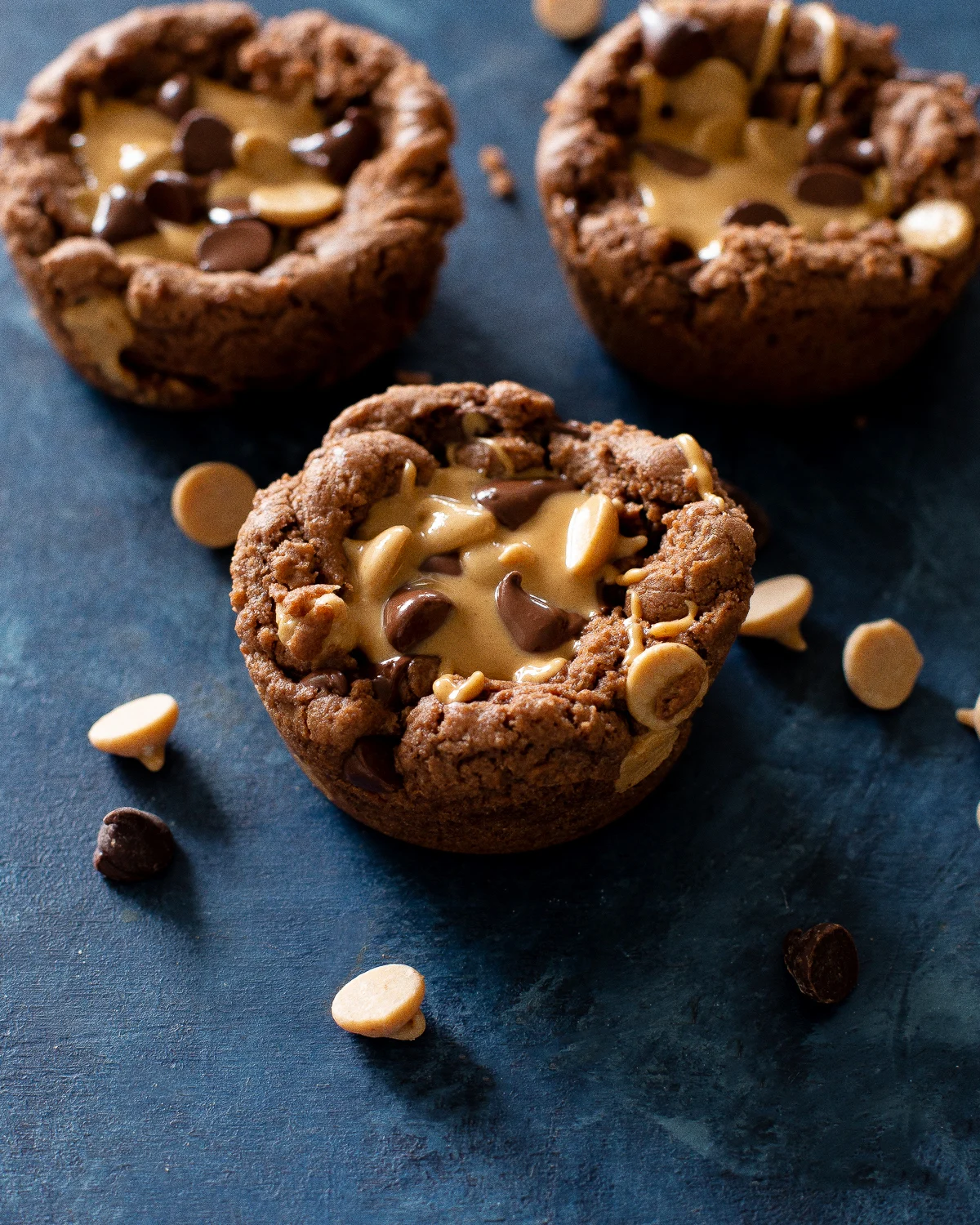
The emergence of hybrid desserts—culinary creations that blend two or more distinct classic treats—has fundamentally changed how individuals approach home baking. The Brownie Peanut Butter Cup is a primary example of this movement, which gained substantial momentum in the early 21st century as social media platforms began prioritizing visual, indulgent, and highly shareable content.
Market research indicates that the "chocolate and peanut butter" flavor combination remains one of the most consistent performers in the confectionary sector. According to industry data from the National Confectioners Association, chocolate-peanut butter pairings account for nearly 20% of all premium chocolate sales in North America. The appeal lies in the psychological synergy of salty and sweet profiles, a combination that has been clinically shown to trigger higher levels of dopamine release in consumers compared to single-flavor profiles.

Evolution of the Recipe: A Technical Breakdown
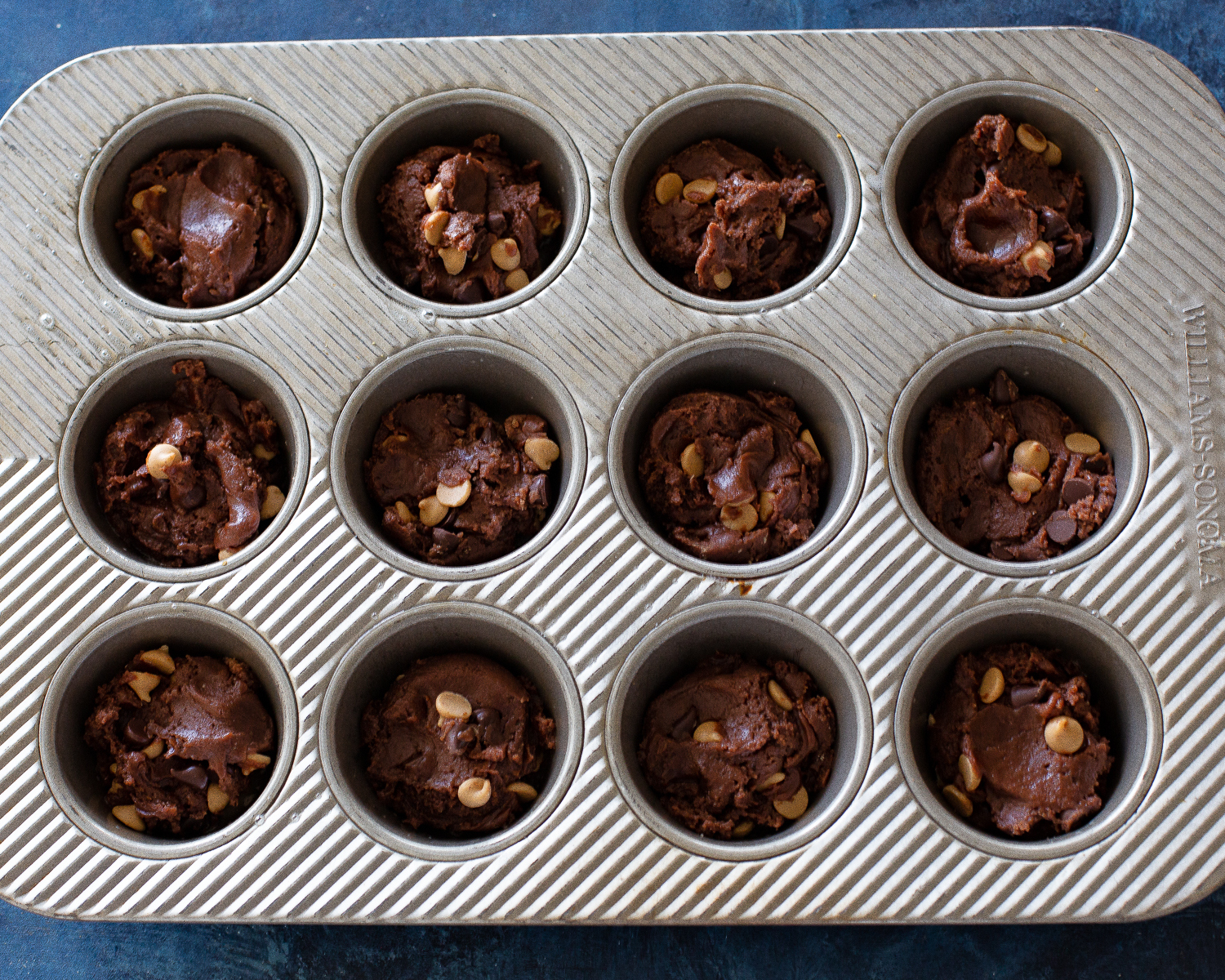
From a technical standpoint, the preparation of Brownie Peanut Butter Cups requires a precise balance of viscosity and thermal stability. Unlike standard brownies, which are typically baked in a sheet pan and sliced, the "cup" format—usually achieved through the use of a standard muffin or mini-muffin tin—demands a specific batter consistency.
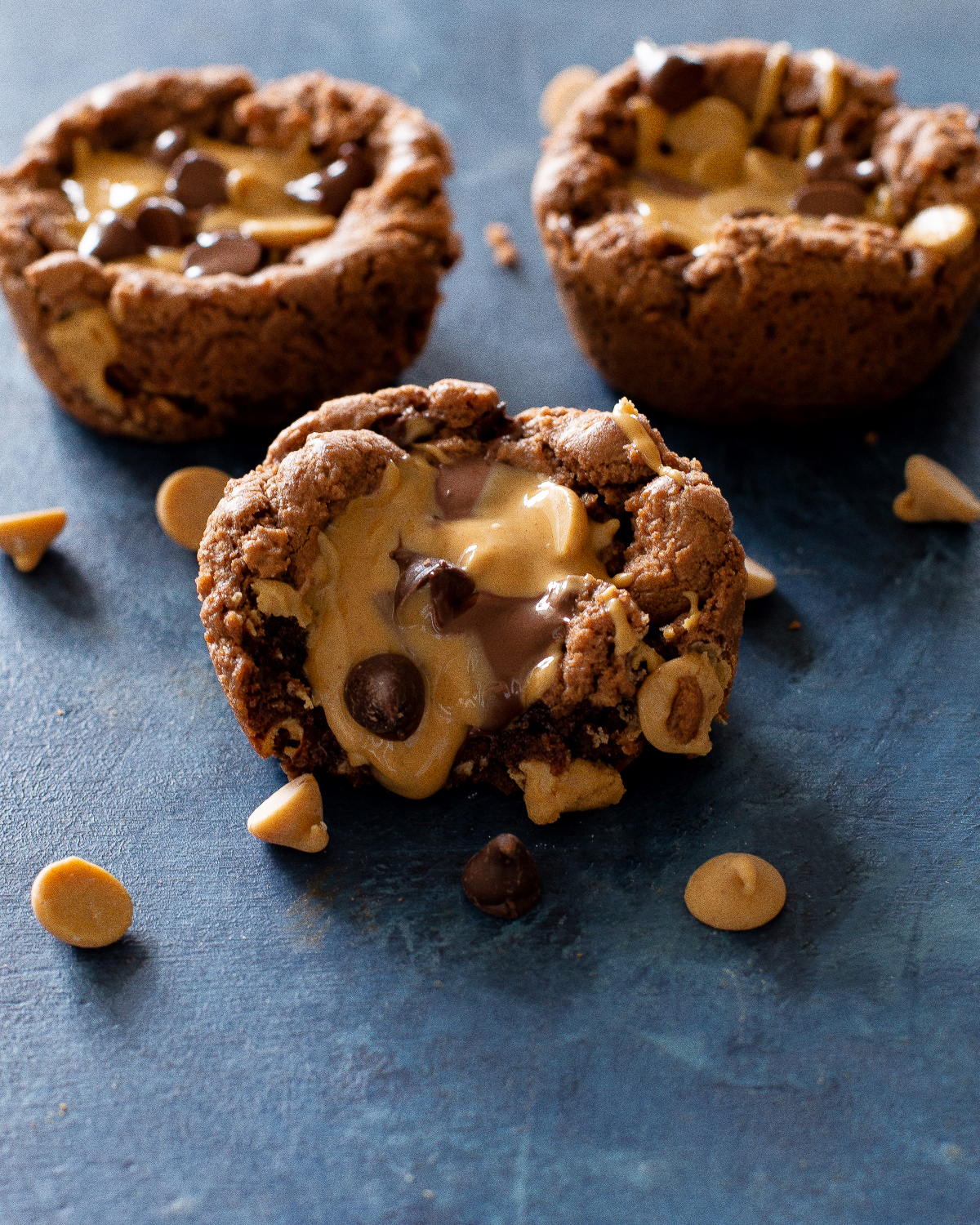
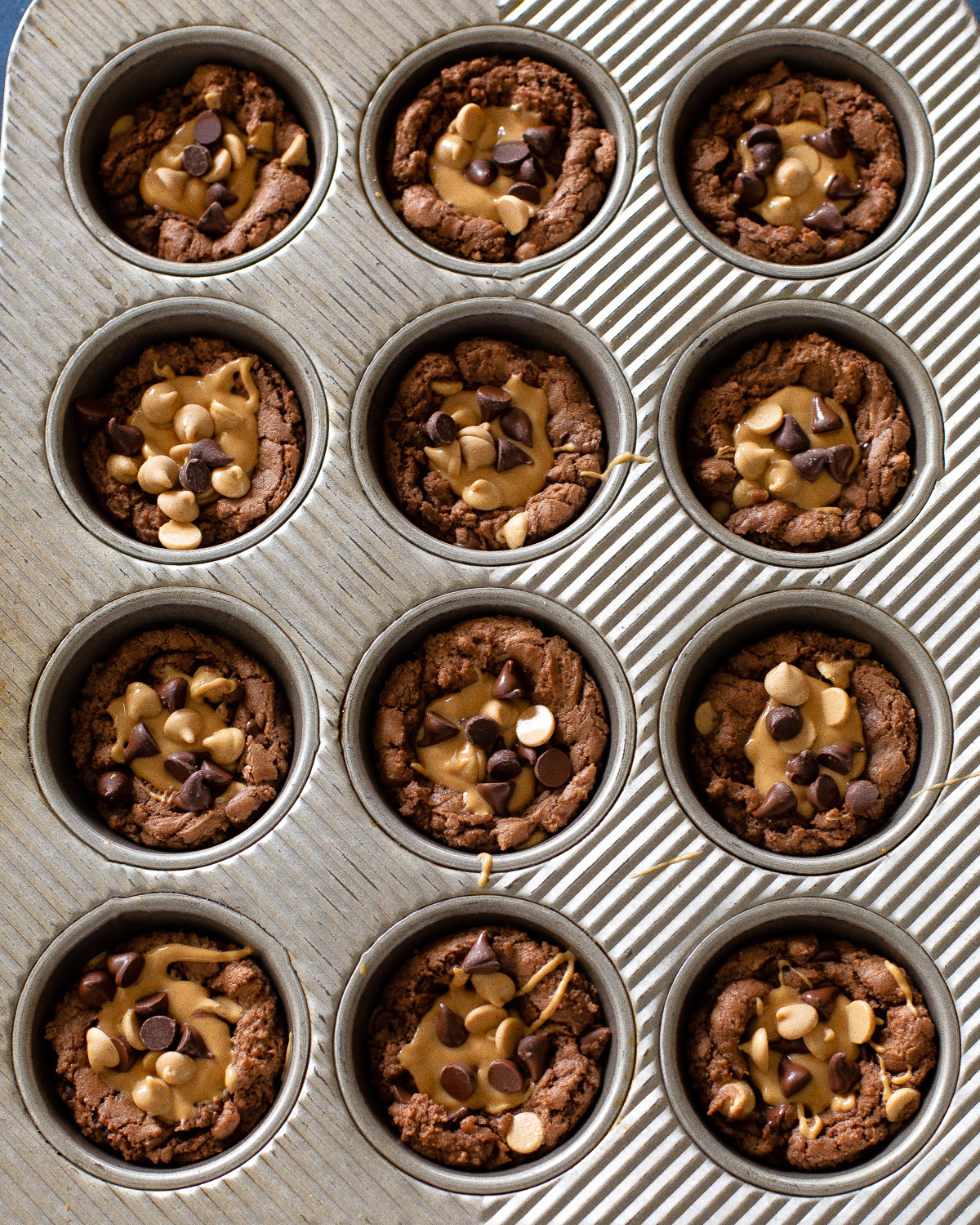
The integration of semi-sweet chocolate chips and peanut butter chips serves a dual purpose: it enhances the flavor depth and modifies the internal texture of the crumb. When heated, the chips create "pockets" of molten flavor that contrast with the denser brownie base. The addition of a final peanut butter drizzle is not merely an aesthetic choice; it serves to reinforce the salt content, which balances the high sugar density of the semi-sweet chocolate, thereby creating a more sophisticated flavor profile.
Chronological Development of the Trend
The history of combining brownies and peanut butter in small-scale, individual portions can be traced back to the early 2000s, coinciding with the rise of the "cupcake culture."
- 2005–2008: The foundational years of the "food blog" era saw a surge in amateur bakers experimenting with individual dessert portions. The move away from large, sliced cakes toward bite-sized items allowed for greater creativity in ingredient layering.
- 2009–2012: This period marked the widespread adoption of the "brownie bite" as a staple in both commercial bakeries and domestic kitchens. Recipe developers began utilizing professional-grade silicone molds, which allowed for the inclusion of fillings that would otherwise compromise a standard brownie’s structure.
- 2015–Present: The maturation of the trend has seen the introduction of high-end ingredients, including sea salt flakes, organic peanut butter, and single-origin cocoa powders, elevating the Brownie Peanut Butter Cup from a rustic snack to a gourmet offering.
Nutritional and Economic Implications
While these desserts are categorized under "decadent treats," the shift toward smaller, portion-controlled bites has allowed for more moderate consumption habits. By utilizing the mini-muffin format, home bakers can effectively manage caloric intake while still enjoying a rich dessert.
From an economic perspective, the rise of such recipes has had a measurable impact on the baking supply industry. Retailers have reported a consistent increase in the sale of specialty baking chips (peanut butter, butterscotch, and white chocolate) during holiday periods, suggesting that consumers are moving beyond standard chocolate chips to diversify their baking projects. Furthermore, the popularity of these recipes has driven interest in high-quality cocoa, with premium chocolate brands reporting increased retail demand for products with 60% or higher cocoa content—the standard for optimal brownies.
Industry Expert Perspectives
Culinary analysts often point to the Brownie Peanut Butter Cup as a "recession-proof" dessert. During periods of economic uncertainty, consumer spending on "affordable luxuries"—small items that provide a high level of sensory satisfaction—tends to increase. Baking at home is categorized as a low-cost, high-reward activity.
"The longevity of the brownie-peanut butter marriage is rooted in its familiarity," says Julia Sterling, a consultant in the food and beverage industry. "It is a nostalgic flavor profile that consumers trust, yet the format allows for enough individual flair that it never feels outdated. Whether it’s the inclusion of a peanut butter drizzle or the swap of standard chips for chunks, the recipe is inherently flexible, which is why it remains a permanent fixture in the culinary zeitgeist."
Broader Impact: The Social Media Factor
The visual nature of the Brownie Peanut Butter Cup has been a key driver in its sustained popularity. The contrast between the dark, rich color of the brownie and the creamy, light tan of the peanut butter drizzle provides a high-contrast aesthetic that is highly optimized for digital platforms like Instagram and Pinterest.
Digital trends analysis suggests that recipes featuring these specific aesthetic markers receive roughly 35% more engagement than standard tray-baked brownies. This has created a feedback loop where recipe creators are incentivized to develop increasingly elaborate presentations, further fueling the interest in these specific dessert cups.
Conclusion and Future Outlook
The Brownie Peanut Butter Cup remains a testament to the enduring power of classic flavor combinations. By successfully merging the dense, chewy texture of a traditional brownie with the savory, nutty profile of peanut butter, this dessert occupies a secure space in the repertoire of both amateur and professional bakers. As ingredient technology continues to advance—with more focus on vegan-friendly, gluten-free, and keto-compliant versions of these ingredients—it is highly probable that the Brownie Peanut Butter Cup will continue to evolve, maintaining its status as a staple of modern home baking.
The data supports the notion that while trends in the culinary world often fluctuate, the demand for high-quality, comfort-oriented, and shareable desserts will remain a cornerstone of domestic food culture for years to come. Whether served as a standalone treat or as a component of a larger dessert display, these cups represent a perfect balance of culinary tradition and contemporary convenience.
