
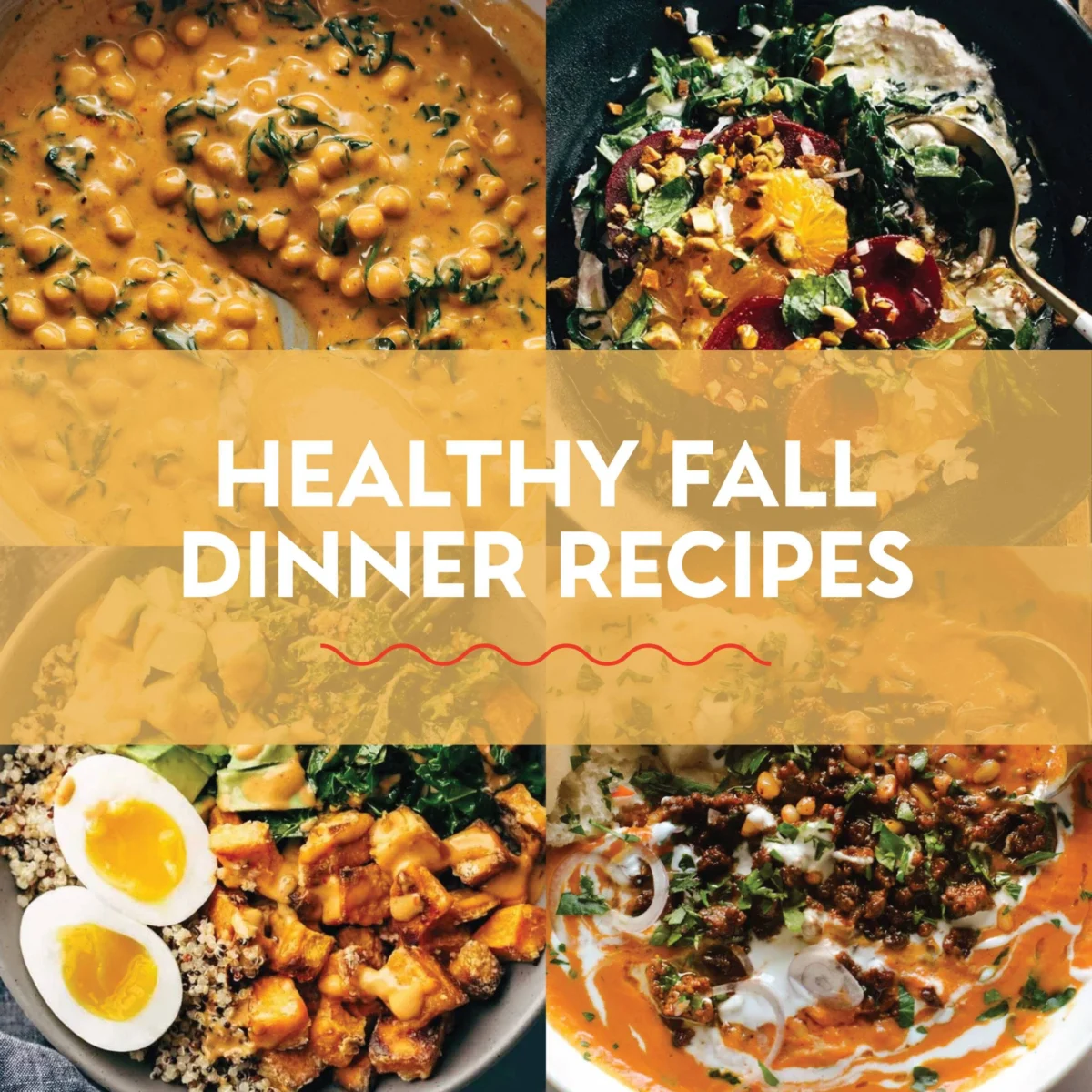
As temperatures decline and the calendar shifts toward the final quarter of the year, culinary preferences undergo a distinct transition. The transition from summer to autumn marks a significant shift in consumer demand toward meals that emphasize seasonal produce, high-density nutrition, and thermal comfort. According to recent data from the Bureau of Labor Statistics and independent culinary research groups, there is a marked uptick in home-prepared meals during the autumn months, as households look to integrate nutrient-dense ingredients such as root vegetables, cruciferous greens, and hearty legumes into their daily regimens.
The Evolution of Seasonal Nutritional Planning
The shift in dietary patterns during the fall is not merely a preference for "comfort food" but a physiological response to the changing environment. Nutritional experts note that the increased consumption of starchy vegetables like sweet potatoes, carrots, and squash—staples of autumn harvests—provides essential complex carbohydrates and beta-carotene, which are crucial for maintaining energy levels and immune function as daylight hours diminish.
A 2023 culinary trends report indicates that 68% of home cooks prioritize "functional" comfort foods during October and November. This trend is characterized by the pairing of traditional warming elements—such as broths, curries, and stews—with high-protein, plant-forward additions like lentils, chickpeas, and lean proteins. This integration represents a departure from the heavier, fat-laden comfort foods of the past, moving toward what industry analysts call "proactive nourishment."
Chronology of Autumnal Consumption Patterns
The shift in eating habits typically follows a predictable timeline, beginning in mid-September.
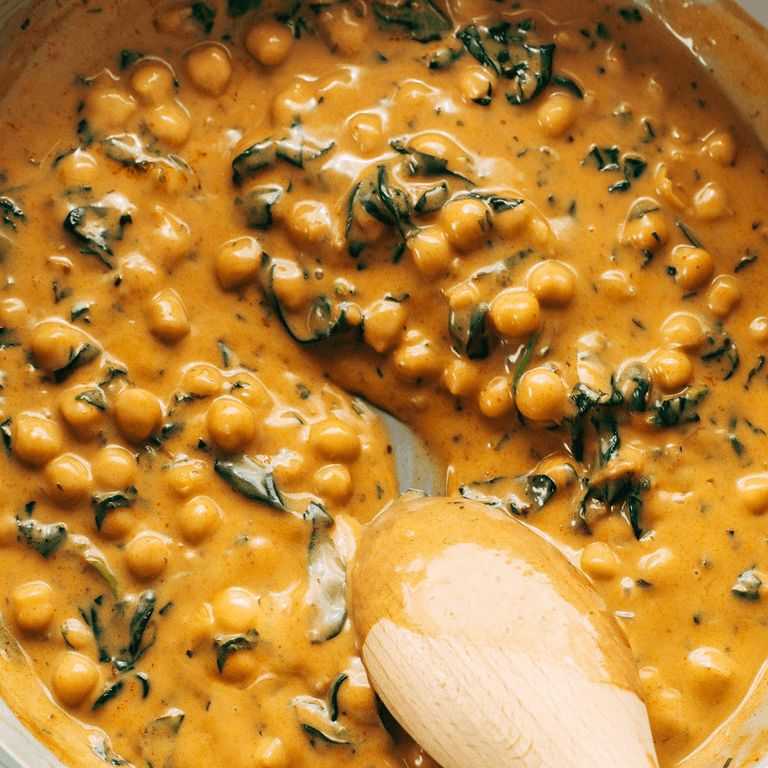
- Phase One (Mid-September): Transitioning away from cold salads and raw produce toward "hybrid" meals. This includes the introduction of roasted vegetables and warm grain bowls, often featuring late-summer harvests like kale and apples.
- Phase Two (October): The focus shifts to root-heavy, high-fiber meals. Soups and stews become the primary vehicle for vegetable consumption. The increased use of warming spices like ginger, turmeric, and cumin—often found in curry and broth-based dishes—is documented to peak during this month.
- Phase Three (November): The final phase of the season emphasizes nutrient density, balancing the increased social dining of the holidays with "detoxifying" or simplified plant-based meals, such as lentil soups or roasted carrot dishes, to maintain metabolic balance.
Data-Driven Nutritional Benefits of Fall Staples
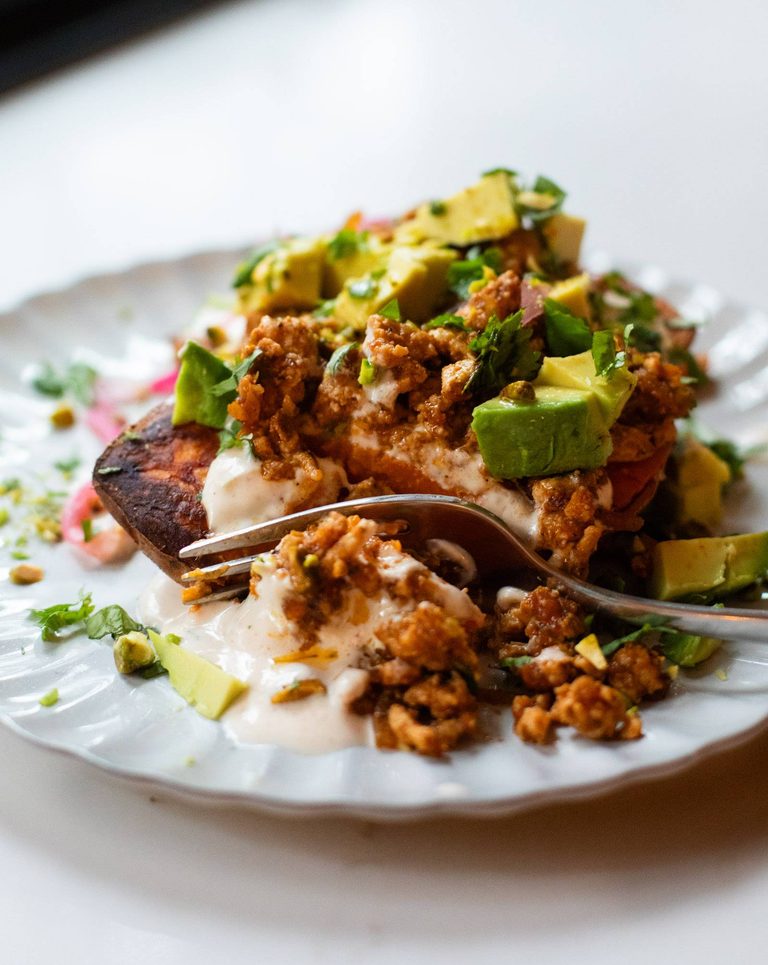
The inclusion of specific ingredients during the fall season provides quantifiable health benefits. Sweet potatoes, which are foundational to many popular autumn recipes, contain high levels of Vitamin A and fiber. When paired with healthy fats, such as avocado or tahini-based dressings, the bioavailability of these vitamins is significantly increased.
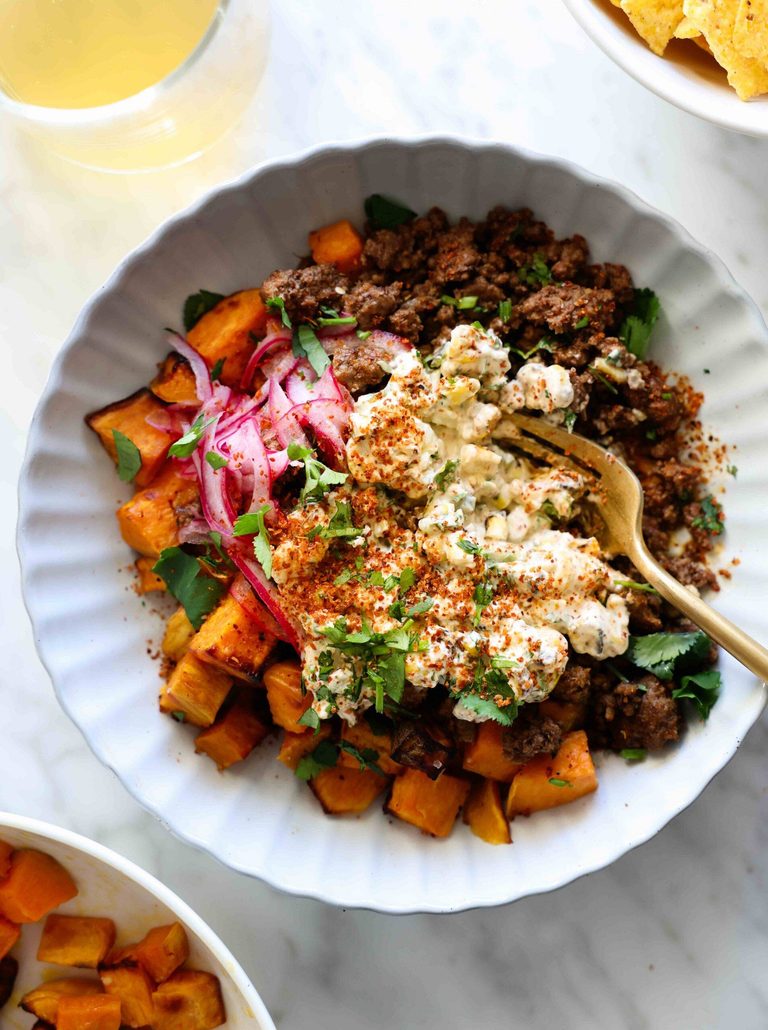
Similarly, the increased reliance on legumes—such as lentils and chickpeas—addresses the need for sustained energy release. Research from the Journal of Nutrition suggests that the inclusion of pulses in weekly meal plans can lead to improved glycemic control and satiety. The prevalence of these ingredients in contemporary fall recipes, such as red curry lentil dishes or chickpea-based curries, aligns with broader public health initiatives aimed at reducing the consumption of highly processed foods in favor of whole-food alternatives.
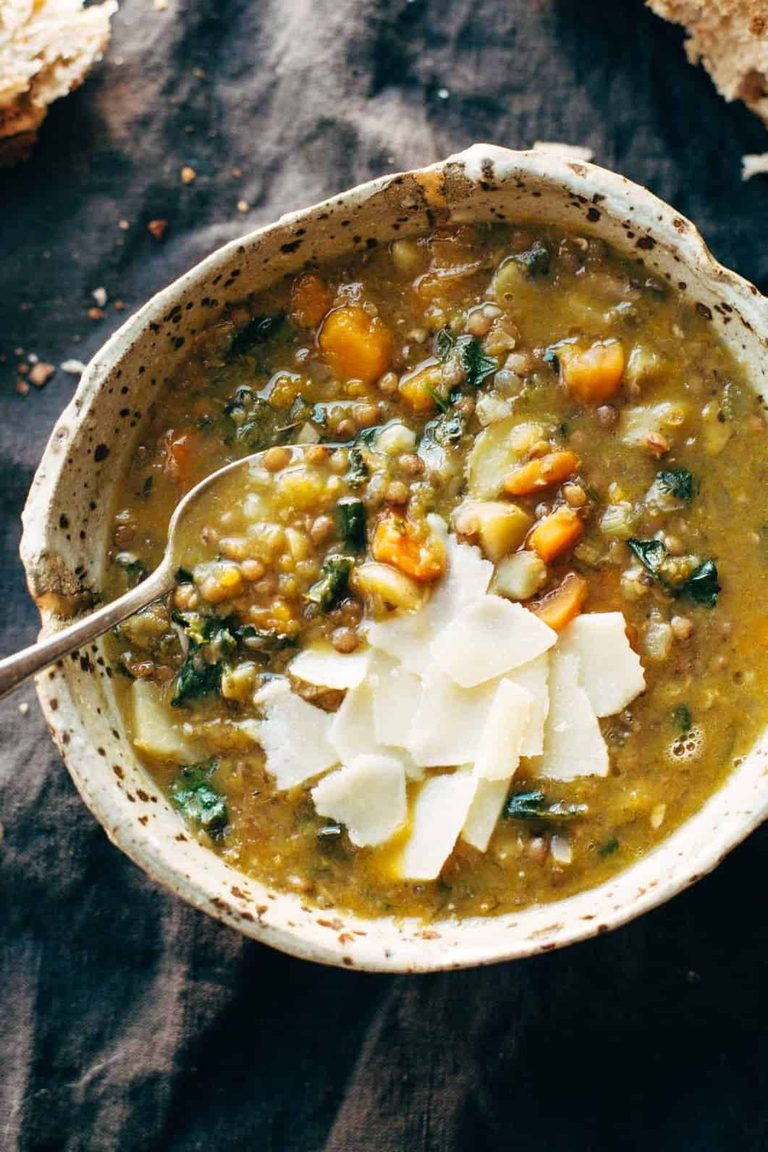
Professional Culinary Perspectives on Ingredient Versatility
Executive chefs and nutritionists often emphasize the "base-and-topping" architecture of modern fall dining. By utilizing a base of grains or roasted tubers, cooks can rotate high-flavor, nutrient-dense toppings—such as spicy chicken, fermented vegetables, or herb-based pestos—to keep meal preparation efficient.
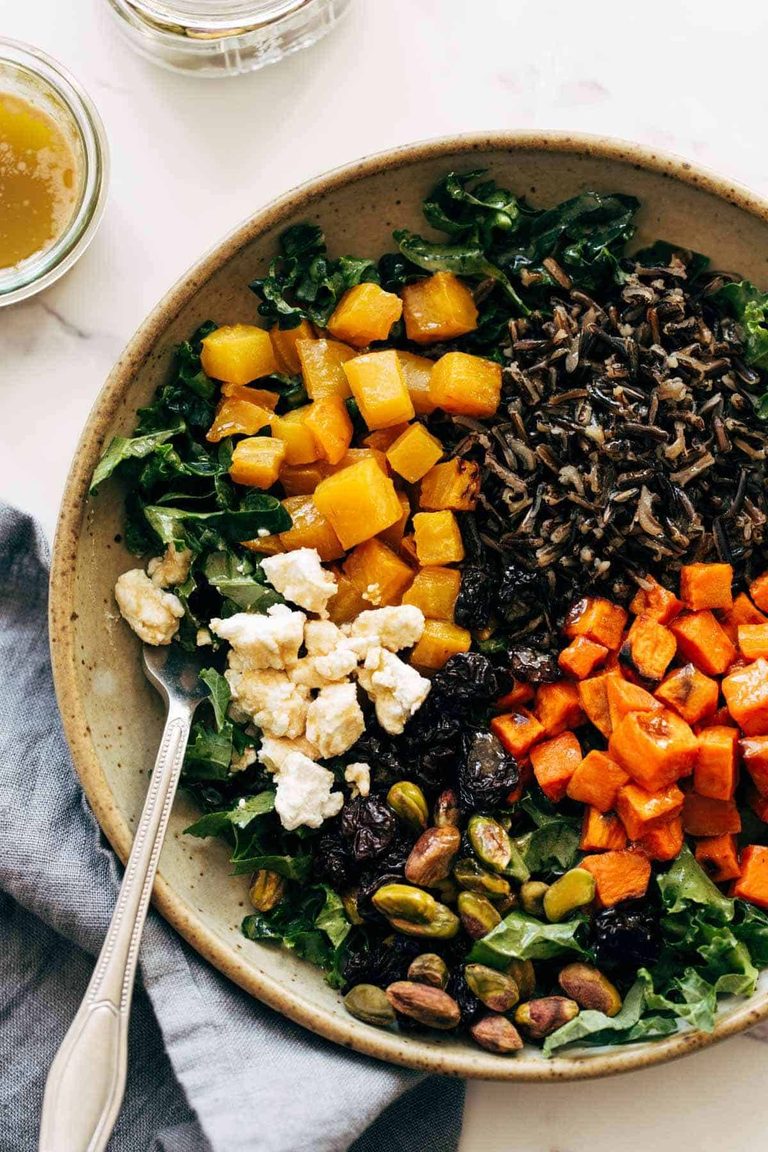
"The modern approach to the autumn table is about versatility," notes culinary consultant Dr. Elena Rossi. "We are seeing a move away from the time-intensive roasts of the 20th century toward modular cooking. The ability to prepare a batch of roasted root vegetables or a large pot of broth at the beginning of the week allows for the rapid assembly of bowls that meet both the psychological need for warmth and the physiological requirement for dense nutrients."

The Economic and Environmental Implications
The trend toward seasonal eating also carries significant economic implications. By aligning home-cooked menus with local agricultural cycles, households can reduce food costs, as seasonal produce is often at its lowest price point during peak harvest. Furthermore, the focus on root vegetables and legumes, which have longer shelf lives and lower environmental footprints compared to out-of-season imported produce, aligns with the growing consumer interest in sustainable food systems.

Retail data shows that sales of bulk dry goods—including lentils, rice, and dried spices—consistently rise by approximately 15-20% in the autumn. This data reflects a shift in consumer behavior toward long-term planning and bulk meal preparation, a necessity in the modern, fast-paced work environment.

Case Studies in Modern Fall Nutrition
Several dish archetypes have emerged as the standard for the contemporary autumn diet:
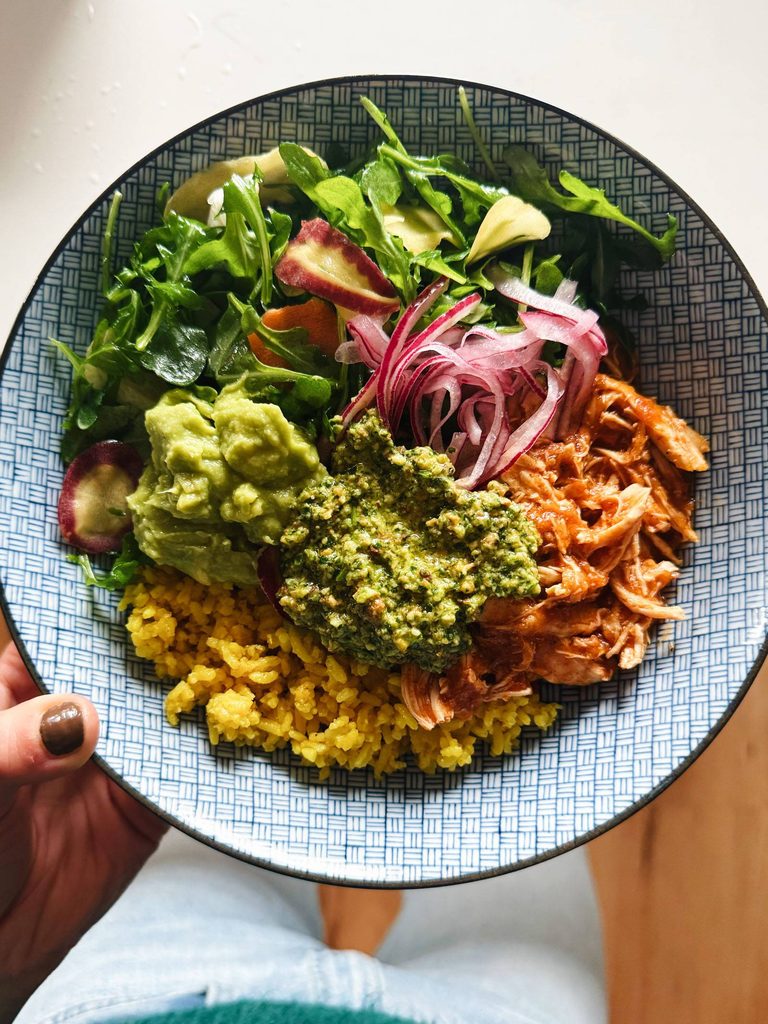
1. The Nutrient-Dense Bowl
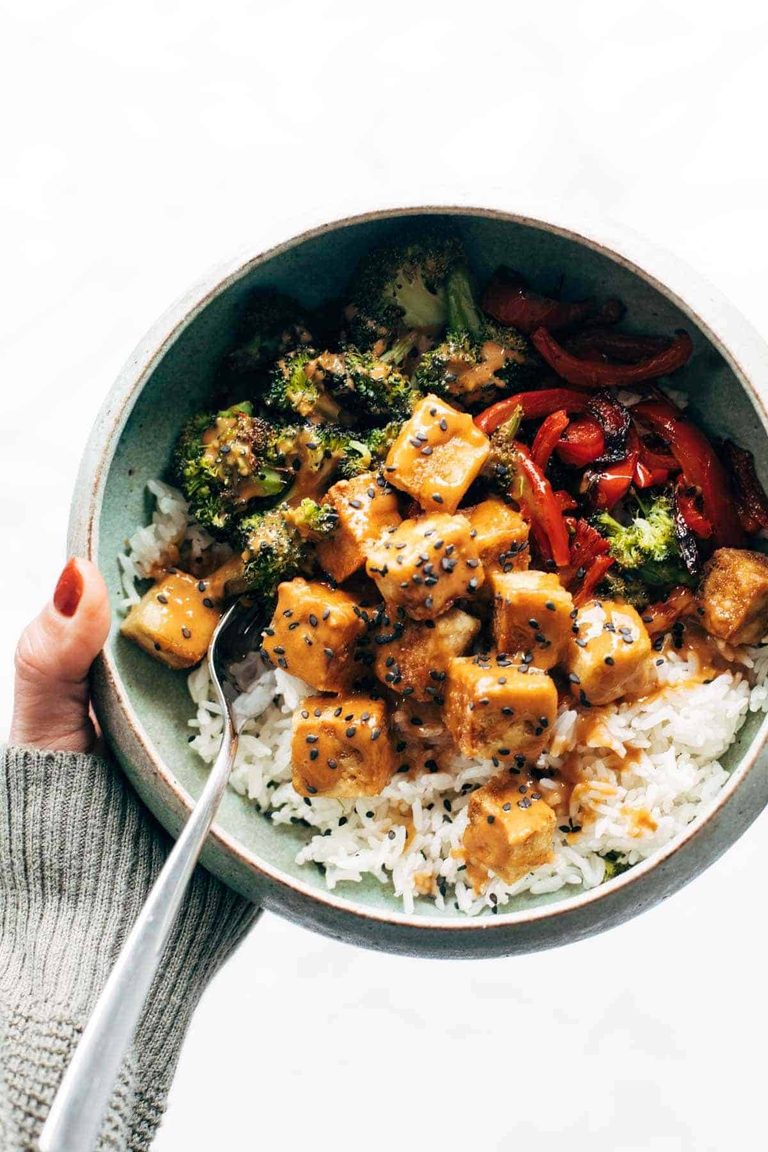
These typically consist of a grain base (such as quinoa or brown rice), a roasted vegetable (sweet potato or cauliflower), and a protein source (tofu, shredded chicken, or chickpeas). The addition of a "punchy" sauce, such as a green tahini or chipotle-avocado dressing, serves as the primary flavor profile, ensuring that healthy food remains palatable and satisfying.
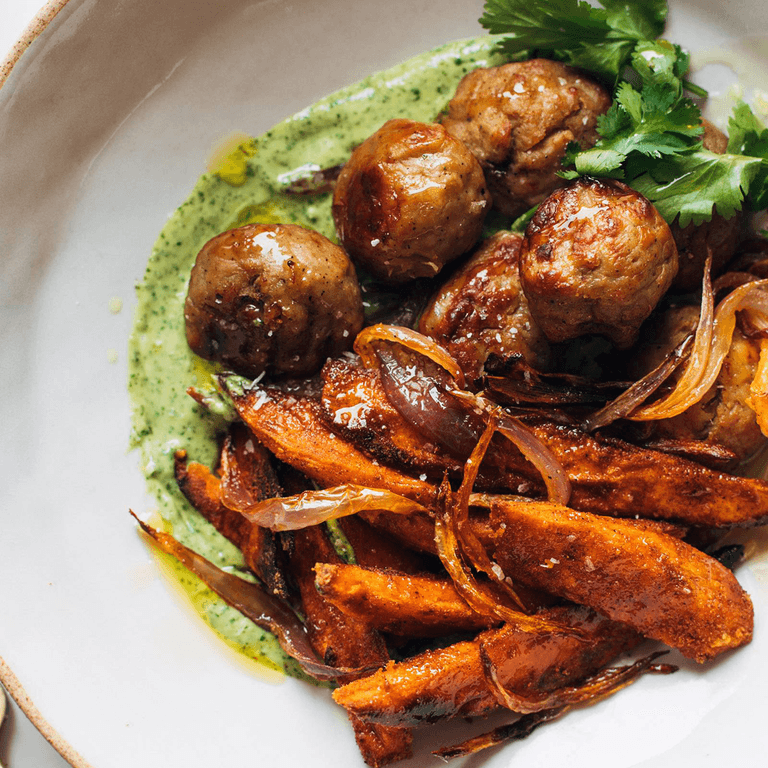
2. The Functional Broth
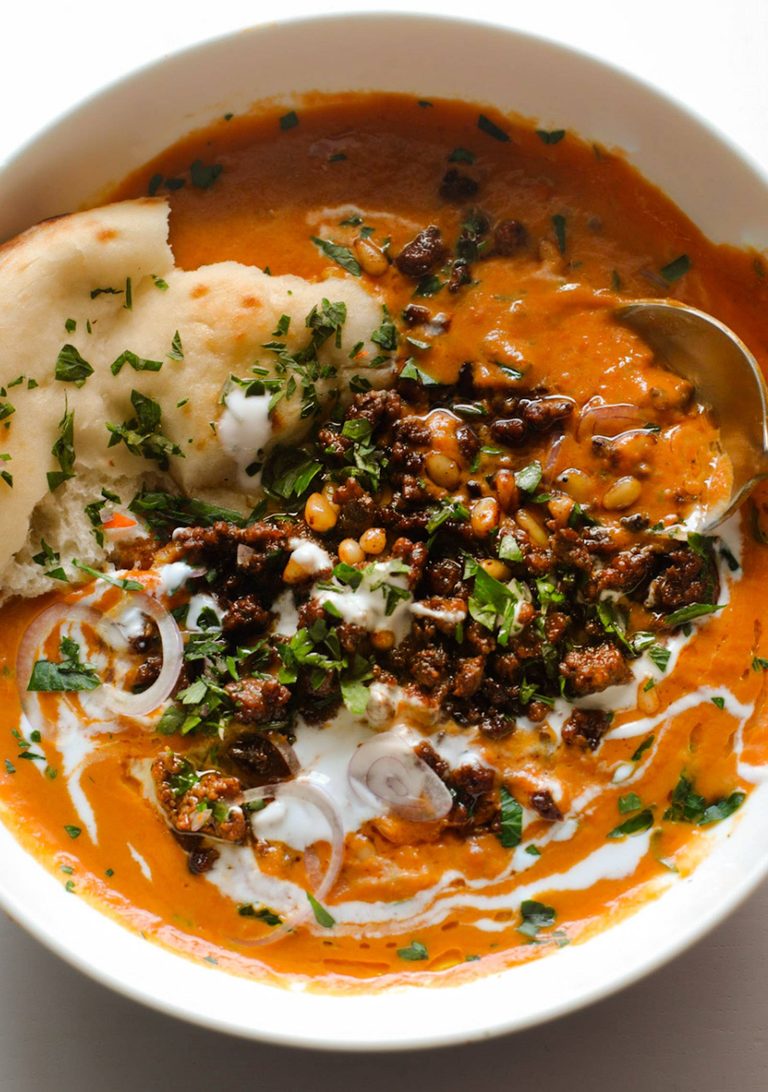
Broth-based meals, ranging from lemongrass-infused chicken soups to coconut curry variations, are increasingly recognized for their hydration and mineral content. The addition of fresh ginger and turmeric provides anti-inflammatory benefits, which are frequently highlighted by nutritionists as being particularly beneficial during the colder months.
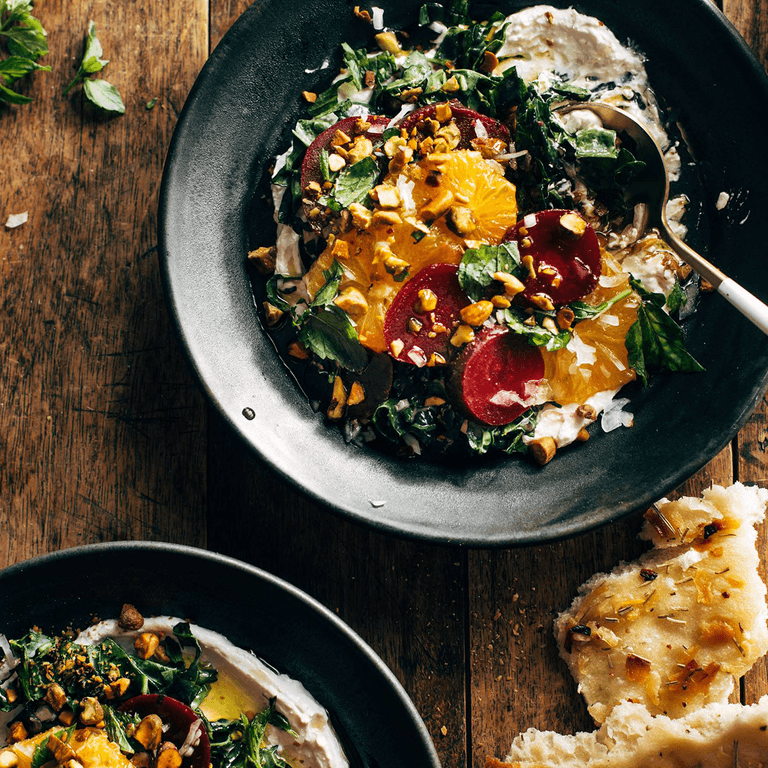
3. The Revamped Salad
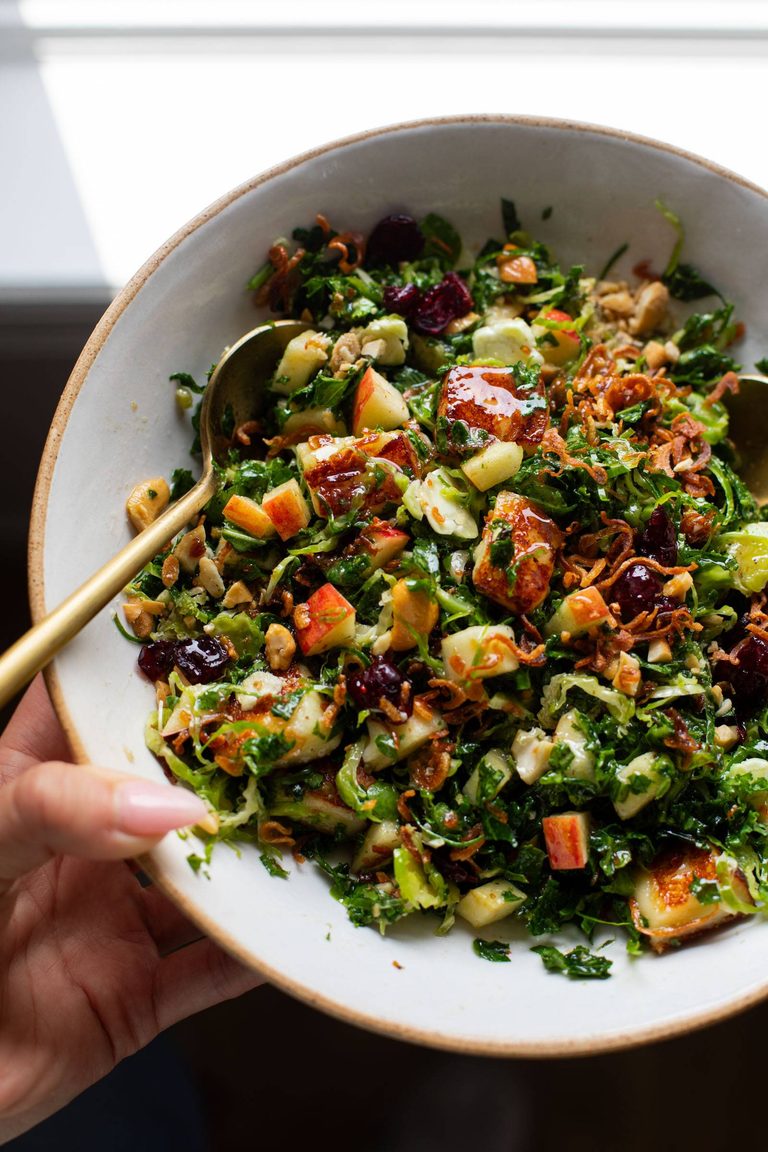
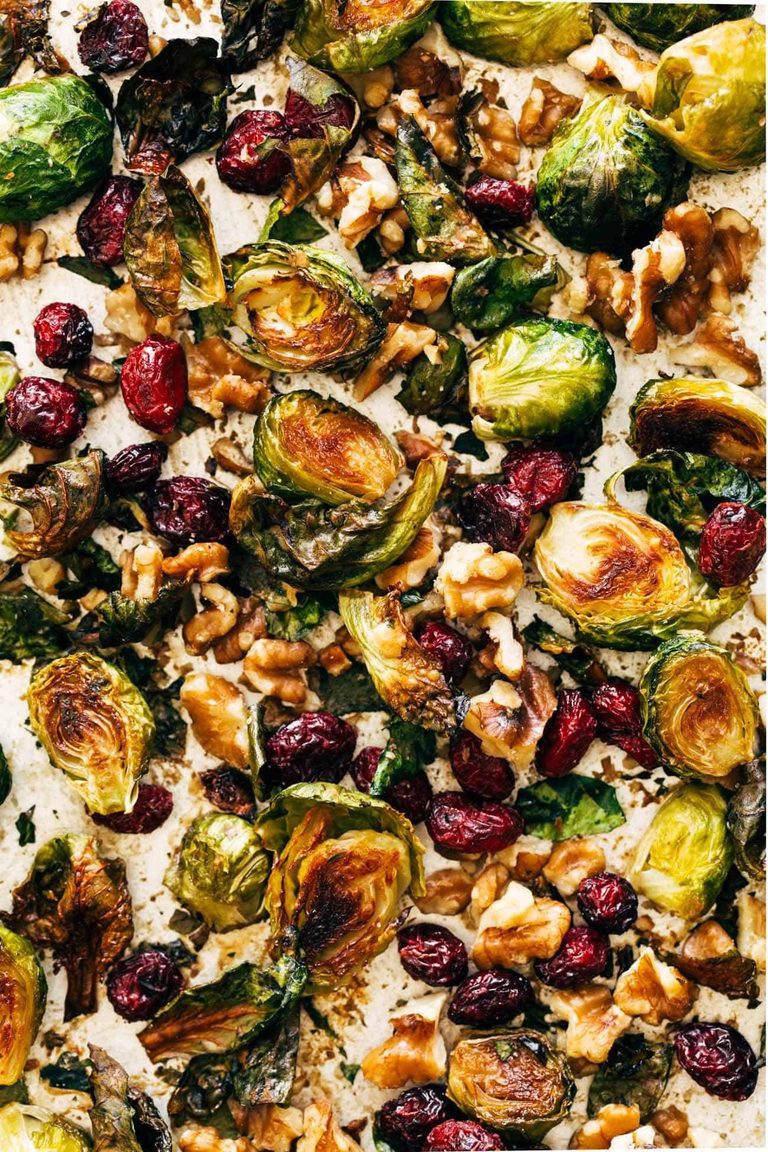
Modern fall salads have evolved beyond leafy greens to include hearty, fibrous bases like shaved Brussels sprouts and kale, often paired with crunchy elements like walnuts or toasted pine nuts and fruits like apples or pomegranates. This ensures that the meal provides both satiety and a wide spectrum of antioxidants.
Future Outlook: The Intersection of Wellness and Convenience
The trajectory of home dining indicates that the demand for "healthy comfort" will continue to grow. As artificial intelligence and digital meal-planning tools become more accessible, consumers are increasingly able to source recipes that balance health metrics with traditional flavor profiles.
The broader impact of this shift is a more informed consumer base that understands the link between seasonal cycles and personal well-being. By moving away from restrictive dieting toward a model of "nutritious abundance," the modern autumn table serves as a model for sustainable and health-conscious living. As we look toward future seasons, the integration of these practices suggests that the "sweater weather" culinary aesthetic will continue to be defined by high-quality ingredients, efficient preparation, and a focus on both physical and emotional nourishment.

In conclusion, the current landscape of fall dining is defined by a sophisticated understanding of nutritional needs. Whether through the use of slow-cooker stews that offer convenience or grain bowls that prioritize fiber and protein, the emphasis remains on creating meals that are as functional as they are flavorful. This, in turn, fosters a more resilient and health-conscious society, capable of navigating the changing seasons with intentionality and culinary creativity.
