

Thanksgiving is traditionally dominated by the evening feast, a culinary marathon centered around the turkey and its accompanying sides. In many households, the morning hours are often marked by a strategic choice to skip breakfast entirely in anticipation of the impending caloric intake. However, culinary experts and nutritionists increasingly suggest that incorporating a light, balanced morning meal can actually improve digestion, manage blood sugar levels, and provide the necessary stamina for the demanding task of preparing a multi-course dinner for family and guests.

The tradition of the Thanksgiving breakfast has evolved significantly over the last decade. Rather than viewing the morning as a period of fasting, many hosts now utilize this time to gather with visiting family members, creating a relaxed "pre-game" atmosphere before the kitchen becomes a high-stress zone. From a logistical standpoint, choosing recipes that utilize seasonal ingredients—such as pumpkin, cranberries, apples, and warming spices like cinnamon and nutmeg—allows families to integrate the holiday theme into the very first meal of the day.
The Strategic Value of the Morning Meal
Data from culinary lifestyle surveys indicate that households that host Thanksgiving brunch tend to report lower stress levels during the afternoon cooking process. By serving a breakfast that can be prepared in advance, such as an overnight casserole or a pre-baked muffin, the host avoids the "hangry" phenomenon—a state of irritability caused by hunger—that can often plague the cooking staff. Furthermore, these breakfast options serve as a vital source of energy for those managing complex kitchen timelines that often begin as early as 6:00 AM to ensure the turkey is properly roasted by the early evening.
Categorizing the Thanksgiving Morning Menu
To streamline the holiday, experts recommend dividing breakfast preparations into three categories: make-ahead casseroles, stove-top skillet meals, and grab-and-go baked goods. This segmentation allows for better kitchen management, ensuring that the oven remains available for the primary feast items during the late morning and early afternoon.
The Efficiency of Breakfast Casseroles
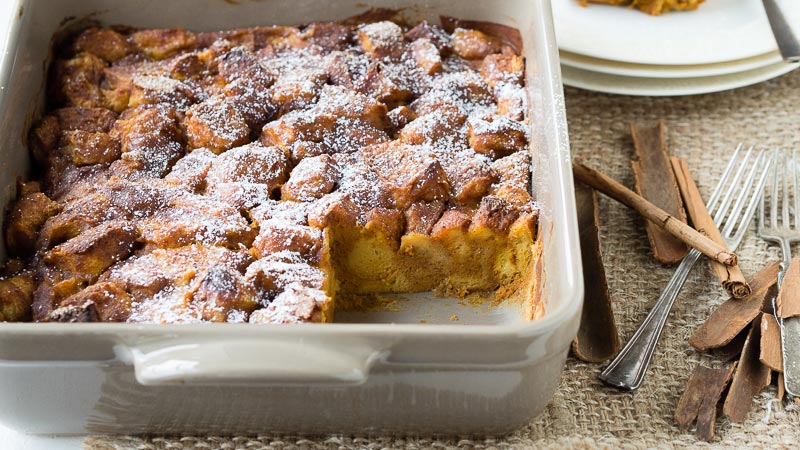
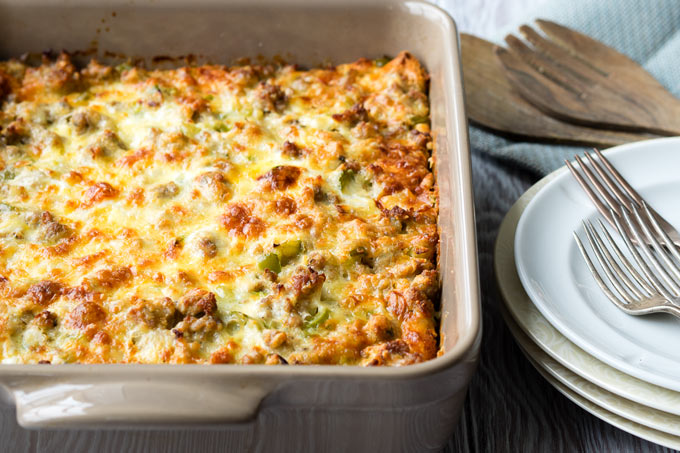
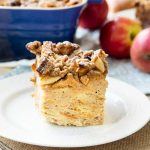
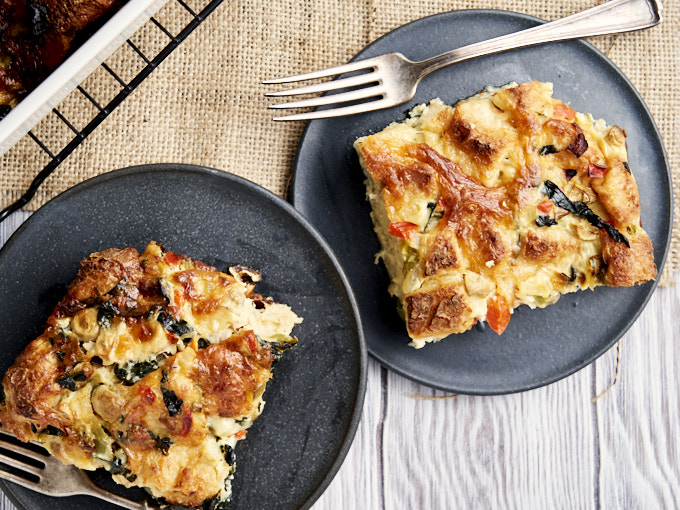
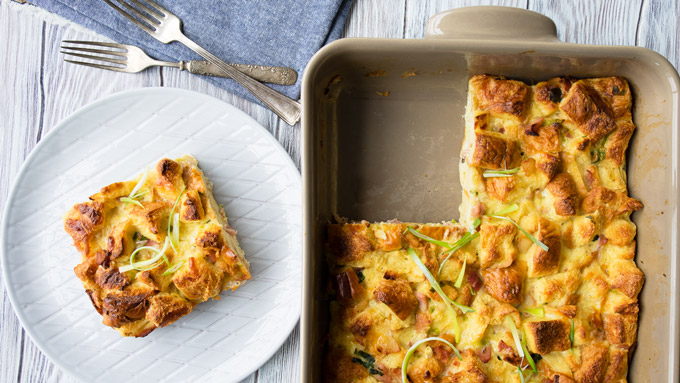
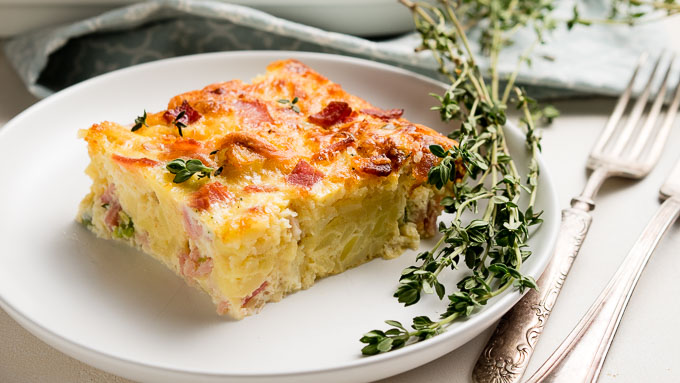
Breakfast casseroles represent the gold standard for holiday hosting because they are designed to be assembled the night before. This category of recipes, which includes options like pumpkin French toast casseroles, sausage and egg bakes, and vegetarian strata, allows the ingredients to meld and the bread to soak up the egg custard, resulting in a superior texture. By the time guests are awake on Thursday morning, the host merely needs to transfer the dish from the refrigerator to the preheated oven.

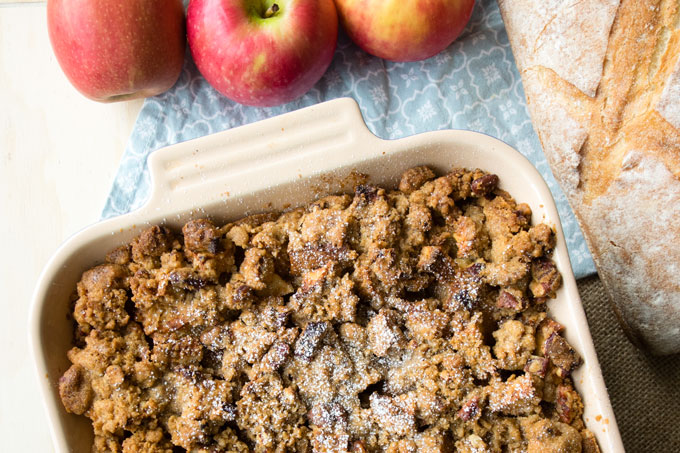
For instance, a classic sausage and egg casserole provides a substantial protein-to-carb ratio, which is beneficial for maintaining satiety. Meanwhile, fruit-based casseroles, such as apple-cinnamon French toast bakes, offer a festive, sweet alternative that utilizes autumn harvest produce. These dishes are particularly effective for feeding large groups, as they are easily scalable based on the number of attendees.
Skillet-Based Brunch for Immediate Fuel
For those who prefer a hot, savory start, skillet recipes offer a more interactive cooking experience. A bacon and sweet potato hash, for example, provides a sophisticated flavor profile that bridges the gap between traditional breakfast and the savory notes of the Thanksgiving dinner. Sweet potatoes are a staple of the holiday, and incorporating them into a hash with caramelized onions and herbs offers a nutritious, vitamin-rich start. These meals can be prepared in a single cast-iron skillet, minimizing post-breakfast cleanup—a critical consideration when the kitchen is about to be filled with roasting pans and prep bowls.
Baked Goods and Portable Options
For families with children or those involved in the "Turkey Trot" tradition, grab-and-go options are essential. Blueberry cornbread muffins, pumpkin spice donuts, and cinnamon pull-apart breads serve as excellent alternatives to heavy, sit-down meals. These items can be baked on the Wednesday before the holiday, allowing the kitchen to remain clear on the morning of the event. Beyond the convenience factor, these baked goods offer a sensory benefit; the scent of cinnamon and nutmeg filling the home creates an immediate, welcoming atmosphere for guests arriving throughout the morning.
Beverage Pairings and Festive Beverages
A well-rounded Thanksgiving breakfast is incomplete without appropriate refreshments. While coffee remains the default for many, elevating the beverage menu with seasonal flavors can enhance the holiday experience. Maple-pecan lattes and hot pumpkin spice drinks are popular choices that mirror the flavors of the main event. For adults, brunch-specific cocktails—such as a hibiscus lemon gin cocktail or a cranberry-infused gin and tonic—can provide a festive, celebratory tone to the morning. These drinks are often lower in alcohol content than evening libations, making them suitable for earlier hours.

Nutritional Considerations and Dietary Inclusivity
Modern Thanksgiving hosting requires an awareness of dietary restrictions. The rise in gluten-free and vegan diets means that hosts should be prepared to offer inclusive options. Fortunately, many traditional Thanksgiving breakfast components are naturally adaptable. For example, replacing wheat-based bread with gluten-free alternatives in casseroles or utilizing coconut yogurt in place of dairy can ensure all guests are accommodated without requiring the preparation of multiple separate meals.
Recent trends also show a move toward "protein-forward" breakfast options. By incorporating ingredients like eggs, lean turkey sausage, or Greek yogurt, hosts can ensure that the meal is not just a collection of sugar and refined carbohydrates. A pumpkin Greek yogurt bowl, for instance, provides a high-protein start that helps regulate energy levels, preventing the mid-afternoon "sugar crash" that often occurs before dinner is served.
The Broader Impact of the Morning Gathering
Beyond the caloric and nutritional aspects, the Thanksgiving breakfast serves a social function. In many families, this is the only time of the year when the entire extended family is gathered in one space without the pressure of the formal dinner. This informal setting encourages conversation, the sharing of family stories, and the establishment of new traditions.
From an economic perspective, the trend of hosting a substantial breakfast is driving a shift in retail behavior. Grocery stores and specialty food markets report significant increases in the sale of breakfast-specific ingredients—such as specialty flour, seasonal spices, and breakfast meats—in the days leading up to Thanksgiving. This reflects a broader culinary trend where the holiday is no longer confined to the four-hour dinner window but is instead celebrated as a full-day culinary event.

Conclusion: Planning for Success
The key to a successful Thanksgiving breakfast lies in preparation and simplicity. Whether you choose a crowd-pleasing overnight casserole, a vibrant skillet hash, or a collection of festive baked goods, the focus should remain on reducing the host’s burden. By selecting recipes that emphasize seasonal ingredients and can be prepped in advance, you can ensure that the Thanksgiving morning is as memorable and enjoyable as the dinner itself. As the holiday season approaches, consider these 50+ options not merely as recipes, but as tools to cultivate a more relaxed, communal, and nourishing start to one of the most significant days on the American calendar. By shifting the focus from a single evening meal to a day-long celebration, families can create a more inclusive and less stressful holiday experience, ensuring that every member of the family begins the day satisfied and ready to celebrate.
