
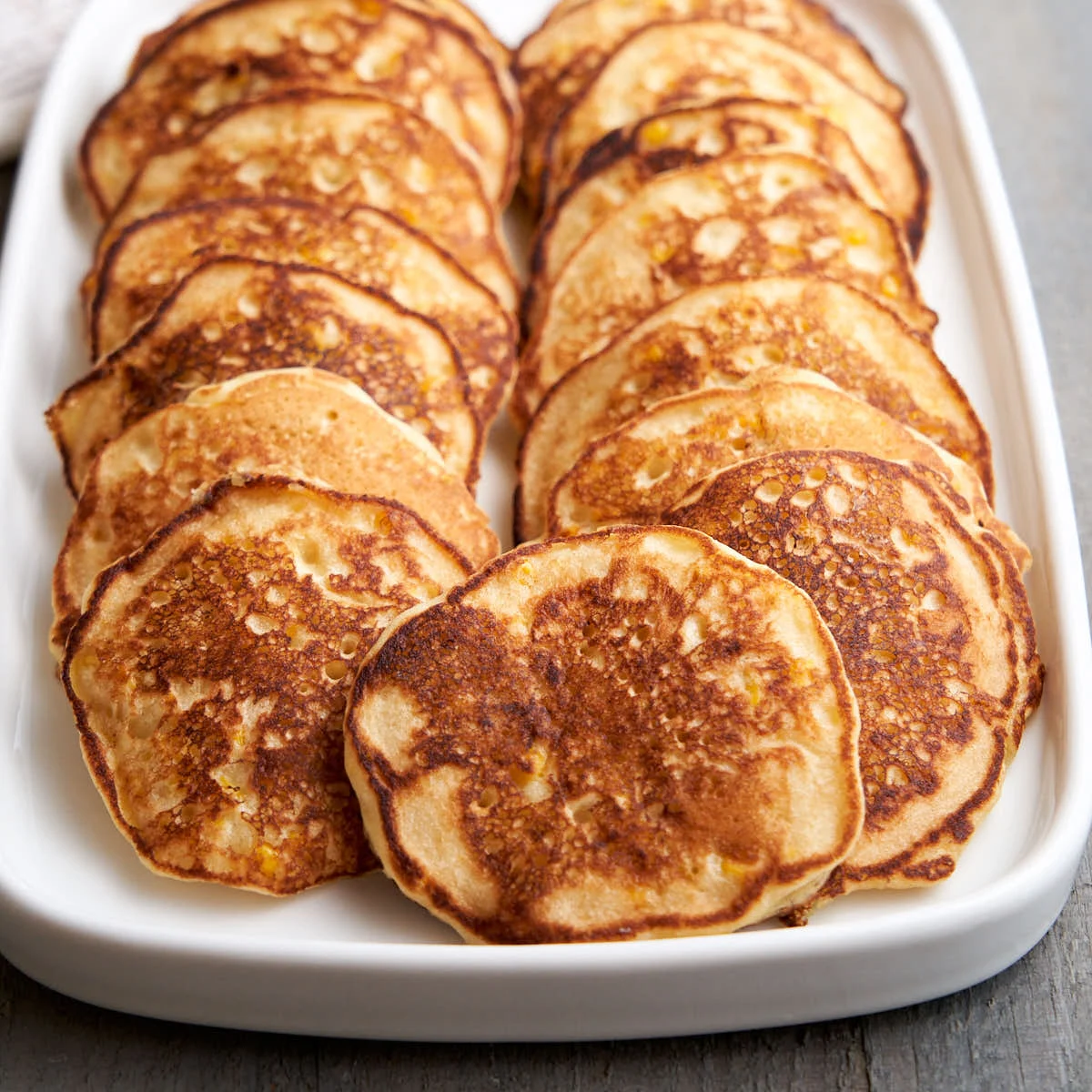
The transformation of corn from a humble agricultural commodity into a refined culinary component has seen various iterations throughout American food history, with the recent rise in popularity of corn-based pancakes serving as a testament to the versatility of this grain. These pancakes, which distinguish themselves from traditional flour-based griddle cakes through the inclusion of canned cream-style sweet corn, offer a unique textural profile characterized by a custard-like interior and a subtle, naturally sweet flavor profile. This culinary development marks a departure from standard buttermilk pancake recipes, aligning more closely with the traditions of corn pudding—a dish with deep roots in Southern and Midwestern American regional cuisines.
The Integration of Canned Creamed Corn in Modern Breakfast Menus
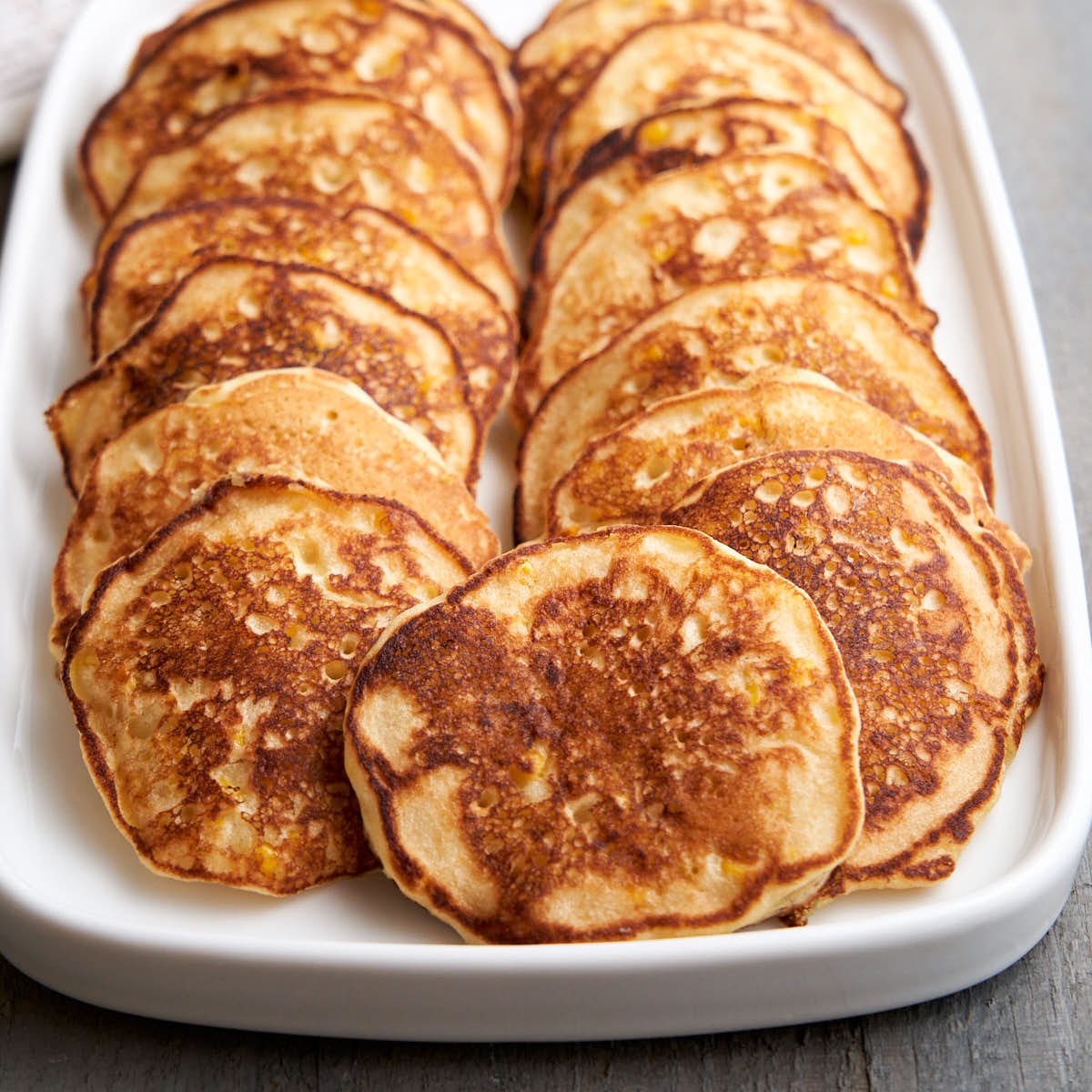
The utilization of canned cream-style corn in pancake batter is a deliberate culinary strategy designed to alter the moisture content and structural integrity of the final product. Unlike whole-kernel corn, which provides intermittent texture, cream-style corn acts as a binding agent that introduces a semi-liquid starch component to the batter. This interaction results in a denser, softer crumb that retains heat significantly longer than traditional light-flour pancakes.
Food scientists and home economists note that the inclusion of creamed corn contributes to a higher glycemic index profile compared to standard pancakes due to the increased sugar content inherent in processed sweet corn. Furthermore, the high moisture content of the canned product requires precise calibration of the flour-to-liquid ratio. If the batter is not properly balanced, the pancake risks becoming gummy; however, when executed with the correct dry-to-wet ingredient ratios, the result is a sophisticated breakfast item that occupies a niche between savory side dish and sweet morning meal.
Historical Context of Corn in American Breakfast Traditions
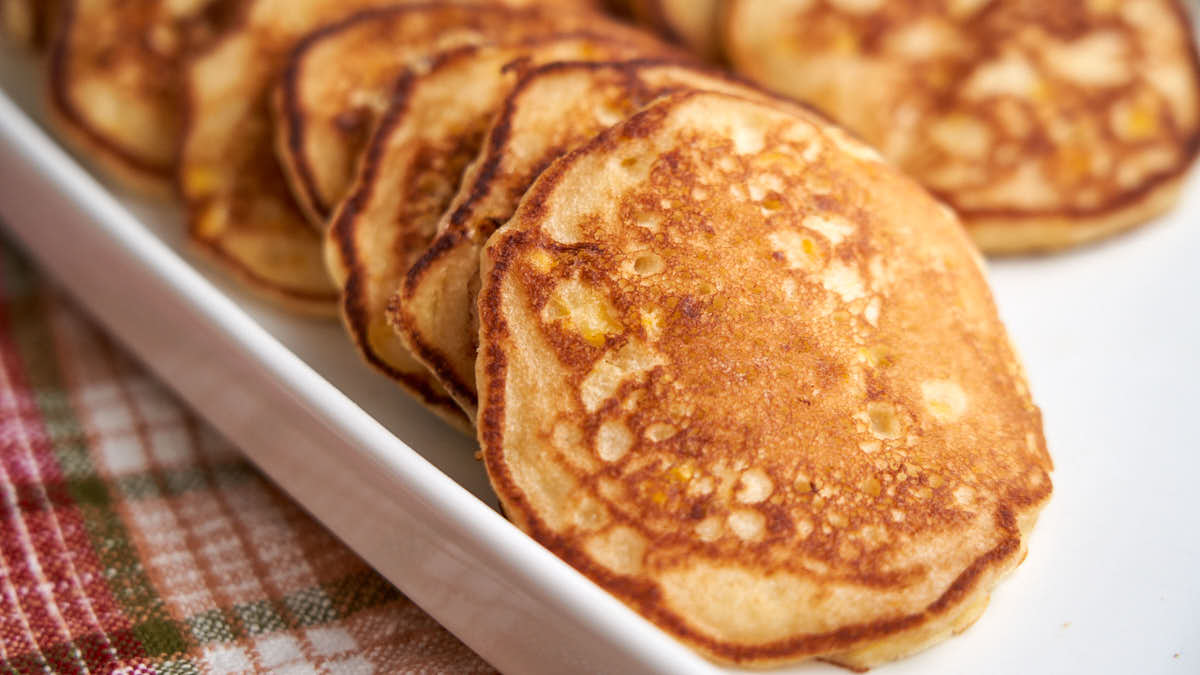
Corn, or maize, has been a cornerstone of the American diet since pre-colonial times. Indigenous agricultural practices established the foundation for corn-based staples, including hominy, grits, and cornbread. As the canning industry expanded during the mid-20th century, the availability of processed corn products—specifically cream-style corn—allowed for greater innovation in home cooking.
During the post-World War II era, the proliferation of "convenience cooking" led to a surge in recipes that incorporated pantry staples into breakfast menus. The adaptation of corn pudding—historically a baked, casserole-style side dish—into a pan-fried format represents a mid-century shift toward accelerating traditional cooking processes. The modern iteration of the corn pancake serves as a contemporary nod to this era, blending historical flavor profiles with the efficiency demanded by current breakfast and brunch culture.
Methodological Approaches to Preparation
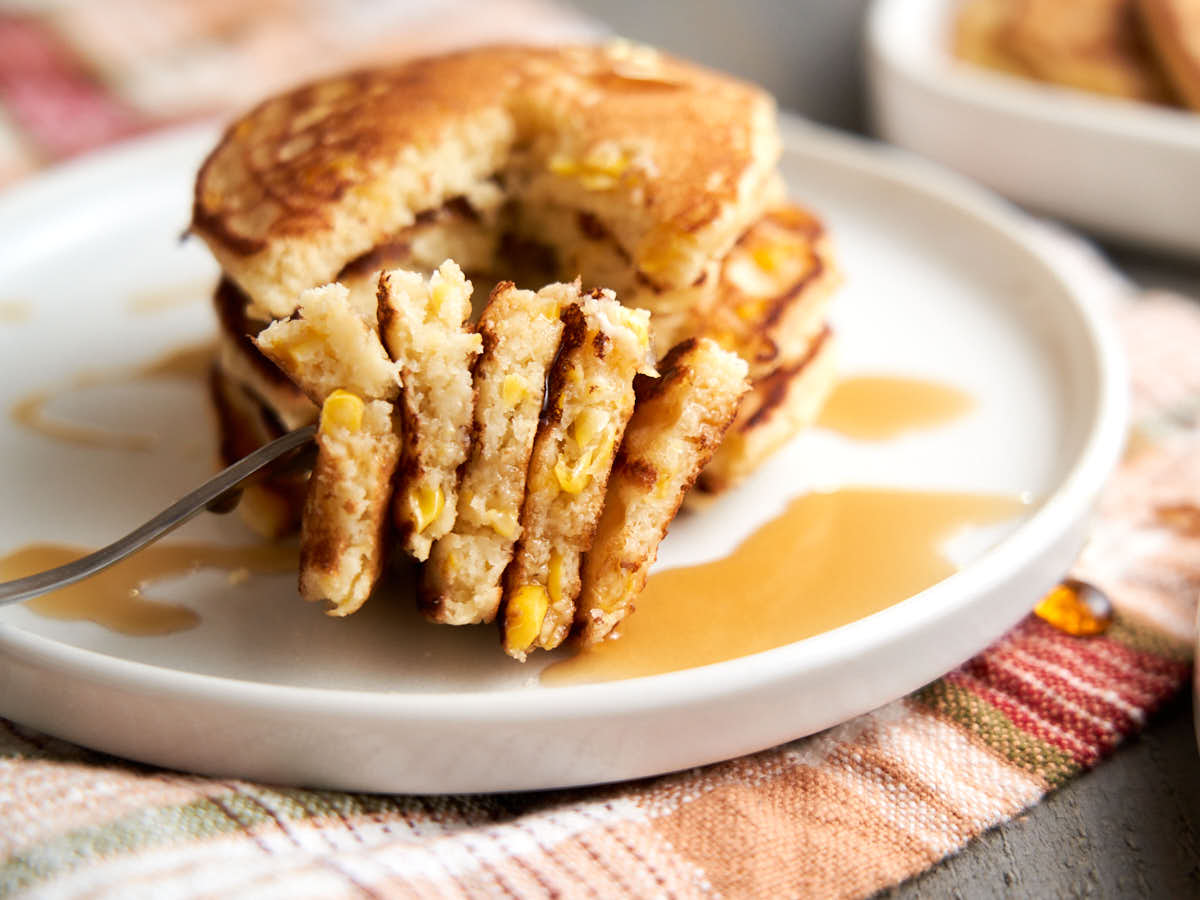
Achieving the ideal corn pancake requires a systematic approach to mixing and heat management. Culinary professionals generally advocate for a two-bowl preparation method to ensure the leavening agents—typically baking powder—are evenly distributed before the wet ingredients are introduced. The process typically follows a specific sequence:
- Dry Ingredient Preparation: Sifting flour, sugar, salt, and leavening agents to prevent clumping and ensure consistent rise.
- Wet Ingredient Emulsification: Combining eggs, milk, and the canned creamed corn to create a uniform base.
- Integration: Gently folding the dry ingredients into the wet base to avoid overworking the gluten, which would result in a tough, rubbery texture.
- Thermal Application: Utilizing a griddle or cast-iron skillet maintained at a consistent medium heat to achieve the Maillard reaction necessary for a golden-brown exterior.
The choice of cooking medium is also significant. While vegetable oils are common, the use of clarified butter or high-quality unsalted butter is preferred by culinary purists. The fat content in butter contributes to a richer flavor and helps develop a "lacy" edge, a desirable aesthetic characteristic created by the interaction of the milk solids in the butter with the hot surface of the pan.
Technical Challenges and Troubleshooting
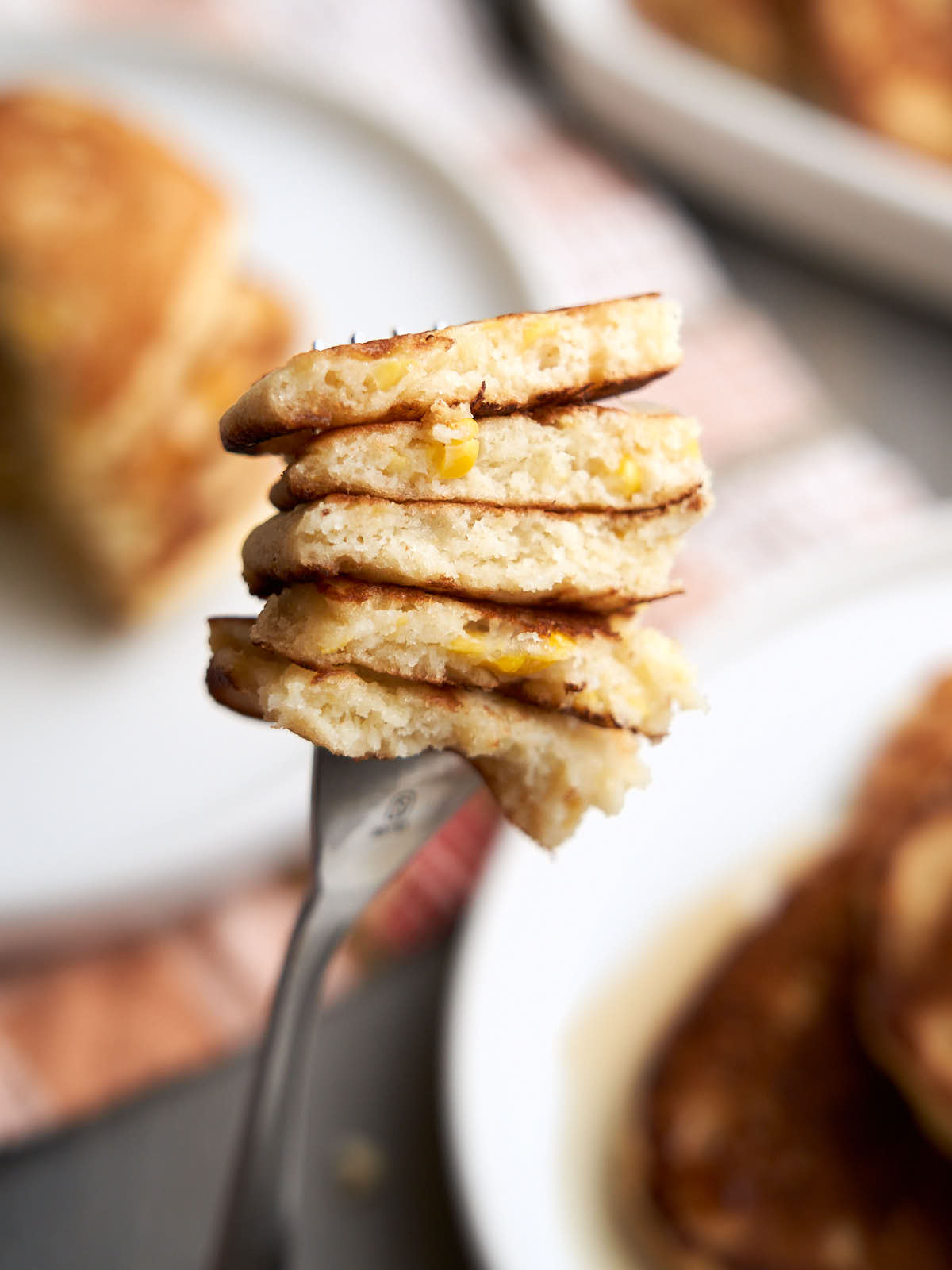
Culinary enthusiasts and home chefs often face challenges when scaling this recipe for large groups or varying heat sources. The most common complication is the internal temperature of the pancake remaining undercooked while the exterior reaches the desired browning stage. This is a direct result of the high sugar and starch content of the creamed corn, which caramelizes rapidly.
Experts suggest the following technical adjustments:
- Heat Modulation: If using a cast-iron skillet, which retains heat more aggressively than aluminum, the temperature should be lowered to medium-low to allow for even heat penetration to the center of the pancake.
- Visual Cues: The standard indicator for flipping—the appearance of bubbles on the surface—remains applicable; however, the edges of a corn pancake will appear "drier" and more matte than a standard buttermilk pancake when it is ready to be flipped.
- Resting Time: Allowing the batter to rest for 10 to 15 minutes before cooking allows the starches in the corn to hydrate, resulting in a more stable structure that is easier to flip without tearing.
Economic and Nutritional Implications
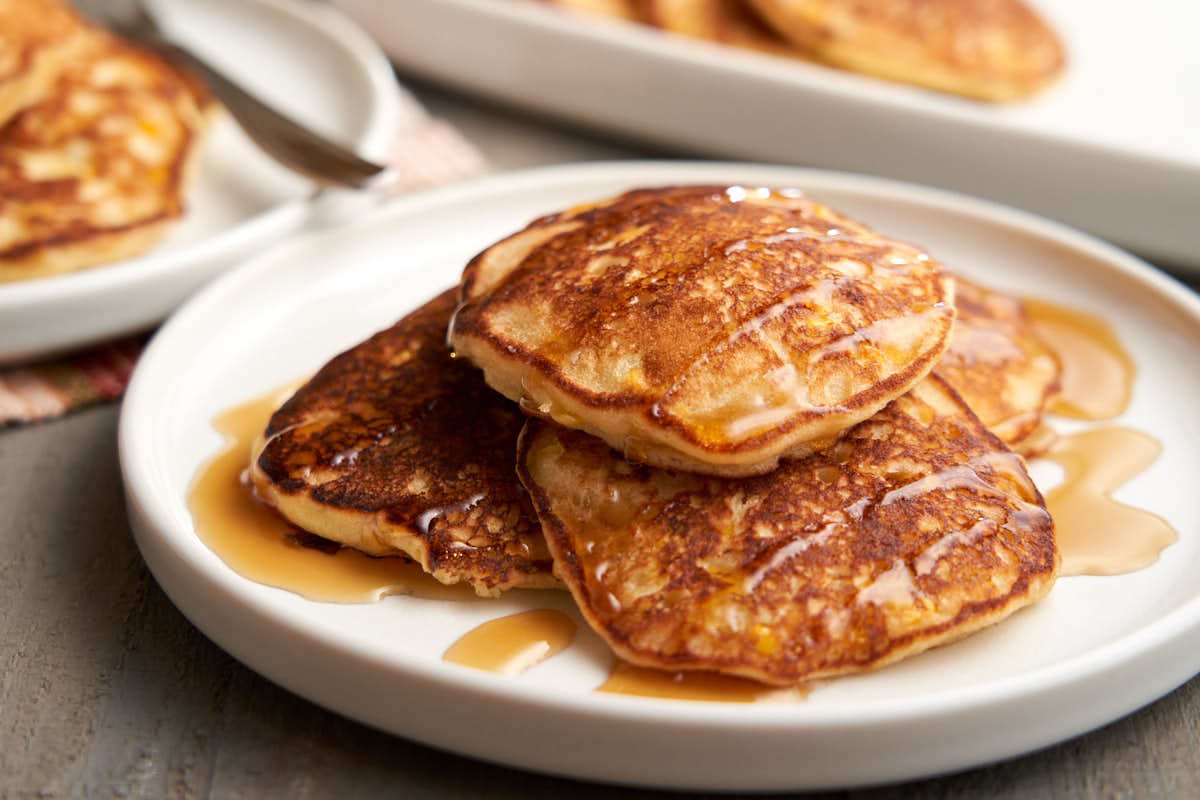
From an economic standpoint, the reliance on canned corn as a primary ingredient makes this a cost-effective breakfast option. Canned corn is shelf-stable, inexpensive, and available year-round, making it a reliable component for households looking to maximize pantry utility.
Nutritionally, while these pancakes are not traditionally categorized as health food, they do offer a higher fiber content than refined flour pancakes. A standard serving contains approximately 68 to 100 calories per unit, depending on the size and the amount of added sugar in the chosen brand of canned corn. For those seeking a more balanced nutritional profile, chefs often recommend incorporating whole wheat flour or substituting a portion of the milk with Greek yogurt to increase protein content.
Broader Culinary Impact and Future Trends

The popularity of corn pancakes reflects a broader movement toward "elevated comfort food." By taking a traditional pantry staple and applying modern culinary techniques, food enthusiasts are finding ways to revitalize classic dishes. This trend is further supported by the increasing interest in regional American cuisines, where corn remains a defining element of identity.
Industry analysts observe that such recipes are frequently featured in "brunch-core" content on digital platforms, where the visual appeal of the golden-brown crust and the unique texture are emphasized. As food culture continues to move toward ingredients that offer both comfort and accessibility, the corn pancake is likely to remain a staple in both home kitchens and boutique brunch establishments.
Conclusion: A Legacy of Flavor
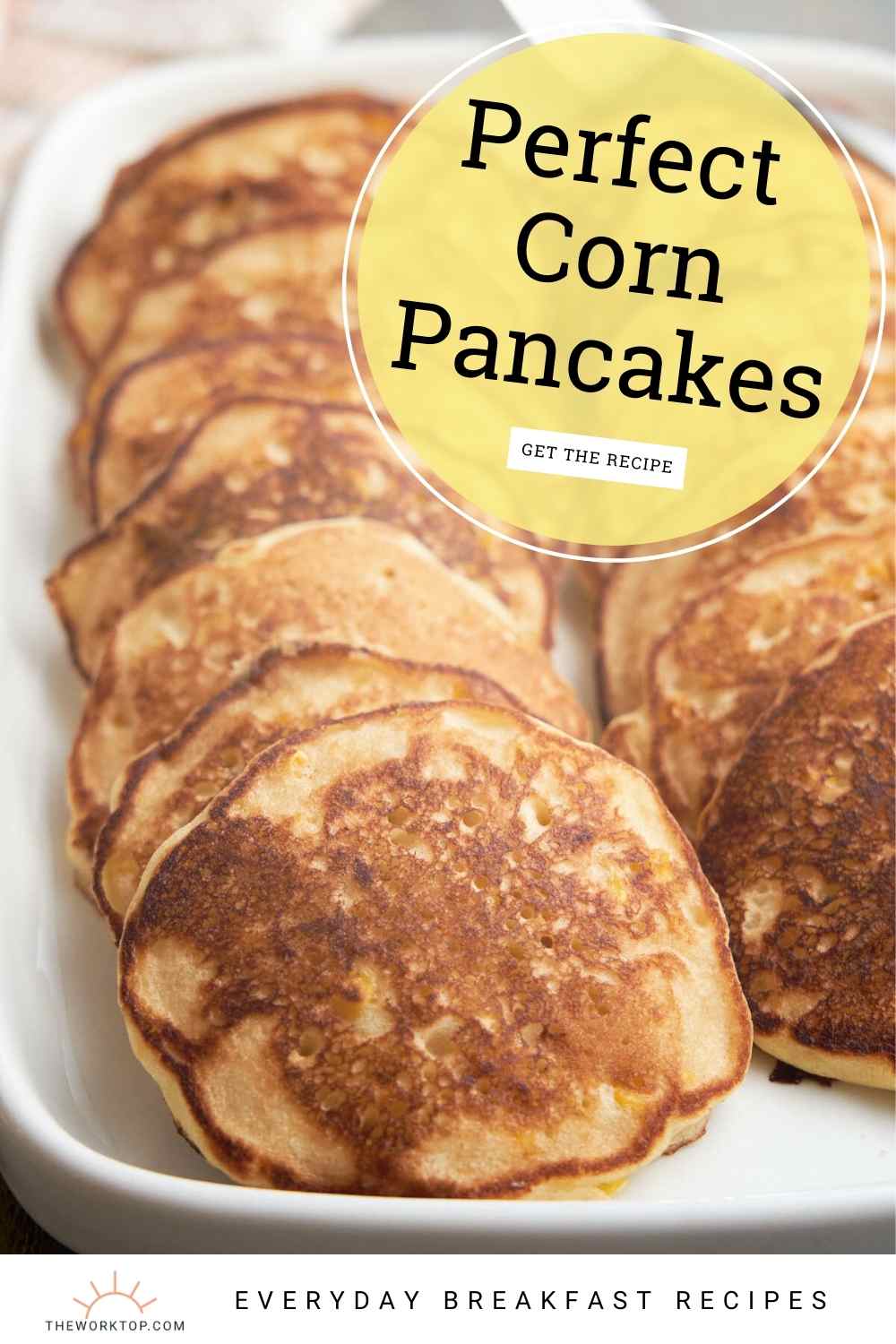
The endurance of the corn pancake in the American culinary landscape is not merely a result of convenience, but a reflection of the ingredient’s versatility. By bridging the gap between the savory depth of corn pudding and the lightness of a breakfast pancake, this dish offers a unique sensory experience. Whether served as a standalone breakfast with a simple garnish of maple syrup or integrated into a larger, savory brunch menu, the corn pancake stands as a testament to the enduring influence of corn in American gastronomy. As home cooking continues to evolve, the ability to transform basic pantry items into sophisticated, textured, and flavorful meals remains a vital skill, ensuring that recipes like these remain relevant for generations to come.
