
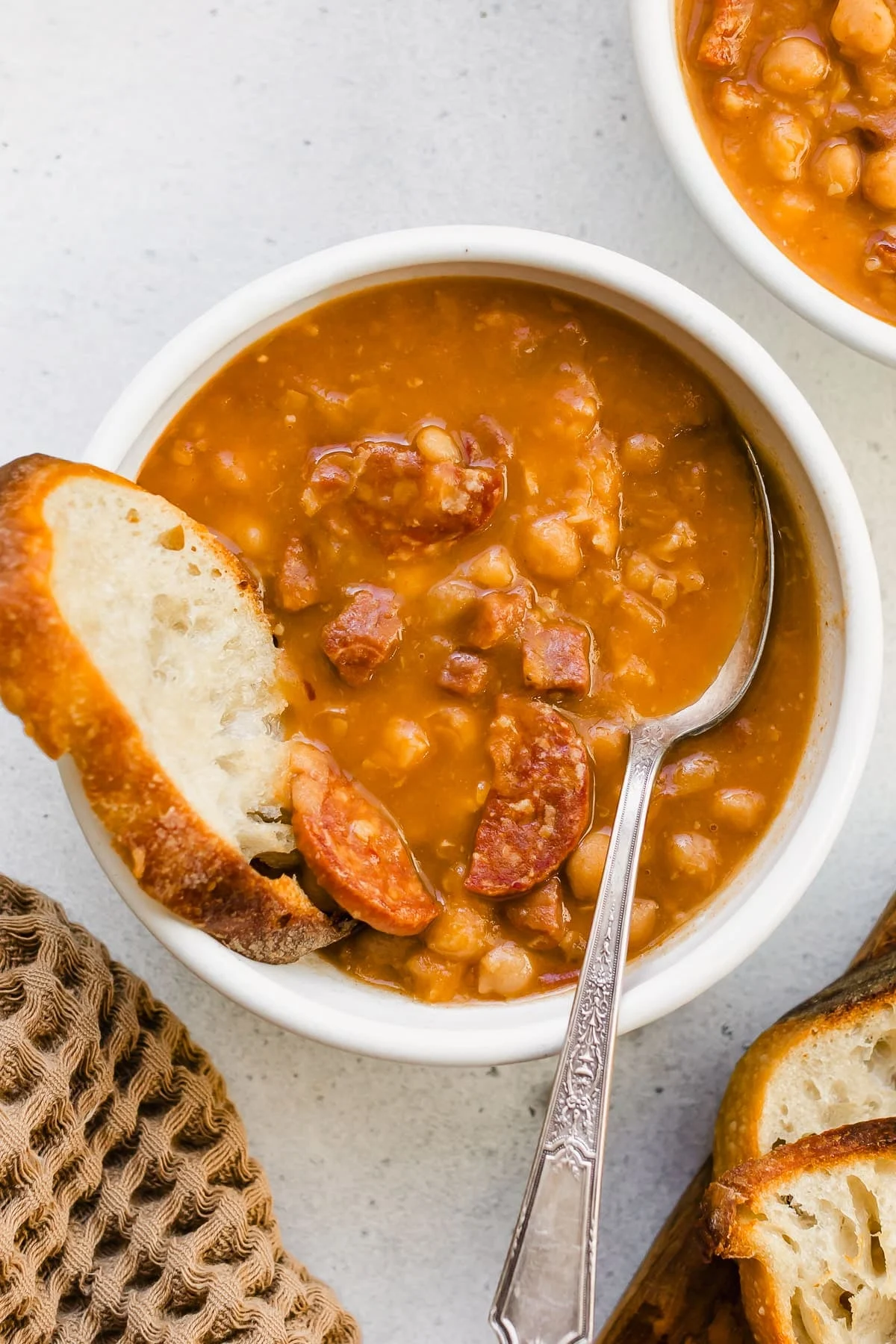
The Evolution of the Traditional Garbanzo Stew
The dish, historically known as "Potaje de Garbanzos," traces its origins to the Iberian Peninsula, where it served as a foundational meal for rural populations. Traditionally, the stew relies on long, slow simmering to soften dried legumes and extract flavor from cured meats such as chorizo and ham. While these methods are celebrated for their depth, the time-intensive nature of the process—often requiring overnight soaking and hours of stove-top vigilance—has historically limited its frequency in modern, time-constrained households.
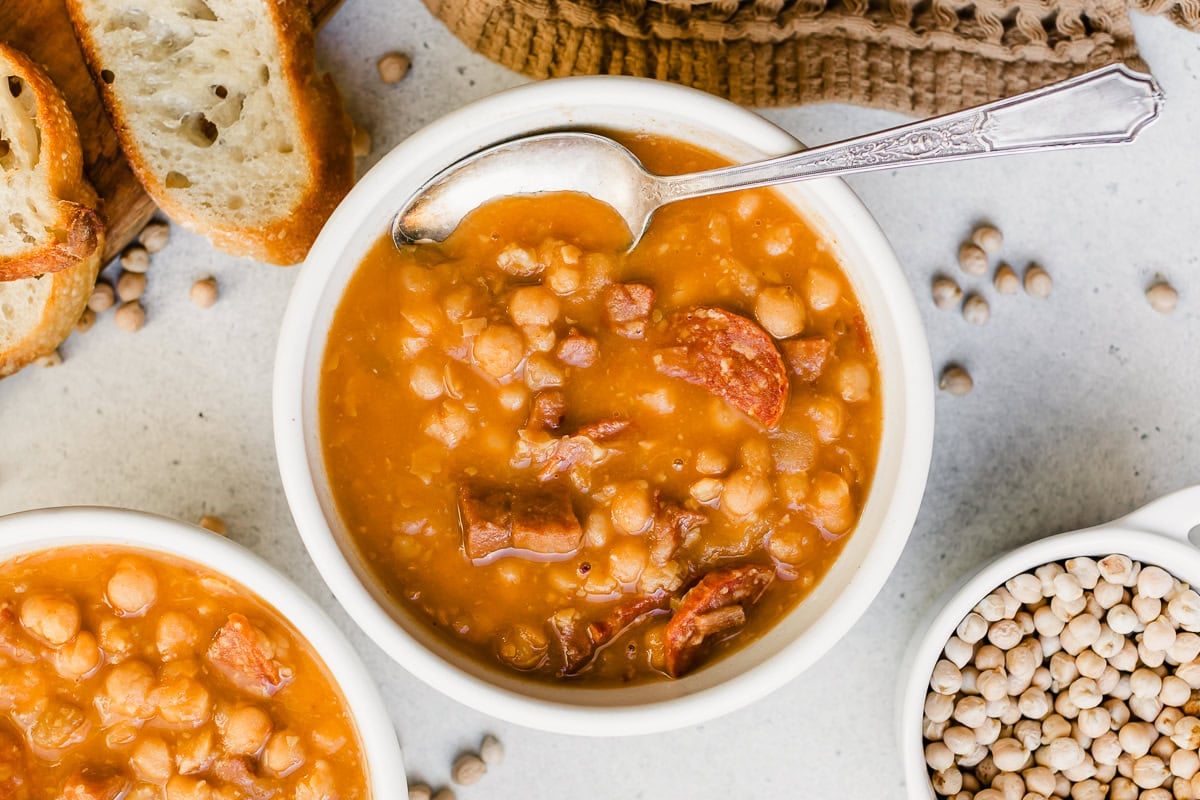
The adaptation of this recipe for the Instant Pot represents a significant intersection of traditional Mediterranean gastronomy and modern convenience. By utilizing high-pressure cooking, the recipe achieves in under an hour what traditionally takes upwards of three to four hours. This shift allows the fibers of the chickpeas to soften sufficiently while maintaining their structural integrity, a balance that is often difficult to achieve in conventional stovetop pots without the risk of overcooking.
Nutritional Profile and Dietary Implications
From a nutritional perspective, the Spanish Garbanzo Bean Stew is classified as a nutrient-dense, high-fiber meal. Clinical data suggests that legumes, particularly garbanzo beans (chickpeas), are among the most effective plant-based sources of dietary fiber. Each serving of this stew provides approximately 17 grams of fiber, which meets a substantial portion of the recommended daily intake for an average adult.
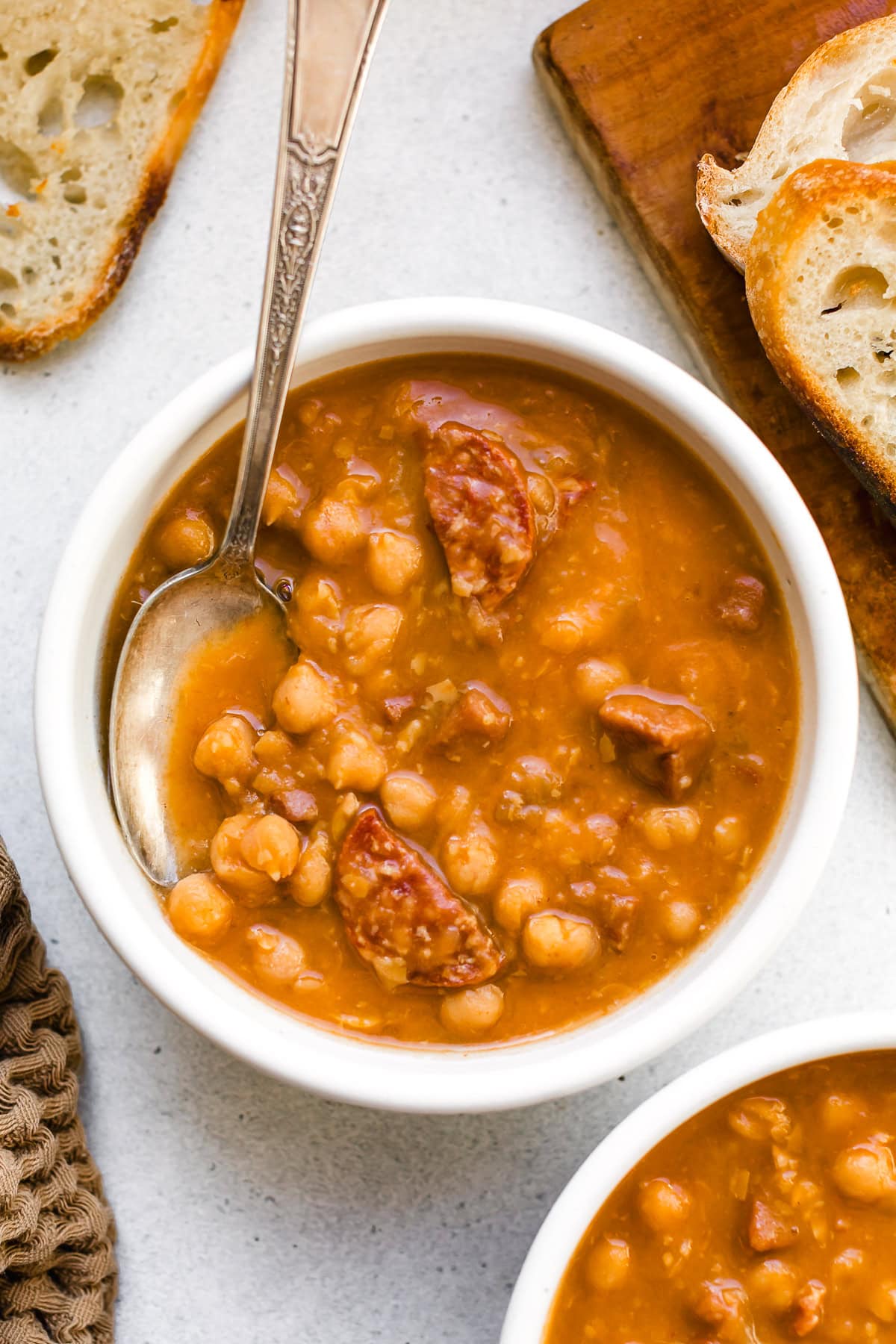
Fiber is recognized by the medical community as an essential component for digestive health, blood sugar regulation, and cholesterol management. Furthermore, the inclusion of protein-rich legumes, combined with the lean portions of ham and protein found in the chorizo, creates a satiating meal that balances macronutrients effectively. The caloric density, measuring at approximately 403 kilocalories per 1.5-cup serving, positions this dish as a balanced main course suitable for individuals monitoring their caloric intake while seeking to maintain high levels of satiety.
Methodology and Technical Execution
The preparation of the stew involves a multi-stage process that emphasizes the importance of moisture content and pressure regulation.

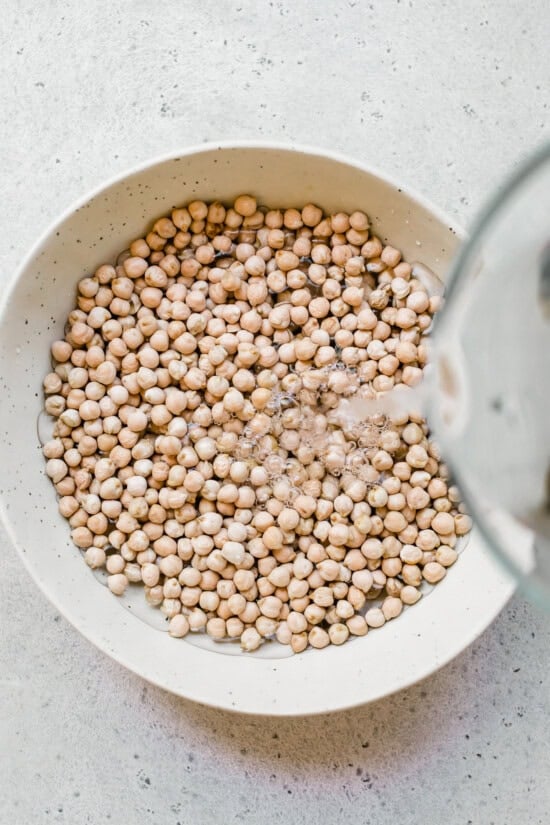
- Hydration Phase: Despite the efficiency of the Instant Pot, the rehydration of dried chickpeas remains a critical step. A minimum eight-hour soak is recommended to ensure even cooking. Proper hydration prevents the beans from splitting under pressure and ensures a uniform texture throughout the batch.
- Pressure Dynamics: The use of high-pressure settings for approximately 30 minutes acts to force liquid into the center of the legumes. This is a departure from conventional boiling, where evaporation requires the constant addition of water and leads to inconsistent temperature gradients.
- Thickening Techniques: A signature of the dish is its rich, velvety consistency. The recipe employs a mechanical thickening method, where a portion of the potatoes or beans is mashed after cooking. This releases starches into the broth, creating a natural emulsion without the need for flour-based roux or heavy dairy additives.
Comparative Analysis: Instant Pot vs. Traditional Methods
The transition from stovetop to pressure cooking has implications for the chemical development of the stew. In a Dutch oven or heavy-bottomed pot, the liquid is subject to constant evaporation, which intensifies the smoky flavors from the chorizo and ham hock. However, this also carries the risk of the liquid reducing too quickly, potentially scorching the legumes.
The sealed environment of the Instant Pot prevents moisture loss, resulting in a more consistent flavor profile where the aromatic compounds from the garlic, onions, and cured meats are trapped within the vessel. For culinary purists who prefer the stovetop method, the recipe remains adaptable. The traditional simmering method requires roughly 90 minutes of active cook time, compared to the 45-minute active window provided by the pressure cooker. Both methods, however, yield a similar nutritional result, provided the cooking time is monitored to maintain the integrity of the chickpeas.

Economic and Sustainability Considerations
The reliance on dried pulses like garbanzo beans is increasingly viewed as a sustainable and economically efficient dietary choice. Compared to animal-based proteins, dried legumes have a significantly lower carbon footprint and require substantially less water for production. As global food prices fluctuate, dried legumes remain one of the most stable and affordable sources of plant-based protein, making recipes that center on these ingredients particularly relevant for households focused on budget-conscious, healthy meal planning.
Furthermore, the "batch cooking" capability of this stew addresses common challenges in meal prep. The dish is known to improve in flavor over 24 to 48 hours as the starches continue to thicken and the spices permeate the chickpeas. This longevity makes it a highly viable option for professionals and families looking to reduce food waste and minimize the frequency of cooking throughout the work week.
Broader Impact on Home Cooking Trends
The popularity of recipes like the Spanish Garbanzo Stew highlights a broader trend in the culinary world: the democratization of complex, heritage-based recipes. By providing simplified paths to traditional dishes, home cooks are empowered to explore global flavors that were previously relegated to restaurant settings or weekend-only projects.
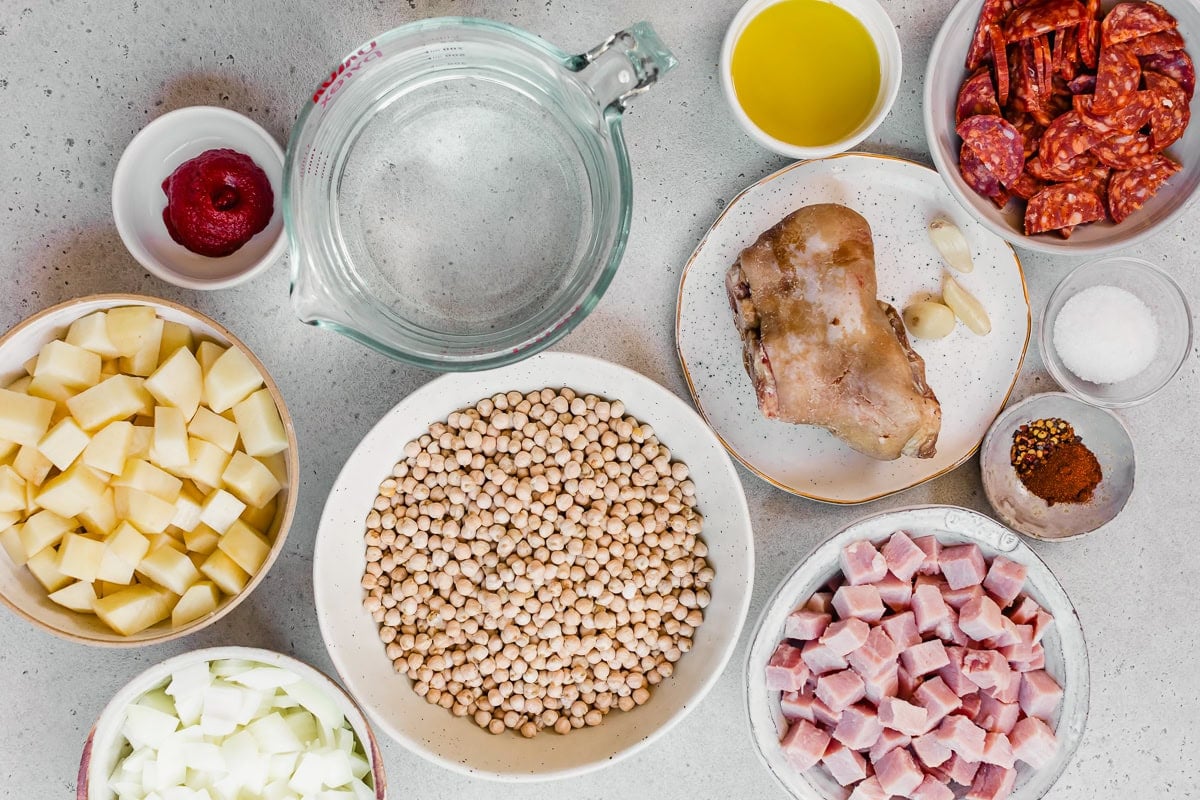
The inclusion of specific notes—such as the recommendation to use a ham hock specifically for its smoky profile and the option to shred the meat after the initial pressure cycle—demonstrates a pedagogical approach to cooking. By encouraging users to adapt the recipe to their specific equipment, whether it be an Instant Pot or a classic Dutch oven, the recipe bridges the gap between historical preparation and modern lifestyle requirements.
Conclusion and Future Outlook
As the domestic food landscape continues to evolve, the integration of high-fiber, legume-centric meals like the Spanish Garbanzo Stew provides a template for healthy, sustainable, and efficient eating. By balancing the nutritional necessity of high fiber intake with the culinary desire for savory, comfort-oriented meals, this dish remains a significant example of how classic, regional cuisines can be successfully adapted for the contemporary kitchen. Whether prepared for immediate consumption or stored for future meals, the stew stands as a testament to the versatility of the humble chickpea and the enduring appeal of one-pot cooking.
