
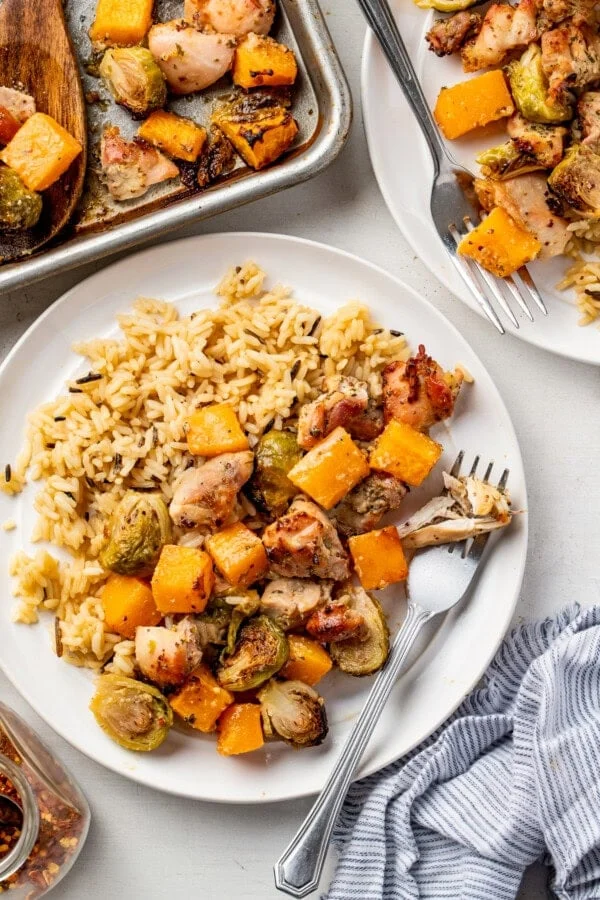
The Rise of Sheet Pan Gastronomy
The culinary industry has observed a significant shift toward simplified cooking techniques over the last decade. Market data suggests that home cooks are increasingly prioritizing recipes that minimize cleanup time and equipment usage. The "sheet pan" method, which relies on a single high-heat surface to cook proteins and vegetables simultaneously, has emerged as a preferred technique for busy professionals and families. This trend is supported by a broader move toward "functional nutrition," where meals are designed to provide specific macros—typically high protein and high fiber—within a single serving.
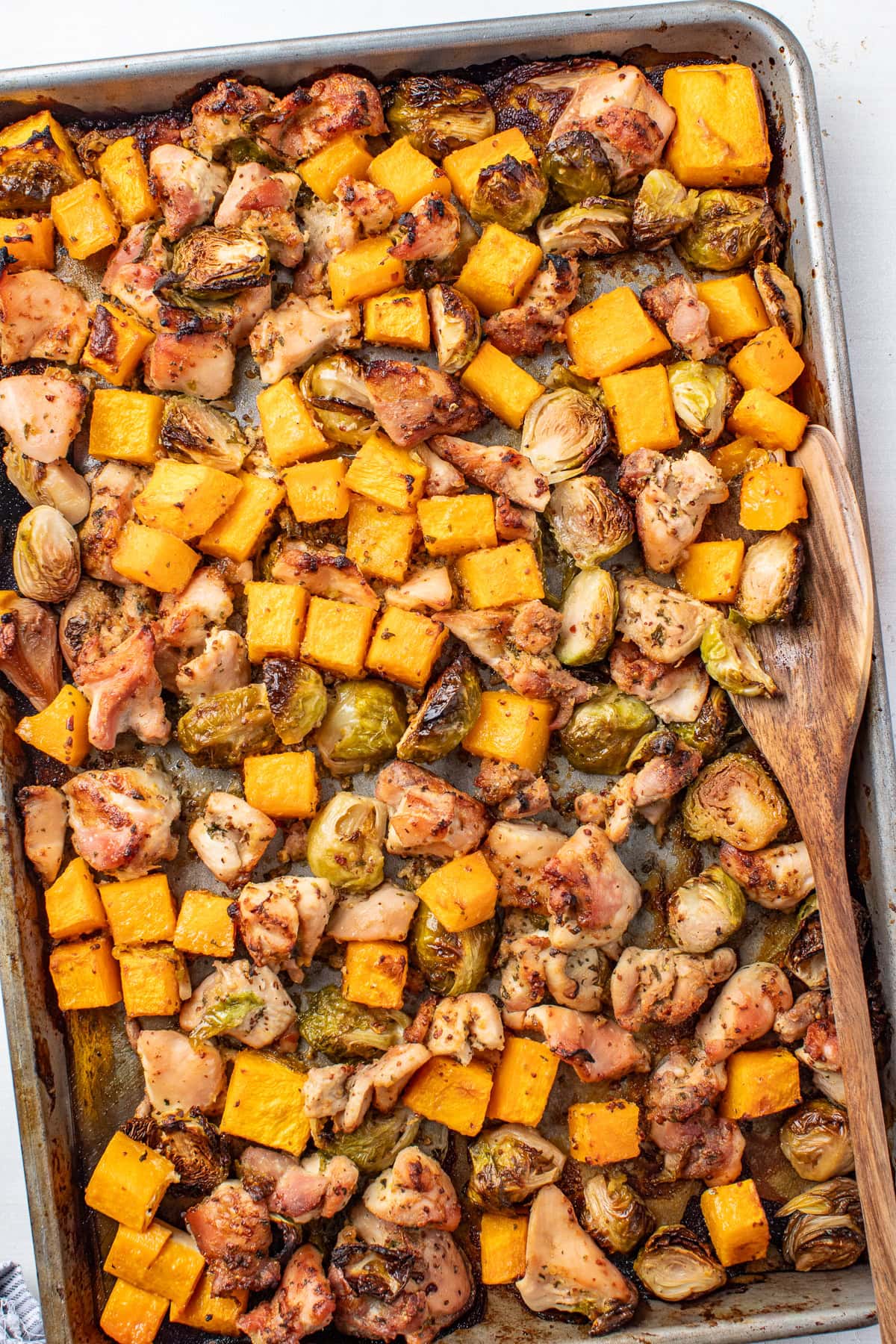
Historically, complex preparation methods were the standard, but the post-pandemic era accelerated a transition toward "minimalist cooking." This shift has been analyzed by food researchers as a response to both economic pressures and time-management challenges. By consolidating a meal onto one tray, the process reduces energy consumption, dishwashing volume, and preparation time, fitting into the "15-minute prep" category that has become the gold standard for weeknight meal planning.
Nutritional Composition and Dietary Impact
From a nutritional perspective, this dish serves as a case study in balanced macronutrient intake. The incorporation of chicken thighs provides a substantial source of lean protein, which is essential for muscle repair and metabolic function. According to nutritional analysis, a standard 1.5-cup serving of this dish contains approximately 37.5 grams of protein and 5 grams of dietary fiber.
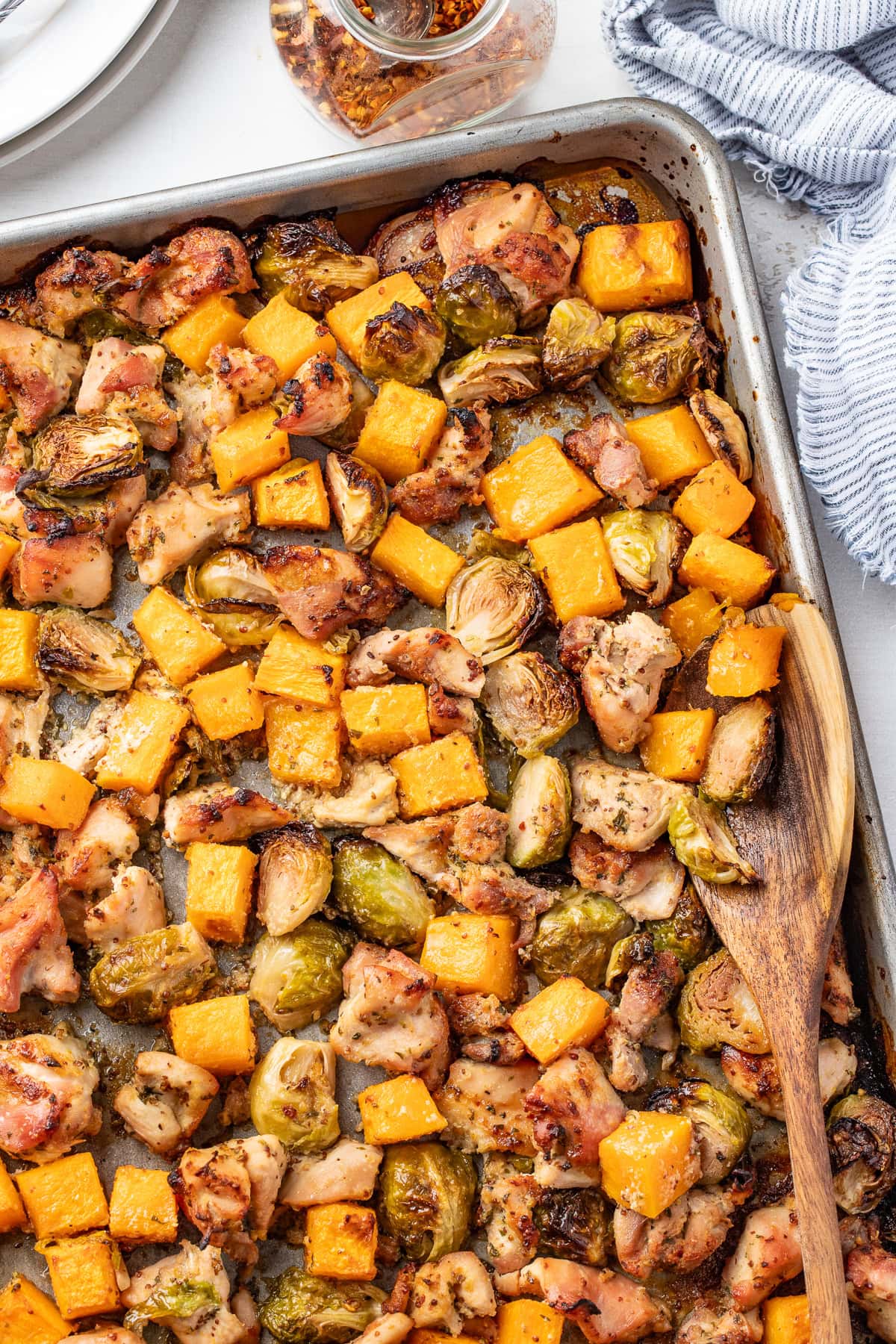
The inclusion of butternut squash and Brussels sprouts provides a significant intake of micronutrients, including Vitamin A, Vitamin C, and potassium. The use of a maple-Dijon emulsion acts as a bridge between the savory nature of the poultry and the earthy sweetness of the fall vegetables. The chemical reaction during the roasting process—the Maillard reaction—is critical here; as the natural sugars in the squash and the maple syrup caramelize, they create complex flavor profiles that do not require excessive amounts of sodium or processed additives. With 361 kilocalories per serving, the dish is categorized as energy-dense enough for a main course while remaining within the limits of many heart-healthy dietary guidelines.
Procedural Efficiency and Culinary Methodology
The technical success of this meal relies on the precise calibration of heat and time. To ensure that both the chicken and the vegetables reach optimal internal temperatures simultaneously, the recipe mandates specific preparation steps.

- Preparation Phase: The chicken is trimmed of excess fat, and the vegetables are cut into uniform pieces. Uniformity is the most important factor in sheet pan cooking; when vegetables vary significantly in size, the smaller pieces tend to char before the larger ones have softened.
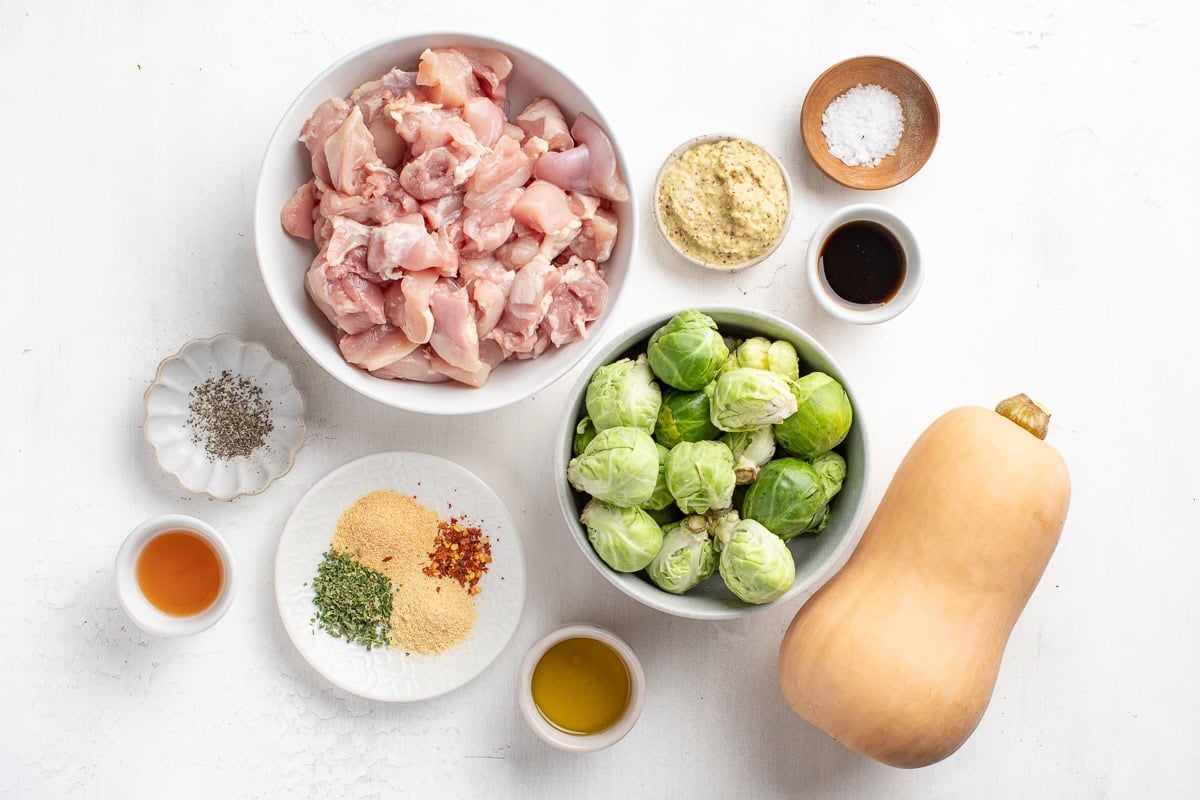
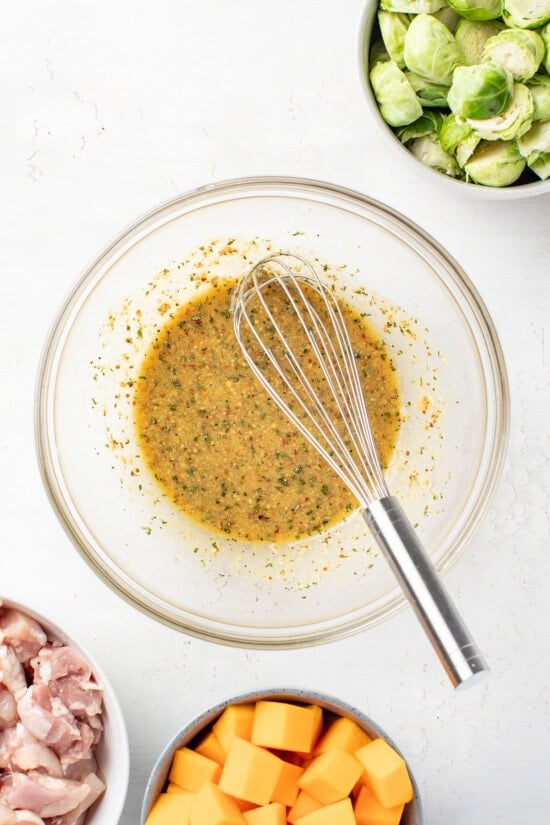
- The Emulsion Process: The maple-Dijon sauce is prepared by whisking high-quality Dijon mustard, pure maple syrup, and olive oil. This mixture functions as both a marinade and a glaze. By coating the ingredients in a large mixing bowl before distribution, the cook ensures that the flavors are evenly distributed.
- The Roasting Cycle: The roasting phase lasts approximately 35 minutes at a high temperature. High-heat roasting is a deliberate choice, as it encourages the caramelization of the sprouts and squash, which provides the necessary textural contrast to the tender chicken thighs.
Industry Implications of One-Pan Cooking
The popularity of recipes like the Maple Dijon Sheet Pan Chicken is indicative of a broader industry trend toward "low-friction" cooking. Kitchen appliance manufacturers have responded to this trend by redesigning oven racks and releasing specialized baking sheets designed for non-stick, high-heat performance. Furthermore, meal-kit delivery services have noted that "one-pan" tagged recipes consistently perform higher in customer satisfaction surveys than multi-step recipes.
Dietitians and nutritionists have largely endorsed this trend, noting that it removes the barrier to entry for home cooking. By simplifying the process, individuals are less likely to rely on ultra-processed takeout, which is often higher in sodium and saturated fats. The ability to control ingredient quality—such as selecting organic produce or sourcing humanely raised chicken—while maintaining a 50-minute total time-to-table ratio represents a significant victory for public health advocates.

Sustainability and Waste Management
Beyond the individual household, the "sheet pan" approach has implications for food waste reduction. By utilizing seasonal vegetables that are typically purchased in bulk, consumers are encouraged to manage their inventory more effectively. Butternut squash, in particular, is a robust ingredient with a long shelf life, and Brussels sprouts are often sold in quantities that, when roasted, shrink to a manageable serving size, reducing the likelihood of spoilage.
Furthermore, the environmental impact of one-pan cooking is measurable. By reducing the number of pots and pans, the home cook utilizes less water and fewer cleaning chemicals. Additionally, by utilizing a single oven rack, the energy efficiency of the oven is maximized compared to using multiple burners on a stovetop, which is a common requirement for traditional sautéing or boiling methods.
Future Outlook
As we look toward the future of home meal preparation, it is expected that the demand for efficient, high-nutrient, and low-waste recipes will continue to grow. Culinary experts predict that the next iteration of these dishes will focus on "cross-cultural flavor profiles," applying the sheet-pan technique to global cuisines, such as Mediterranean, Southeast Asian, and Latin American, to maintain variety within the same fundamental cooking structure.
The Maple Dijon Sheet Pan Chicken serves as a quintessential example of this evolution. It respects the intelligence of the modern consumer—who values health, time, and sustainability—while delivering a high-quality, chef-inspired dining experience within the confines of a standard domestic kitchen. As more households adopt these streamlined practices, the culinary landscape is likely to see a continued decline in the reliance on complex, multi-stage cooking in favor of intelligent, efficient, and science-backed methods that maximize flavor and nutrition while minimizing the burden of the kitchen routine.
Ultimately, the success of this dish lies in its simplicity. By understanding the fundamental properties of heat, ingredient composition, and the chemistry of flavor, home cooks can achieve results that once required professional training. Whether for a busy weeknight or an intentional meal-prep session for the week ahead, the integration of these techniques is a testament to the fact that nutritional excellence and culinary ease are not mutually exclusive, but rather complementary goals in the modern kitchen.
