
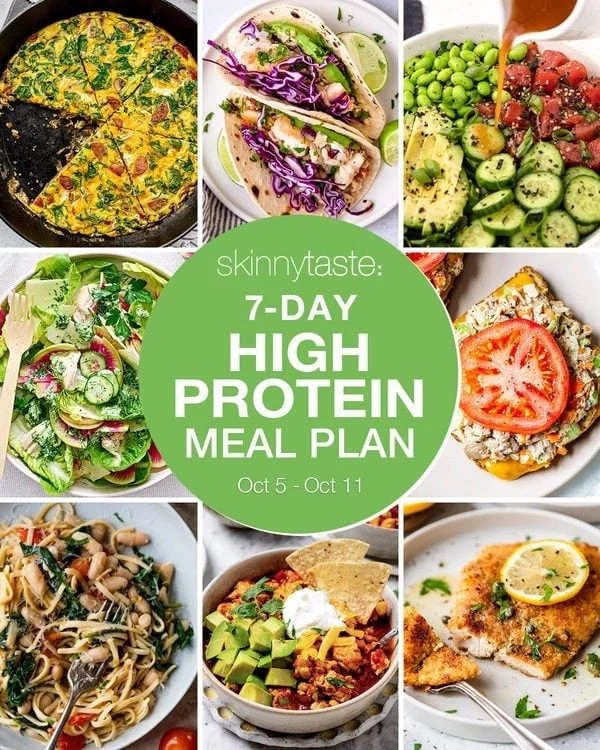
As the autumn season settles in, shifting consumer dietary habits are aligning with the seasonal availability of nutrient-dense produce. In response to the growing public interest in muscle preservation and metabolic health, nutrition experts are increasingly emphasizing the importance of high-protein dietary structures. This comprehensive seven-day meal plan serves as a practical framework for individuals seeking to achieve consistent daily protein intake while incorporating fresh, seasonal ingredients such as squash, apples, and root vegetables.
The Science of Protein Intake and Metabolic Health
The physiological necessity of protein extends far beyond basic muscle repair. Protein, comprised of amino acids, is the fundamental building block for enzymes, hormones, and structural tissues. According to research published in journals such as The American Journal of Clinical Nutrition, adequate protein consumption is vital for satiety and the maintenance of lean body mass, particularly during weight management phases.
The strategy of distributing protein intake evenly across three daily meals—typically aiming for 30 grams per serving—is a common recommendation among dietitians. This method is designed to maximize muscle protein synthesis throughout the day rather than concentrating intake into a single large meal. For those pursuing specific fitness goals, such as hypertrophy or weight maintenance, this distribution can assist in blood glucose regulation and the reduction of impulsive snacking behavior.
Seasonal Integration and Nutritional Variety
Autumn presents a unique opportunity to integrate micronutrient-rich produce into high-protein diets. The current seasonal shift allows for the inclusion of ingredients like butternut squash, Brussels sprouts, and pears, which offer high fiber content and essential vitamins. Fiber, in particular, works in tandem with protein to slow digestion, further enhancing the feeling of fullness and aiding in digestive health.
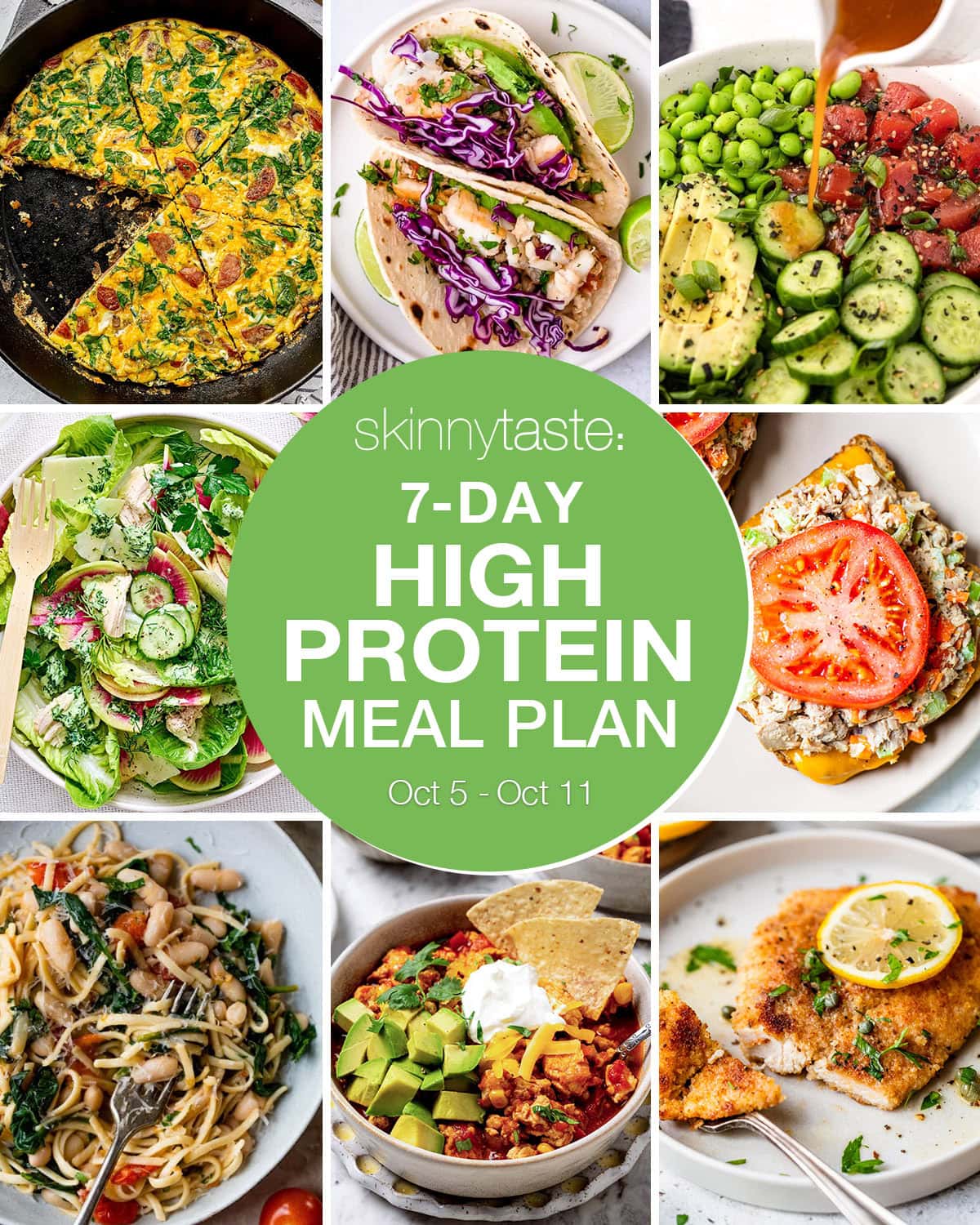
The following seven-day plan demonstrates how to integrate these seasonal staples into a structured high-protein framework:
Monday (October 5): The week commences with a focus on nutrient density, utilizing a breakfast taco scramble followed by a lean chicken and brown rice bowl. The evening concludes with a white bean scampi, highlighting plant-based protein sources alongside traditional pasta.
Tuesday (October 6): Mid-week protein targets are maintained through the repetition of breakfast and lunch options, while dinner shifts toward omega-3-rich fatty acids with cilantro-lime tilapia tacos, served with a nutrient-dense black bean and avocado salad.
Wednesday (October 7): The schedule introduces tuna-based lunches, which are high in protein and low in saturated fats. Dinner features chicken piccata, a classic preparation that emphasizes lean poultry, balanced with roasted broccoli to provide necessary cruciferous vegetable intake.
Thursday (October 8): As the week progresses, the plan emphasizes slow-cooked meals such as turkey chili. This preparation method is efficient for meal planning, providing high protein counts while ensuring the inclusion of complex carbohydrates through beans and fiber-rich toppings like avocado.

Friday (October 9): The week concludes with high-protein smoothies and shrimp-based fajitas. Shrimp is a highly efficient protein source, providing significant volume with minimal caloric density, making it an ideal choice for the final weekday meal.
Saturday and Sunday (October 10-11): The weekend schedule allows for more complex meal preparations, including savory cottage cheese bowls and pork-based stews. These meals are designed to serve multiple individuals, emphasizing the role of communal, home-cooked nutrition.
Administrative Considerations for Weight Watchers Participants
For participants utilizing the Weight Watchers (WW) points-based system, the landscape of dietary tracking is currently undergoing a shift. Recent updates to the program have introduced new zero-point food categories, including items such as oatmeal. This adjustment necessitates that users consult the current digital recipe builder to ensure accuracy. While legacy recipes on many platforms may reflect older point values, the integration of digital tools allows for real-time recalculations based on the most current nutritional database. Users are encouraged to utilize mobile applications to sync their specific dietary profiles with these updated point structures.
Clinical Guidance and Safety Precautions
While high-protein diets are effective for many, they are not universally applicable. Medical professionals caution that individuals with pre-existing conditions—specifically chronic kidney disease, gout, or specific metabolic disorders—must exercise vigilance. Increased protein intake places a higher filtration demand on the kidneys, which may exacerbate symptoms in individuals with reduced renal function.
Before initiating a significant dietary change, it is standard medical practice to consult with a primary care physician or a registered dietitian. These experts can provide a personalized caloric and macronutrient assessment based on factors such as age, body composition, activity level, and metabolic history. The general recommendation of a 1,500-calorie baseline is a guideline rather than a rigid prescription; individual requirements often fluctuate significantly based on energy expenditure.
The Role of Meal Planning in Nutritional Consistency
The adoption of structured meal planners, such as the 52-week spiral-bound systems currently in the marketplace, reflects a broader trend toward intentional eating. Data suggests that individuals who engage in advance meal planning are more likely to adhere to their dietary goals and less likely to rely on processed convenience foods. By preparing a comprehensive shopping list—categorized by produce, meat, dairy, and grains—consumers can reduce food waste and manage their grocery expenditures more effectively.
The inclusion of sections for gratitude and intention-setting in modern meal planners also highlights the intersection of mental health and nutrition. Establishing a routine that accounts for both the "what" and the "why" of daily eating habits can foster a more sustainable relationship with food.
Broader Implications for Public Health
The surge in popularity of high-protein, seasonal meal plans points to an increasing public awareness of the link between dietary quality and long-term health outcomes. By moving away from restrictive "crash diets" and toward sustainable, nutrient-focused frameworks, consumers are taking a more proactive role in managing their health.
Furthermore, the rise of digital communities, such as those hosted on platforms like Facebook, provides a space for peer-to-peer accountability. These communities allow individuals to share recipe modifications, troubleshooting tips, and success stories, which can be a powerful motivator for those who struggle with consistency.
Summary of Nutritional Targets
To achieve the targeted protein intake outlined in this seven-day plan, individuals must prioritize high-quality protein sources. Whether through lean poultry, sustainable seafood, or plant-based proteins like beans and legumes, the objective is to maintain a consistent amino acid pool.

- Monday: ~120.5g protein
- Tuesday: ~125.5g protein
- Wednesday: ~120g protein
- Thursday: ~123g protein
- Friday: ~122.5g protein
- Saturday: ~53.5g protein (Adjusted for dinner out)
- Sunday: ~130.5g protein
These figures are estimates provided as a guide for caloric and macronutrient tracking. Adjustments should be made based on individual hunger cues and specific health markers. As the season turns, utilizing these resources to build a consistent, protein-forward dietary pattern can serve as a foundation for improved health, energy, and physical performance throughout the autumn and winter months.
