
The Evolution of the Handheld Sandwich Market
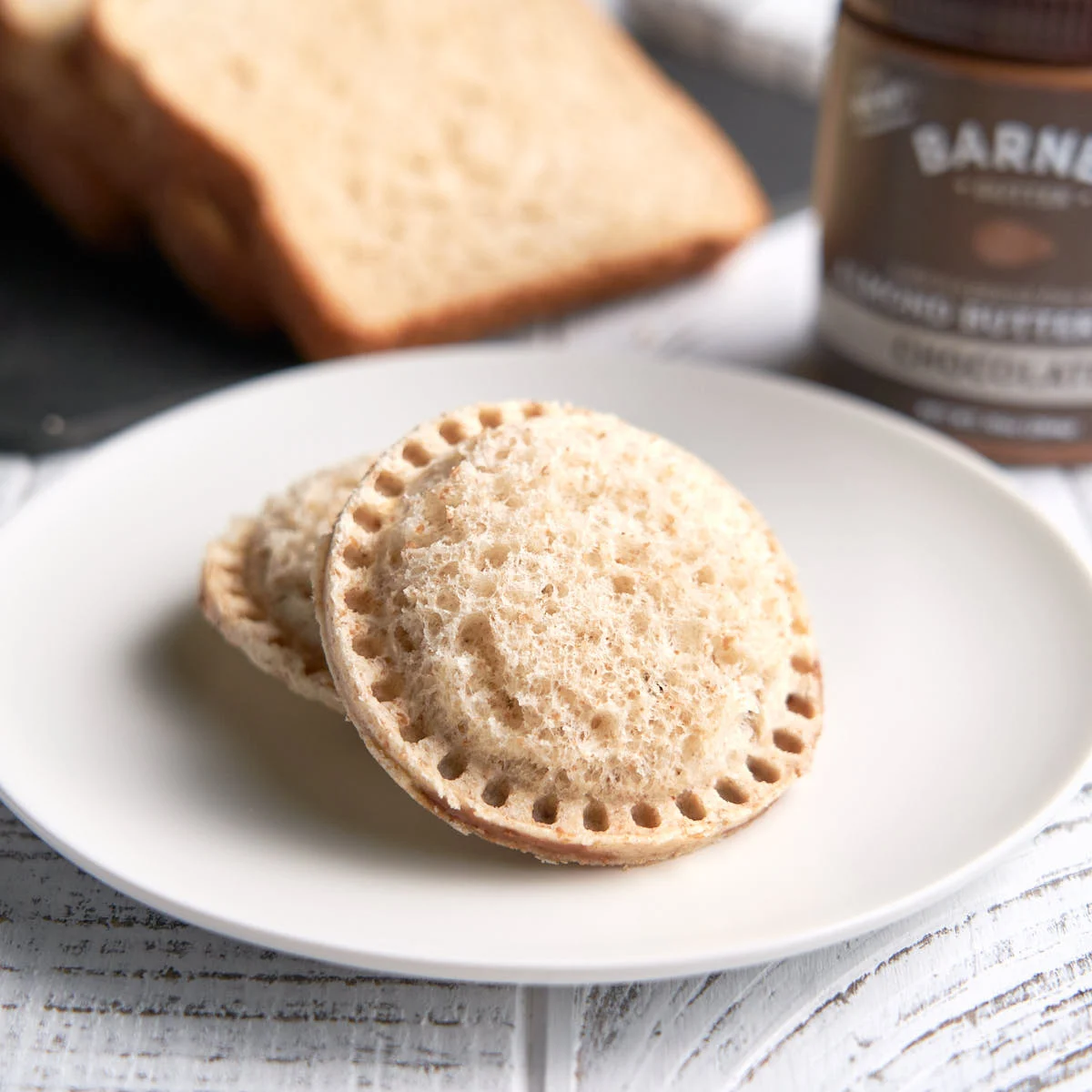
The concept of the "uncrustable"—a sealed, circular, crustless sandwich—gained significant traction in the early 2000s, primarily through the Smucker’s brand. These products were designed to solve a specific consumer pain point: the desire for portable, mess-free lunches for school-aged children. The manufacturing process involves a high-pressure press that crimps the edges of two slices of bread, effectively locking the filling inside and preventing leaks.

In recent years, however, consumer demand for cleaner labels and lower sugar content has driven a segment of the market toward DIY solutions. Standard commercial chocolate hazelnut spreads, while popular, are often scrutinized for their high sugar and palm oil content. Parents and health-conscious consumers have begun seeking alternatives, such as nut-based butters with lower glycemic indices, to provide a similar flavor profile without the additives found in traditional processed spreads.
Technological Advancements in Home Food Preparation
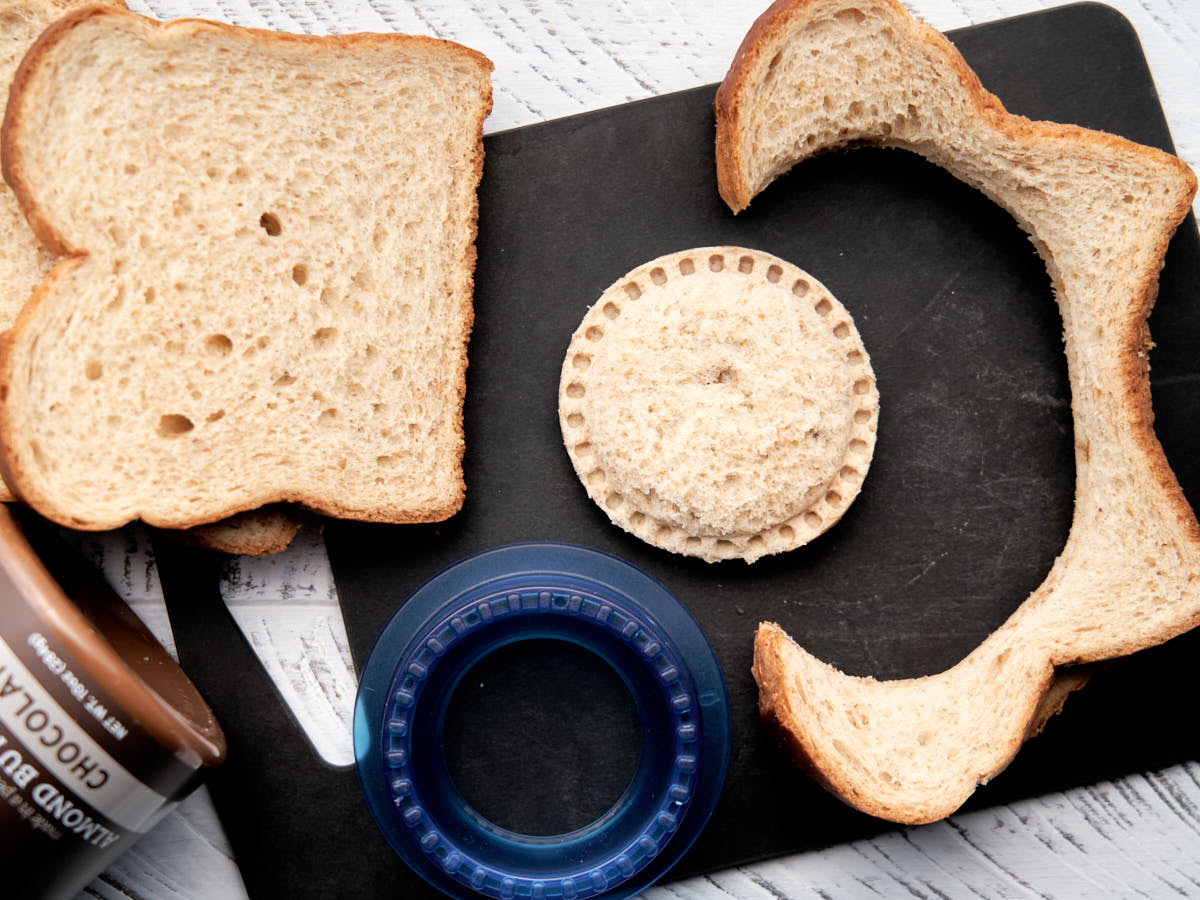
The DIY movement has been supported by a proliferation of consumer-grade kitchen appliances. Specifically, the development of affordable, high-durability stainless steel or food-grade plastic sandwich sealers has democratized the production of these snacks. These devices typically function in a two-step sequence: a sharp ring cuts the bread to the desired circular shape, and a secondary press mechanism crimps the edges to create an airtight seal.

Market data suggests that interest in kitchen gadgets aimed at "convenience cooking" has increased by approximately 15% annually since 2020. This trend is linked to broader shifts in household labor, where consumers are increasingly looking for ways to provide "store-bought style" quality at home, prioritizing both cost-efficiency and ingredient transparency.
Nutritional Analysis and Ingredient Selection
When transitioning from commercial products to homemade versions, the choice of ingredients serves as the primary variable for nutritional impact. Commercial hazelnut spreads often contain upwards of 20 grams of sugar per serving. In contrast, emerging alternatives—such as chocolate-infused almond butter—often utilize monk fruit or stevia, or simply rely on the natural profile of the nut butter with minimal added sugar.
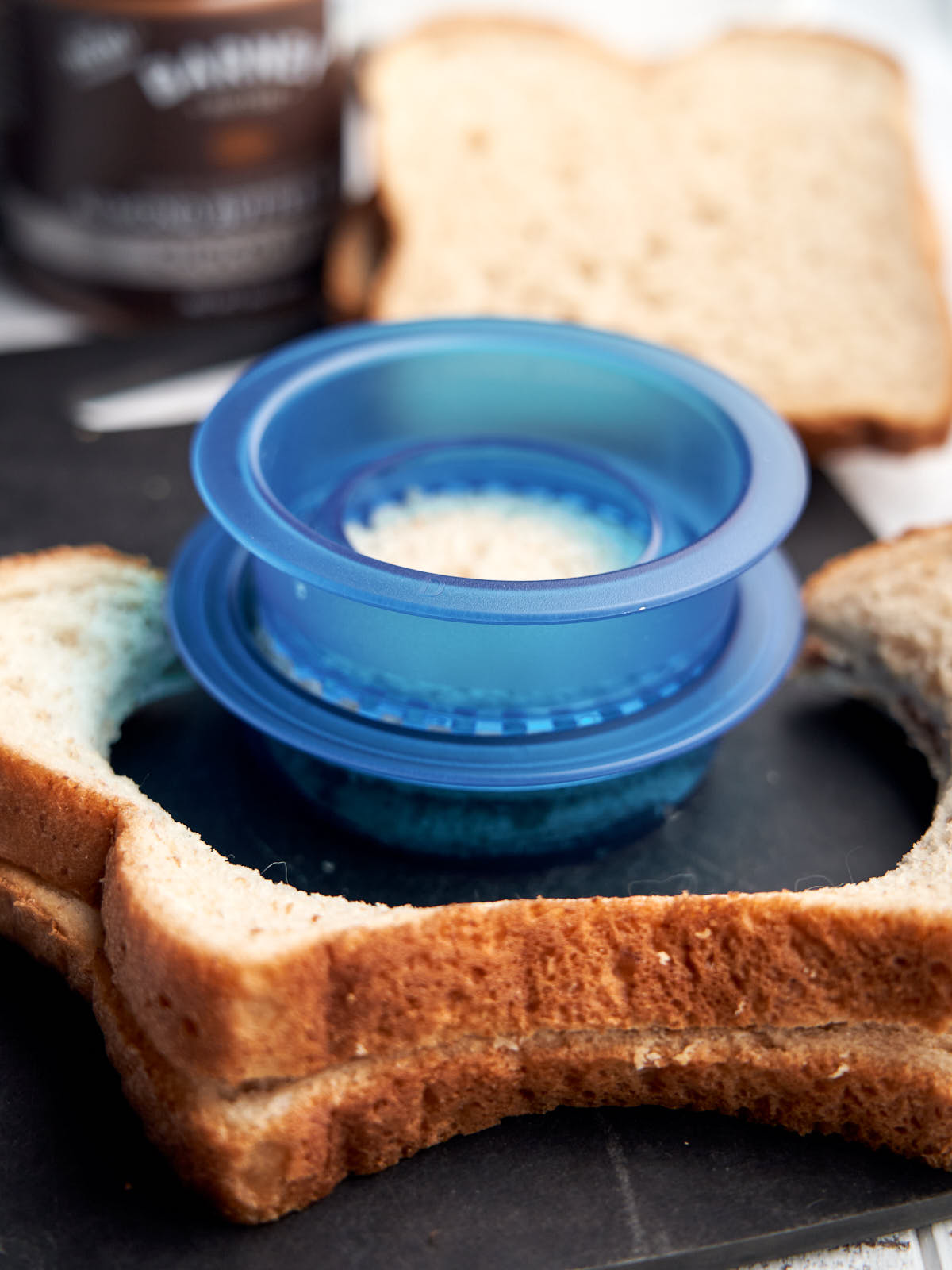
Research into child nutrition suggests that limiting added sugar during breakfast hours can lead to more stable glucose levels throughout the school day. Consequently, nutritionists have pointed to the importance of the "base" of the sandwich. Soft, high-fiber white breads or specific whole-wheat blends that lack the coarse texture of standard artisan loaves are recommended for this application. The structural integrity of the bread is vital; if a bread is too dry or dense, the sealing process—which compresses the edges—will often result in cracks or fissures, defeating the purpose of the "leak-proof" design.
Chronology of the DIY Sandwich Trend
The shift toward at-home preparation can be categorized into three distinct phases:
- The Commercial Dominance Era (2000–2015): Consumers relied almost exclusively on pre-packaged frozen options. Convenience was the primary driver, with little emphasis on ingredient sourcing.
- The Awareness Surge (2016–2020): Public discourse surrounding food processing, sugar intake, and the environmental impact of plastic packaging began to influence consumer behavior.
- The DIY Innovation Phase (2021–Present): With the normalization of remote work and home-based schooling during the global pandemic, families invested in high-quality, reusable kitchen tools. This period saw the rise of online communities dedicated to "batch prepping" lunches, where homemade uncrustables became a staple for meal planning.
Best Practices for Optimal Results
To achieve a professional-grade result, culinary experts and experienced home cooks emphasize three core operational principles:
- Temperature and Freshness: The bread must be fresh and soft. Stale bread lacks the elasticity required to be compressed by the sealer without tearing.
- Filling Geometry: The filling should be concentrated in the center of the sandwich. Applying spread to the edges inevitably leads to "blowouts" during the sealing process, as the pressure forces the material outward.
- Sealer Calibration: The efficacy of the seal is dependent on the downward force applied. For best results, the user should ensure the bread is centered precisely within the cutting guide before the sealing mold is engaged.
Broader Economic and Environmental Implications
The transition to homemade versions of mass-market snacks carries notable implications for both the household budget and the environment. By purchasing ingredients in bulk—such as large jars of nut butter and loaves of bread—families can significantly lower the cost-per-serving compared to individually wrapped, store-bought items.
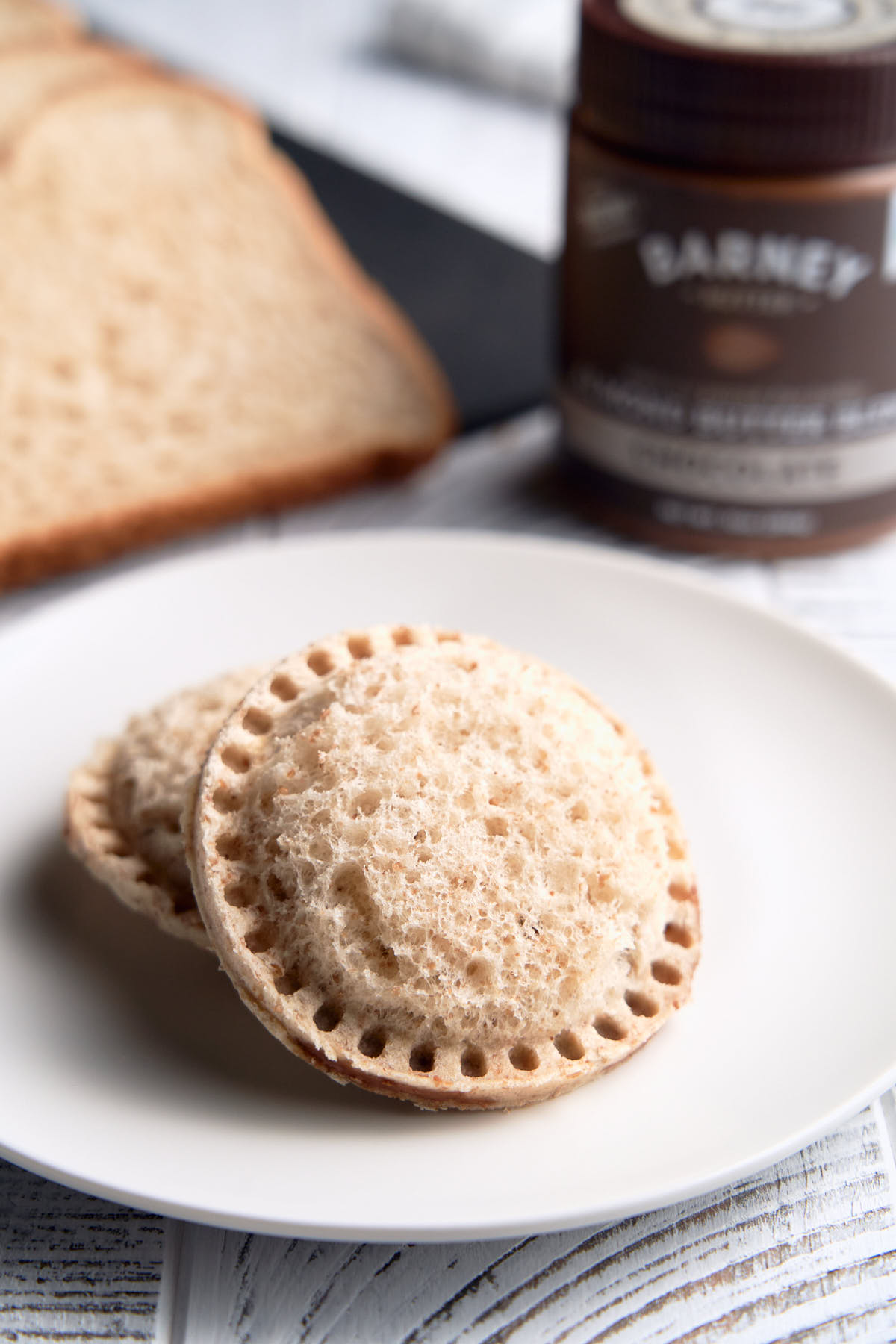
Furthermore, the environmental impact is substantial. The reduction in single-use plastic wrappers, which are ubiquitous in the packaging of frozen handheld sandwiches, aligns with current consumer trends toward sustainable living. While the initial investment in a sandwich sealer is approximately $10 to $20, the long-term savings and waste reduction represent a compelling argument for the shift in consumption habits.
Expert Perspectives and Future Outlook
Retail analysts suggest that this trend is not merely a passing fad but a reflection of the "Prosumer" movement—where consumers act as producers within their own homes. Retailers have noticed this shift, leading to a broader availability of specialized nut butters and "kid-friendly" baking supplies in major grocery chains.
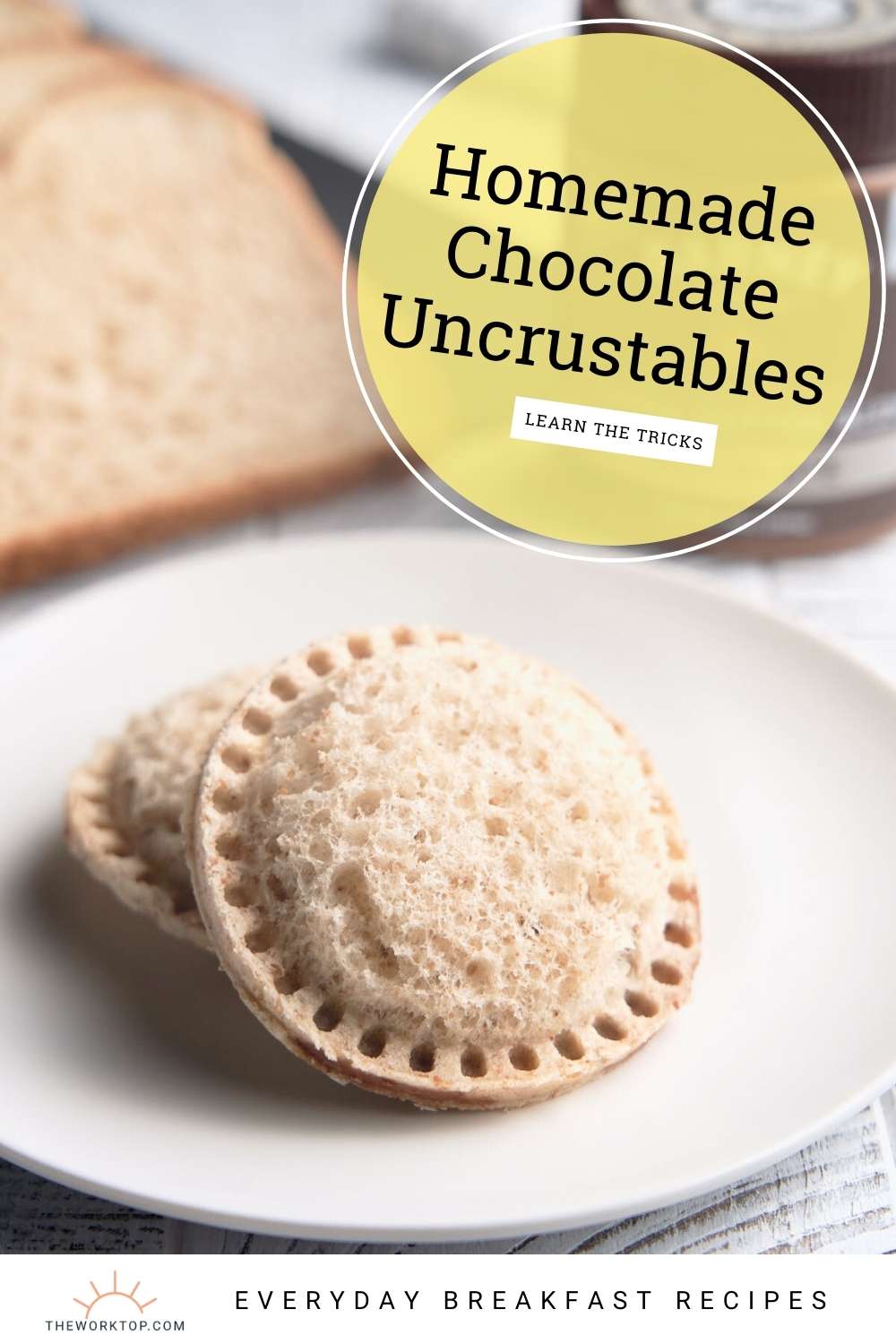
As consumers continue to prioritize health-conscious, budget-friendly, and environmentally responsible eating habits, the DIY lunch market is expected to expand. The success of these homemade chocolate sandwiches serves as a case study for how simple, accessible technology can empower households to reclaim control over their dietary intake while maintaining the convenience that modern lifestyles demand.
In conclusion, while commercial options will continue to exist for those who prioritize time above all else, the data indicates that the "homemade" approach offers a superior value proposition regarding health, cost, and environmental sustainability. For families, the act of preparing these meals has evolved from a simple chore into a functional, health-conscious, and efficient morning ritual.
