
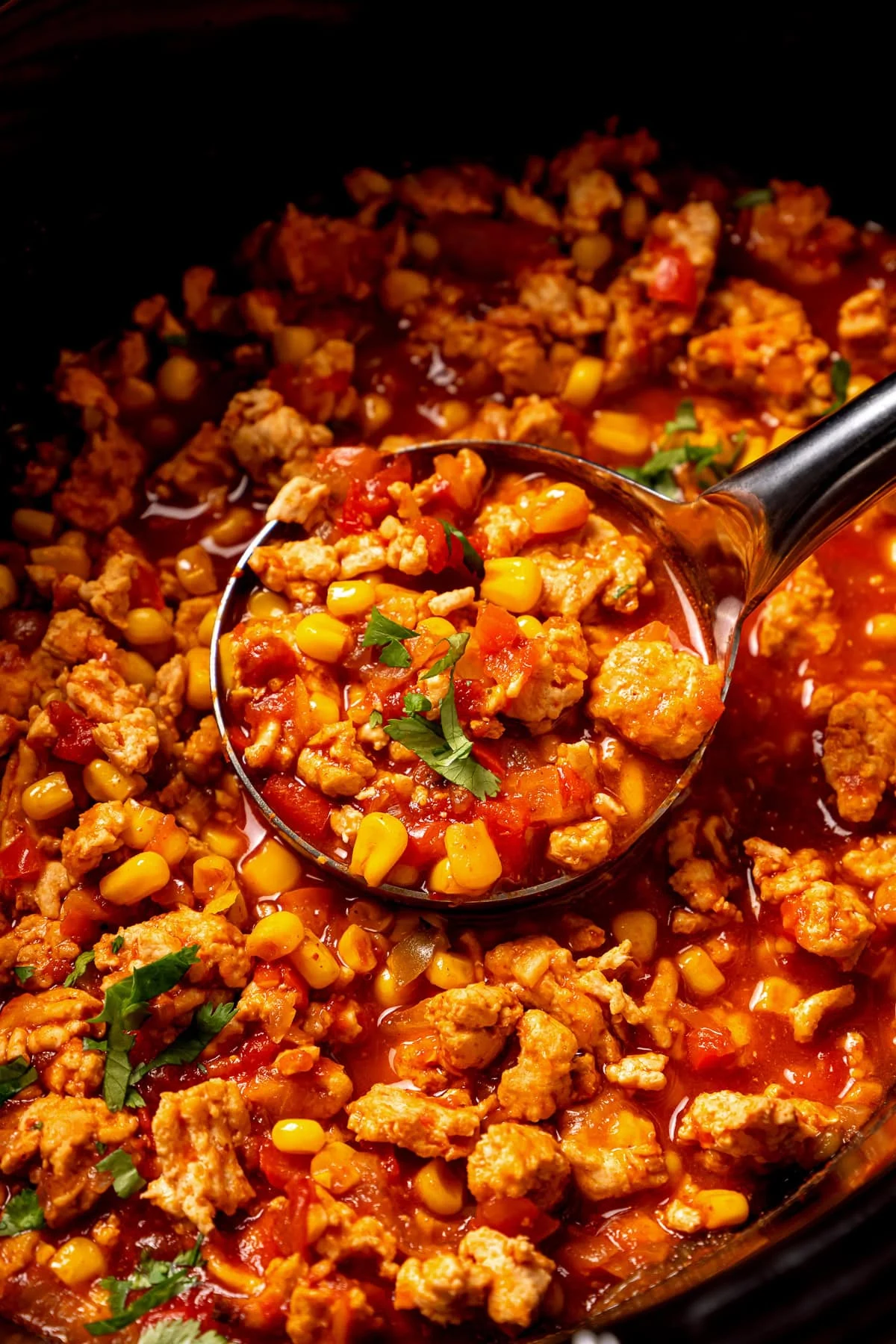
The transition into the cooler months of autumn consistently triggers a shift in domestic dietary habits, with a marked increase in the utilization of slow-cooker technology for meal preparation. Among the most popular culinary solutions for busy households is the bean-free crockpot turkey chili, a recipe designed to accommodate picky eaters while maintaining nutritional density. By focusing on lean proteins and a balanced profile of aromatics and vegetables, this dish has become a staple for parents seeking efficient, high-protein meal options that do not rely on traditional, more labor-intensive chili bases.
The Rise of Slow-Cooker Efficiency in Modern Households
The popularity of slow-cooked meals has surged alongside the modern trend toward meal planning and batch cooking. According to recent consumer trends in kitchen appliance usage, the slow cooker remains one of the most utilized tools for families managing back-to-school schedules and professional obligations. The primary advantage of this cooking method is the low-temperature, prolonged heat exposure, which effectively breaks down the connective tissues in proteins and allows the complex profiles of seasonings—such as chili powder, cumin, and garlic—to permeate the dish without the need for constant monitoring.
The specific iteration of the turkey-based, bean-free chili addresses a niche market of consumers who either dislike the texture of legumes or require a lower-fiber, higher-protein density meal. With approximately 31 grams of protein per serving and a relatively low calorie count of 226 kcal, this recipe serves as a functional model for those monitoring macronutrient intake.
Chronology of Preparation and Culinary Methodology
The culinary process for this dish begins with a fundamental step: the browning of the ground turkey and the sautéing of aromatics. While some proponents of slow-cooking advocate for a "set it and forget it" approach, professional chefs often emphasize that Maillard reactions—the chemical process that occurs when proteins and sugars are browned—are essential for developing the depth of flavor required for a successful chili.
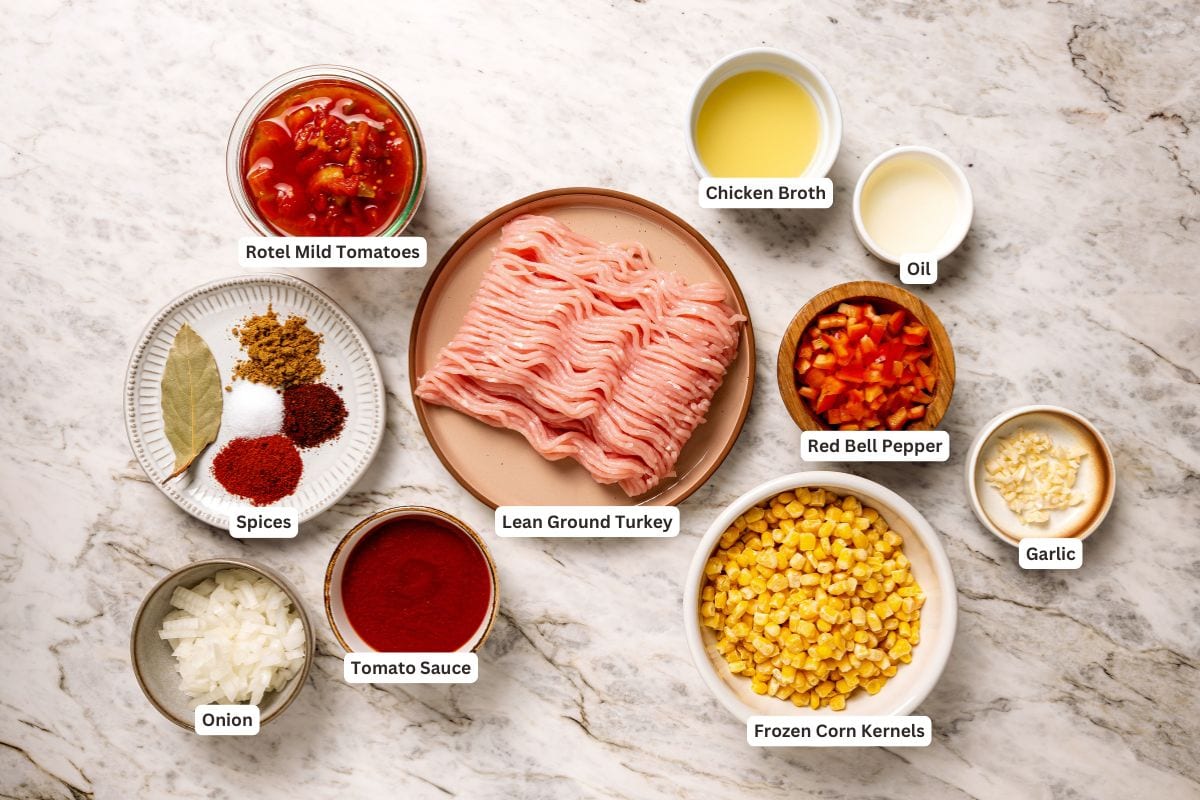
- Preparation (15 minutes): The initial phase involves dicing bell peppers and onions, which provide a foundational sweetness and crunch. These are combined with ground turkey in a skillet.
- Sautéing: The turkey is cooked until browned, and the vegetables are softened. This step is critical for removing excess moisture that might otherwise dilute the final sauce.
- Slow Cooking (4 hours): Once transferred to the crockpot, the addition of tomatoes, spices, and corn initiates the long-form cooking process. The corn provides a textural contrast and a subtle sweetness that helps temper the acidity of the tomato base.
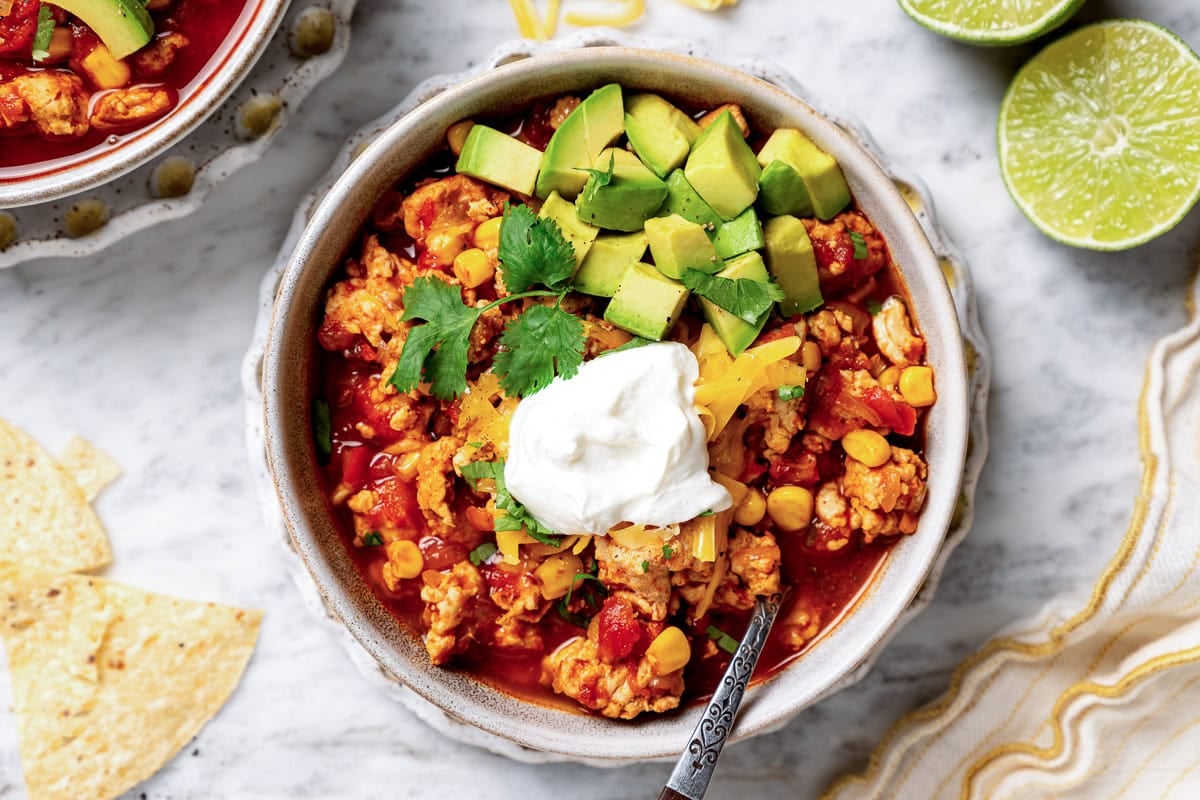
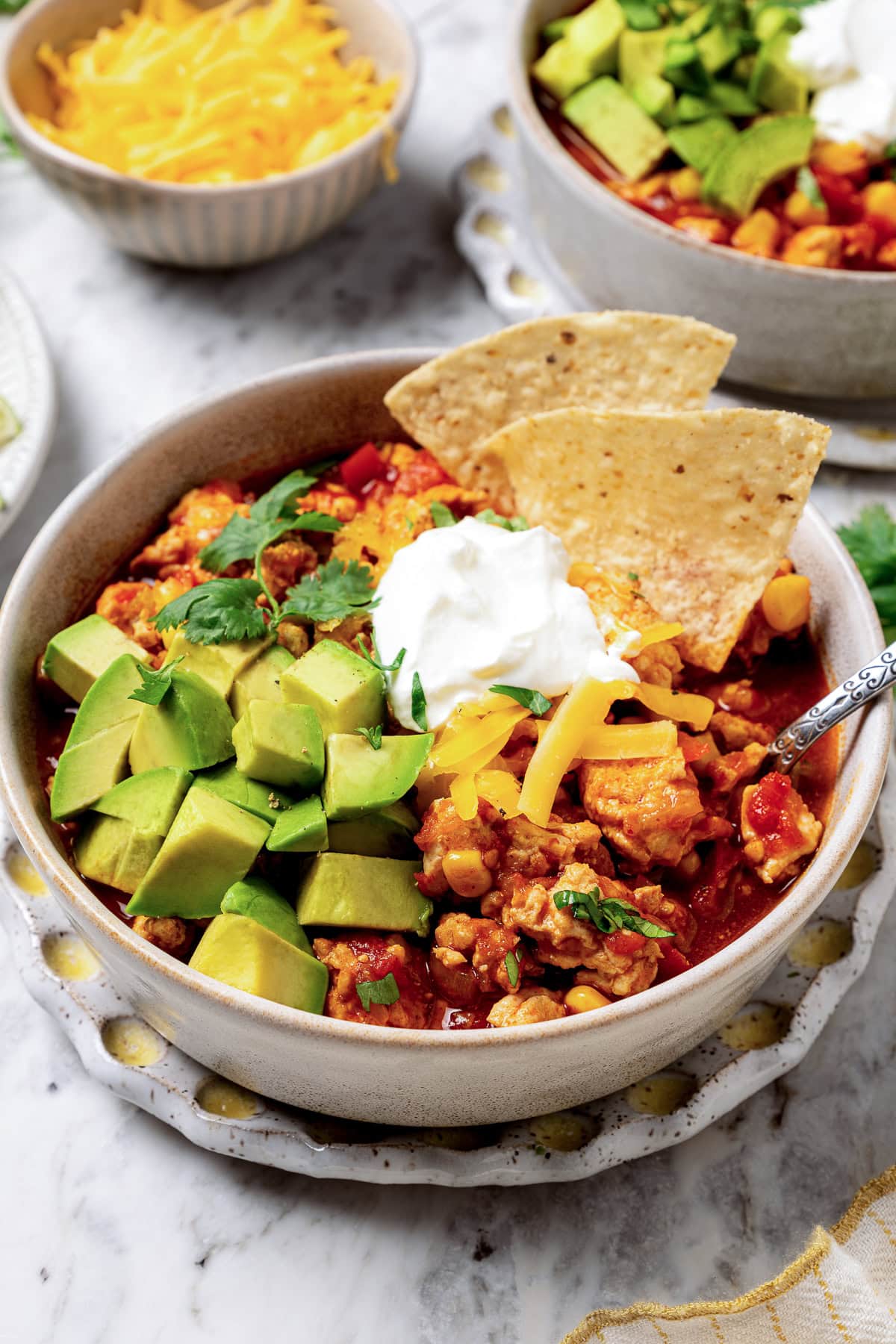
- Final Assembly: Post-cooking, the dish is typically finished with a variety of toppings—ranging from fresh avocado to dairy-based additions like sour cream or cheese—to balance the spice profile.
Nutritional Analysis and Health Implications
From a dietary perspective, the move toward turkey-based chili is frequently associated with the reduction of saturated fats compared to traditional ground beef recipes. While beef chili is a classic, the use of lean ground turkey provides a significant decrease in total lipid intake. The nutritional profile of this specific recipe highlights a total fat content of approximately 3 grams per serving, making it an attractive option for weight-conscious individuals.

The inclusion of bell peppers provides essential vitamins A and C, while the absence of beans simplifies the carbohydrate profile. For individuals with digestive sensitivities or those following specific dietary protocols that limit legumes, this "bean-free" designation is a significant selling point. Furthermore, the sodium content, while needing to be managed through the selection of low-sodium canned tomatoes or broths, remains within acceptable limits for a standard dinner portion.
Market Context and Consumer Preferences
The enduring appeal of this recipe lies in its versatility. Culinary experts observe that chili is a highly customizable "blank canvas" dish. The ability to pivot the flavor profile from mild to spicy, or to introduce additional vegetables, makes it a perennial favorite for large-scale catering events, neighborhood potlucks, and collegiate game-day gatherings.

Market data regarding home cooking suggests that families are increasingly looking for "bridge" meals—dishes that are healthy enough to satisfy nutritional goals but palatable enough to be served to children without protest. The omission of beans, which are often a point of contention for younger eaters due to texture, places this recipe in a specific category of "kid-friendly" comfort food.
Broader Impact: The Future of Home-Style Cooking
The shift toward simplified, high-protein, and slow-cooked meals reflects a broader cultural change in how households view dinner. With the rise of high-protein diets and the constant demand for time-saving solutions, recipes that bridge the gap between "fast food" convenience and "home-cooked" quality are becoming increasingly valuable.
The ability to repurpose leftovers—such as using the chili as a topping for hot dogs or as a filling for avocados—further enhances the economic viability of the meal. In an era of rising food costs, the capacity for one batch of chili to serve multiple purposes across different meals provides a tangible benefit to the consumer.
Expert Perspectives on Slow-Cooker Safety and Quality
Food safety professionals emphasize that while the slow cooker is inherently safe due to the temperature at which it operates, users must adhere to specific guidelines. To prevent the growth of bacteria, it is recommended that ingredients be at room temperature or warmer before being added to the pot if possible, and that the lid remains closed throughout the duration of the cooking cycle to maintain a consistent internal temperature.
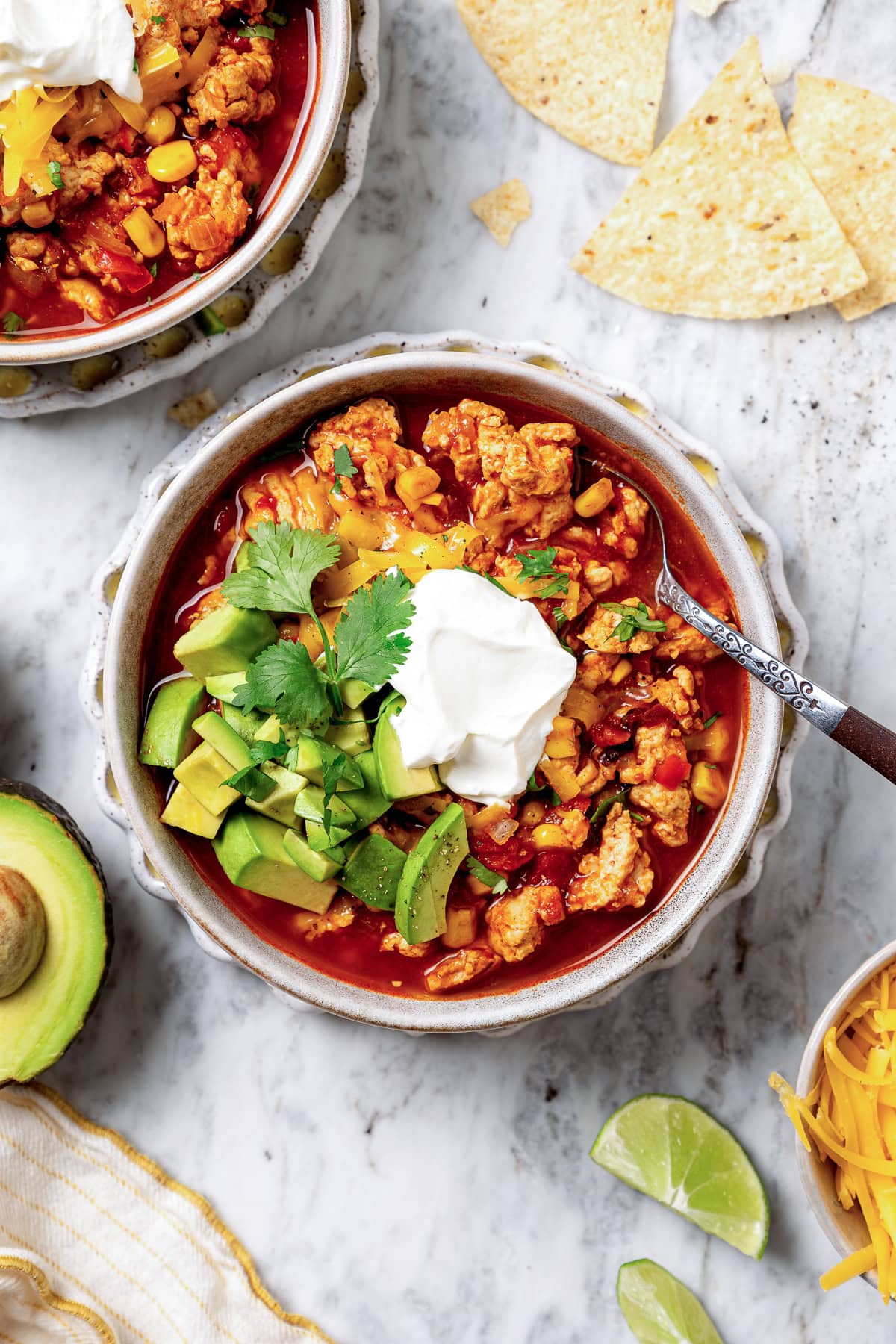
Furthermore, the recommendation to brown the meat before placing it in the slow cooker is not merely for flavor; it is also a safety precaution that ensures the meat reaches an appropriate temperature quickly, preventing the potential for pathogens to thrive in the slow-heating environment of a cold-start crockpot.
Conclusion: A Staple for the Modern Kitchen
As the culinary landscape continues to prioritize efficiency without sacrificing health, the crockpot turkey chili stands out as an enduring success. By balancing lean protein, essential aromatics, and a straightforward cooking methodology, it meets the requirements of the modern, time-pressed family. Its success as a "crowd-pleaser" that caters to diverse palates confirms its position as a foundational recipe for the home cook, regardless of their experience level. Whether it is served as a primary meal during a busy weeknight or as a central feature of a social gathering, this dish exemplifies the intersection of convenience, nutrition, and classic comfort food.
