
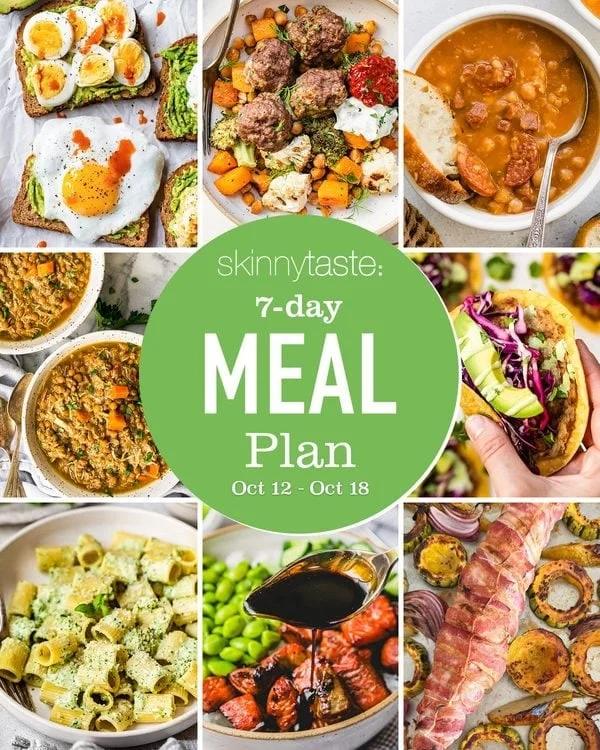
As autumn settles in, culinary focus shifts toward seasonal ingredients that offer both nutritional density and thematic relevance. For many health-conscious individuals, the transition into mid-October represents an opportunity to leverage seasonal produce—specifically pumpkin—to meet dietary goals. A structured, seven-day meal plan has been released to provide a comprehensive framework for balanced nutrition, incorporating macronutrient tracking and Weight Watchers point systems to assist individuals in managing their weight loss journeys effectively.
The Nutritional Value of Seasonal Ingredients
Pumpkin, a staple of the October harvest, serves as the cornerstone of this week’s dietary guide. From a nutritional standpoint, pumpkin is classified as a nutrient-dense food. It is notably high in beta-carotene, a precursor to vitamin A, which plays a critical role in immune function and ocular health. Furthermore, pumpkin provides a significant source of potassium, which is essential for maintaining healthy blood pressure levels, and dietary fiber, which aids in digestion and promotes satiety.
Including these ingredients in a daily regimen is not merely a matter of seasonal preference; it is a strategic approach to increasing antioxidant intake. Beyond the physical health benefits, the psychological aspect of seasonal eating can help maintain adherence to a diet plan by keeping meals interesting and aligned with cultural traditions.
Structured Meal Planning as a Tool for Success
The practice of meal planning is widely recognized by nutritionists and dietitians as a primary intervention for improving dietary quality and reducing caloric intake. Research consistently shows that individuals who plan their meals in advance are less likely to rely on processed convenience foods, which are often high in sodium, added sugars, and unhealthy fats.
This specific seven-day plan, spanning October 12 to October 18, is designed to be flexible. The caloric intake is estimated based on baseline needs, though experts emphasize that individual requirements vary significantly based on metabolic rate, age, physical activity levels, and body composition. The inclusion of an organized, itemized grocery list is intended to streamline the procurement process, thereby reducing the time and financial burden associated with daily meal preparation. By minimizing the frequency of dining out, individuals can exert greater control over their portion sizes and the quality of ingredients consumed.
Chronology of the Weekly Dietary Schedule
The meal plan follows a structured progression designed to balance convenience with variety.
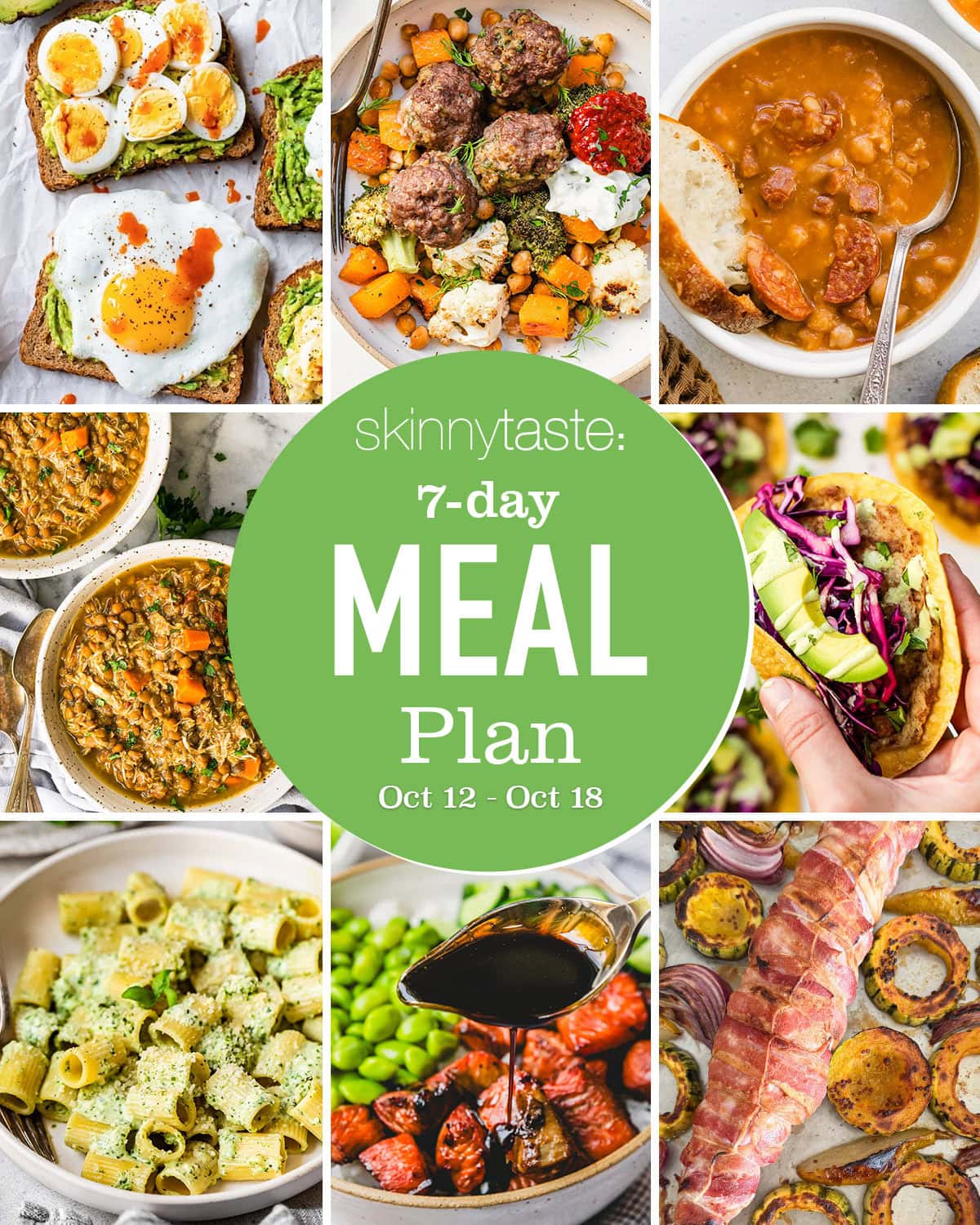
- Monday, October 12: The week begins with an emphasis on plant-forward proteins, starting with avocado toast and an egg for breakfast, followed by a light cranberry chicken salad lunch. The day concludes with a nutrient-dense dinner of creamy pesto pasta and parmesan zucchini.
- Tuesday, October 13: The focus shifts to air-fryer preparation, utilizing an air fryer breakfast banana split and chicken smash tacos with cilantro-lime cauliflower rice to maintain low-carb, high-flavor profiles.
- Wednesday, October 14: The mid-week menu highlights the efficiency of one-pot cooking, featuring a high-protein zucchini omelet and an Instant Pot-based Spanish garbanzo stew, which serves as both dinner and a convenient leftover option.
- Thursday, October 15: The plan continues with a focus on sheet-pan techniques, offering a streamlined approach to roasting meatballs with chickpeas, cauliflower, and butternut squash.
- Friday, October 16: The final workday of the week features a Teriyaki salmon bowl, providing essential omega-3 fatty acids, followed by the conclusion of the work week with prepared leftovers.
- Saturday, October 17 and Sunday, October 18: The weekend menu transitions to more involved cooking projects, such as pumpkin pancake muffins and bacon-wrapped pork tenderloin, allowing for more time in the kitchen while maintaining nutritional integrity.
Data-Driven Dietary Considerations
A critical component of this meal plan is the inclusion of macronutrient and point-based tracking. For participants utilizing the Weight Watchers system, the integration of these data points allows for precise tracking of energy density. Caloric totals for each day in this plan hover around the 1,100 to 1,200-calorie range; however, it is essential to note that professional health organizations, including the U.S. Department of Agriculture (USDA), generally recommend that most women require a baseline of at least 1,500 calories per day to maintain healthy metabolic function.

Consequently, this plan serves as a template rather than a rigid prescription. Users are encouraged to incorporate snacks, additional fruit, or beverages as needed to reach their specific caloric targets. The use of a calorie calculator—such as those provided by MyPlate or other clinical tools—is recommended for individuals who wish to tailor their intake to their specific physiological needs.
Economic Implications of Meal Planning
In an era of rising food costs, the economic argument for meal planning has become increasingly compelling. Bureau of Labor Statistics data suggests that food-at-home prices have remained volatile, prompting households to seek strategies that reduce waste. By purchasing ingredients in bulk and utilizing them across multiple meals—such as the recurring use of the cranberry chicken salad or the Spanish garbanzo stew—individuals can significantly lower their per-meal cost.
The "zero-waste" philosophy inherent in this plan—where ingredients like zucchini, chickpeas, and seasonal squash are utilized across multiple recipes—is a direct response to the current inflationary environment. By consolidating shopping lists and avoiding impulse purchases at the grocery store, participants can protect their household budgets while adhering to their health goals.
Community Support and Resource Integration
In addition to the provided recipes, the plan encourages the use of digital communities for accountability. The integration of social media groups, such as the Skinnytaste Facebook Community, allows users to share modifications, troubleshoot recipes, and provide emotional support to one another. This social component is often cited as a key factor in the long-term success of weight management programs, as it creates a sense of collective accountability.
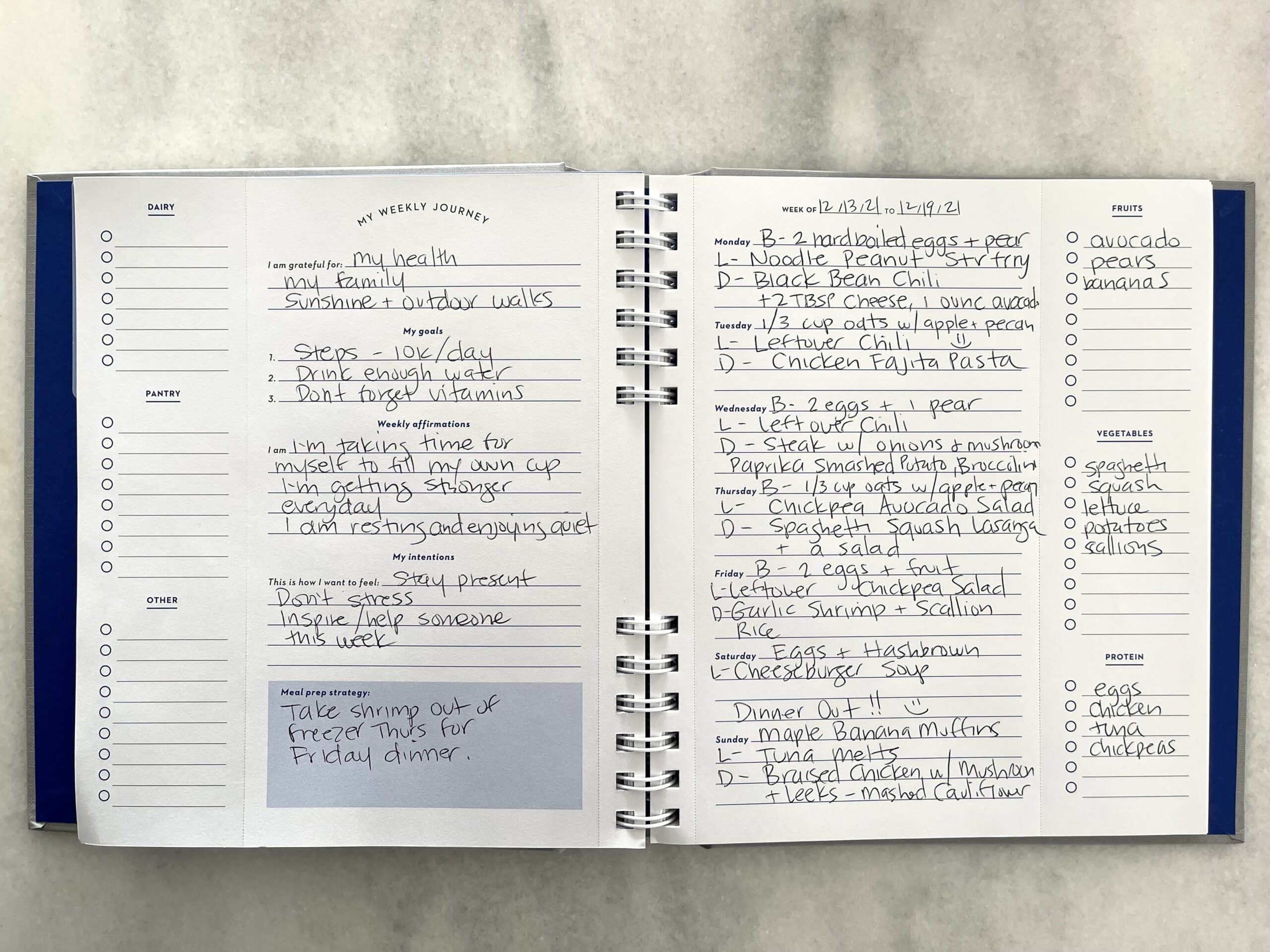
Furthermore, the publication of a 52-week meal planner reflects a growing market demand for tangible, organizational tools. The transition from digital tracking to physical planners—which allow for the inclusion of gratitude, affirmations, and goal setting—suggests that the modern approach to dieting is evolving to include holistic wellness rather than purely quantitative metrics.
Conclusion and Broader Implications
The release of this seven-day meal plan underscores a broader trend toward accessible, evidence-based nutrition. By prioritizing whole foods, seasonal produce, and intentional preparation, the plan provides a framework that is both sustainable and practical for the modern, time-constrained individual.
While the plan provides a strong foundation, the success of any dietary change remains dependent on individual consistency and the ability to adapt to changing physiological and environmental demands. As public health officials continue to advocate for diets rich in fiber and nutrient-dense vegetables, resources like these play an important role in bridging the gap between nutritional recommendations and everyday meal preparation. For those seeking to improve their eating habits this October, the focus on sustainable planning and seasonal variety offers a viable path toward long-term health and wellness.
