
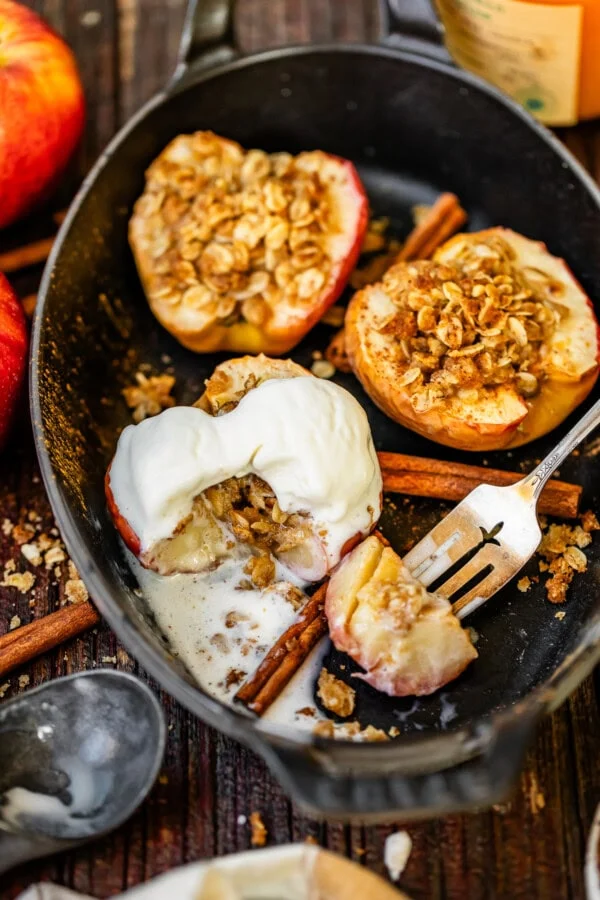
The Evolution of Orchard-to-Table Desserts
The tradition of baking whole or halved apples dates back centuries, serving as a staple in Northern European and North American households where pome fruits were readily available. Historically, these dishes served as a practical way to soften firm-fleshed fruit that might otherwise be unpalatable raw. In the modern era, the preparation has been refined to align with health-conscious consumer preferences.
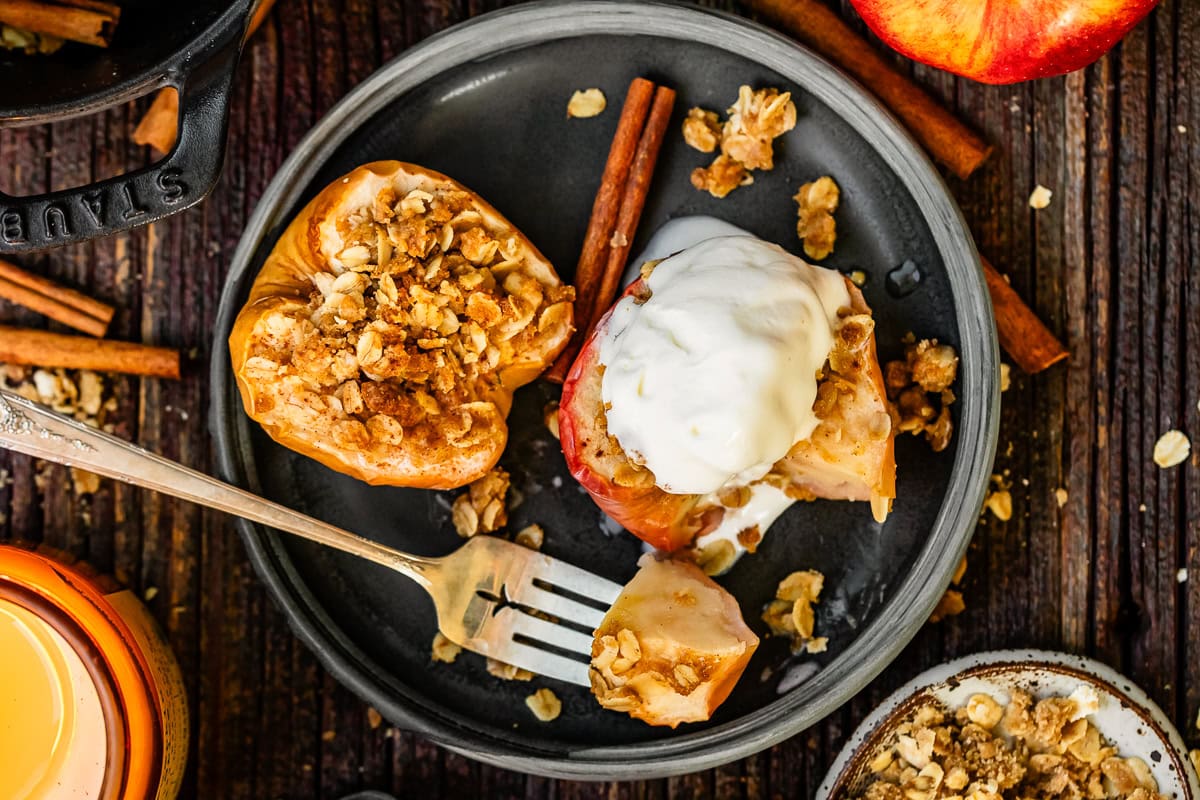
The current methodology involves a significant reduction in labor; by retaining the skin, the integrity of the fruit is preserved during the baking process, and fiber content is maximized. From a logistical standpoint, the shift away from labor-intensive desserts like traditional pies—which involve crust lamination and extensive fruit processing—reflects a broader movement toward "low-friction" cooking. This trend is supported by data from culinary market researchers who note that home cooks are increasingly seeking recipes that require fewer than ten ingredients and under 40 minutes of total time, including preparation and thermal processing.
Selection and Procurement: A Scientific Approach to Fruit Varieties
The success of a baked apple dish is inherently dependent on the selection of the cultivar. Professional chefs and food scientists classify apples based on their ability to maintain structure under high-heat environments.
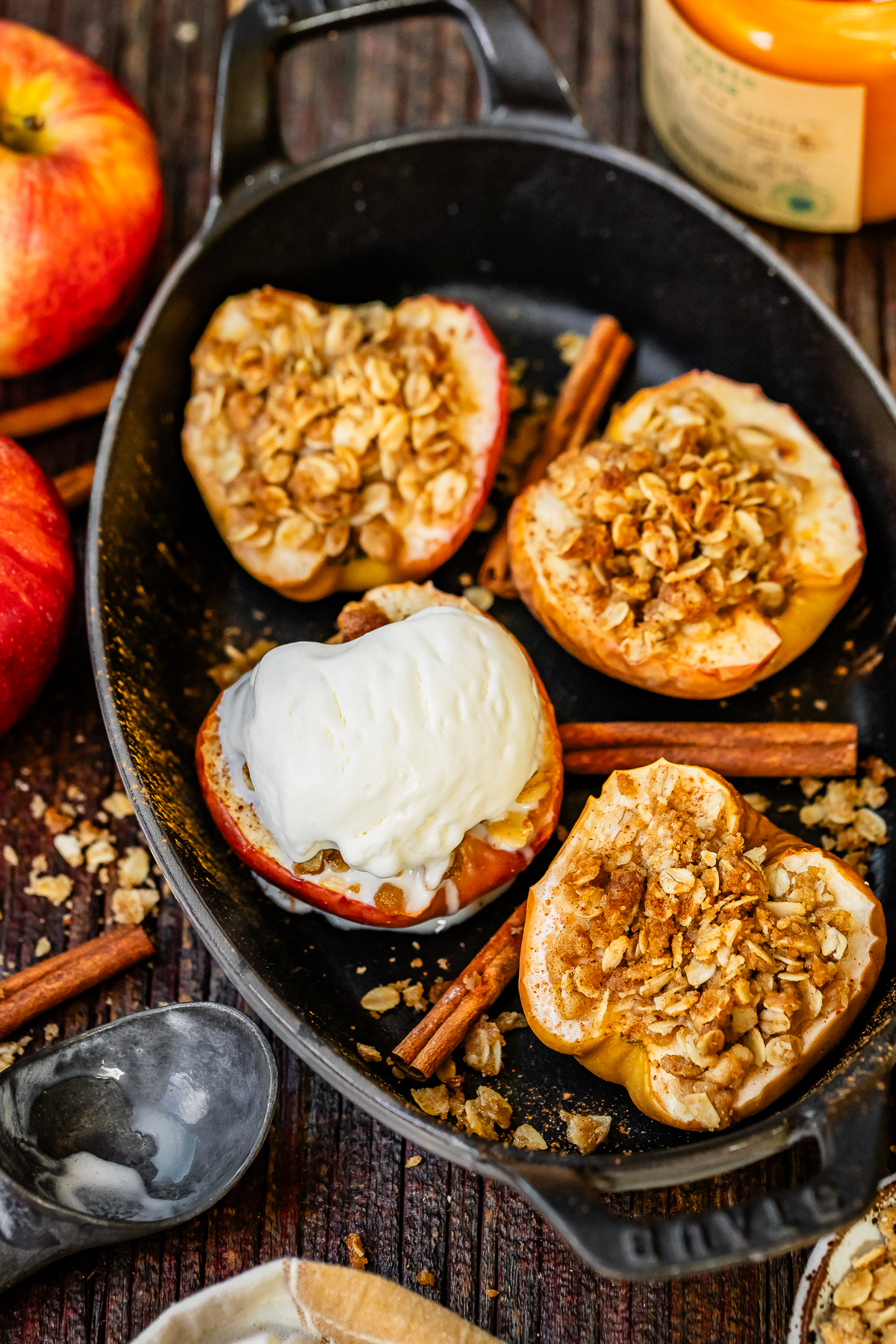
Apples such as the Granny Smith are characterized by high acidity and a dense cellular structure. During the baking process, these apples resist total collapse, providing a tart contrast to the sugary, spiced oat-based toppings often applied to them. Conversely, varieties such as Gala, Honeycrisp, and Pink Lady are preferred for their natural sweetness and aromatic profile. Honeycrisp, in particular, has become the industry standard for home baking due to its "fracturing" cell structure, which provides a crisp texture when raw but yields a balanced, tender mouthfeel when heated to temperatures exceeding 180 degrees Fahrenheit.
Market data suggests that seasonal apple picking remains a significant driver of regional tourism in the United States, with thousands of families visiting orchards annually between September and November. These "pick-your-own" operations provide an influx of high-quality produce that necessitates immediate utilization, further driving the popularity of efficient recipes that can handle large quantities of fruit simultaneously.

Nutritional Profile and Dietary Implications
In an age of increasing scrutiny regarding processed sugars, the baked apple is frequently cited by nutritionists as a healthier alternative to traditional pastries. A standard serving, consisting of one-half of a medium apple prepared with an oat-cinnamon crumble, contains approximately 154 kilocalories. This is significantly lower than the caloric density of a standard slice of apple pie, which can exceed 400 to 500 kilocalories due to the high fat and refined flour content of the crust.
The macronutrient breakdown of this dish highlights a favorable ratio for those managing blood glucose levels. With approximately 27 grams of carbohydrates—a significant portion of which is derived from natural fructose and dietary fiber—the dish provides sustained energy release. The addition of rolled oats contributes beta-glucan, a type of soluble fiber known to assist in cholesterol management. The minimal sodium content, often less than 3 milligrams per serving, also positions this dish as a heart-healthy option for a wide demographic of consumers.

Procedural Efficiency in Modern Culinary Applications
The transition from a raw, whole fruit to a finished, warm dessert involves a precise, four-stage process that emphasizes preparation efficiency:
- Preparation and Coring: The fruit is halved, and the central core is removed using a melon baller or paring knife. This eliminates the need for peeling, which preserves the skin’s vitamins and pectin content.
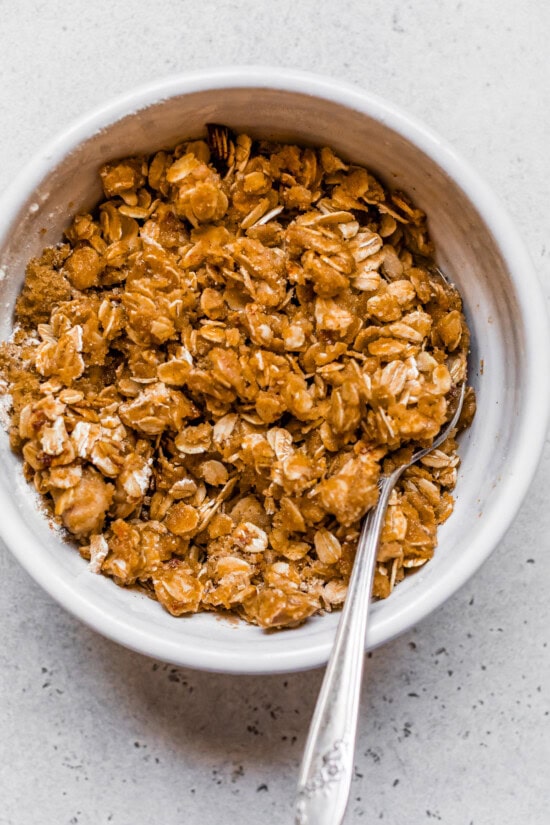
- Topping Formulation: A dry mixture of rolled oats, brown sugar, and ground cinnamon is prepared. The inclusion of cinnamon is not merely for flavor; the spice has been clinically studied for its potential to improve insulin sensitivity, adding a functional health benefit to the dessert.
- Thermal Processing: The apples are arranged on a standard baking sheet or in a shallow ceramic dish. Oven temperatures are typically maintained between 350 and 375 degrees Fahrenheit. Over a period of 30 minutes, the heat softens the cellular walls of the apple while caramelizing the sugars within the oat topping.
- Integration: The final product is often served with a small portion of protein-rich accompaniments, such as a dollop of Greek yogurt or a reduced-fat vanilla ice cream, to balance the glycemic index of the meal.
Broader Economic and Lifestyle Impacts
The popularity of such recipes reflects a shifting philosophy in domestic management. By reducing the complexity of dessert preparation, consumers are more likely to utilize fresh, seasonal produce rather than relying on pre-packaged, highly processed alternatives. This shift has broader implications for food waste reduction. Orchard-grown apples that are slightly bruised or imperfect—which might otherwise be discarded by retail outlets or consumers—are ideal for baking, as the heat hides minor aesthetic flaws.
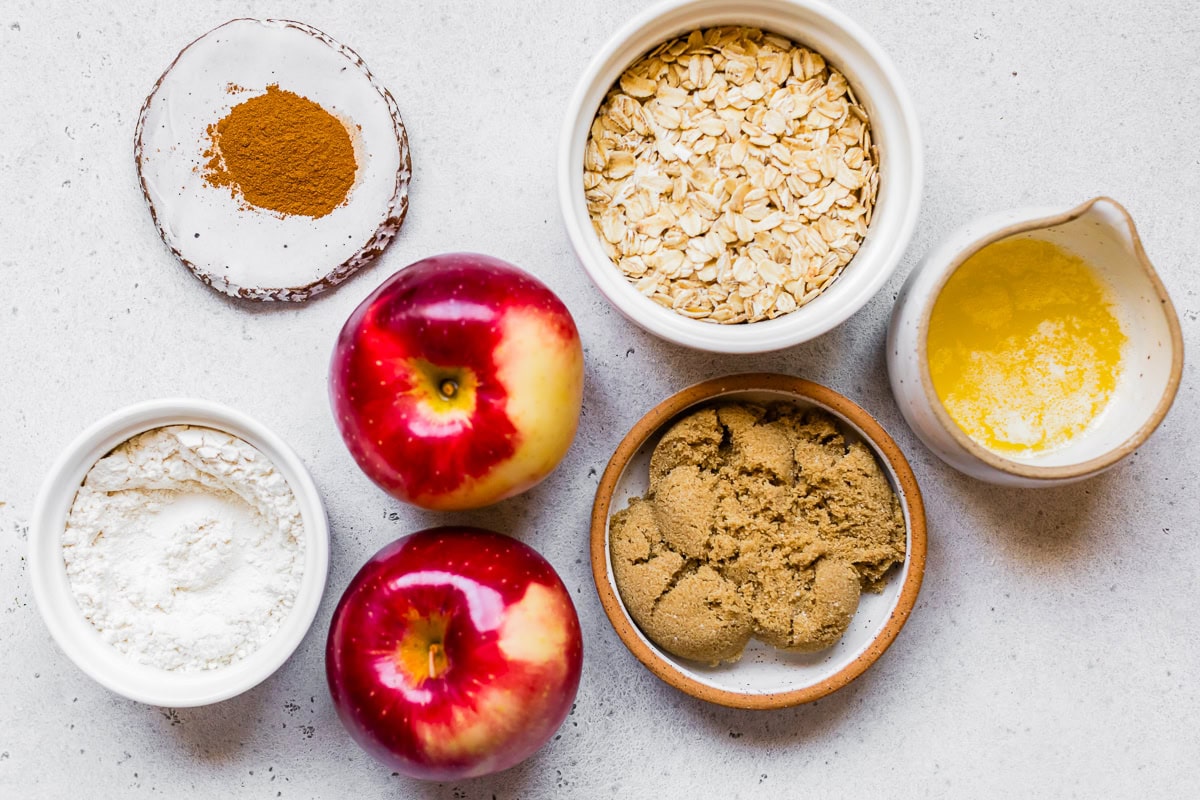
Furthermore, the "do-ahead" nature of this recipe has been noted by culinary instructors as a key skill for home entertainment. Because the topping can be pre-mixed and the apples cored hours in advance, the actual assembly takes mere seconds. This reduces the stress associated with hosting, allowing for "on-demand" dessert creation that aligns with the pace of modern social gatherings.
Industry Perspectives on Seasonal Cooking
Retail analysts observe that during the autumn months, the sale of pantry staples such as cinnamon, brown sugar, and rolled oats sees a measurable spike. This correlates directly with the increased availability of pome fruits. The "baked apple phenomenon" is a prime example of how simple, ingredient-focused cooking can reclaim market share from high-labor, high-cost culinary endeavors.
The institutional response from health organizations has been largely positive. By emphasizing whole-food ingredients—fruit, fiber-rich grains, and natural spices—the baked apple serves as a template for "culinary literacy." It teaches home cooks that high-quality desserts do not require the technical expertise of a pastry chef or the heavy reliance on saturated fats common in traditional baking.
Conclusion
The enduring appeal of the baked apple lies in its simplicity, nutritional integrity, and the sensory experience it provides. As a dish that bridges the gap between raw fruit and decadent dessert, it remains a pillar of autumn seasonal cooking. By leveraging efficient techniques and focusing on the natural quality of orchard harvests, households can enjoy a dessert that is as practical as it is satisfying. Whether prepared for a quiet evening or as a concluding course for a dinner party, the baked apple stands as a testament to the fact that when it comes to culinary excellence, often the most effective approach is the most straightforward.
