
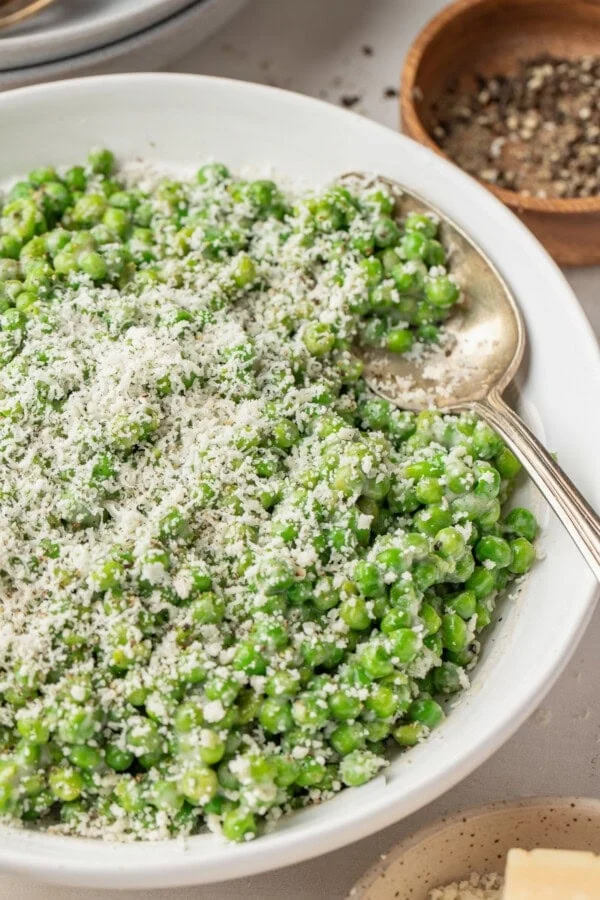
The intersection of classic Italian gastronomy and modern, convenience-driven home cooking has yielded a surprising new trend in the culinary landscape: Cacio e Pepe Peas. This dish, which reimagines the traditional Roman pasta sauce—composed of Pecorino Romano cheese and freshly cracked black pepper—as a vibrant vegetable side, represents a broader shift toward elevating humble, frozen ingredients through sophisticated flavor profiles. By applying the principles of a high-end pasta preparation to simple green peas, home cooks are discovering a method to increase dietary fiber and plant-based protein intake without sacrificing flavor or significant time.
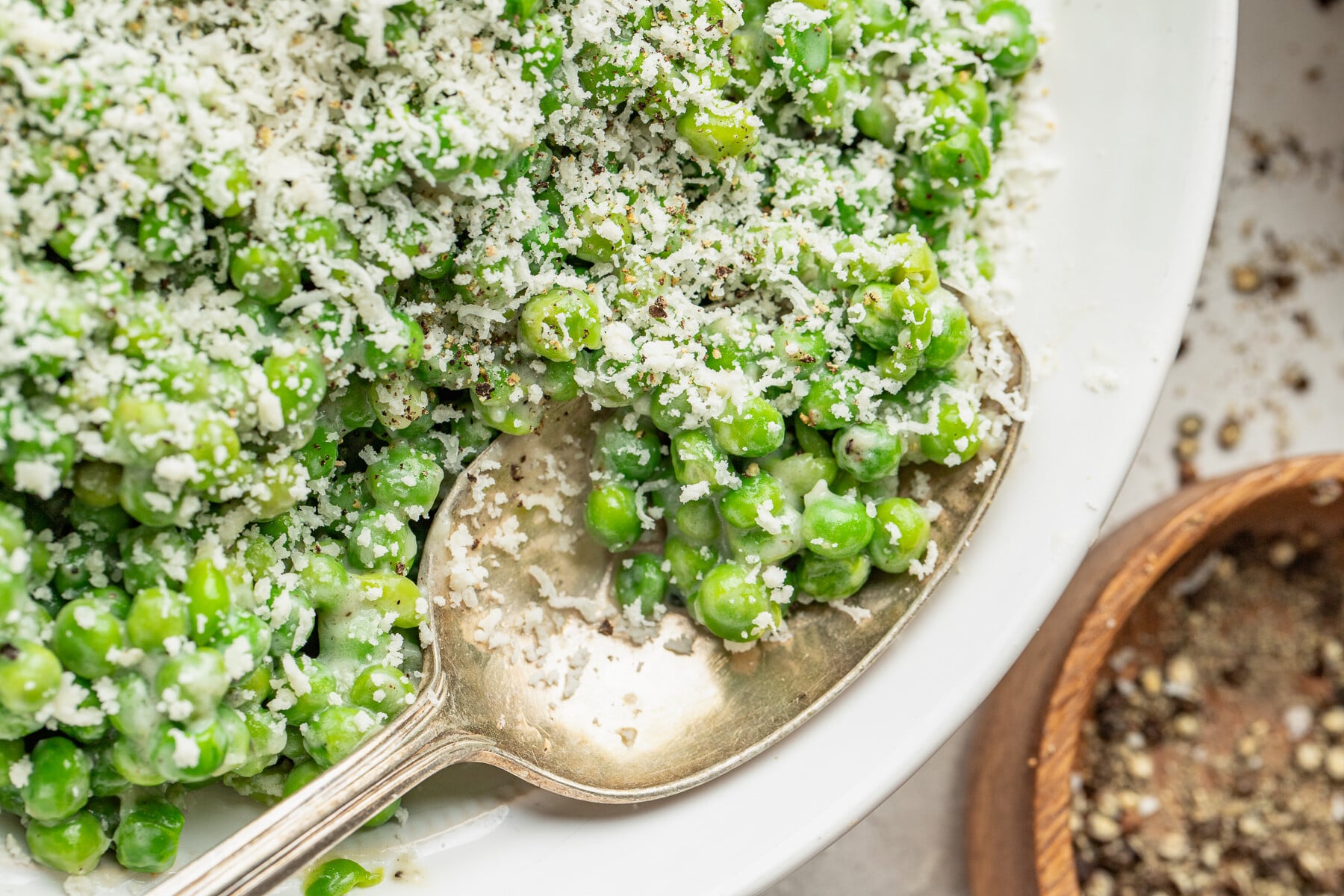
The Evolution of the Cacio e Pepe Profile
Historically, Cacio e Pepe, translated literally as "cheese and pepper," is one of Rome’s four canonical pasta dishes. It relies entirely on the emulsification of starchy pasta water, aged sheep’s milk cheese (Pecorino Romano), and toasted black pepper. The technique requires precision to prevent the cheese from clumping, creating instead a creamy, savory coating.
In the contemporary home kitchen, this technique has transcended its original starch-heavy medium. Culinary experts have observed a trend of applying these "base" flavors to roasted vegetables, steamed greens, and legumes. The use of peas as a vehicle for this sauce is particularly effective due to the vegetable’s natural sweetness, which creates a complex flavor bridge when contrasted with the sharp, salty, and pungent profile of the Pecorino and pepper.
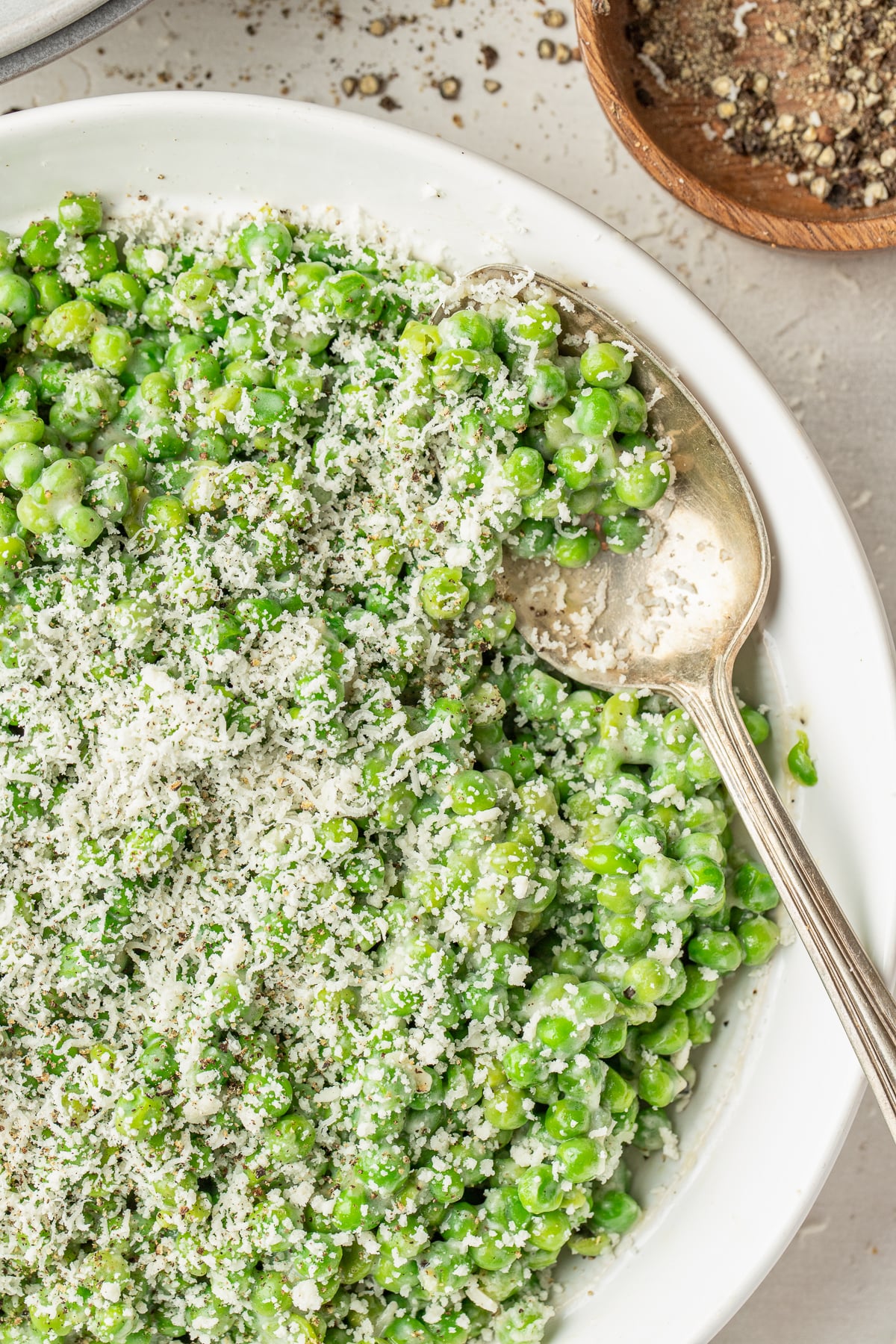
Nutritional Implications and Dietary Utility
From a nutritional standpoint, the integration of peas into daily meal planning offers a distinct advantage for those aiming to reach recommended daily fiber targets. According to data from the U.S. Department of Agriculture, green peas provide approximately 5 grams of fiber per cup, alongside a significant amount of plant-based protein. When combined with the high-quality proteins found in Pecorino Romano, the resulting dish serves as a nutrient-dense alternative to traditional grain-based sides.
Health practitioners often emphasize the importance of making vegetable-heavy sides palatable to encourage long-term adherence to dietary goals. By "dressing" the peas in a classic sauce, the barrier to entry for individuals who are typically indifferent to legumes is significantly lowered. This method effectively transforms a low-calorie, high-fiber vegetable into a decadent-tasting side that aligns with broader nutritional objectives without the monotony often associated with plain, steamed vegetables.

Chronology of Preparation
The preparation of this dish is characterized by its efficiency, typically requiring no more than ten minutes from freezer to table. The process follows a logical sequence designed to maintain the structural integrity of the peas while ensuring the emulsion of the cheese.
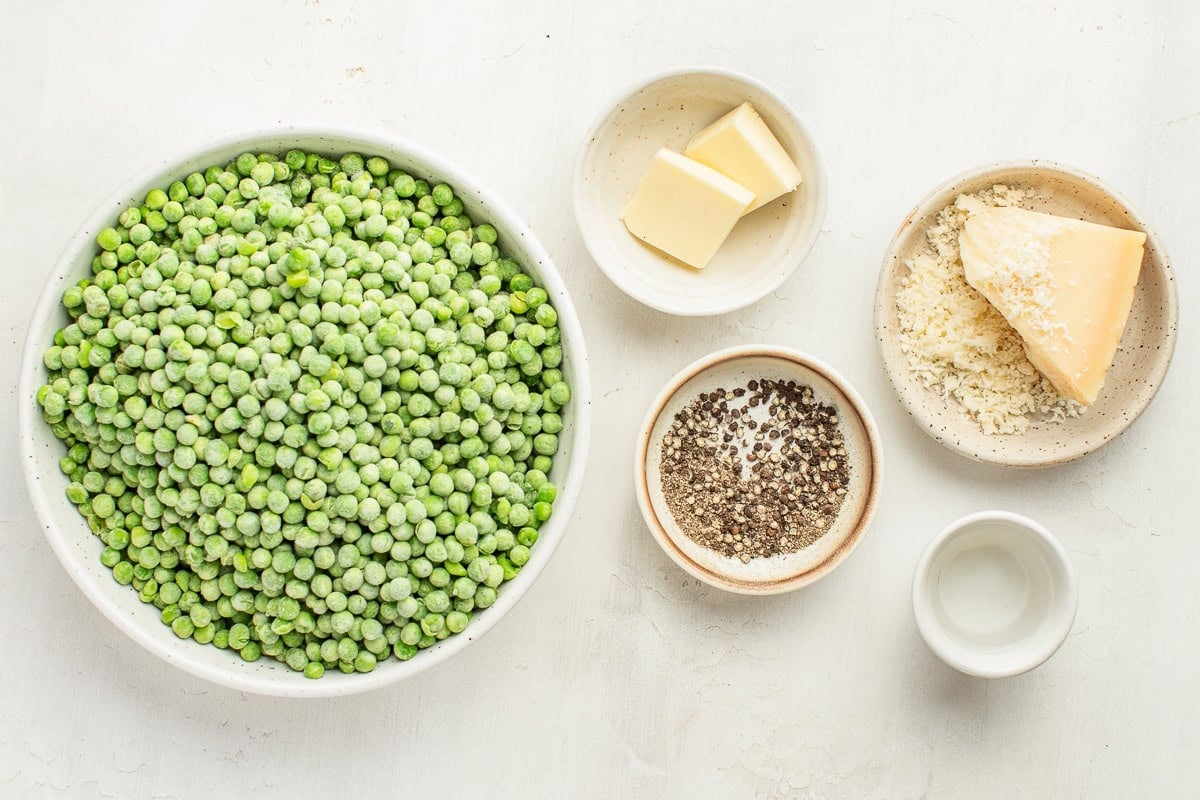
- Thermal Activation: Frozen peas are placed directly into a preheated skillet with a small amount of butter. Unlike many vegetable preparations, the peas do not require prior thawing, which preserves their snap and prevents them from becoming mushy.
- Flavor Infusion: Freshly cracked black pepper is added to the butter as it melts. Toasting the pepper in the fat is a critical step, as it releases the essential oils within the peppercorns, providing the signature heat that defines the dish.
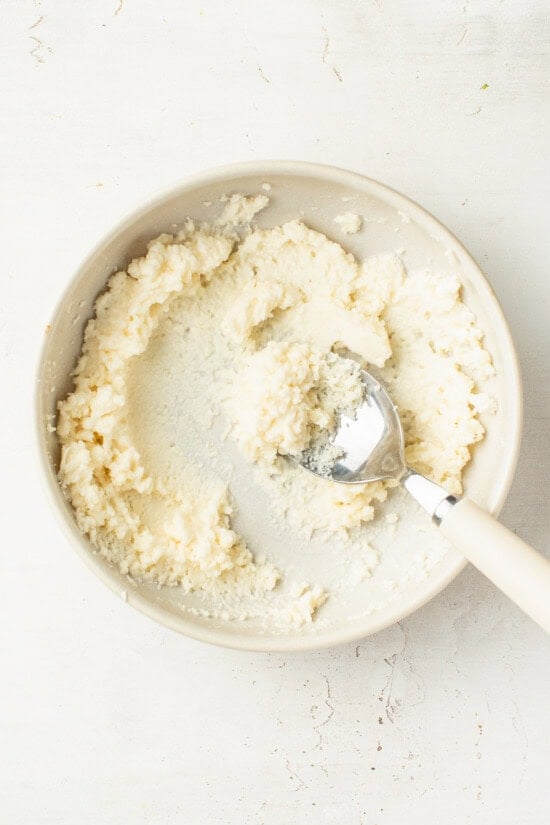
- The Emulsification Phase: Once the peas are heated through, a small amount of water or pasta-cooking liquid is introduced, followed by the finely grated Pecorino Romano. The interaction between the starch in the water and the proteins in the cheese creates a stable, creamy sauce that clings to the surface of the peas.
- Final Seasoning: The dish is finished off the heat to ensure the cheese maintains its creamy consistency rather than hardening or breaking.
Culinary Analysis and Industry Impact
The rise of such dishes reflects a post-pandemic shift in consumer behavior, where home cooks are increasingly seeking "low-effort, high-reward" recipes. Market research suggests that the convenience of frozen vegetables remains a staple in the modern kitchen, yet consumers are growing weary of standard preparation methods.

Industry analysts note that this shift has implications for how food products are marketed. Brands that emphasize the versatility of frozen goods—showing how they can be used in "gourmet-style" applications rather than just as a basic ingredient—are seeing higher engagement rates. By providing recipes that mirror restaurant-quality flavor profiles, content creators and food brands are successfully bridging the gap between convenience and culinary sophistication.
Broader Applications and Variations
While the standard preparation focuses on peas, butter, and cheese, the flexibility of the recipe allows for significant scalability. It has been successfully adapted for larger gatherings, such as holiday dinners, where it functions as an elegant alternative to traditional green bean casseroles or corn.
Professional chefs have noted that the "Cacio e Pepe" flavor profile is highly adaptable. Suggestions for expanding the base recipe include:
- Pasta Integration: By adding cooked orzo or small-shape pasta to the skillet, the dish evolves from a side into a cohesive main course.
- Texture Enhancements: Incorporating toasted breadcrumbs or lemon zest can add a layer of acidity and crunch, further complicating the flavor profile and adding sensory interest.
- Alternative Proteins: Serving the dish alongside high-protein anchors such as rotisserie chicken, seared pork chops, or grilled white fish allows it to function as a balanced, complete meal.
Storage and Reheating Protocols
A significant concern for modern households is the efficacy of leftovers. The scientific consensus on dairy-based sauces is that they are prone to breaking upon reheating due to the nature of protein denaturing in cheese. However, by withholding the cheese mixture until the final step, cooks can mitigate this.
Food safety guidelines suggest that the dish remains viable for up to four days when stored in an airtight container under refrigeration. To maintain the quality of the emulsion, it is recommended that the peas be reheated in a skillet with a tablespoon of water, with the cheese added only after the vegetables have returned to serving temperature. This technique ensures that the final result is nearly indistinguishable from a fresh preparation.
Conclusion: A Shift Toward Simplified Excellence
The popularity of Cacio e Pepe Peas is indicative of a wider movement in home cooking: the desire to reclaim time while maintaining high standards of quality. By utilizing basic kitchen staples—frozen vegetables, high-quality cheese, and quality pepper—cooks are able to create dishes that are both nutritionally sound and aesthetically sophisticated. As the culinary industry continues to prioritize efficiency, the success of this recipe serves as a template for future innovation, proving that even the most common pantry ingredients can be transformed into a highlight of the dining experience with the right application of classic techniques.

Whether served as a quick weeknight solution or as part of a more formal menu, the Cacio e Pepe pea dish occupies a unique space in the contemporary repertoire, demonstrating that the pursuit of health and the appreciation of bold, traditional flavors are not mutually exclusive. As households continue to search for ways to incorporate more fiber and nutrients into their diets, the adaptability of this dish ensures that it will likely remain a fixture in many homes for seasons to come.
