
Culinary Composition and Ingredient Profile
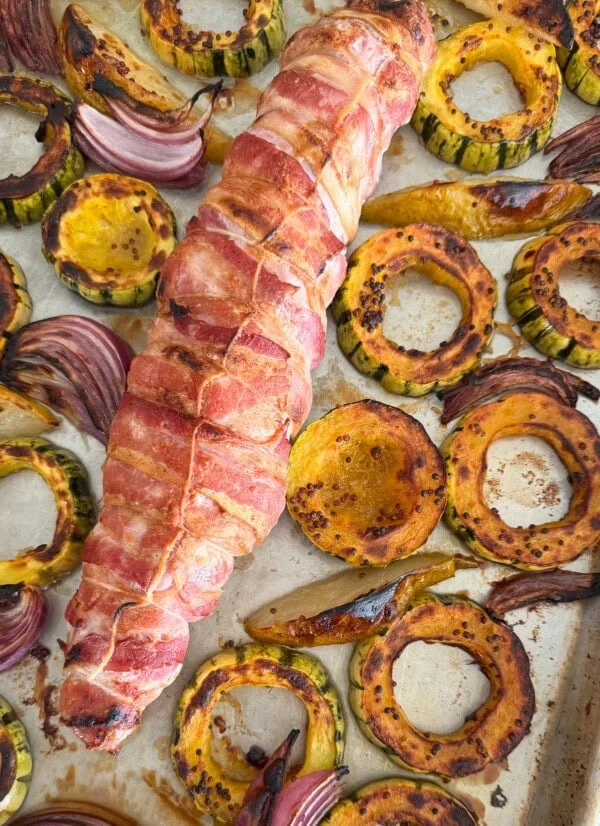
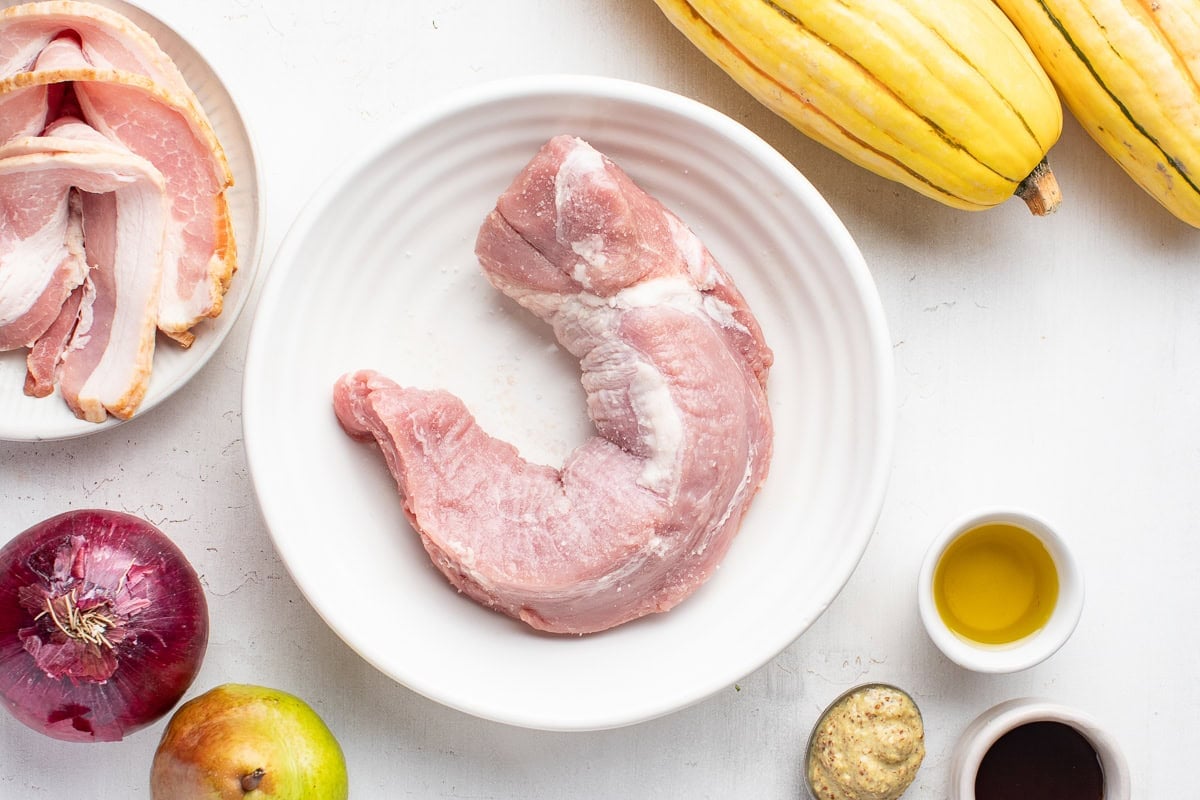
The foundation of this dish relies on the pairing of pork tenderloin—a cut prized for its leanness and mild flavor—with the smoky, saline profile of cured bacon. The integration of bacon serves a dual purpose: it provides a layer of rendered fat that keeps the lean tenderloin moist during the high-heat roasting process, and it contributes a savory depth that balances the natural sweetness of the seasonal accompaniments.
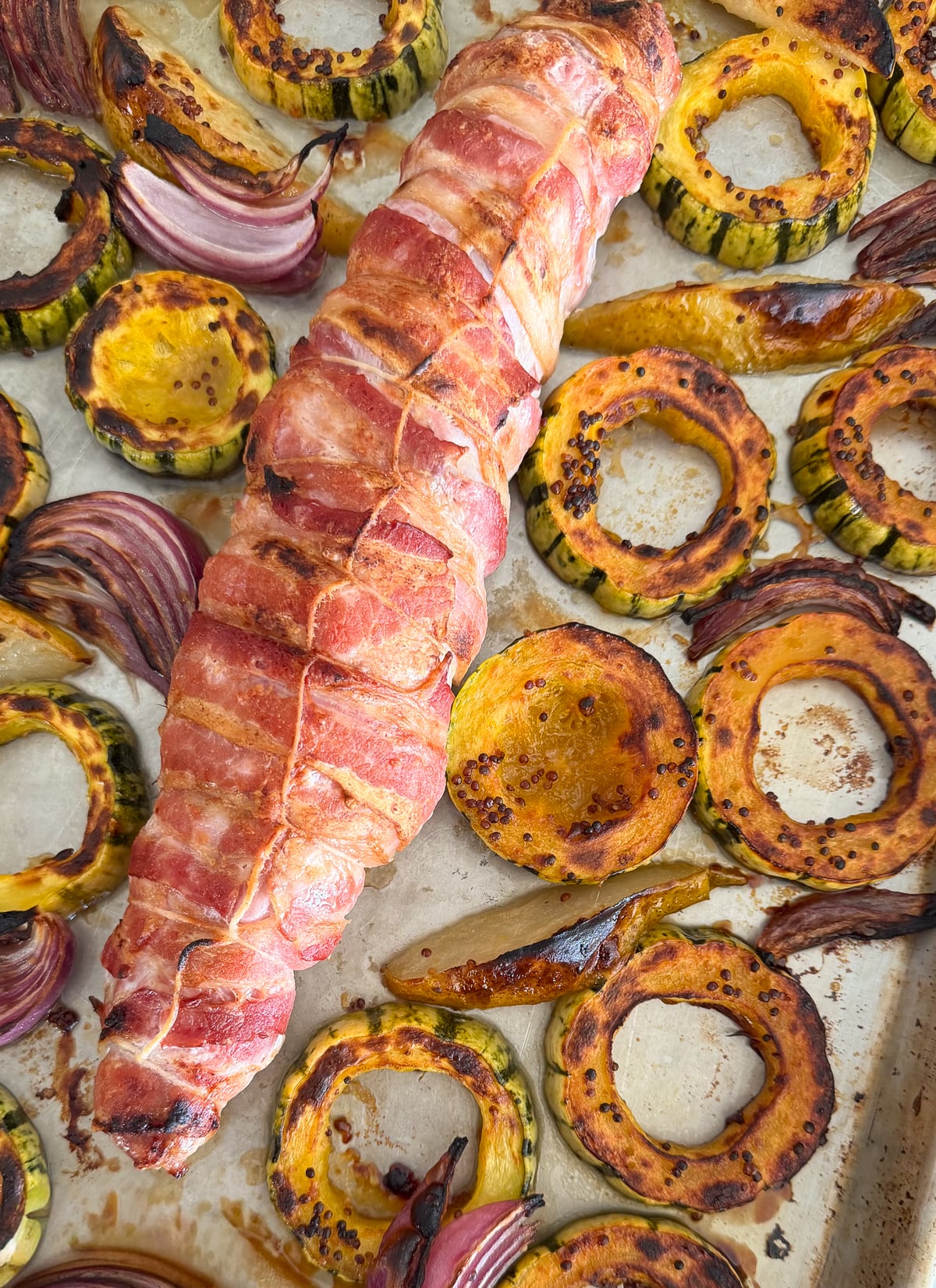
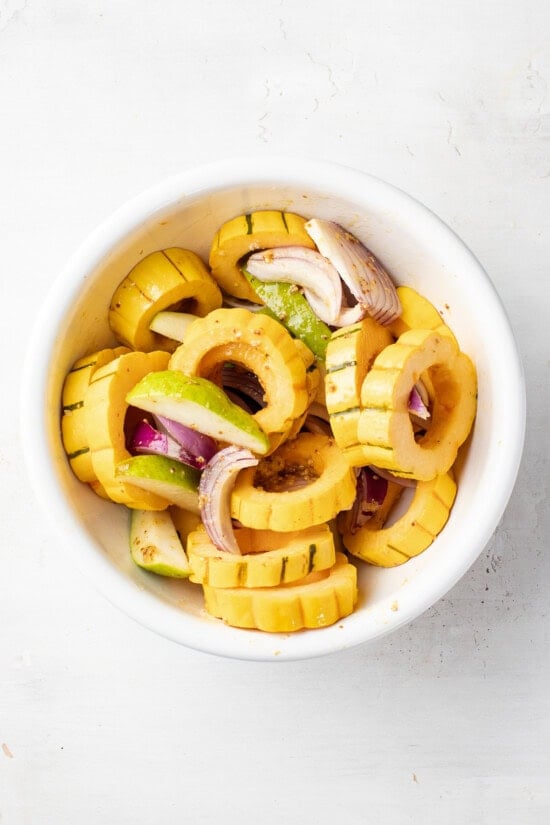
Delicata squash, a staple of the late autumn harvest, serves as the primary vegetable component. Unlike denser varieties of winter squash, delicata is noted for its thin, edible skin and nutty, custard-like texture when roasted. Nutritional data indicates that delicata squash is a robust source of dietary fiber, vitamins A and C, and potassium, making it an ideal candidate for nutrient-dense meal planning. When combined with pears—which undergo a process of caramelization during the roasting cycle—the dish achieves a balance of savory, sweet, and tangy notes, particularly when finished with a maple and whole-grain mustard glaze.
The Evolution of Sheet-Pan Gastronomy
The rise of the "sheet-pan dinner" can be traced back to the broader movement toward simplified, home-based meal preparation that accelerated in the early 2020s. Culinary analysts observe that this format—which relies on uniform cooking temperatures and standardized roasting times—has become a fixture in households prioritizing efficiency.

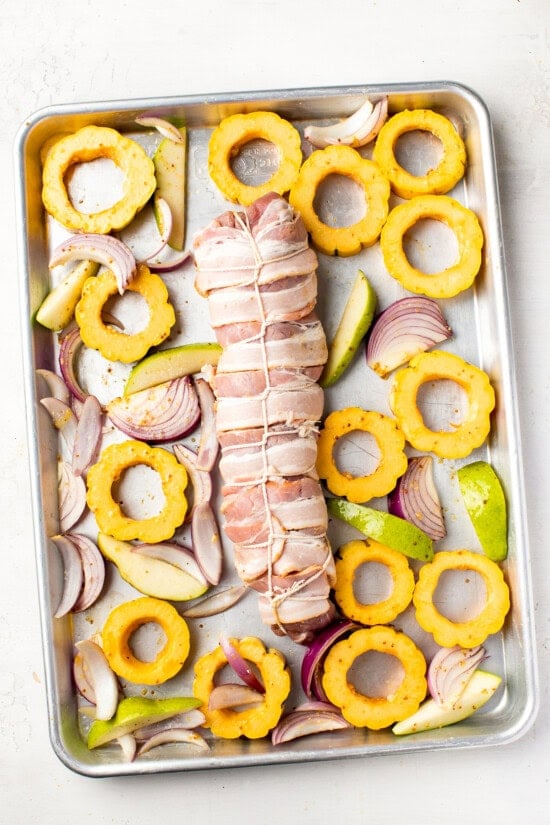
Historically, pork tenderloin was often prepared using multi-stage cooking methods, such as searing on a stovetop followed by roasting. The current shift toward one-pan methods reflects a broader industry trend toward "low-friction" cooking. By arranging the protein and produce on a single surface, the ingredients share flavor profiles as the juices from the bacon and the sugars from the pears meld, resulting in a more cohesive final product than would be achieved by cooking the components in isolation.
Nutritional Analysis and Dietary Implications
A standard serving of this dish—calculated at approximately three slices of pork with one-quarter of the roasted vegetables and fruit—delivers approximately 384 kilocalories. With 34 grams of protein, the meal aligns with dietary guidelines for high-protein intake, which is essential for muscle maintenance and satiety.

The carbohydrate content, measured at 36.5 grams, is primarily derived from the fiber-rich squash and the natural sugars present in the pears. With 5.5 grams of fiber per serving, the dish demonstrates a favorable glycemic profile compared to starch-heavy alternatives. The sodium content, at approximately 795.5 milligrams, is largely influenced by the curing process of the bacon. For those monitoring sodium intake, culinary experts suggest opting for lower-sodium bacon or reducing the added salt in the seasoning mix to maintain the nutritional balance of the meal.
Procedural Standards for Optimal Results
Professional culinary standards for roasting pork tenderloin suggest an internal temperature of 145 degrees Fahrenheit (63 degrees Celsius) to ensure both safety and optimal tenderness. Overcooking this specific cut is a common pitfall; however, the wrapping of bacon acts as a thermal barrier, providing a margin of error that is beneficial for home chefs.
The chronology of preparation is critical for the success of this recipe. The process generally follows a standardized timeline:
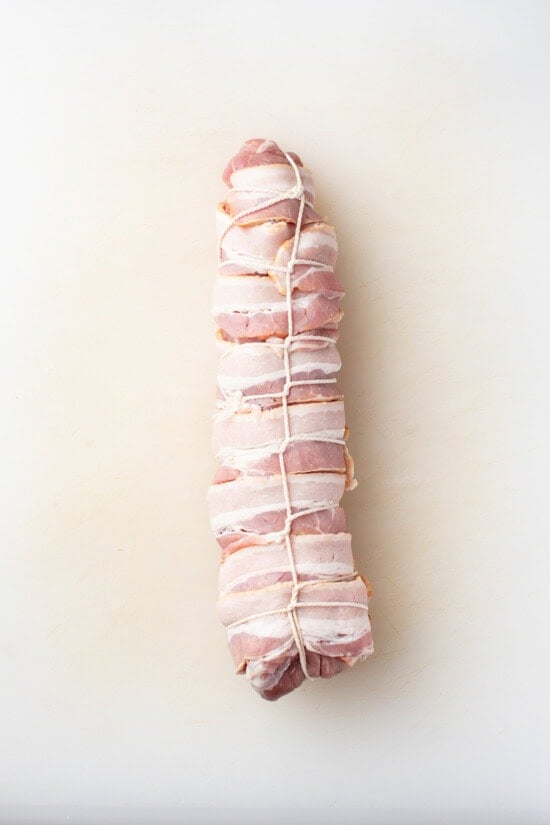
- Preparation (15 minutes): Slicing the squash and pears into uniform pieces ensures even cooking. The tenderloin is seasoned and wrapped in bacon, secured with kitchen twine or food-safe toothpicks to maintain structure.
- Roasting (25 minutes): The sheet pan is placed in a preheated oven. The goal is to reach the desired internal temperature of the pork while achieving a golden-brown caramelization on the squash and pears.
- Resting (5 minutes): This step is essential. Allowing the meat to rest post-cooking enables the muscle fibers to reabsorb juices, preventing moisture loss upon slicing.
Broader Market Context and Consumer Trends
The popularity of this specific recipe highlights a shift in consumer behavior regarding "fall-flavored" meals. Historically, autumn cooking was characterized by long-simmering stews and heavy braises. However, current market trends show a preference for dishes that reflect seasonal availability—such as pears and winter squash—while maintaining a modern, health-conscious profile.
Industry experts note that home cooks are increasingly looking for recipes that offer "professional results with minimal equipment." The requirement for only a single sheet pan significantly lowers the barrier to entry for novice cooks while providing a sophisticated outcome that appeals to experienced palates. The use of whole-grain mustard in the glaze is particularly significant; it introduces a textural element and a sharp, vinegary profile that cuts through the richness of the pork and the sweetness of the fruit.
Economic and Practical Considerations
From an economic perspective, pork tenderloin remains one of the more affordable premium proteins in the current grocery landscape, especially when compared to beef cuts. The ability to use seasonal produce like delicata squash, which is often reasonably priced during its peak season, makes this dish an accessible option for budget-conscious families.
Furthermore, the recipe is highly adaptable. Culinary professionals suggest that for those who do not have access to delicata squash, acorn squash or even thick-cut carrots can serve as viable substitutes, provided the roasting time is adjusted accordingly. The meal-prep capabilities of this dish are also noteworthy; the roasted components hold their texture well in refrigeration, making it a viable candidate for mid-week lunches or pre-portioned dinners.
Conclusion: The Synthesis of Convenience and Quality
The Bacon-Wrapped Pork Tenderloin with Delicata Squash and Pears is representative of a refined approach to home cooking. It succeeds by balancing three critical pillars: nutritional integrity, ease of execution, and flavor complexity. As modern households continue to navigate the demands of busy schedules, the reliance on scientifically optimized, one-pan preparation methods is likely to persist. By integrating seasonal ingredients with reliable protein sources, this dish provides a model for how high-quality, chef-inspired meals can be achieved within the constraints of a standard domestic kitchen.
The success of such recipes underscores a broader truth in modern gastronomy: the quality of a meal is no longer defined solely by the complexity of the preparation, but by the strategic selection of ingredients and the application of thermal techniques that preserve the integrity of the food. As consumers continue to demand transparency in nutrition and efficiency in labor, the sheet-pan format—exemplified by this pork and squash dish—will likely remain a central component of the contemporary culinary landscape.
