
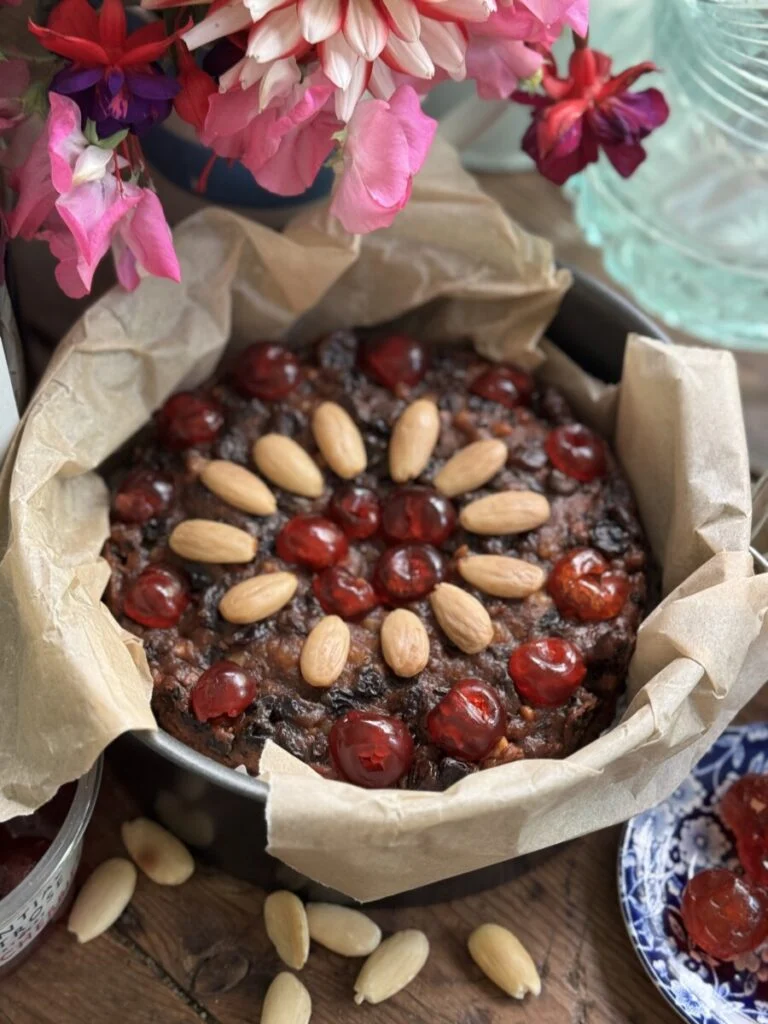
The Melton Hunt Cake represents a significant intersection of 19th-century British social history and the evolution of regional baking traditions in Leicestershire. Often overshadowed by the global fame of the Melton Mowbray pork pie, this exceptionally rich, rum-soaked fruit cake serves as a liquid and edible chronicle of the Victorian era’s equestrian culture. Its origins trace back to 1854, emerging from the workshops of local baker John Dickinson, who sought to provide a suitable accompaniment for the members of the prestigious Melton Hunt Club.

The Socio-Historical Context of the Melton Hunt
To understand the provenance of the cake, one must look at the mid-19th century in the East Midlands. Melton Mowbray had established itself as the epicenter of British fox hunting. The town attracted the landed gentry and aristocracy from across the country, who would descend upon the region during the hunting season. The Melton Hunt Club, founded in 1854, became the social hub for this elite demographic.

The "stirrup-cup"—a final drink served to a rider while still mounted on their horse—was a standard tradition before the hunt commenced. These beverages were often fortified, consisting of sherry, port, or punch. John Dickinson recognized a gap in the market for a high-energy, portable, and shelf-stable food item that could be consumed alongside these drinks. The resulting creation was the Melton Hunt Cake: a dense, dark, and heavily fortified fruit cake designed to provide sustenance during the long, physically demanding hours spent in the field.

Architectural Composition and Culinary Profile
The Melton Hunt Cake is distinguished by its structural integrity and intense flavor profile, both of which were deliberate design choices for the 1850s consumer. The base is constructed from a high-density mixture of dark Muscovado sugar, butter, and a generous measure of dark rum. Unlike lighter sponge cakes, this confection relies on a high ratio of dried vine fruits—specifically currants and sultanas—which act as both a sweetener and a preservative.

The visual presentation is iconic, featuring a top layer adorned with concentric circles of blanched almonds and glacé cherries. This aesthetic has often drawn comparisons to the Scottish Dundee cake. However, culinary historians note that the Melton variant is markedly richer. The inclusion of cherries provides a brightness that cuts through the deep molasses notes of the Muscovado sugar. When prepared correctly, the cake is not merely baked; it is "fed" over several weeks, with a skewer used to create channels for additional spirit infusions, typically brandy or rum, which enhance the cake’s shelf life and maturity.

Chronological Development and Evolution
1854: John Dickinson creates the first iteration of the cake in Melton Mowbray, specifically for the Melton Hunt Club.
1880s–1900s: The cake gains traction as a luxury export from Leicestershire, finding its way into the pantries of the upper-middle class across England.
Mid-20th Century: The decline of traditional hunting practices led to a waning in the cake’s cultural ubiquity, though it remained a staple of regional baking competitions.
2020s: A resurgence of interest in "heritage baking" has seen the recipe reclaimed by historians and enthusiasts, with modern adaptations focusing on high-quality organic ingredients and artisanal spirits.

Modern Interpretations and Culinary Analysis
In contemporary baking, the Melton Hunt Cake serves as a case study for the preservation of regional identity. While the original recipe was designed for the endurance of hunters, modern home bakers often adapt the formula to balance tradition with contemporary tastes. The modern iteration frequently includes a wider variety of dried fruits, such as apricots or figs, to add texture, though purists argue that the integrity of the cake relies on the traditional trio of currants, sultanas, and cherries.

From a nutritional standpoint, the cake is significantly calorie-dense, reflecting its origins as a working-class-to-aristocratic endurance fuel. A single serving contains approximately 321 calories, with a high carbohydrate content derived from the dried fruit and sugar. The fat content, largely from butter, provides the necessary mouthfeel and moisture that prevents the cake from becoming overly crumbly, a common issue with traditional fruit cakes of the period.

Cultural Implications and Broader Impact
The persistence of the Melton Hunt Cake in the British culinary consciousness is a testament to the endurance of regional identities. While the fox hunting traditions that birthed the cake have faced significant legislative and ethical scrutiny—leading to the Hunting Act 2004, which banned the hunting of wild mammals with dogs in England and Wales—the cake itself has successfully decoupled from its controversial origins.

It now occupies a position alongside other regional specialties such as the Yorkshire Fat Rascal or the Banbury Cake. It serves as a symbol of the "Afternoon Tea" culture, which saw a major revival in the early 21st century. The cake’s versatility is a key factor in its survival; it is frequently served as a dessert accompaniment to hard, sharp cheeses like Red Leicester or mature Cheddar. This savory-sweet pairing is a hallmark of the British palate, where the acidity of the fruit and the bite of the alcohol are tempered by the creaminess of the cheese.

The Role of Heritage Baking in Regional Identity
The continued production and celebration of the Melton Hunt Cake speak to a broader movement in the United Kingdom to preserve "forgotten" recipes. Professional bakers and food writers have played a pivotal role in this, using modern media platforms to document the techniques required to master the cake’s density and the intricate topping arrangement.

In the eyes of cultural sociologists, these recipes are more than just instructions for cooking; they are artifacts of social history. By maintaining the tradition of the Melton Hunt Cake, local communities in Leicestershire are preserving a connection to the mid-Victorian period, offering a tangible link to a time when regional craftsmanship was the primary driver of the local economy.

Future Outlook
As the culinary world moves toward a greater appreciation for sustainable, local, and historical ingredients, the Melton Hunt Cake is well-positioned for further study. Future research into the recipe may involve analyzing the specific types of wheat and fruits available in the 1850s to recreate a "true" Victorian version, free from the influence of modern industrial sugar processing.

For the home baker, the process of baking this cake is an exercise in patience. Unlike modern quick-baking, the Melton Hunt Cake rewards the creator for the time spent preparing the fruit, the precise placement of the almonds, and the weeks of "feeding" the cake with spirits. It remains a hallmark of British patience, a reflection of a time when the quality of a dish was measured not by how quickly it could be produced, but by how well it could withstand the passage of time.

In conclusion, the Melton Hunt Cake stands as a resilient example of how local food traditions evolve and survive. From its origins in the hunting fields of the 19th century to its place on the modern tea table, the cake continues to offer a window into the history of Leicestershire, bridging the gap between the rigid social structures of the Victorian era and the modern-day appreciation for artisanal heritage. As long as there is an interest in the history of British baking, this rich, fruity, and spirit-laden cake will continue to be a subject of both culinary enjoyment and historical fascination.
