
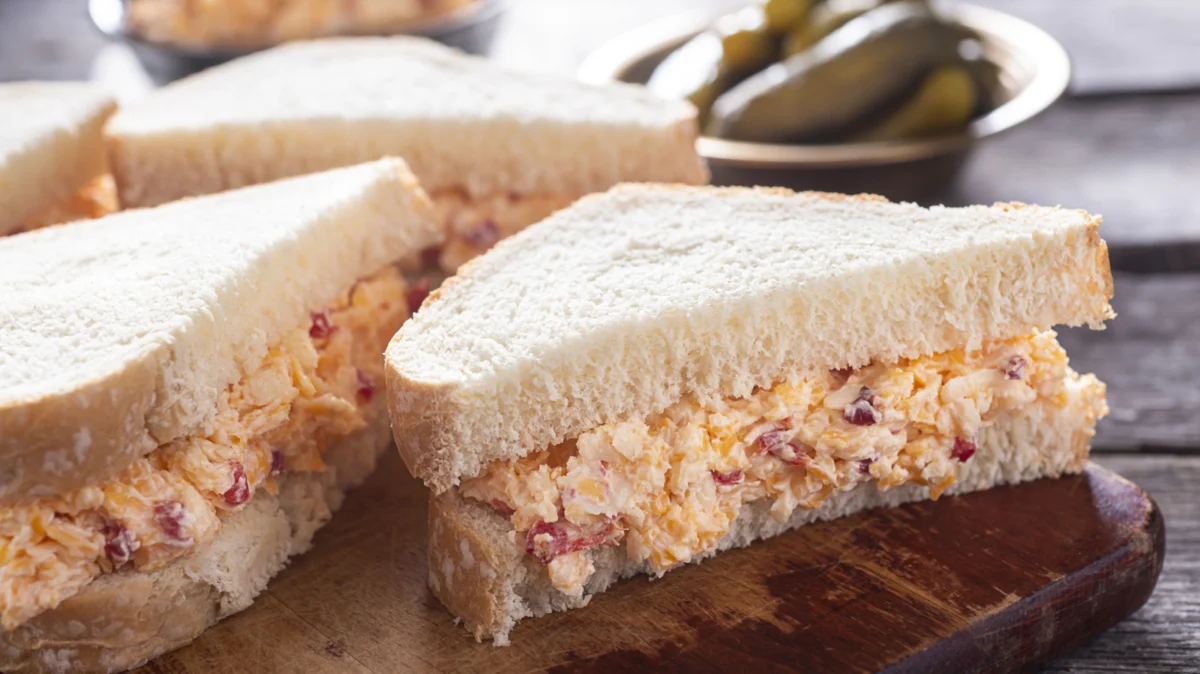
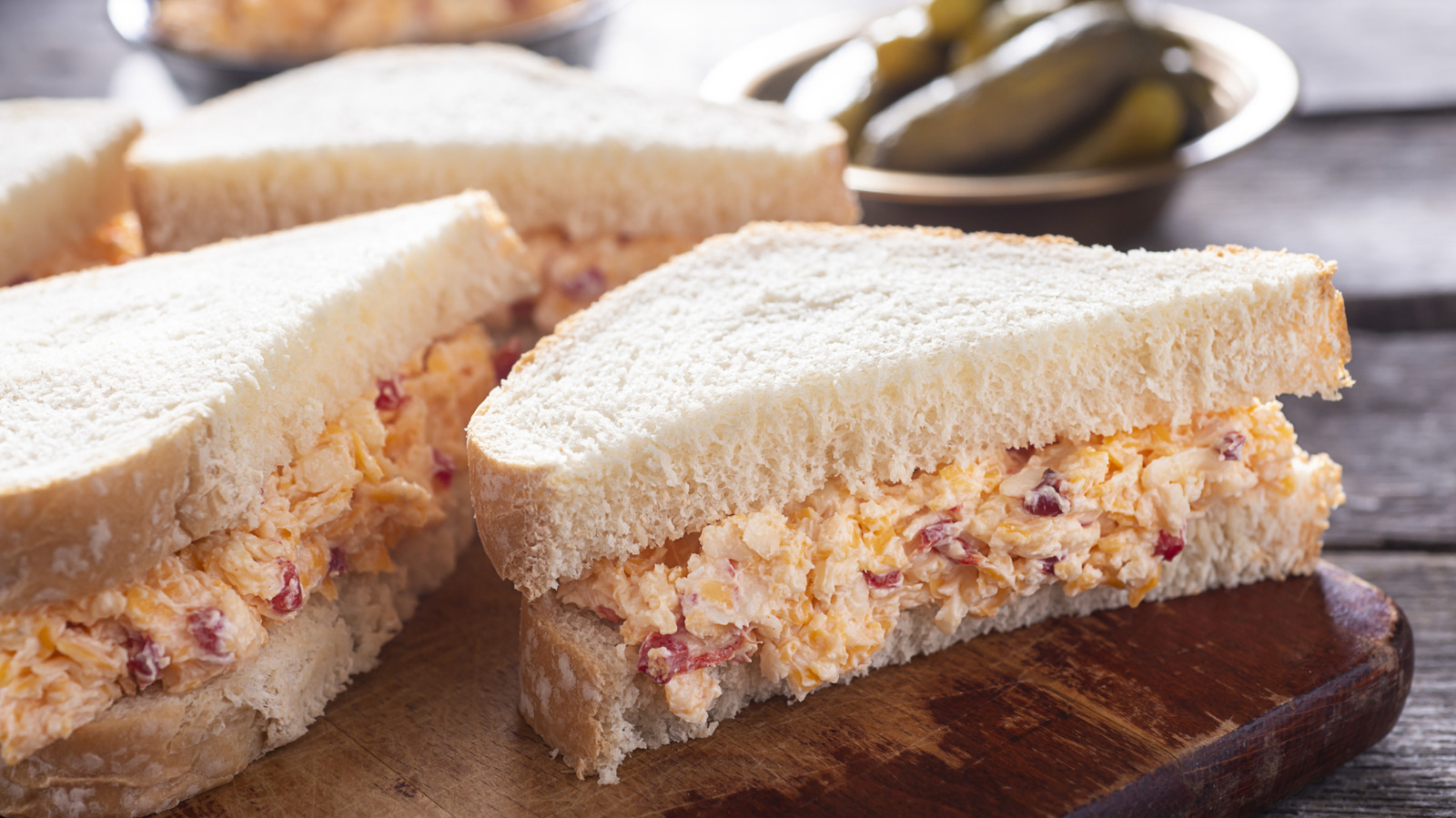
The pimento cheese sandwich, a staple of Southern American cuisine, has long been defined by its simplicity. Composed primarily of sharp cheddar, mayonnaise, and diced pimento peppers, the spread is traditionally served cold on white bread. However, as culinary interest in elevated comfort food continues to rise, home cooks and professional chefs alike are looking for ways to refine this classic dish without compromising its historical roots. Recent culinary trends suggest that the addition of caramelized onions—a low-cost, high-impact ingredient—is transforming the humble pimento sandwich into a gourmet experience.
The Evolution of a Southern Icon
Historically, pimento cheese emerged in the early 20th century, coinciding with the rise of industrial cream cheese and canned pimento imports from Spain. By the 1940s, it had become a regional sensation, eventually cementing its status as the quintessential snack of the Masters Tournament in Augusta, Georgia. For decades, the recipe remained static, relying on the contrast between the creamy, fatty cheese and the vinegary, mild pepper.
However, the modern culinary landscape demands more complexity. The transition from a "picnic staple" to a "gourmet menu item" often involves the introduction of textural and flavor-profile contrasts. According to food historians, the secret to elevating any classic dish lies in the "bridge" between savory, sweet, and acidic components. Caramelized onions serve as this bridge, offering a deep, umami-rich sweetness that complements the sharp, aged cheddar often found in high-quality pimento blends.
The Science of Caramelization
The transition of an onion from a raw, pungent bulb to a translucent, sweet, and golden-brown topping is a process rooted in chemistry. When onions are subjected to low, consistent heat over an extended period—typically 30 to 45 minutes—the heat breaks down the complex carbohydrates and starches within the vegetable. This process, known as the Maillard reaction, combined with the breakdown of sugars into simpler forms, results in the deep, savory-sweet profile characteristic of true caramelization.
Unlike sautéing, which uses high heat to quickly sear the exterior of a vegetable, caramelization requires patience. For those seeking to upgrade their pimento cheese sandwich, chefs recommend a slow-braising method. By adding a small amount of liquid, such as a splash of water, vegetable stock, or even a dry white wine, the cook can deglaze the pan throughout the process, ensuring that the sugars do not burn and that the onions maintain a jam-like consistency. This texture provides a perfect counterbalance to the firm, often slightly gritty texture of shredded cheddar.
Flavor Profiles and Pairing Dynamics
The versatility of the caramelized onion extends beyond its own flavor; it acts as a base for secondary flavor infusions. Culinary experts suggest several modifications to further enhance the sandwich experience:
- Balsamic and Wine Reductions: Adding a splash of balsamic vinegar or a dry red wine toward the end of the cooking process introduces a necessary acidity that cuts through the richness of the mayonnaise-based spread.
- The Sweet-Spicy Equilibrium: Incorporating hot honey or a touch of chili flake into the onions can bridge the gap between the pimento’s mild heat and the onion’s sweetness.
- Aromatic Enhancements: While garlic is a natural companion to onion, adding it too early in the caramelization process can lead to bitterness. Professionals suggest adding minced garlic only during the final five minutes of the cooking cycle.
These additions align with broader consumer trends toward "fusion comfort," where diners seek familiar, nostalgic dishes infused with ingredients typically reserved for fine dining.
Economic and Practical Implications
From an economic standpoint, the use of onions as a gourmet upgrade is highly efficient. Onions are consistently among the most affordable produce items in the United States, with average retail prices remaining stable even during periods of food inflation. For restaurants, adding a "caramelized onion pimento melt" to a menu provides a high-margin option that carries an air of sophistication, justifying a higher price point while keeping food costs minimal.
Furthermore, the preparation does not require specialized equipment. Most kitchens—domestic or commercial—are equipped with the necessary heavy-bottomed pans required for the slow cooking process. This ease of entry ensures that the trend is accessible to a wide demographic, contributing to its rapid adoption across diverse social media platforms and recipe blogs.
Beyond the Sandwich: Creative Applications
The utility of caramelized onions paired with pimento cheese extends well beyond the sandwich loaf. Industry reports indicate that this flavor combination is increasingly appearing in high-end burger builds and patty melts. When placed between a beef patty and a toasted brioche bun, the pimento cheese acts as a flavorful "glue," while the onions provide a necessary depth that prevents the burger from feeling one-dimensional.
Other creative applications include:
- Savory Toasts: Using the mixture as a topper for sourdough crostini, potentially finished with a sprig of fresh thyme.
- Stuffed Proteins: Serving as a filling for chicken breasts or portobello mushroom caps.
- Savory Pastries: Incorporating the combination into puff pastry pockets for an elevated hors d’oeuvre.
Expert Perspectives and Culinary Analysis
Food analysts note that the recent "gourmet-ification" of pimento cheese is part of a larger movement toward "regional revivalism." As diners become increasingly interested in the origins of American regional foods, they are simultaneously seeking ways to make those foods feel relevant to contemporary palates.
"The addition of a sweet, savory element like a slow-cooked onion changes the psychology of the sandwich," says one culinary consultant. "It moves the dish from a ‘snack’ to a ‘meal.’ When you introduce depth—that umami that only comes from long-cooked aromatics—you are no longer eating a cold cheese spread; you are eating a curated, composed sandwich."
While purists may argue that the traditional pimento cheese sandwich should remain untouched, the market data suggests otherwise. As sales of artisan cheeses and specialty condiments continue to rise, the appetite for elevated versions of traditional staples shows no signs of waning.
Conclusion: A Simple Upgrade with Lasting Impact
The elevation of the pimento cheese sandwich via caramelized onions is a prime example of how minimal investment in technique can yield maximum results. By understanding the chemical process of caramelization and carefully balancing flavor profiles, home cooks can transform a low-cost, historical staple into a sophisticated dish suitable for any table. Whether served as a simple toasted sandwich or as a component in a more complex culinary creation, the addition of caramelized onions represents a thoughtful, cost-effective, and highly successful evolution in American comfort food. As the trend continues to gain traction, it is likely that we will see more variations on this theme, proving that even the most established classics have room to grow.
