
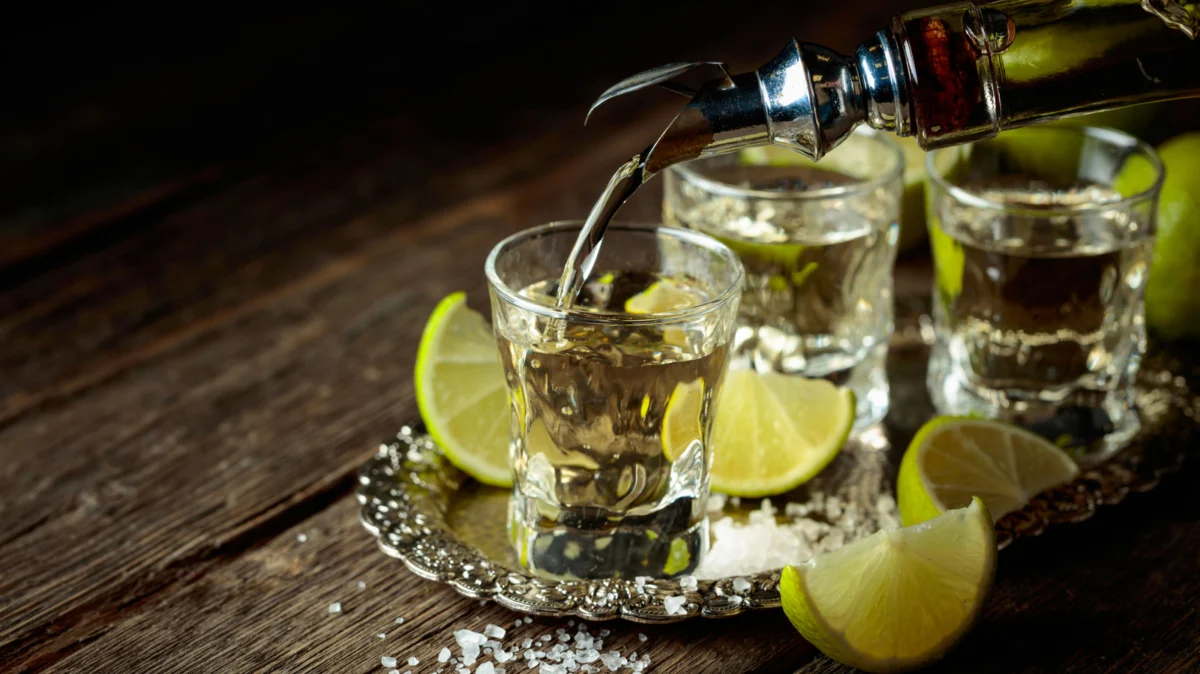
The evolution of the tequila industry over the past decade has shifted from a market dominated by high-volume, mass-produced spirits often associated with "shot culture" toward a connoisseur-driven landscape that mirrors the complexity of fine wine or single-malt scotch. For decades, the consumer experience was largely dictated by products that relied on flavor-masking agents—such as excessive salt and lime—to counteract the harsh, industrial profile of "mixto" tequilas. However, as the global demand for premium agave spirits continues to climb, bartenders and industry professionals are increasingly steering consumers toward artisanal, additive-free, and estate-grown options that highlight the inherent terroir of the Jalisco region.
The Shift Toward Transparency and Craftsmanship
The current market trend is defined by a rigorous focus on production methods. According to data from the Distilled Spirits Council of the United States (DISCUS), the super-premium tequila category has seen exponential growth, outpacing nearly every other spirits segment. This growth is driven by a more educated consumer base that is increasingly wary of additives like glycerin, sugar-based syrups, or artificial oak flavorings, which are often used to achieve artificial consistency across batches.
Modern bartenders are now acting as curators of this transparency. By championing brands that utilize traditional production techniques—such as the use of volcanic stone tahonas for crushing agave, brick ovens for slow-roasting piñas, and copper pot stills—these professionals are helping to preserve a centuries-old craft that was once at risk of total industrialization.
Profiles in Excellence: Brands Defining the Premium Standard
Lalo: The Purist’s Choice
Lalo Tequila has emerged as a benchmark for the "less is more" philosophy. By focusing on a single expression—a blanco tequila produced from Highland agave, deep well water, and champagne yeast—the brand strips away the marketing noise surrounding aging and wood finishing. For professionals like Mike Lopez, Director of Food and Beverage at Luna Roja, Lalo represents a return to the fundamentals. The absence of additives allows the natural minerality and citrus notes of the Highlands to shine, providing a clean, high-value spirit that remains remarkably versatile for both neat sipping and refined cocktail construction.
Komos: Luxury Through Innovation
While some brands focus on raw simplicity, Komos Tequila represents the intersection of luxury design and unconventional maturation. By aging its collection in French Oak wine barrels, Komos introduces a level of nuance usually reserved for fine brandies. The brand is as much about the aesthetic experience as the liquid; their handcrafted ceramic decanters serve a functional purpose by protecting the spirit from sunlight. This approach has earned the brand a reputation among high-end mixologists for providing a luxurious experience that challenges traditional expectations of how tequila should be aged and presented.
Cazcanes: Volcanic Terroir and Heritage
Cazcanes has gained significant traction for its commitment to the Navichi Springs in Hostotipaquillo. The use of natural volcanic spring water acts as a defining signature for the brand, infusing the spirit with a distinct profile that is difficult to replicate. Bartenders such as Dylan Harris and Gustavo Rojas highlight the brand’s dedication to traditional craftsmanship as its primary differentiator. Whether it is the French Cabernet barrel-aged Rosa Reposado or the bold Nuestras Raíces series, Cazcanes exemplifies how regional geology can directly influence the flavor profile of the final spirit.
Tequila Ocho: The Viticultural Approach to Agave
Tequila Ocho is perhaps the most prominent example of applying a "vintage" mindset to agave. Founded by Carlos Camarena—a descendant of a long line of agave farmers—the brand treats agave fields with the same scrutiny as a vineyard treats a plot of grapes. By labeling each bottle with the specific field of origin and harvest year, Ocho educates consumers on the importance of terroir. As Mike Lopez notes, this seasonal, field-specific approach allows drinkers to experience the subtle variations in herbal and spicy notes that occur naturally, elevating the spirit beyond a standard commodity.
The Role of Heritage and Modern Innovation
The tequila landscape is further complicated by the rise of "Destilado de Agave" brands like Caballito Cerrero. Because regulations strictly define "tequila" as being derived from Blue Weber agave, producers who experiment with other agave species—such as the Chato agave used by Caballito Cerrero—are forced into this separate category. Despite the lack of an official "tequila" label, industry experts argue that these spirits often hold more historical integrity than modern, mass-produced tequilas.
Similarly, brands like Fortaleza and Cascahuín serve as the backbone of the "traditionalist" movement. Fortaleza’s resurrection of a century-old distillery, complete with original copper pot stills and stone tahona, provides a reference point for what tequila tasted like before the era of mass industrialization. For the modern "tequila nerd," these brands are not just labels; they are artifacts of a preservationist effort.
Broader Economic and Industry Implications
The pivot toward premiumization has had a profound impact on the Jalisco economy. As brands like Volcán de Mi Tierra—which operates under the LVMH umbrella—and Don Fulano invest heavily in sustainable agriculture and high-end production facilities, the pressure is on smaller producers to maintain quality while scaling up.
The implications for the hospitality industry are clear: the "house pour" at a high-end bar is no longer a generic, bottom-shelf product. Instead, it is a deliberate choice that reflects the establishment’s values. The inclusion of brands like The Lost Explorer—which leverages its background in Oaxacan mezcal production to bring a complex, layered approach to its tequila—demonstrates that cross-pollination between different agave spirit categories is becoming a standard practice.
Expert Outlook and Future Trends
As we move toward the latter half of the decade, the industry is expected to place even greater emphasis on environmental sustainability. The water-intensive nature of tequila production and the long growth cycle of the Blue Weber agave (typically six to nine years) present significant challenges. Brands that can demonstrate sustainable land management and fair-trade labor practices will likely command even greater loyalty from both bartenders and consumers.
The "Bartender Bucket List" mentality, as mentioned by industry consultant Mia Mastroianni, suggests that the market for ultra-premium, high-cost tequilas (such as rare extra añejos or limited editions) will continue to grow as collectors view these bottles as both consumption items and investment assets.
Ultimately, the upgrade in tequila is not merely about a higher price point; it is about an upgrade in knowledge. Whether through the ceramic artistry of Clase Azul, the terroir-focused vintage labels of Tequila Ocho, or the uncompromising traditionalism of Fortaleza, the current generation of tequila brands is proving that when the focus returns to the agave, the spirit thrives. For the consumer, this translates to a richer, more diverse, and more honest drinking experience that honors the complex heritage of the Jalisco highlands.
