
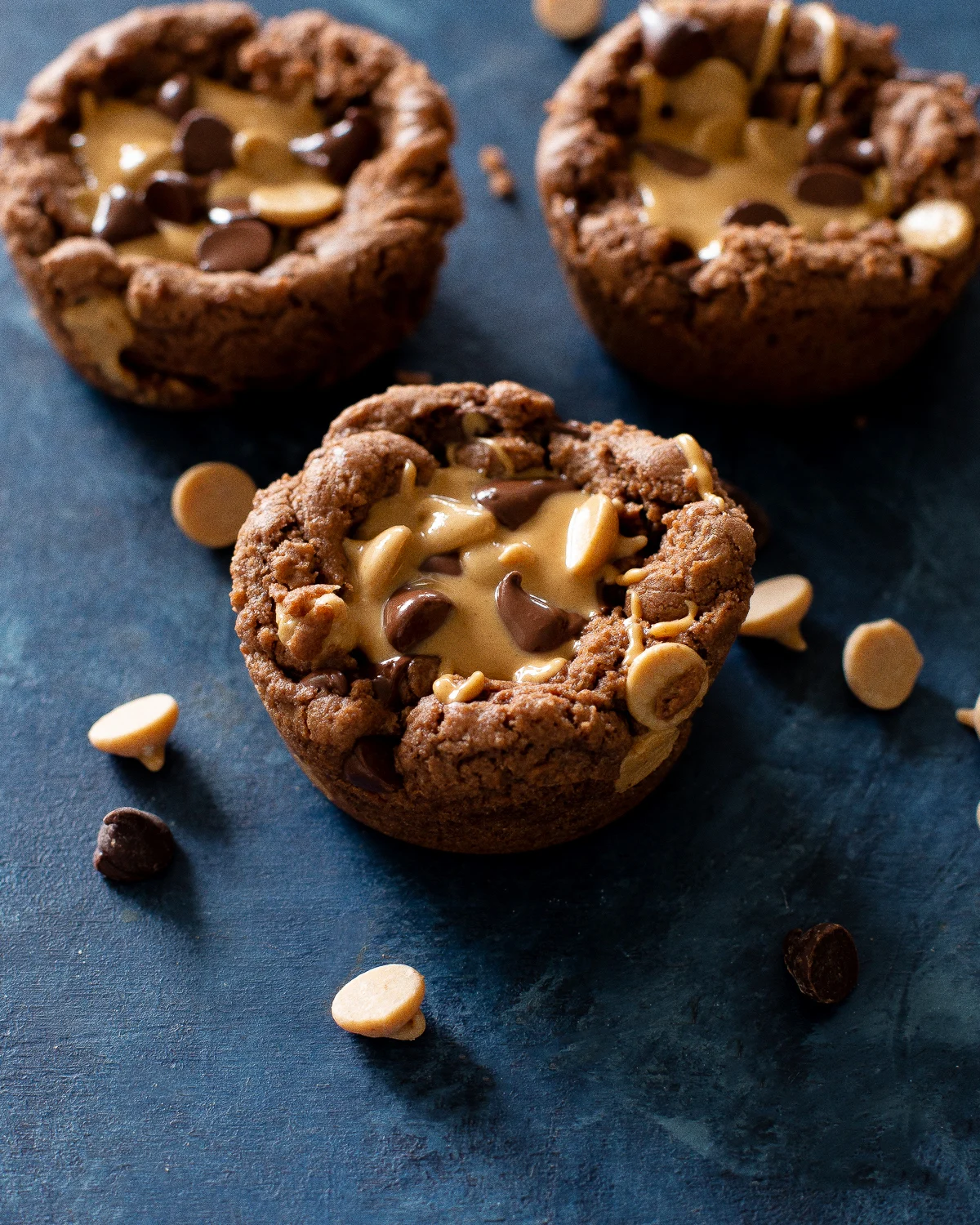
Historical Context and the Evolution of Confectionery Fusion
The integration of chocolate and peanut butter is a cornerstone of the North American snack food industry. Historical data from the National Confectioners Association suggests that the pairing has maintained a high approval rating among consumers for over a century. While the commercial mass production of peanut butter cups dates back to the early 20th century, the domestic adaptation—incorporating these elements into baked brownie formats—emerged as a popular trend during the early 2000s.
The rise of the "brownie bite" as a culinary category reflects a shift toward smaller, more indulgent portions. Unlike traditional pan-baked brownies, which require slicing and often result in inconsistent edge-to-center ratios, the brownie cup format—typically baked in muffin tins—standardizes the heat distribution. This process ensures a uniform crispness on the exterior while maintaining a molten, soft center, an ideal environment for incorporating heat-sensitive ingredients like chocolate and peanut butter chips.

Technical Composition and Ingredient Synergy
The construction of a Brownie Peanut Butter Cup relies on the principles of food science to maintain structural integrity. The batter is typically a high-fat, cocoa-heavy emulsion that provides the necessary moisture to prevent the inclusion of chips from causing the brownie to become overly crumbly.
Key components include:
- Semi-Sweet Chocolate Chips: Chosen for their higher cocoa butter content, these chips offer a tempered sweetness that balances the intensity of the brownie base.
- Peanut Butter Chips: These are specialized confectionery drops made from partially defatted peanut flour, sugar, and hydrogenated oils. Their inclusion adds a distinct textural contrast to the dense crumb.
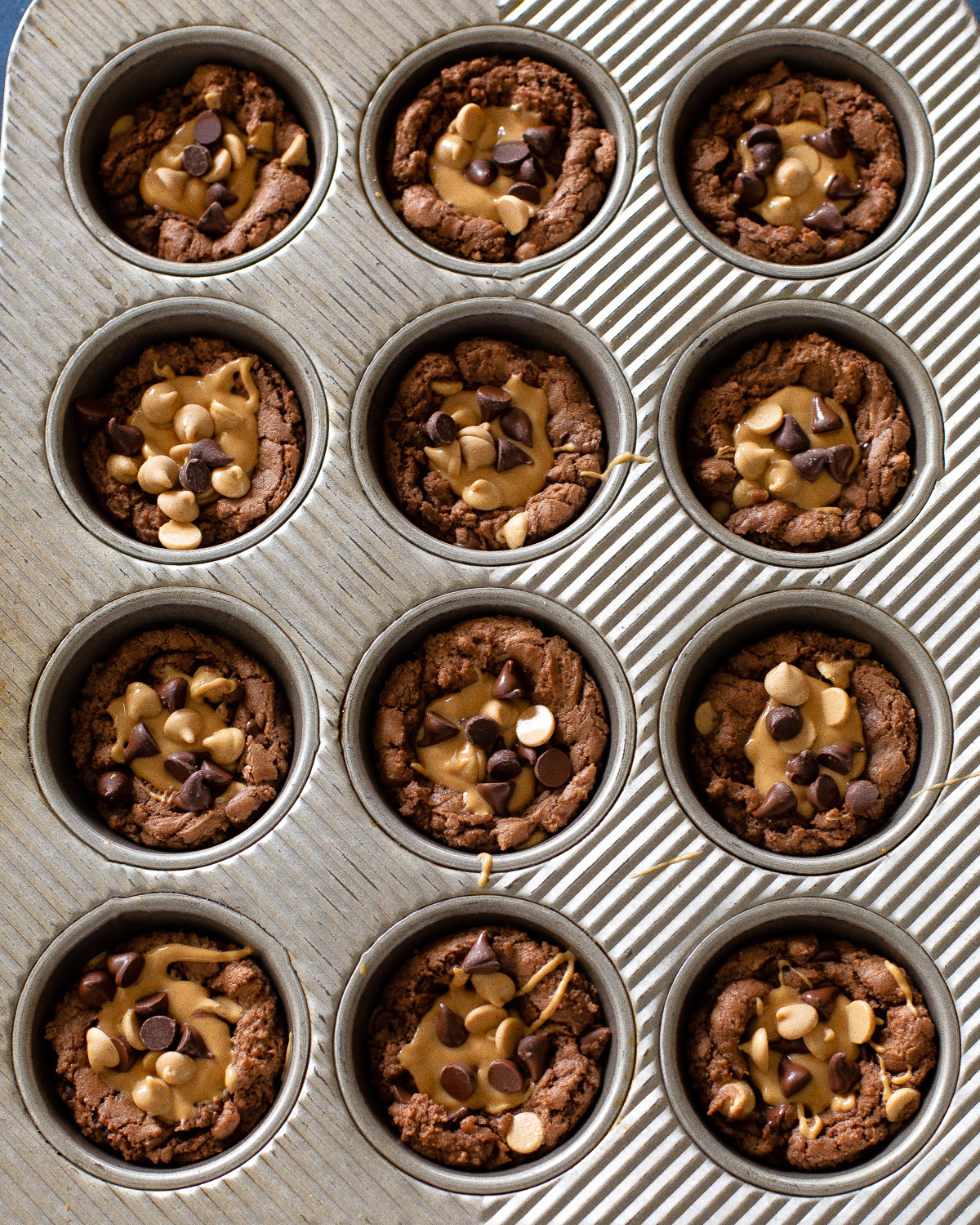
- The Peanut Butter Drizzle: Applied post-baking, this element functions as both a visual garnish and a flavor intensifier. From a culinary perspective, the drizzle acts as a bridge between the bitter notes of the chocolate and the saltiness of the nut butter.
Chronology of Preparation and Culinary Methodology
The preparation of these items follows a systematic workflow designed to optimize both texture and aesthetic appeal.
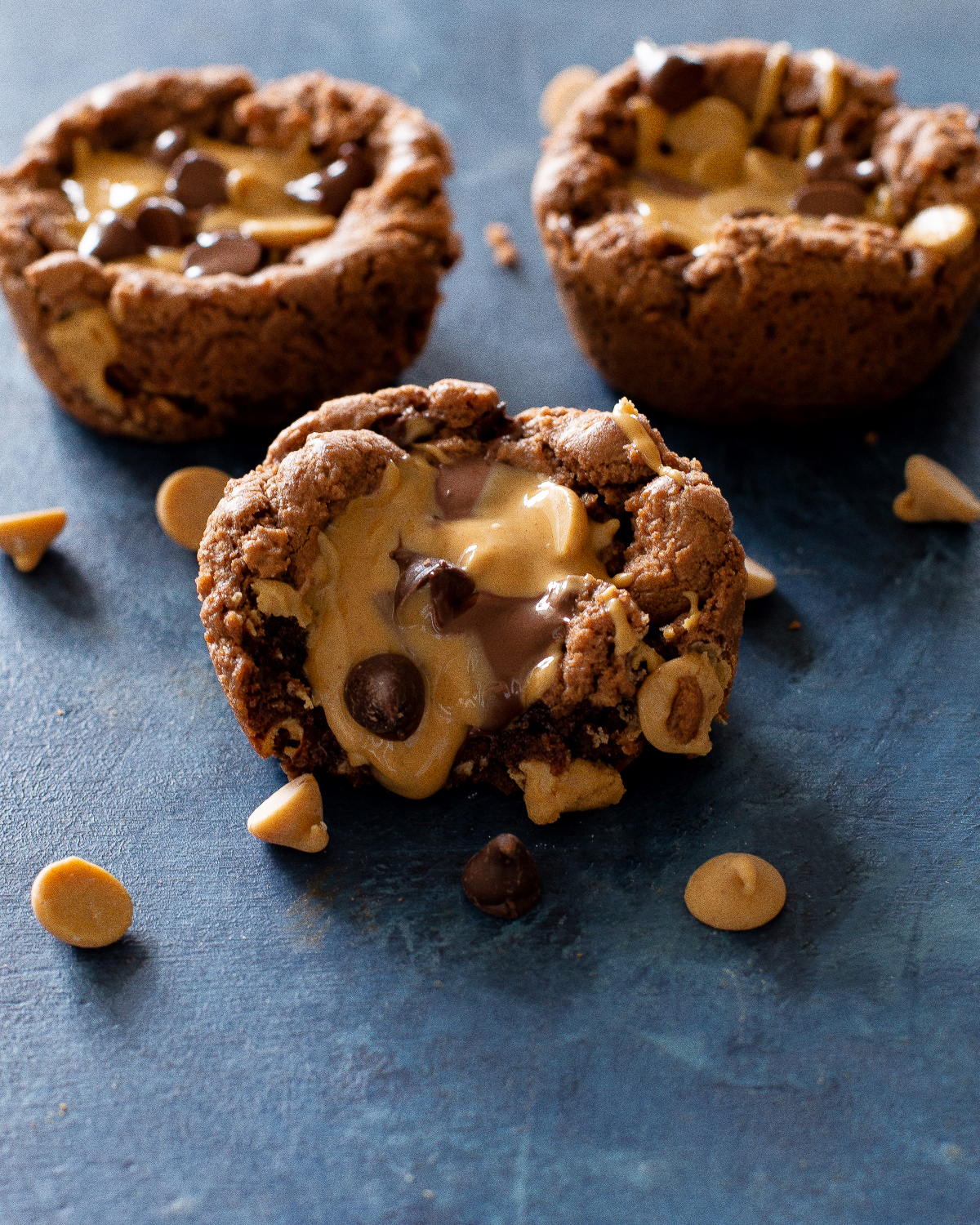
- Preparation Phase (T-minus 30 minutes): Oven calibration is essential, as the small volume of a brownie cup requires a precise temperature—typically 350°F (175°C)—to achieve a "set" edge before the center overcooks.
- The Emulsion Stage: The base batter is prepared, usually by emulsifying fat (butter or oil) with sugar and eggs, followed by the addition of cocoa solids. The folding of the chips occurs in the final stages of mixing to ensure even distribution.
- Thermal Processing: The baking duration is significantly shorter than standard sheet-pan brownies, usually lasting between 15 to 20 minutes. This abbreviated window is critical; if overbaked, the peanut butter chips lose their structural integrity and integrate too deeply into the batter, losing their defined "bite."
- Cooling and Finishing: A cooling period of at least 20 minutes is required to allow the crumb to firm up. The final stage involves the application of the peanut butter drizzle, which is often melted to a specific viscosity to ensure a clean, professional finish.
Nutritional Implications and Market Trends
From a nutritional standpoint, these desserts are classified as high-calorie, high-lipid treats. Analysis of standard recipes indicates that a single brownie cup can contain anywhere from 200 to 350 calories, depending on the richness of the batter and the quantity of inclusions.
Market analysts have observed that the popularity of such desserts is closely linked to the "small-batch" trend. As consumers become more conscious of portion sizes, the brownie cup format allows for a sense of indulgence without the perceived excess of a large, full-sized brownie. Furthermore, the inclusion of peanut butter—a source of plant-based protein—is sometimes perceived by consumers as a "health-adjacent" improvement, although nutritional experts note that the high sugar content inherent in the recipe largely negates the protein benefits.
Expert Perspectives on Flavor Pairing
Food technologists often categorize the brownie-peanut butter combination as a "flavor anchor." According to industry research, the pairing works because it triggers the "bliss point"—a precise concentration of salt, sugar, and fat that maximizes palatability. The semi-sweet chocolate provides a bitter counterpoint to the fatty, salty, and sweet notes of the peanut butter, creating a sensory experience that is complex yet accessible.
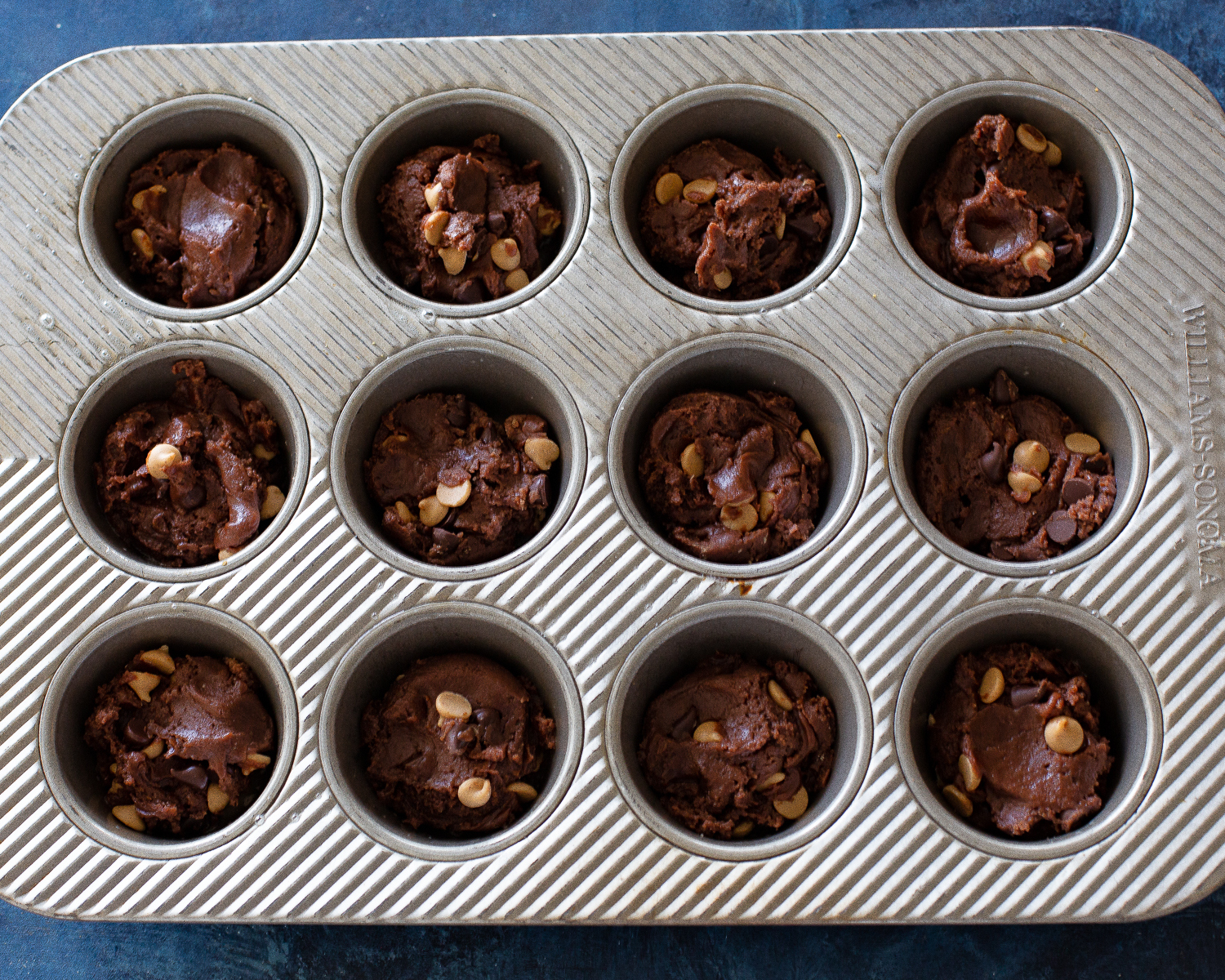
In professional bakery settings, the challenge of maintaining the distinct flavor of the peanut butter chips while the brownie is in the oven is a common concern. Research suggests that using "bake-stable" chips—which contain a higher percentage of stabilizer—is key to ensuring that the chips remain intact rather than dissolving into the batter during the chemical leavening process.
Broader Impact on Home Baking
The accessibility of this recipe has contributed to its longevity in the home baking space. Because the process does not require specialized industrial equipment, it remains a staple for home cooks. The internet-era dissemination of this recipe through platforms like food blogs has allowed for rapid iteration, with many home cooks modifying the base to include sea salt, toasted peanuts, or even dark chocolate variations to cater to more sophisticated palates.
Economic and Supply Chain Considerations
The cost of production for these items is heavily influenced by the global prices of cocoa and peanuts. Cocoa prices, in particular, have seen significant volatility over the last several years due to climate-related production issues in West Africa. Similarly, the peanut market is subject to agricultural cycles that can affect the cost of both the butter and the chips. For the average consumer, however, the ingredients remain relatively affordable, making this a cost-effective dessert option for large-scale social events and gatherings.
Future Trajectories for the Recipe
As the culinary landscape continues to prioritize ingredient transparency and quality, future iterations of Brownie Peanut Butter Cups are expected to shift toward higher-grade chocolates and natural, non-hydrogenated nut butters. The trend toward "clean label" ingredients—such as using pure cocoa mass rather than processed cocoa powder—is likely to elevate the flavor profile further, potentially transitioning this home-style snack into the realm of artisanal gourmet treats.
The sustained popularity of these cups serves as a case study for the endurance of "comfort food" in an era of rapidly changing dietary trends. Despite the rise of gluten-free, vegan, and low-sugar alternatives, the classic, indulgent combination of chocolate and peanut butter remains a high-demand commodity. Whether produced in a commercial kitchen or a home oven, the Brownie Peanut Butter Cup stands as a testament to the enduring appeal of simple, high-impact flavor combinations that cater to the universal human preference for sweet and savory harmony.
As we look toward future culinary developments, it is likely that this format will serve as a template for further innovation, potentially incorporating global flavor influences—such as spicy chili-infused chocolate or exotic nut variations—thereby ensuring that this simple brownie bite remains a staple of the American dessert repertoire for years to come.
