
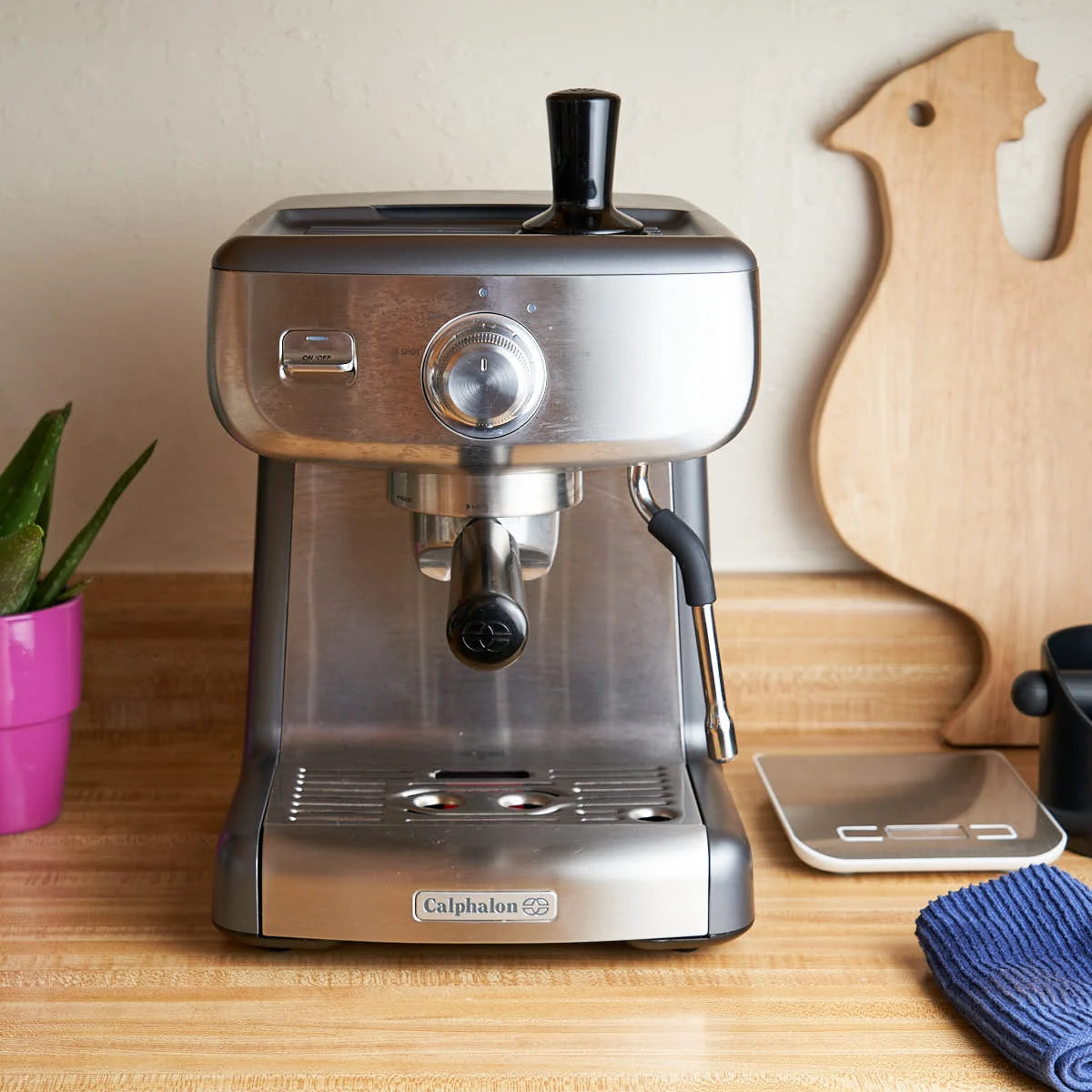
The home espresso market has experienced a significant shift over the past decade as consumer demand for cafe-quality beverages has moved from commercial storefronts into residential kitchens. Central to this transition is the rise of mid-range, semi-automatic espresso machines, such as the Calphalon Temp IQ. This appliance, which occupies a competitive space in the kitchenware sector, is designed to bridge the gap between entry-level steam-driven machines and professional-grade manual equipment. By balancing ease of use with essential pressure and thermal stability, the unit aims to provide a consistent extraction experience for domestic users.
The Evolution of Residential Espresso Technology
The history of the domestic espresso machine dates back to the mid-20th century, but the technology underwent a major paradigm shift around 2015. As the "third wave" coffee movement—which emphasizes the origin, roast profile, and extraction precision of coffee—gained global traction, consumers began seeking hardware that could replicate the complexity of specialty coffee shops. The Calphalon Temp IQ enters this market as a response to the need for a compact, user-friendly, and cost-effective machine that does not sacrifice the fundamentals of high-pressure extraction.
Technically, the machine utilizes a thermoblock heating system, which is a common feature in modern mid-range appliances. Unlike the large boilers found in commercial machines, which require significant power and space, a thermoblock heats water rapidly as it passes through the system. This allows for a shorter warm-up time—a critical factor for the average morning user—while maintaining a consistent temperature, which is arguably the most important variable in achieving a balanced espresso shot.
Performance Metrics and Extraction Dynamics
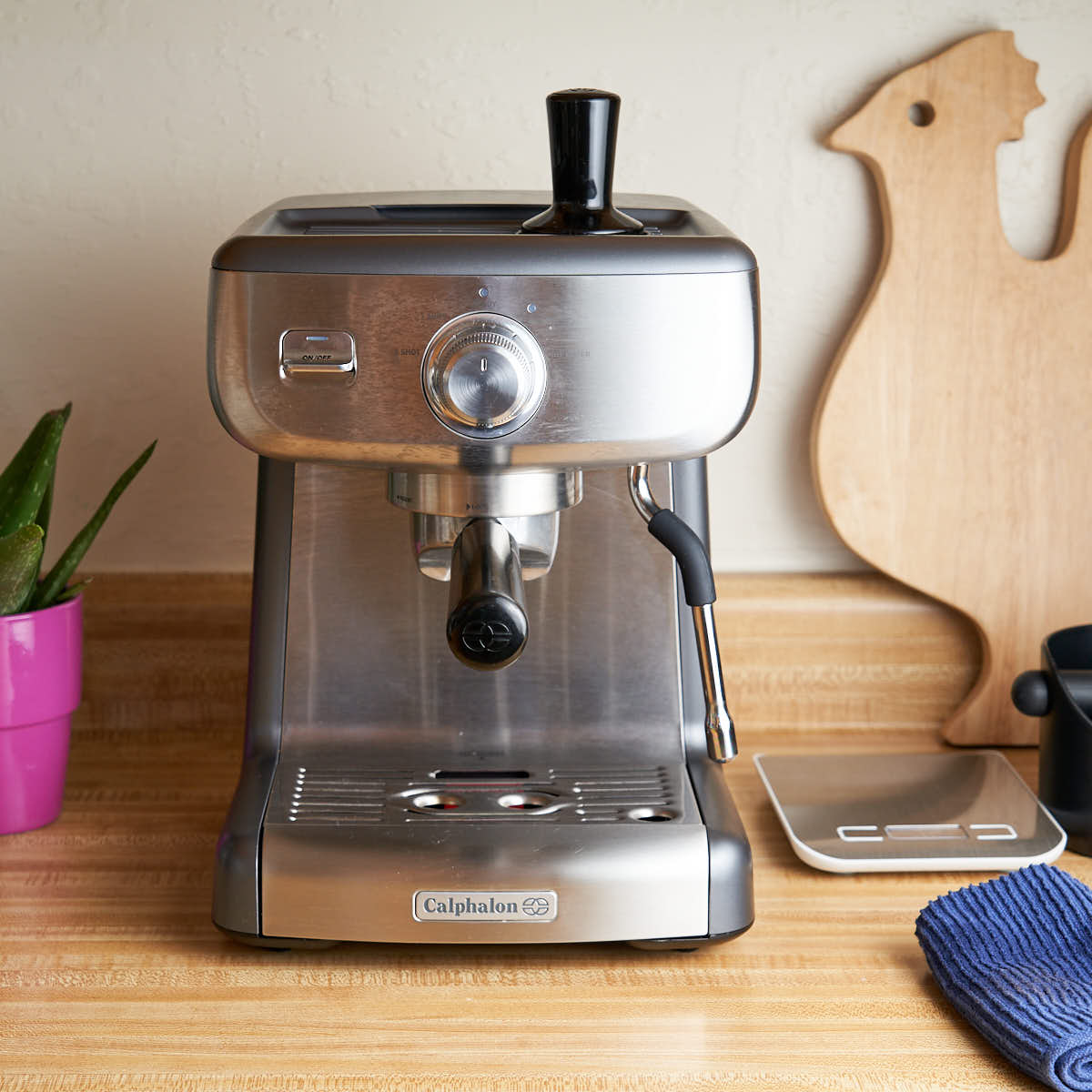
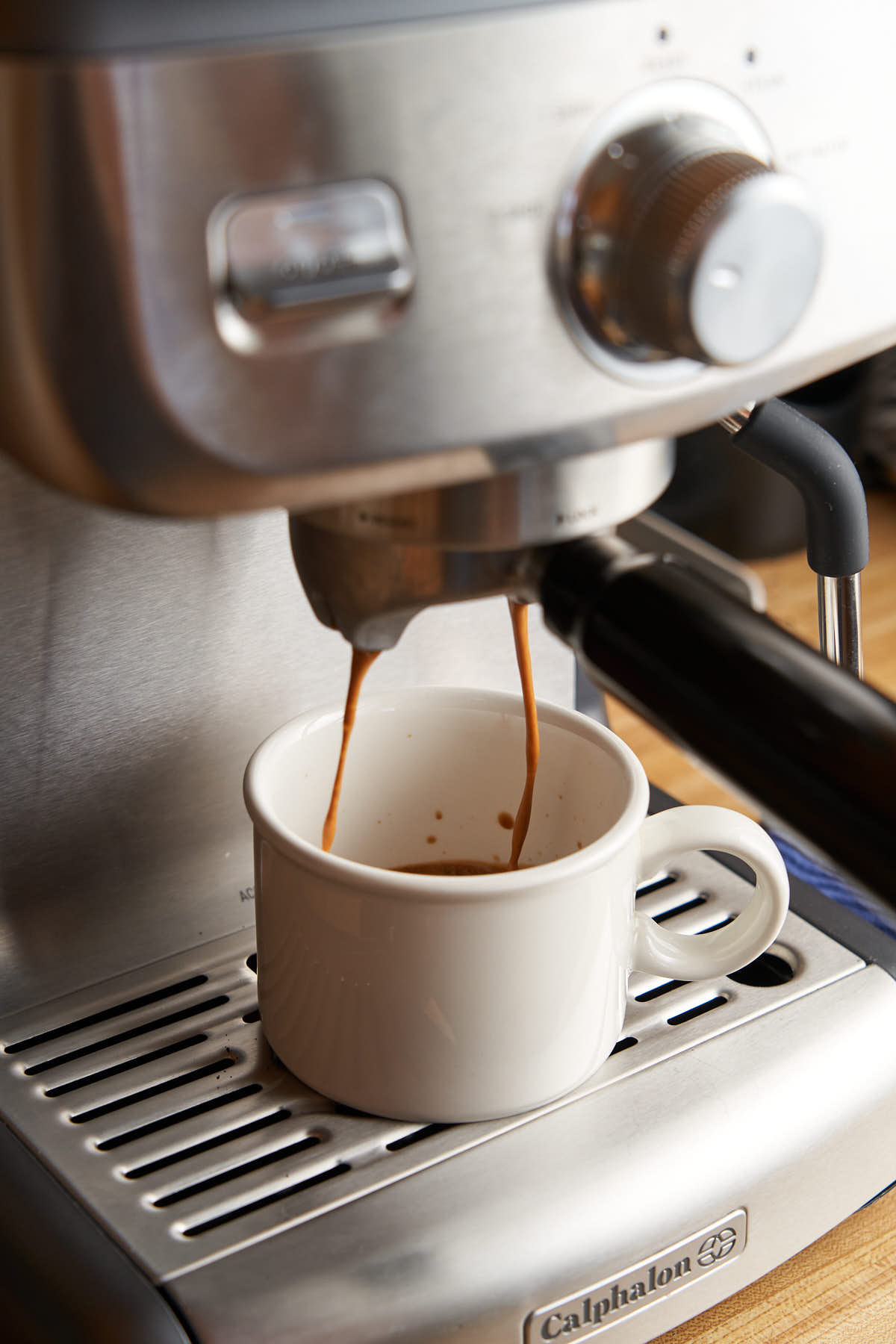
The fundamental requirement for any espresso machine is its ability to reach and maintain the "golden ratio" of pressure and temperature. The Calphalon Temp IQ is engineered to provide the industry-standard nine bars of pressure. Achieving this pressure consistently is essential for emulsifying the coffee oils and creating the characteristic crema that defines a proper espresso.
Data analysis from recent user testing suggests that the machine’s automated volumetric controls are a significant draw for the target demographic. By factory-setting the machine to 1 oz for a single shot and 2 oz for a double, the manufacturer reduces the margin for error for novice baristas. This automation ensures that the extraction time—typically falling between 25 and 30 seconds—remains within the optimal window for flavor development. For those with a more technical background, the machine allows for manual programming of these volumes, providing a level of customization usually reserved for higher-priced units.
Design and Ergonomics: The Trade-offs of Space
One of the most debated features in the current espresso market is the inclusion of an integrated burr grinder. The Calphalon Temp IQ is sold in two variants: one featuring a built-in grinder and one without. The version lacking the integrated grinder offers a distinct advantage in terms of spatial footprint.
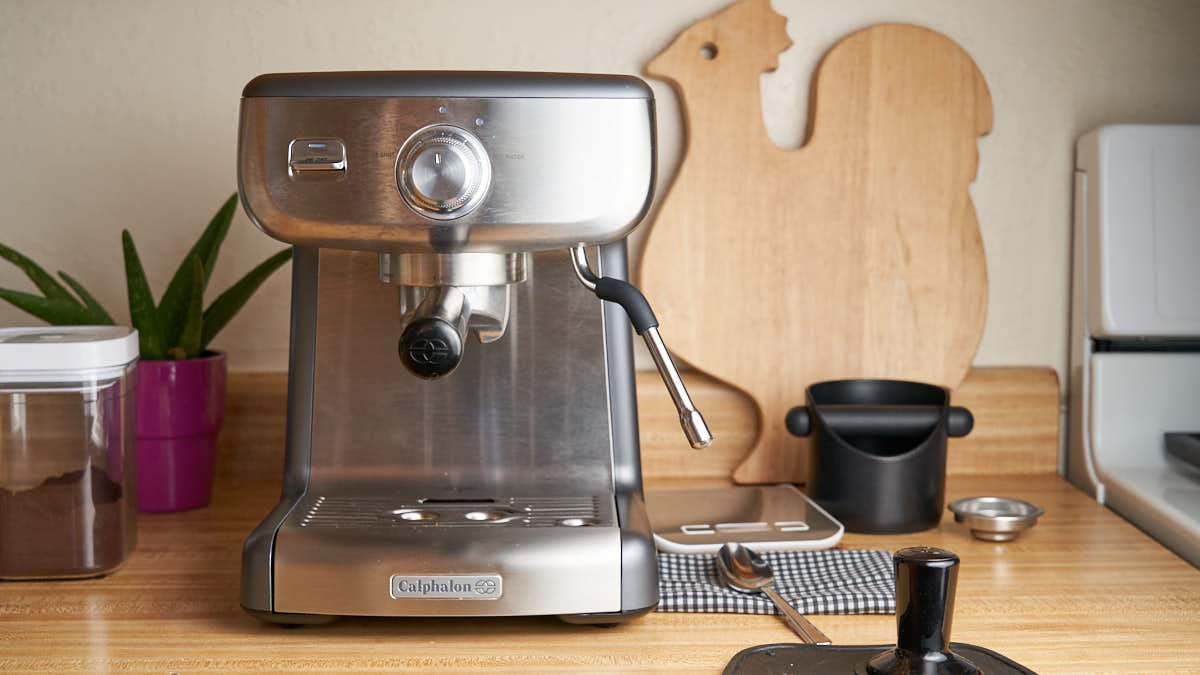
In urban environments where counter space is a premium commodity, the slimmer profile of the non-grinder model is a significant selling point. Furthermore, there is a technical argument for separating the grinding process from the brewing process. Professional baristas often note that heat from the machine’s boiler can migrate to the grinder, potentially causing premature degradation of the coffee beans. By opting for an external, dedicated grinder, users can maintain more control over the grind size and quality, ensuring that the beans remain at a stable temperature before extraction.
The Role of Steam Pressure in Microfoam Production
A frequent criticism of entry-level home espresso machines is their inability to produce "microfoam"—the silky, aerated milk texture required for latte art. The Calphalon Temp IQ features a high-performance steam wand that operates on the same thermoblock heating circuit as the group head.
Tests indicate that the steam pressure is sufficient to texture milk for standard 8-to-12-ounce beverages. The inclusion of a standard stainless steel milk pitcher is a nod to the necessity of thermal conductivity when steaming. While the machine may lack the dual-boiler system required for simultaneous steaming and pulling shots—a feature common in machines priced at over $1,500—its sequential performance is highly efficient for the single-user experience.
Maintenance and Long-term Reliability
The longevity of a semi-automatic espresso machine is inextricably linked to its maintenance schedule. Calphalon has designed the Temp IQ with accessibility in mind. The group head, portafilter, and drip tray are modular, allowing for routine cleaning that prevents the buildup of rancid coffee oils.
Industry standards for home coffee equipment recommend a strict cleaning cycle: purging the group head with hot water after every shot and wiping the steam wand immediately after use. The inclusion of a dedicated cleaning tool for the portafilter basket is a critical component for long-term performance, as mineral deposits and coffee fines can easily block the precision-engineered holes in the filter, leading to uneven extraction and bitter flavor profiles.
Broader Market Implications
The success of machines like the Calphalon Temp IQ reflects a broader trend in consumer behavior: the "prosumer" movement. As inflation impacts the cost of out-of-home luxury goods, including premium coffee, consumers are increasingly viewing high-quality home appliances as an investment rather than an expense.
The market for these machines is expected to continue growing as remote work environments remain common. With the average cost of a coffee shop latte rising, the return on investment (ROI) for a mid-range espresso machine can be realized in as little as six to twelve months. This financial incentive, paired with the desire for improved home-brewing rituals, has forced manufacturers to prioritize durability and user-interface design.
Expert Recommendations for Optimal Use
For those integrating the Calphalon Temp IQ into their daily routine, experts emphasize that the machine is only as good as the coffee it processes. The quality of the bean—specifically its roast date—is paramount. Coffee that has been sitting in an open bag for weeks will lose the volatile aromatics that create a complex espresso.
Additionally, the grind size remains the most critical variable. Even with a capable machine, an incorrect grind—either too coarse, resulting in watery, sour shots, or too fine, resulting in over-extracted, bitter shots—will yield poor results. Users are encouraged to source freshly roasted beans and, if possible, work with a local roaster to calibrate the grind specifically for the Calphalon’s basket dimensions.
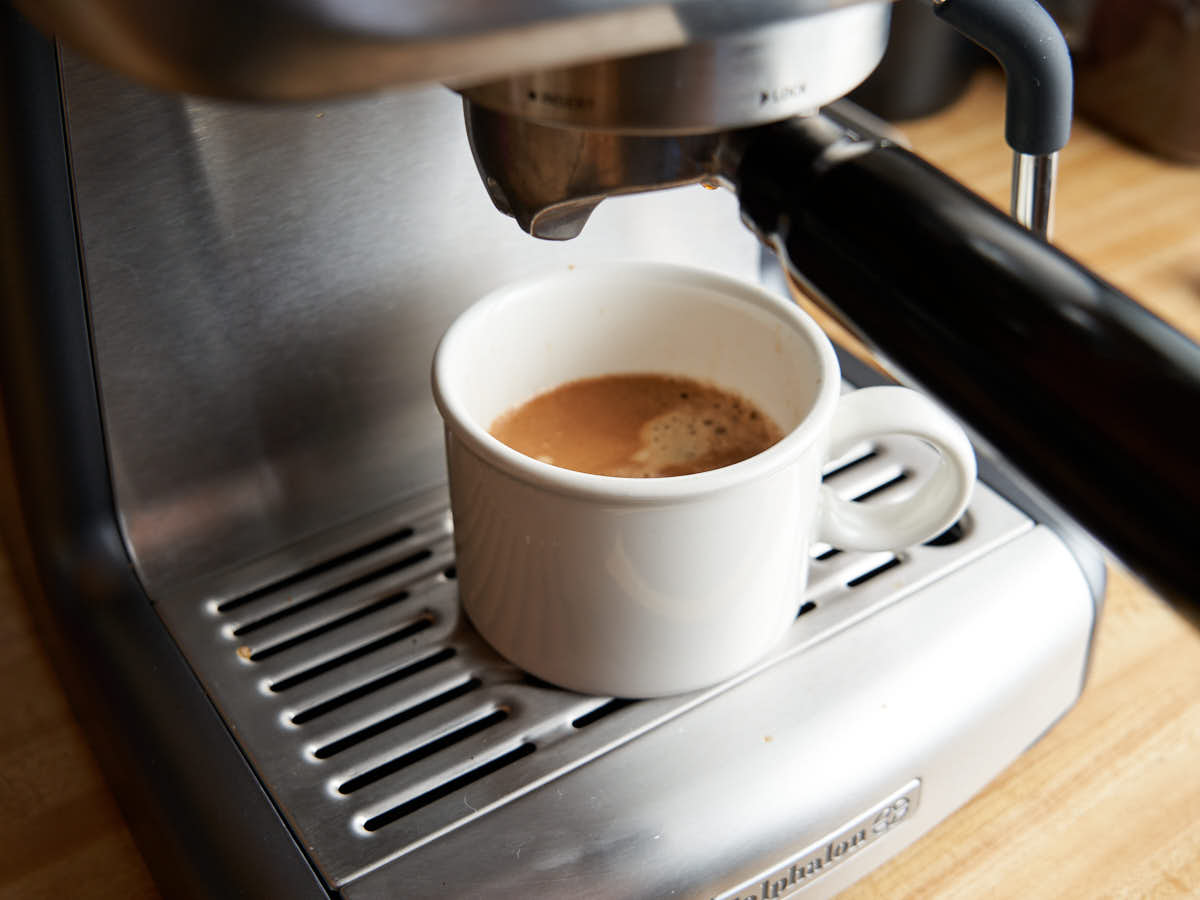
In conclusion, the Calphalon Temp IQ represents a pragmatic choice for the modern home barista. By stripping away non-essential complexities and focusing on the core mechanics of pressure, temperature, and ease of maintenance, it provides a stable platform for those looking to advance their coffee-making skills without the prohibitive cost or learning curve associated with professional-grade, commercial equipment. Its design choices, particularly regarding footprint and manual control, position it as a versatile tool that addresses the primary needs of the contemporary domestic coffee enthusiast.
