
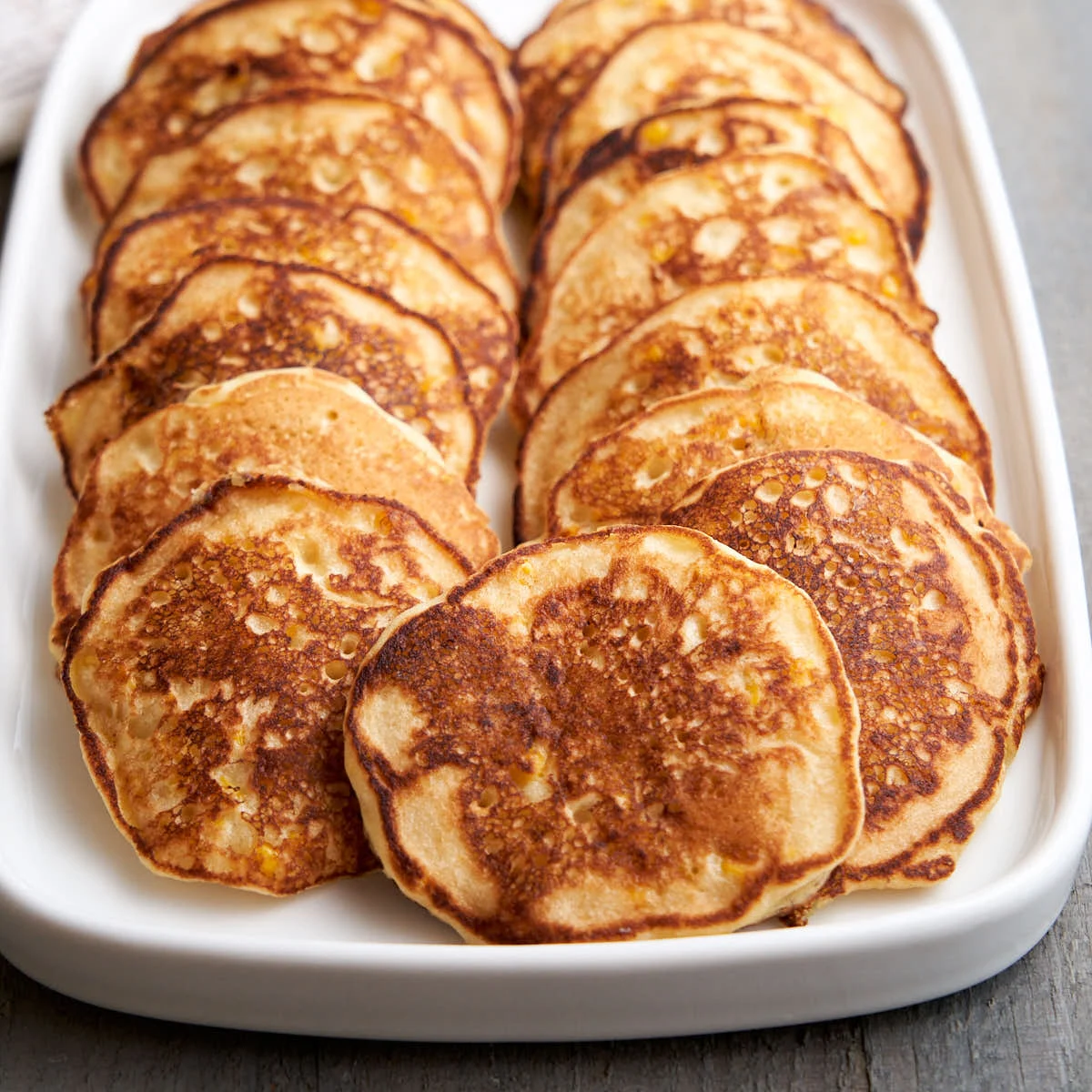
The intersection of traditional American breakfast culture and the widespread availability of shelf-stable pantry goods has given rise to the modern corn pancake, a dish that effectively bridges the gap between a standard griddle cake and the savory, custard-like profile of traditional corn pudding. By utilizing canned cream-style corn as a primary binding and flavoring agent, home cooks and professional chefs alike have created a texture that distinguishes these cakes from their buttermilk or flour-based counterparts.
Historical Context and Culinary Evolution
The history of corn-based griddle cakes in North America dates back to pre-colonial indigenous foodways, where ground maize—known as "masa" or cornmeal—served as a foundational carbohydrate. Over centuries, these recipes evolved into the Johnnycake, a simple mixture of cornmeal, water, and salt. The transition to the modern, fluffy, custard-textured corn pancake is a more recent phenomenon, largely facilitated by the 20th-century mass production of creamed corn.
Creamed corn, a product consisting of whole kernels suspended in a milky, starch-thickened base, was popularized in the mid-1900s as a versatile pantry staple. Its introduction into pancake batter represents a significant departure from traditional leavened cakes. By replacing a portion of the milk or water with the liquid-rich, starch-dense creamed corn, the resulting pancake retains a moisture content that is difficult to achieve with standard liquid dairy alone. This culinary adaptation effectively transformed a side dish component into a primary breakfast feature.
Technical Composition and Preparation Methodology
From a technical standpoint, the preparation of corn pancakes relies on a dual-bowl assembly process designed to manage the hydration of proteins and the distribution of leavening agents. The dry ingredients, typically including all-purpose flour, chemical leavening agents such as baking powder or baking soda, and a pinch of salt, are sifted to ensure aeration. In a separate vessel, the wet components—eggs, melted fat (usually butter), and the canned creamed corn—are emulsified.
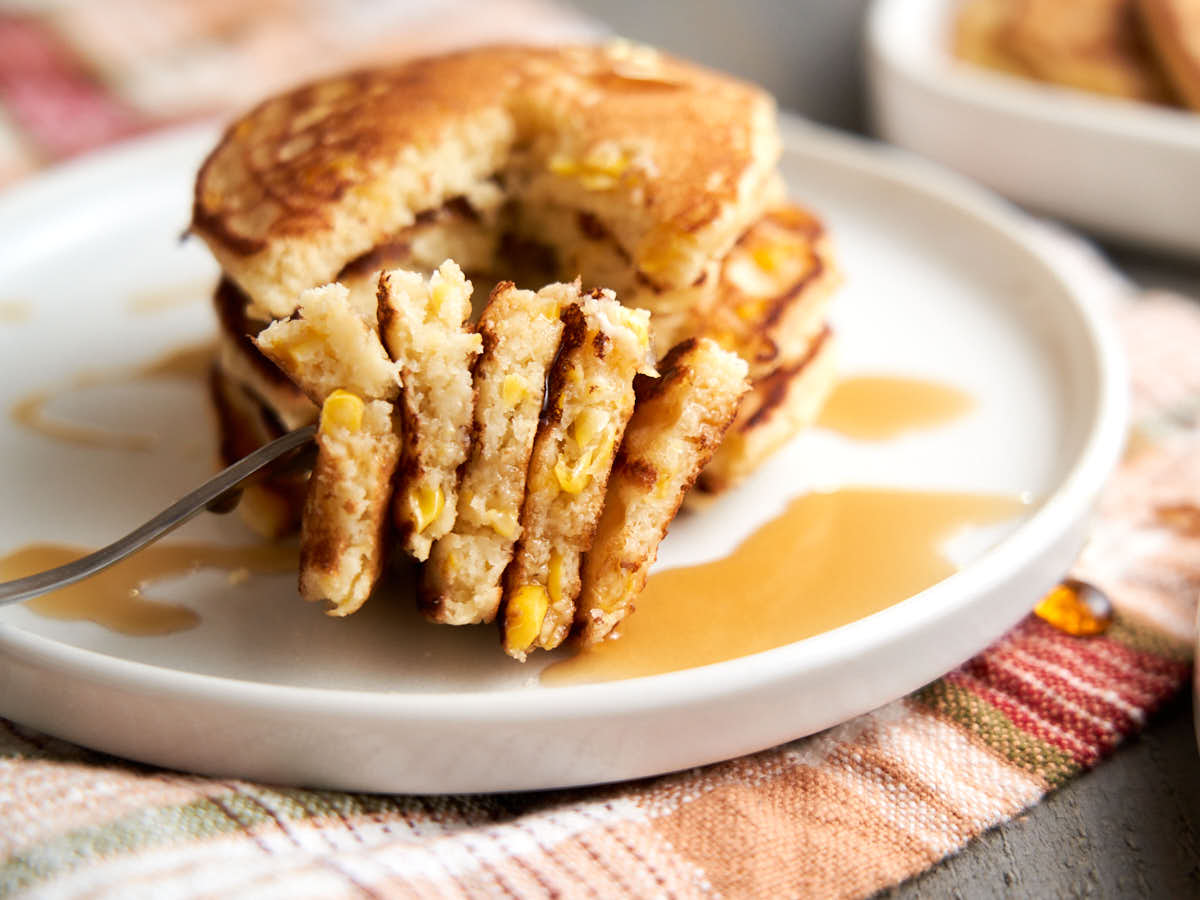
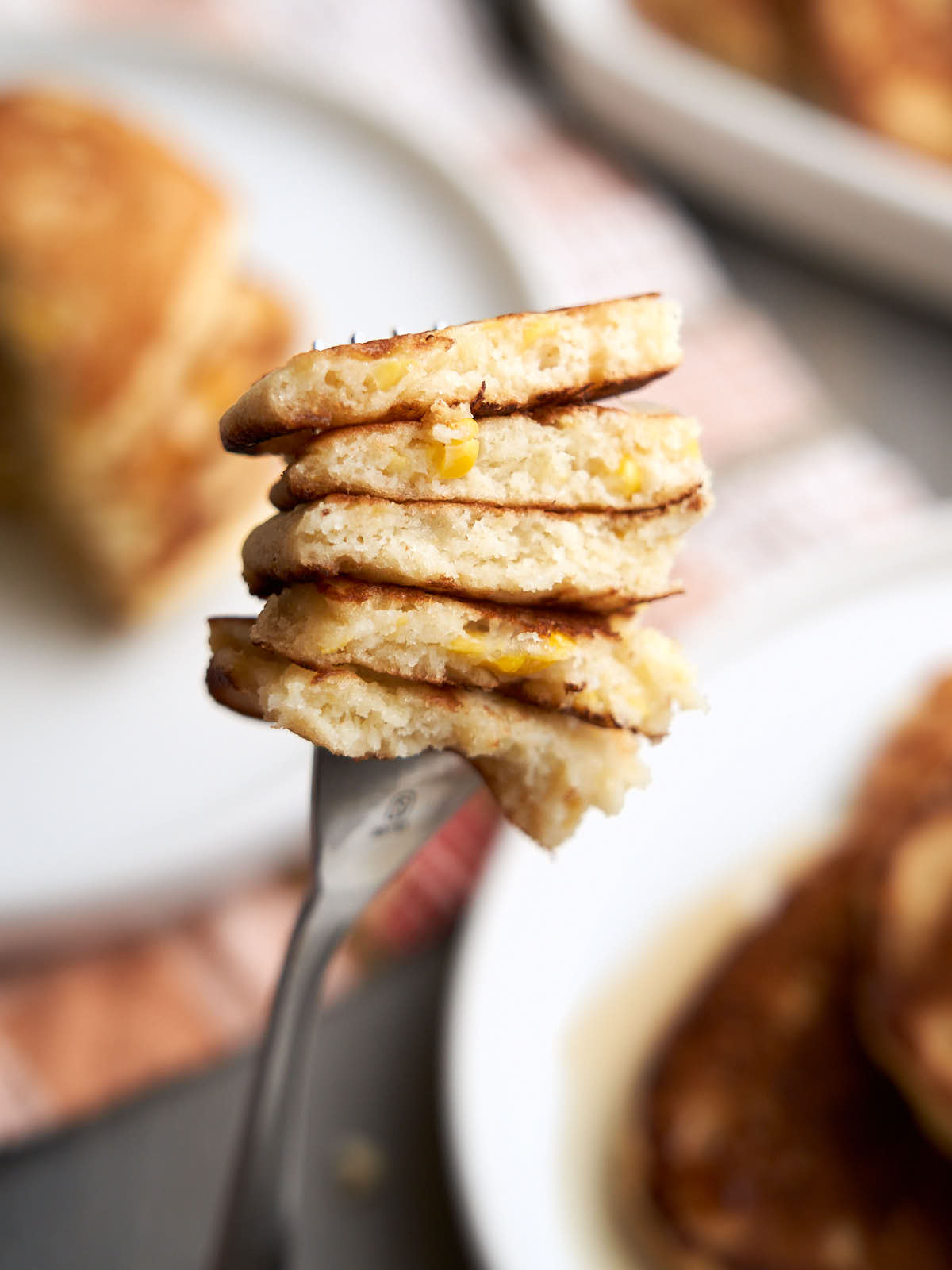
The chemistry of the batter is highly sensitive to the interaction between the corn starch and the gluten development in the flour. Over-mixing, a common error in pancake preparation, is particularly detrimental when using creamed corn, as the heavy starch content can lead to a rubbery or tough final product. When the components are folded together just until the flour is hydrated, the resulting batter maintains the delicate, custard-like interior that defines this specific variation of the dish.
Operational Variables and Cooking Heat
The preparation of corn pancakes requires a nuanced approach to heat management. Unlike standard pancakes, which brown predictably due to a higher sugar-to-protein ratio in the batter, corn pancakes contain significant amounts of natural sugars from the corn. This makes them susceptible to rapid browning or carbonization if the griddle temperature is set too high.
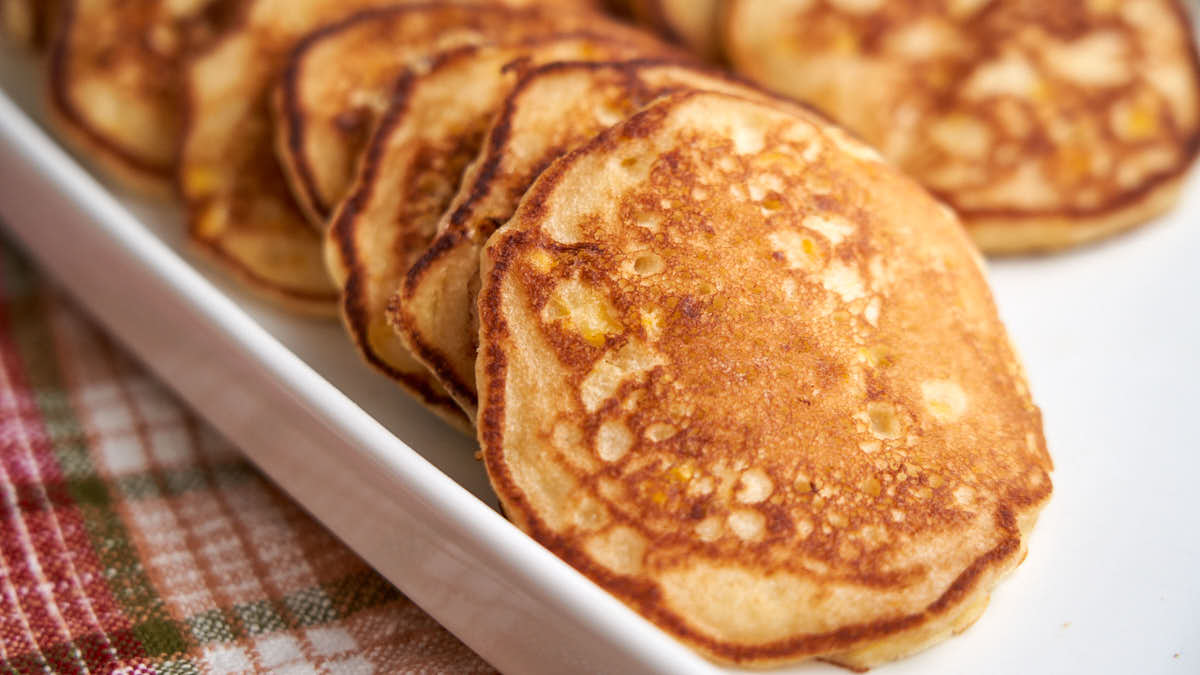
Professional kitchens and experienced home cooks generally recommend a medium-low heat setting. The use of a fat source—typically butter—acts as a heat conductor. When applied with a silicone brush, the butter ensures an even distribution across the griddle surface. If the butter is allowed to foam and then subside, it creates a crisp, "lacy" edge on the pancake, contrasting the soft, custard-like center.
Chronologically, the visual cues for readiness remain consistent with standard pancake science:
- Initial Pour: The batter is deposited onto the preheated surface.
- Bubble Formation: As the leavening agents react, bubbles appear on the surface. Unlike standard pancakes, these bubbles may be smaller or less frequent due to the density of the creamed corn.
- Edge Setting: The perimeter of the cake will transition from a liquid to a matte, opaque state.
- The Turn: Once the underside achieves a light golden hue, the pancake is inverted.
- Final Set: A short duration of residual cooking allows the center to firm up without drying out.
Nutritional and Economic Considerations
While often viewed as a breakfast indulgence, corn pancakes offer a unique nutritional profile compared to traditional flour-based pancakes. The inclusion of corn provides dietary fiber and moderate levels of B vitamins. However, the use of canned creamed corn often introduces added sugars and sodium into the recipe, which should be considered by consumers monitoring their intake.
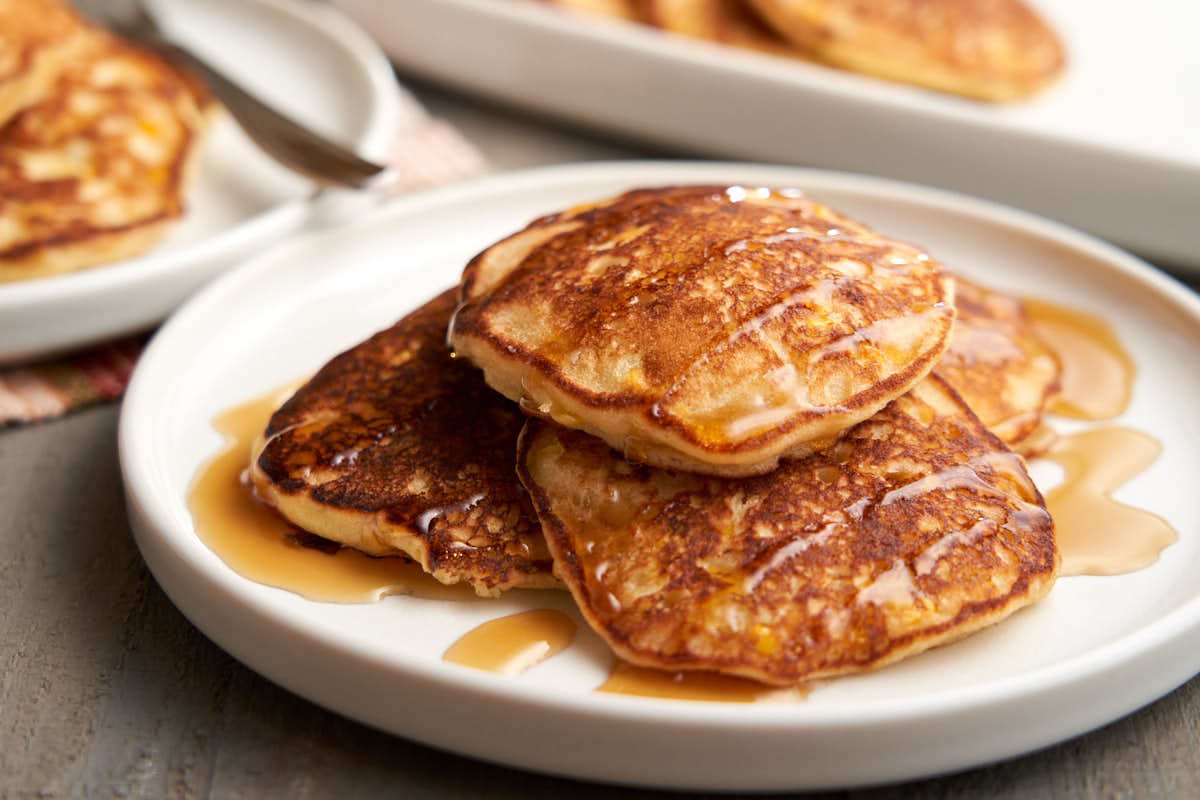
From an economic perspective, the reliance on canned goods makes this dish a high-yield, low-cost option for brunch menus. A single 15-ounce can of creamed corn can serve as the base for a significant volume of batter, often producing upwards of 15 to 20 medium-sized pancakes. This efficiency has solidified the corn pancake’s position in both institutional feeding programs and casual dining establishments during the autumn and winter months, when the profile of the dish—often served with maple syrup or savory accompaniments—complements seasonal culinary preferences.
Broader Impact and Industry Analysis
The popularity of corn pancakes reflects a broader trend in North American breakfast culture: the "pudding-style" pancake. This trend prioritizes texture—specifically the contrast between a crisp exterior and a tender, moist interior—over the traditional airy, sponge-like structure of classic hotcakes.

Food scientists and industry observers note that the success of this recipe is tied to the "comfort food" narrative. By mimicking the sensory experience of corn pudding—a dish historically associated with Southern US comfort cuisine and holiday celebrations—the corn pancake transcends the standard pancake category. This has led to an increase in its appearance on "modern brunch" menus, where chefs often experiment by adding secondary flavor profiles such as jalapeños, cheddar cheese, or chives to shift the dish from a sweet breakfast item to a savory brunch centerpiece.
Future Perspectives on Pantry-Based Cooking
The long-term viability of this recipe remains strong, primarily due to the ubiquity of its core ingredient. As supply chain volatility affects fresh produce availability, recipes that rely on shelf-stable, long-duration pantry items are increasingly valued by both retailers and households.
Furthermore, the adaptability of the corn pancake serves as a template for other starch-heavy, vegetable-based breakfast items. By substituting creamed corn with other pureed or creamed vegetables, culinary innovators are exploring new frontiers in "breakfast vegetable" consumption. The success of the corn pancake proves that consumers are receptive to non-traditional pancake bases, provided the texture remains familiar and satisfying.
As the industry moves forward, the focus will likely remain on optimizing the moisture retention and leavening stability of these cakes. Whether served with simple maple syrup as a nod to tradition, or as a vehicle for savory toppings, the corn pancake stands as a testament to the versatility of processed corn products in the modern kitchen. The dish remains a staple of American brunch, balancing the simplicity of its origins with the sophisticated, textural expectations of contemporary diners.
