
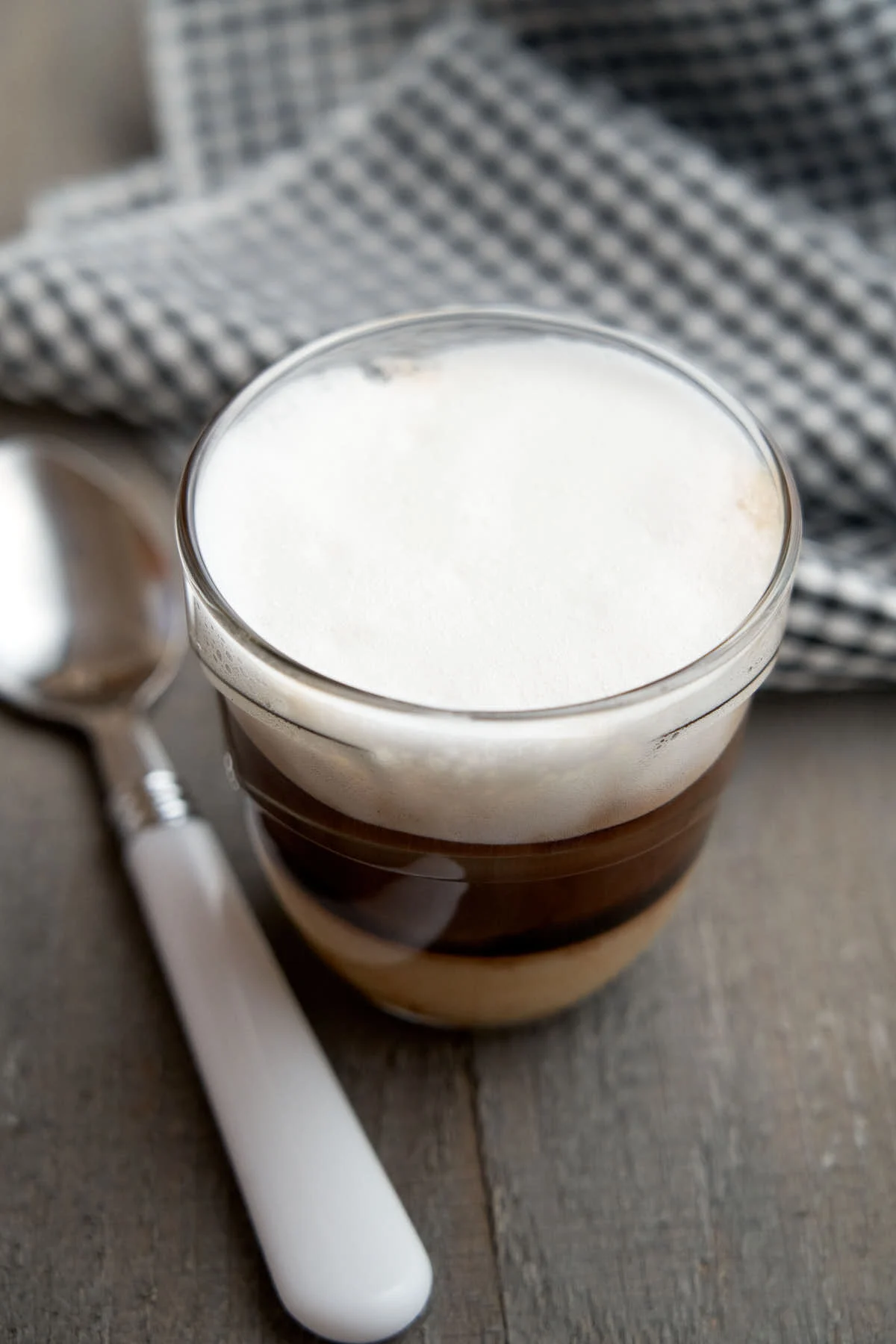
The Cafe Bombon stands as a distinct cultural artifact within the landscape of Spanish coffee culture, representing a tradition of balancing the intense bitterness of concentrated espresso with the unctuous sweetness of condensed milk. Originating in the Valencia region of Spain, this beverage has evolved from a regional specialty into a recognized staple across the Iberian Peninsula and, more recently, an item of interest within the international specialty coffee market. Unlike the standard cafe con leche or cortado, the Bombon is defined by its layered presentation and its specific ratio of ingredients, which prioritizes a high-sugar, high-caffeine profile.
Historical Context and Regional Origins
While the exact date of the Cafe Bombon’s inception remains undocumented in formal culinary records, historical accounts from the Valencia region trace its rise to the late 20th century. Local coffee historians suggest that the drink was developed as a way to make strong, bitter espresso more palatable to a wider demographic, particularly those who found traditional black coffee too harsh. By incorporating sweetened condensed milk—a product that gained shelf-stable popularity in Europe during the post-war era—café owners were able to provide a decadent, dessert-like experience that required no additional sugar.
The nomenclature itself is telling; in Spanish, "bombón" translates to "confection" or "bonbon," a reference to the candy-like sweetness of the final product. The drink effectively bridged the gap between the sophisticated espresso culture emerging in urban centers and the local preference for sweeter, more indulgent breakfast or mid-afternoon refreshments.
Technical Composition and Preparation Standards
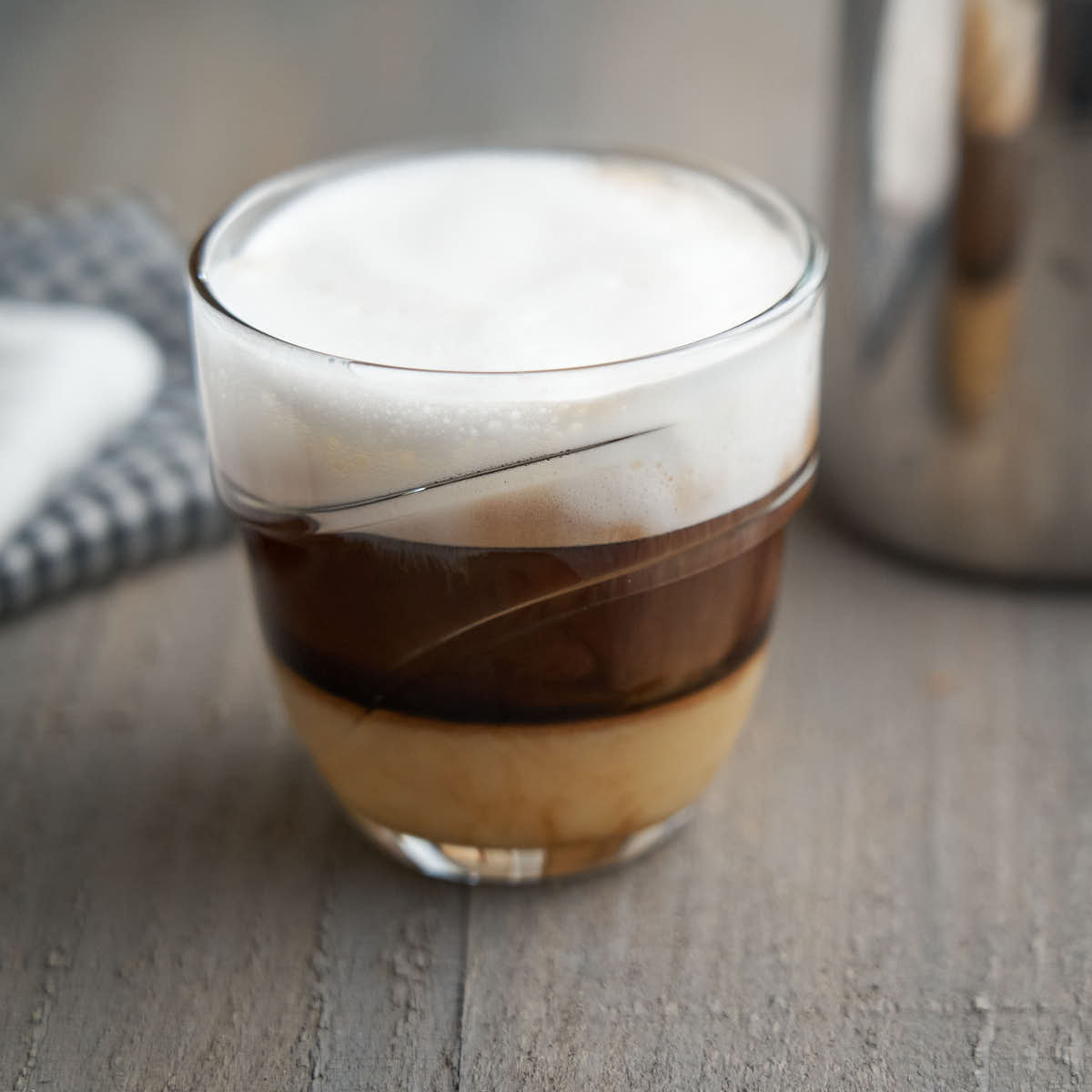
The preparation of a traditional Cafe Bombon is governed by the physical properties of its ingredients. A standard serving consists of equal parts espresso and sweetened condensed milk. The primary technical challenge, and the defining aesthetic feature of the drink, is the maintenance of a distinct separation between the two liquids.
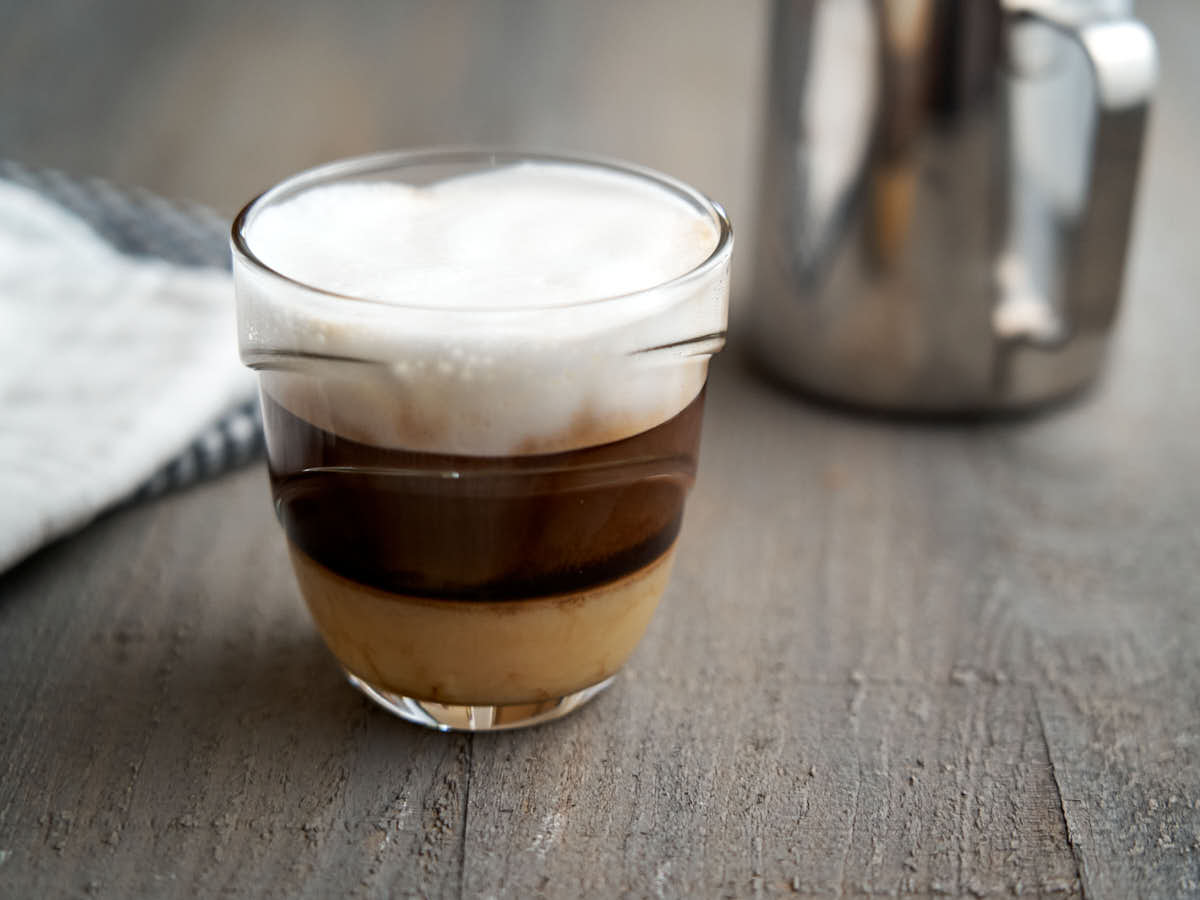
Because sweetened condensed milk possesses a significantly higher density than freshly brewed espresso, it naturally sinks to the bottom of the glass. When executed correctly, the drink features a bottom layer of opaque, creamy white condensed milk, topped by a layer of dark, aromatic espresso. In professional settings, this is often achieved by carefully pouring the espresso over the back of a spoon to minimize turbulence.
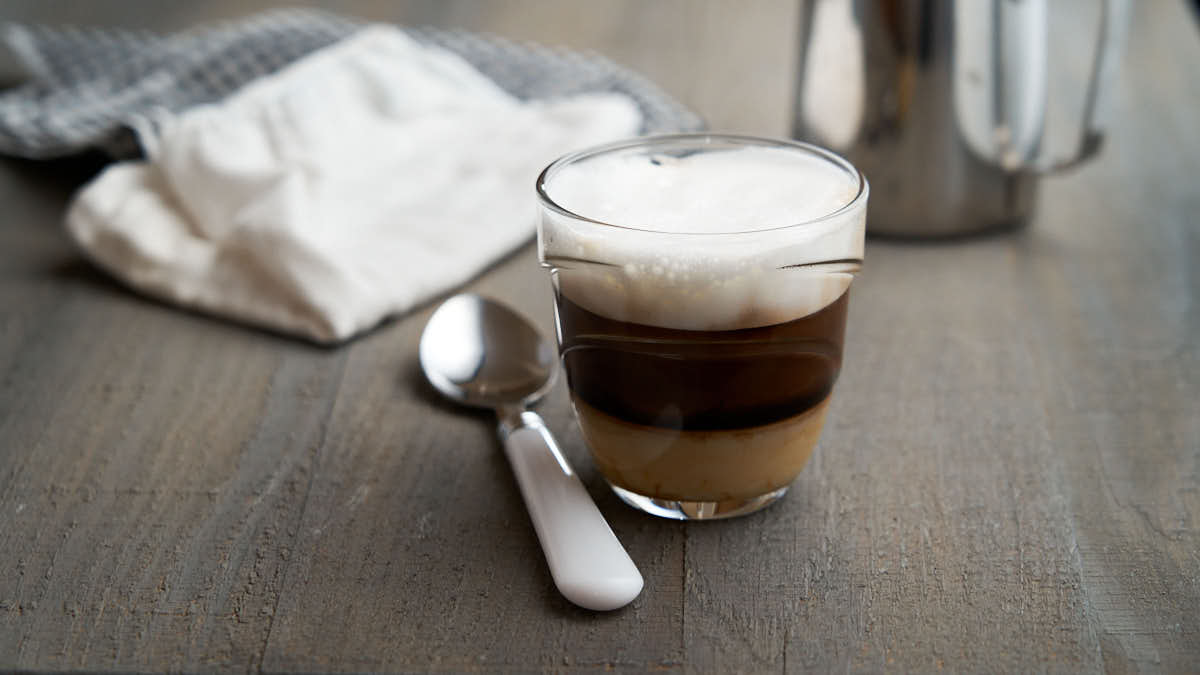
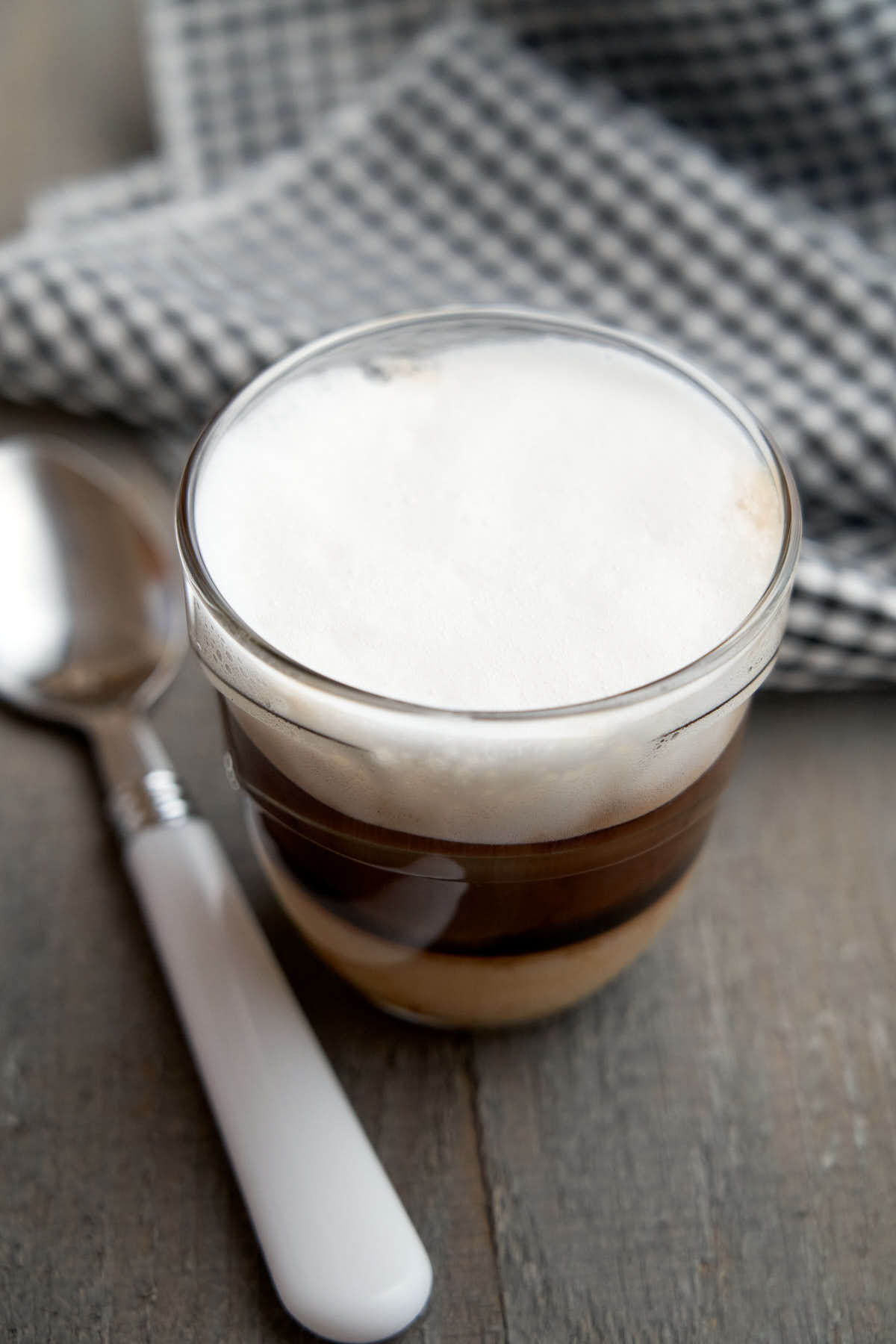
Recent trends in European café culture have introduced an optional third layer: a small cap of milk foam or steamed milk. While purists argue that this deviates from the traditional recipe, proponents suggest that the addition of air-incorporated milk softens the intensity of the espresso and provides a more complex texture. The drink is almost universally served in a small, transparent glass vessel, which serves as a functional requirement to display the visual contrast of the layers, a hallmark of its presentation.
Global Adoption and Market Shifts
The transition of the Cafe Bombon from a Spanish regional specialty to a global coffee shop menu item has been facilitated by the rising popularity of "coffee mixology." As consumers move away from mass-produced drip coffee toward specialty espresso-based beverages, there has been an increased demand for drinks that offer both high caffeine content and a "treat" element.
Market data regarding the growth of specialty coffee suggests that the demand for "dessert coffees" is increasing by approximately 4-6% annually in urban markets. The Cafe Bombon fits neatly into this category, appealing to the same consumer base that enjoys Vietnamese Cà phê sữa đá—a beverage that shares a similar reliance on condensed milk. However, while the Vietnamese variant is traditionally served over ice, the Spanish Bombon is predominantly a hot beverage, often consumed during the "merienda," the traditional Spanish mid-afternoon snack time.
Barista Perspectives on the Recipe
Professional baristas often weigh in on the variability of the drink, particularly concerning the quality of the espresso. In high-end establishments, the use of a single-origin Arabica bean is preferred to provide a nuanced flavor profile that can cut through the extreme sweetness of the condensed milk.
"The success of a Bombon rests on the quality of the espresso extraction," says one veteran industry consultant. "If the espresso is under-extracted or sour, the sweetness of the condensed milk simply masks the flaws rather than complementing them. A balanced, full-bodied shot is essential to maintain the structural integrity of the flavor profile."
Furthermore, the introduction of non-dairy alternatives has led to minor variations in the recipe. While traditional recipes strictly require cow-milk-based condensed milk, some modern venues are experimenting with coconut or oat-based condensed milk alternatives to cater to lactose-intolerant or plant-based consumers. While these versions are becoming more common, they represent a significant departure from the traditional flavor profile, as the fat content and protein structure of dairy-based condensed milk are critical to the viscous mouthfeel that defines the authentic experience.
Home Preparation and Equipment Evolution
The accessibility of home espresso machines has contributed to the rise of the Cafe Bombon in domestic kitchens. With the advent of affordable, high-pressure pump espresso machines and handheld frothing wands, the barrier to entry for making this drink at home has been significantly lowered.
For those without formal espresso equipment, the use of a concentrated cold brew or a Moka pot (stovetop espresso maker) has become a common substitute. While these methods do not produce the same layer of "crema" as a commercial-grade pump machine, they provide the necessary intensity to balance the condensed milk. Industry experts note that the key to a successful home version is temperature control; the espresso or concentrate must be sufficiently hot to melt the condensed milk slightly, allowing the two components to marry upon stirring, which is standard practice for the consumer immediately before drinking.
Broader Culinary and Social Implications

The enduring popularity of the Cafe Bombon reflects a broader shift in global coffee culture toward personalized, high-sugar beverages. From an economic perspective, the drink is highly efficient for café owners; it requires few ingredients, has a long shelf life for the dairy component, and can be prepared quickly.
However, the drink also highlights the ongoing debate within the coffee industry regarding the role of additives. Some specialty coffee purists argue that adding large amounts of sugar to high-quality coffee degrades the product’s value. Conversely, culinary historians argue that the Cafe Bombon should be categorized as a "coffee-based beverage" rather than a "coffee," allowing it to occupy a space in the culinary spectrum similar to tiramisu or coffee-flavored liqueurs.
Looking forward, the Cafe Bombon is likely to remain a niche but consistent presence on menus globally. Its appeal is rooted in its simplicity and the sensory satisfaction of its layered presentation. As the global coffee industry continues to refine its offerings, the Cafe Bombon serves as a reminder of the historical intersection between commodity dairy products and the artisanal craft of espresso brewing. Whether enjoyed in a bustling plaza in Valencia or a quiet home kitchen, the drink remains a testament to the versatility of the coffee bean and its ability to adapt to diverse regional preferences.
