
Historical Significance and Setting
The Sandringham Estate, situated in the parish of Sandringham, Norfolk, serves as one of the most significant royal residences in the United Kingdom. Since its purchase by the Prince of Wales (later King Edward VII) in 1862, the estate has been a retreat for the monarchy, known for its sprawling gardens, parklands, and the Victorian-era Sandringham House. The Courtyard Restaurant, where the afternoon tea service is hosted, is located within the estate’s visitor-facing retail and dining complex. This area was meticulously restored and developed to manage the influx of tourists, providing a bridge between the private royal residence and the public’s desire to experience the estate’s atmosphere.

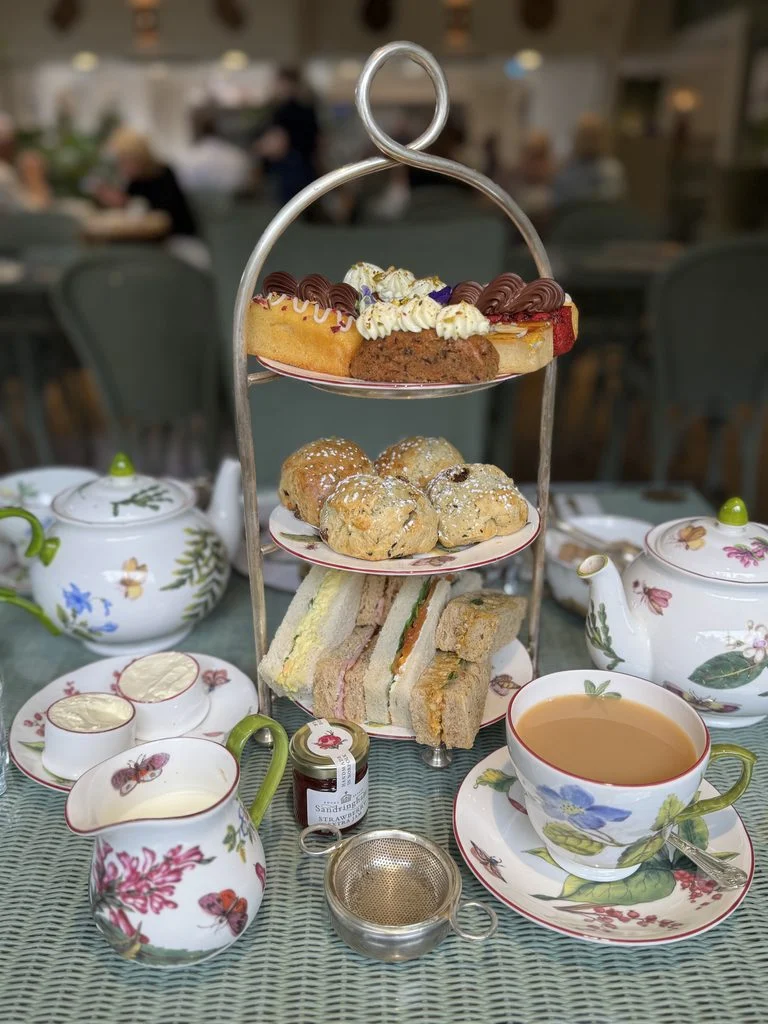
The dining experience is notable for its commitment to historical aesthetics, specifically the use of Chelsea botanical porcelain. This design choice is not merely ornamental; it is a direct nod to the extensive collection once curated by Queen Elizabeth The Queen Mother, who held a deep affinity for the Sandringham estate. The presentation of the tea service on such fine chinaware serves to ground the visitor in the aesthetic preferences of the late Royal Family, reinforcing the sense of "royal" provenance that the estate aims to provide.

The Anatomy of a Royal Tea Service
The afternoon tea at Sandringham is a multi-course affair that adheres to traditional British standards. A typical service includes a tiered selection of finger sandwiches, freshly baked scones accompanied by clotted cream and preserves, and an array of delicate pastries.

The beverage selection is a focal point of the experience, with the estate currently partnering with Birchall Tea. The choice of the "Great Rift" breakfast blend is particularly significant for its provenance. Sourced from the East African Great Rift Valley, this tea is known for its high-altitude, single-origin profile, which provides a bright, full-bodied cup. The shift toward premium, ethically sourced, and high-quality tea leaves represents a broader trend in the hospitality industry, where visitors increasingly demand transparency regarding the origin of the products they consume.

Operational Context and Service Standards
The restaurant is operated in partnership with Benugo, a prominent British catering company known for managing high-profile cultural and historical venues across the UK. The collaboration between the royal estate and a private catering firm highlights the modern necessity for professionalized visitor management at heritage sites. By outsourcing to an entity like Benugo, the Sandringham Estate ensures that its service delivery—characterized by professional, attentive staff and consistent quality—meets the expectations of international tourists and local visitors alike.

The logistics of the tea service are designed to accommodate the heavy foot traffic of the Sandringham retail area. The restaurant’s proximity to the gift shop, garden center, and outdoor picnic areas suggests a tiered approach to hospitality: high-end service for those seeking a formal experience, alongside more accessible options for families and casual visitors.

Chronology of the Modern Sandringham Visitor Experience
The development of the current hospitality infrastructure at Sandringham follows a long-term strategy to sustain the estate’s operations as both a working farm and a public attraction:

- 1862: The Sandringham Estate is purchased by the Prince of Wales, beginning its role as a private royal home.
- 1908: Queen Alexandra opens the estate to the public on a limited basis to raise funds for local charities.
- 1977: The House and grounds are officially opened to the public by Queen Elizabeth II to commemorate her Silver Jubilee.
- 2020s: Modernization of the visitor center and the refinement of the Courtyard Restaurant’s culinary offerings, including the implementation of specialized tea services.
- 2026: The current iteration of the afternoon tea service is highlighted as a primary attraction for guests touring the main house.
Data and Consumer Trends in British Hospitality
The popularity of afternoon tea remains a robust segment of the UK’s tourism economy. According to various hospitality sector reports, the "afternoon tea experience" has seen a resurgence in the post-pandemic era, with a particular focus on "premiumization." Visitors are no longer seeking just a meal; they are seeking an immersive, photogenic, and historically significant environment.

The Sandringham Courtyard Restaurant’s focus on locally sourced ingredients—often pulled from the estate’s own lands—aligns with the "farm-to-table" movement, which has become a hallmark of sustainable tourism. By leveraging the estate’s reputation, the restaurant is able to maintain a high occupancy rate during the peak tourist season, which typically runs from spring through early autumn.

Economic and Cultural Implications
The decision to offer a formal afternoon tea at a royal estate has broader economic implications for the region. Norfolk’s tourism sector relies heavily on the draw of royal heritage to attract visitors from outside the county. By creating a high-quality, branded dining experience, the Sandringham Estate increases the "dwell time" of visitors. When tourists stay longer to enjoy tea, they are statistically more likely to visit the onsite gift shop, purchase garden products, and pay for tours of the House, thereby maximizing the revenue generated per visitor.

From a cultural perspective, the service preserves the ritual of afternoon tea, which, while historically associated with the aristocracy, has become a democratic luxury in modern Britain. The fact that this tea is served on replicas of royal patterns allows the public to experience a version of the lifestyle associated with the monarchy, effectively commodifying the "royal lifestyle" for the public good.

Official Perspectives and Quality Control
While the estate does not issue formal culinary reviews, the operational success of the Courtyard Restaurant is monitored through guest feedback loops and satisfaction metrics maintained by the management team. The focus on "warm and friendly professionalism" is a specific training goal for staff, aimed at balancing the formality of a royal location with the approachability required for a modern cafe. The reliance on partnerships with established PR firms, such as Gemma Hitchon PR, indicates that the estate views its culinary offerings as a core component of its public relations strategy, essential for maintaining the relevance of the brand in a competitive travel market.

Conclusion: The Future of Heritage Dining
The afternoon tea at Sandringham is a microcosm of the modern heritage site. It successfully balances the tension between preserving the traditions of the past and adopting the service efficiencies of the present. As visitor expectations continue to evolve, the ability of historic venues to provide authentic, high-quality culinary experiences will remain a key factor in their ongoing success. By integrating the specific history of the Queen Mother’s porcelain with the high-quality sourcing of East African teas, Sandringham has created a service that is both historically resonant and commercially viable, serving as a template for other historic estates looking to modernize their public-facing operations.
