
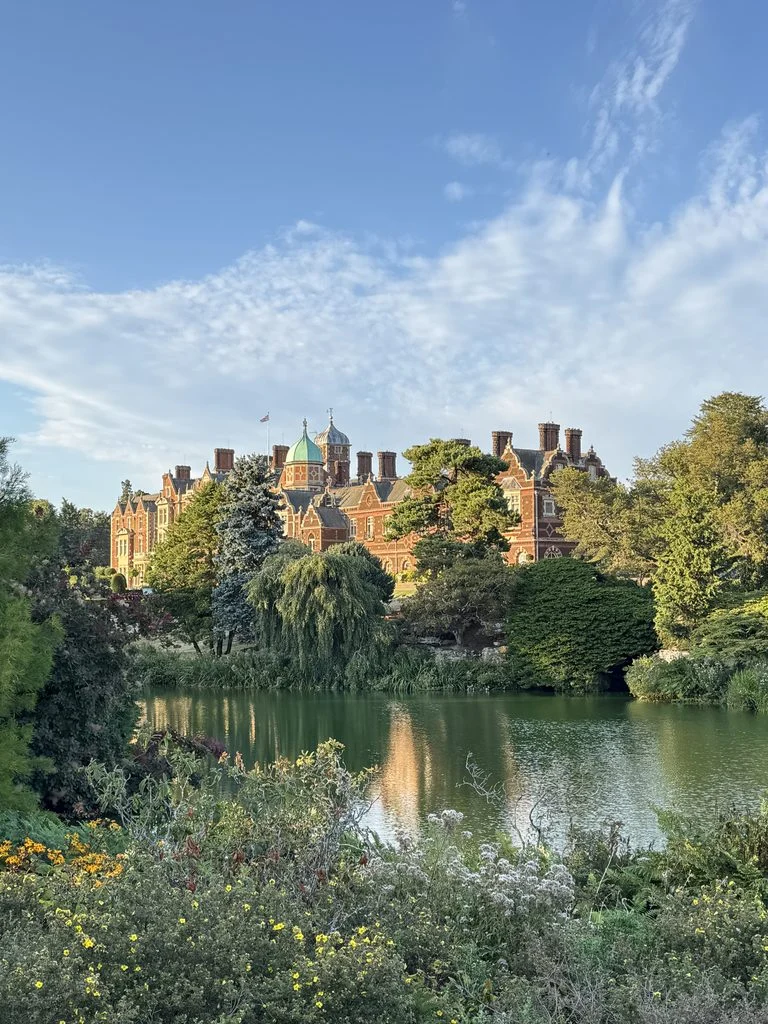
Historical Context and Architectural Significance
Sandringham House, a Grade II* listed building, was purchased by the future King Edward VII—then the Prince of Wales—in 1862. It replaced an earlier Georgian mansion, with the current structure completed in 1870 in the Jacobean style. Beyond its architectural grandeur, the house is defined by its domestic atmosphere; it was famously described as the "most comfortable house in England" by its inhabitants.

The estate’s historical footprint is immense. It served as the site of the death of King George VI in 1952, a poignant moment in the history of the House of Windsor, and it remains a place of deep personal connection for the current monarch. By opening previously restricted areas—such as the Billiards Room and the Long Library—to guided tours, the estate is balancing its status as a private residence with its responsibility as a custodian of British history.

The Signature Tour Experience: A Detailed Chronology
The "Royal Country Retreat" signature tour is meticulously curated, running on select days (Thursday through Saturday) between 4:30 PM and 6:30 PM. The experience is designed to be intimate, limited to small groups to preserve the sanctity of the interior spaces.

The tour begins with an orientation that sets the stage for the house’s transition from a private family home to a site of historical exhibition. Visitors are guided through the Saloon, the heart of the house, which retains a lived-in quality. Notable features include green baize tables adorned with unfinished jigsaw puzzles and a collection of personal family photographs that highlight the residence’s role as a place of genuine relaxation rather than mere ceremonial display.

A significant portion of the tour focuses on the formal rooms, including the Dining Room. For the purpose of these visits, the room is often presented as it would appear for a traditional New Year’s Eve supper, complete with historic Minton china and period-accurate table settings. This level of detail provides visitors with a tangible sense of the royal lifestyle, moving beyond the static displays often found in museum settings.

The tour also includes a visit to the Long Library, a room of immense historical weight. It was here, in 1957, that Queen Elizabeth II delivered the first televised Christmas Broadcast, a moment that fundamentally changed the relationship between the monarch and the public. The presence of original artwork and artifacts collected over the last century underscores the continuity of the monarchy across the generations.

Supporting Data and Estate Management
The Sandringham Estate spans approximately 20,000 acres, comprising farmland, forestry, and the parkland surrounding the house. The management of this vast estate has shifted significantly under King Charles III, who has been a vocal advocate for environmental sustainability and organic farming.

The inclusion of Sandringham Gin and apple juice from the estate’s own orchards in the tour experience is not merely a hospitality feature; it is an economic strategy that highlights the estate’s local production capabilities. By utilizing botanicals and fruit grown on the grounds, the estate reinforces its commitment to self-sufficiency and the promotion of Norfolk’s local agricultural output.

From a logistical perspective, the restriction on photography within the house is a standard protocol for royal residences, ensuring the privacy of the King’s living quarters is maintained. The use of professional staff, including historians and long-serving household members—some with careers spanning over 35 years—ensures that the narrative provided to guests is grounded in firsthand knowledge rather than anecdotal speculation.

Official Perspectives and Institutional Strategy
While the Palace rarely comments on the day-to-day operations of the private estates, the expansion of tour access is widely viewed by royal commentators as part of a broader strategy by King Charles III to increase transparency and public engagement with the institution. By inviting the public into the private sphere, the monarchy is arguably working to modernize its image, presenting the Royal Family as a group that maintains traditions while participating in the contemporary economy.

The involvement of staff who have served multiple generations—including the Queen Mother and Princess Margaret—adds a layer of institutional memory to the tour. These individuals provide a bridge between the past and present, offering insights that are otherwise inaccessible to the general public.

Broader Implications for Heritage Tourism
The opening of Sandringham House has broader implications for the UK’s heritage tourism sector. As public interest in the monarchy remains high, the demand for "authentic" experiences—those that move away from polished, distant exhibitions toward intimate, behind-the-scenes glimpses—is growing.

The success of the Sandringham model suggests that there is a viable market for high-end, exclusive tours that prioritize educational value and historical depth. By maintaining the house as a functional, private residence while simultaneously operating it as a site of public interest, the estate is navigating a complex dual identity. This approach may serve as a template for other historic estates looking to maintain their relevance and financial stability in the 21st century.

Conclusion
The invitation to visit Sandringham House is more than a commercial endeavor; it is an entry point into the domestic life of the British monarchy. Through the careful curation of its rooms and the expertise of its guides, the estate provides a comprehensive look at the history, culture, and personal legacy of the Royal Family. As the estate continues to evolve, its commitment to sharing these private spaces ensures that the story of the British monarchy remains both accessible and relevant to a global audience, grounding the majesty of the crown in the tangible, everyday comforts of a Norfolk country home.
