

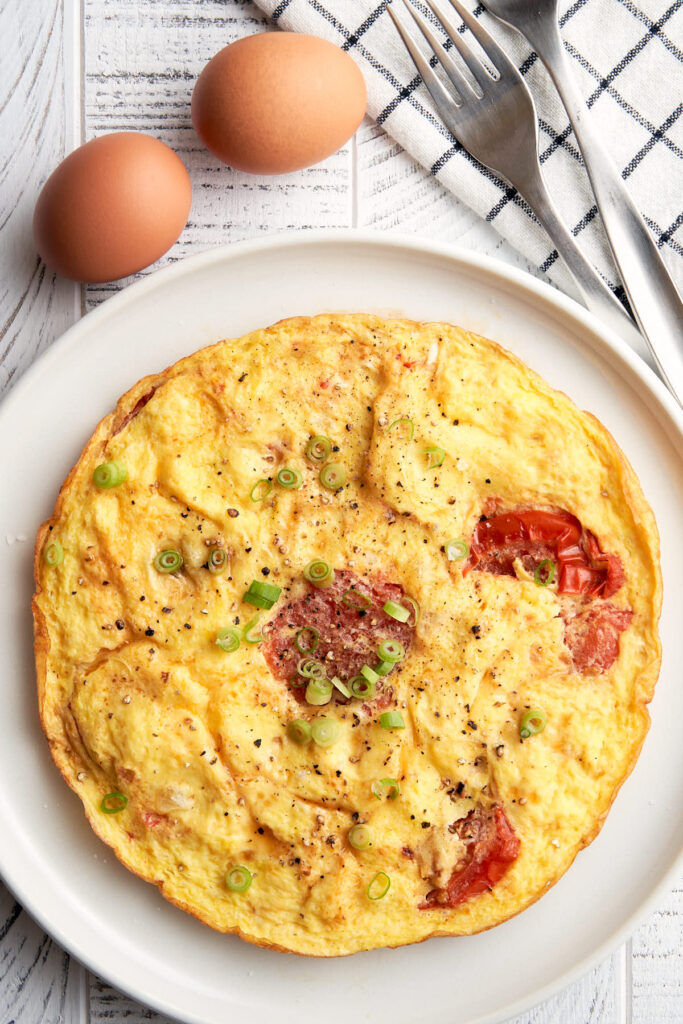
The combination of tomato and egg is a cornerstone of breakfast culture in several diverse regions, representing a synthesis of simple, accessible ingredients that provide significant nutritional value. While often associated with the classic Chinese tomato and egg stir-fry—a dish frequently cited as a staple of home-cooked comfort food—this pairing has evolved into a global phenomenon found in Turkish menemen, Mediterranean shakshuka, and even the unconventional but widely practiced habit of adding ketchup to scrambled eggs in Western diner culture. Recent culinary adaptations have sought to refine this pairing, transforming the traditional stir-fry method into a sophisticated, omelette-style breakfast that emphasizes presentation, texture, and structural integrity.
Historical and Cultural Context of the Tomato-Egg Pairing
The pairing of eggs and tomatoes is rooted in the availability and versatility of these two food groups. In Chinese culinary tradition, the tomato and egg stir-fry (Xi Hong Shi Chao Dan) gained widespread popularity in the mid-20th century. During periods of economic transition, the dish became a symbol of domestic simplicity; tomatoes were affordable, and eggs provided a vital source of protein. As the dish migrated across borders, it adopted various forms. In Turkey, the dish evolved into menemen, which incorporates peppers, onions, and spices, often served directly from the pan.

The contemporary interpretation of this pairing focuses on structural innovation. By shifting from the traditional "scramble" technique to a more deliberate omelette format, chefs and home cooks can elevate the visual appeal of the dish. This transition reflects a broader trend in breakfast preparation: moving away from chaotic, high-heat scrambling toward controlled, heat-distributed cooking methods that prioritize the individual integrity of the ingredients.
The Science and Technique of the Modern Omelette
Achieving a consistent, high-quality tomato and egg omelette requires attention to thermodynamics and ingredient preparation. The selection of the tomato is the primary variable; culinary professionals recommend using beefsteak or heirloom varieties due to their lower water content and firmer flesh, which prevents the eggs from becoming overly diluted during the cooking process.
The slicing technique is critical for the finished result. By slicing the tomato against the core—laying the fruit on its side rather than standing it upright—the cellular structure remains intact, allowing the slices to maintain their shape under the weight of the eggs. When these slices are gently seared in butter, the natural sugars in the tomato caramelize slightly, creating a flavor profile that balances acidity with the savory richness of the egg.

The whisking process is equally significant. A uniform, streak-free mixture is achieved by mechanical agitation, which incorporates air and ensures that the protein structures of the egg whites and yolks are fully integrated. When poured over the seared tomatoes, the eggs act as a binding agent, creating a cohesive, round disk that is as much a visual centerpiece as it is a nutritional breakfast.
Nutritional Profile and Dietary Implications
From a nutritional perspective, the tomato and egg combination offers a balanced start to the day. A standard serving of this dish—assuming two large eggs and one medium tomato—contains approximately 214 kilocalories. This caloric density is relatively low, making it an ideal option for individuals prioritizing weight management or those adhering to specific dietary regimens, such as gluten-free or vegetarian diets.
Eggs are a high-quality protein source, containing all nine essential amino acids required for human health. Tomatoes, conversely, provide a significant source of lycopene, a potent antioxidant that is more bioavailable when the fruit is cooked. The synergy between the fats in the eggs and the phytochemicals in the tomatoes enhances the absorption of these nutrients, making the dish a functional food choice.

Comparative Analysis of Preparation Methods
When comparing the traditional stir-fry method to the omelette method, several key differences emerge:
- Heat Distribution: The stir-fry method relies on high, intermittent heat, often resulting in varying degrees of doneness. The omelette method utilizes a controlled, lower heat, often with a lid to steam the top of the egg, resulting in a consistent, fluffy texture.
- Aesthetic Presentation: The stir-fry is inherently rustic, with ingredients combined in a loose scramble. The omelette, when properly executed, provides a refined, plated appearance suitable for formal or professional brunch settings.
- Texture: The omelette allows for a clearer distinction between the firm, seared tomato and the velvety egg, whereas the stir-fry creates a more homogenized flavor profile.
Culinary Innovations and Modern Garnishing
The finishing touches applied to this dish are not merely decorative; they serve to bridge the gap between the subtle sweetness of the tomato and the savory depth of the egg. The application of toasted sesame oil adds a nutty, aromatic dimension that is characteristic of East Asian influences, while the addition of fresh scallions provides a necessary pungent crunch.
Data from recent food surveys suggest that consumers are increasingly interested in "customizable" breakfast formats. The tomato and egg base is highly receptive to modifiers. For those seeking a spicier profile, the addition of chili oil or sriracha is common. Others may incorporate feta cheese or fresh herbs like cilantro or parsley to lean into Mediterranean flavor profiles. This adaptability underscores why the dish has maintained its relevance in a shifting culinary landscape; it is a canvas for regional and personal preference.

The Role of Kitchen Infrastructure
The rise of specialized kitchen tools has facilitated the move toward more complex breakfast preparations. The use of thin, narrow plastic turners, for instance, has become a standard recommendation in modern cooking guides. Such tools allow for the delicate manipulation of ingredients that would otherwise be prone to breaking. As cooking has become more democratized through social media and digital recipe platforms, the technical barriers to producing restaurant-quality breakfasts at home have significantly lowered.
Broader Impact on Home Cooking Trends
The persistent popularity of simple, two-ingredient breakfast recipes reflects a shift in consumer behavior. With the increasing demands of modern work-life schedules, there is a heightened demand for recipes that are "low-friction" yet high-reward. The tomato and egg omelette fulfills this requirement by using common pantry staples that are readily available, shelf-stable to a degree, and capable of being prepared in under fifteen minutes.
Furthermore, the emphasis on healthy, whole-food ingredients aligns with current wellness trends. As public awareness of the health risks associated with ultra-processed breakfast foods increases, recipes that rely on fresh produce and high-quality protein are seeing a resurgence. The tomato and egg breakfast serves as a prime example of how traditional, time-tested recipes can be adapted to meet the aesthetic and nutritional standards of the 21st century.
Future Outlook and Conclusion
The evolution of the tomato and egg breakfast from a humble stir-fry to a versatile, elevated omelette illustrates the adaptability of global food culture. By respecting the fundamental principles of ingredient preparation—namely the importance of slicing technique and heat control—home cooks can continue to innovate within this framework. As we look toward the future of breakfast trends, it is likely that we will see further fusions, perhaps incorporating international spices or alternative plant-based proteins, yet the core of the dish—the harmonious balance of tomato and egg—will remain a permanent fixture in kitchens worldwide.
The success of this dish serves as a reminder that culinary excellence does not always require complexity. Instead, it is found in the understanding of how basic components interact. Whether one views it through the lens of traditional Chinese stir-fry, Turkish menemen, or a modern Western omelette, the tomato and egg breakfast remains a testament to the enduring power of simplicity in the culinary arts.
