

Oatmeal has transcended its traditional reputation as a simple, humdrum morning porridge to become a cornerstone of modern, health-conscious dietary planning. As nutritional science continues to emphasize the importance of whole grains and high-fiber intake, oats—specifically Avena sativa—have gained significant attention from both medical professionals and culinary experts for their dense nutrient profiles and versatility. Whether utilized in slow-cooked steel-cut preparations, overnight soaking methods, or as a functional ingredient in baked goods, oats offer a stable, low-glycemic index energy source that aligns with various dietary objectives, including weight management and cardiovascular health.

The nutritional significance of oats lies primarily in their soluble fiber content, most notably beta-glucan. Research published by the American Heart Association and various clinical nutrition journals indicates that beta-glucan plays a critical role in reducing low-density lipoprotein (LDL) cholesterol, often referred to as "bad" cholesterol. A standard serving of oats can provide a significant portion of the recommended daily fiber intake, which is essential for digestive regularity and glycemic control. Furthermore, oats are a rich source of manganese, phosphorus, magnesium, iron, and zinc, making them a dense caloric investment for those seeking to maximize micronutrient density at the start of the day.

Historical Context and the Evolution of Oat Consumption

The history of oat cultivation dates back thousands of years, though they were initially considered a weed in wheat and barley fields. It was not until the expansion of agricultural practices in Northern Europe that oats were recognized for their hardiness and ability to thrive in cooler, wetter climates. By the 19th and 20th centuries, the commercial processing of oats—including steel-cutting, rolling, and instant-processing—democratized the grain, making it a staple of the industrial-era breakfast table.

In the contemporary era, the "oatmeal renaissance" has been driven by the "meal prep" movement and the rise of high-protein, plant-forward diets. The shift from instant, sugar-laden packets to customizable, whole-grain bowls represents a broader trend toward mindful eating. Consumers are increasingly seeking transparency in food processing, leading to a rise in the popularity of steel-cut and stone-ground varieties that retain the bran and germ, thereby preserving the grain’s structural integrity and nutritional profile.
Understanding Oat Varieties and Culinary Functionality

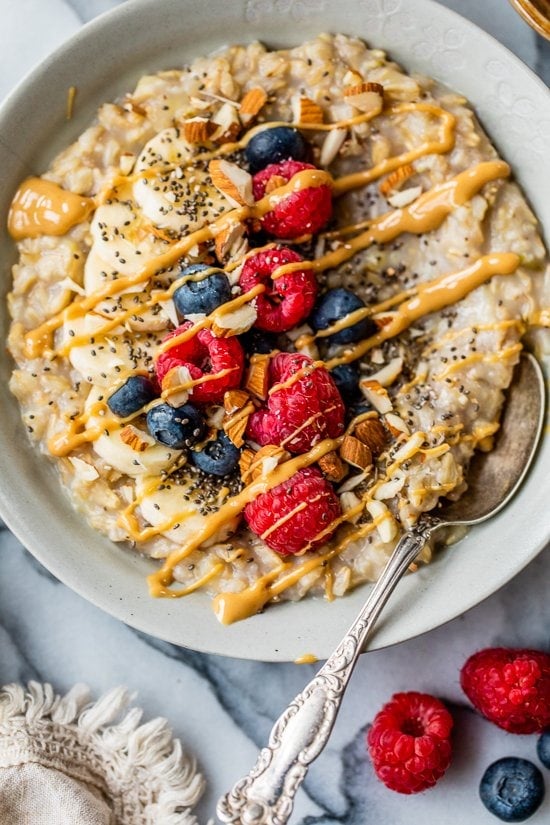
A critical aspect of incorporating oats into a daily regimen is understanding the distinct processing methods that determine texture and cooking requirements. Steel-cut oats, also known as Irish oats, consist of the entire oat kernel chopped into small pieces. Due to their minimal processing, they retain a chewy, nut-like texture and require the longest cooking time, typically 20 to 30 minutes on a stovetop or several hours in a slow cooker.
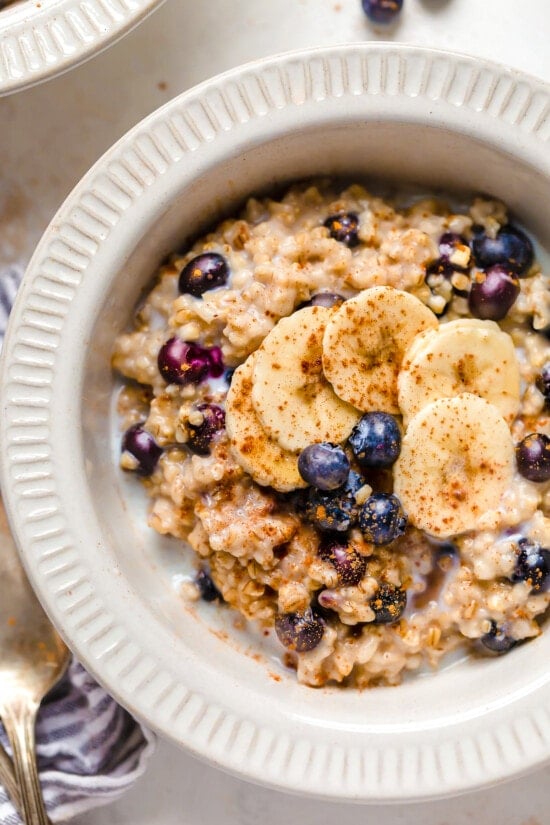
Rolled oats, or "old-fashioned" oats, are steamed and flattened, allowing for faster absorption of liquid and a softer consistency. Quick oats are processed even further, being pre-steamed and rolled thinner to reduce preparation time to mere minutes. Oat flour, often created by grinding rolled or steel-cut oats, has become a preferred gluten-free alternative in baking, providing a fiber-rich base that mimics the structural properties of wheat flour while offering a lower glycemic response.

Professional dietary advice emphasizes that these varieties are not perfectly interchangeable in recipes. The absorption rate of each variety dictates the hydration ratio required for an optimal outcome. Failure to account for these differences can result in either an undercooked, gritty texture or an overly dense, gummy consistency.

Strategic Integration into Dietary Patterns
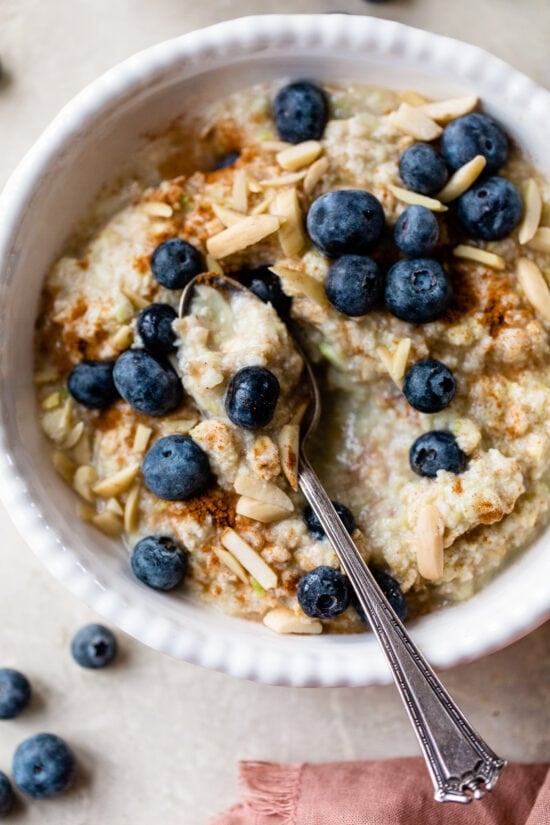
For individuals targeting a specific fiber goal—typically 25 to 30 grams per day—oatmeal serves as an efficient foundational meal. Integrating seeds, such as chia or flax, or incorporating high-protein additions like Greek yogurt, cottage cheese, or egg whites, transforms a carbohydrate-heavy meal into a balanced macronutrient profile.

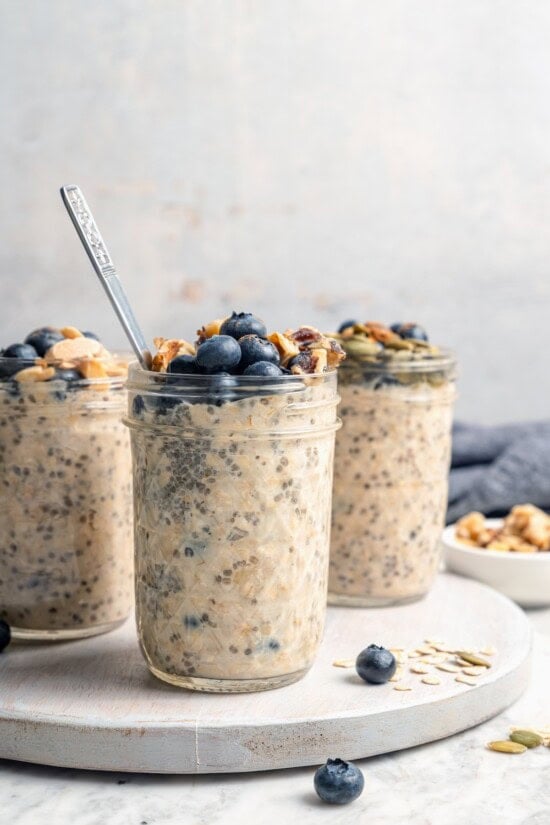
The rise of "overnight oats"—a method where oats are soaked in liquid (milk, plant-based alternatives, or water) for an extended period—has revolutionized breakfast meal prep. This cold-soaking process allows for the enzymatic breakdown of phytic acid, which can improve the bioavailability of minerals within the grain. From a logistical standpoint, the ability to batch-prepare these meals in individual containers provides a significant time-saving advantage for busy professionals, ensuring consistent dietary adherence throughout the work week.
Clinical Considerations and Gluten-Free Certification

While oats are naturally gluten-free, the primary concern for individuals with celiac disease or severe gluten sensitivity is cross-contamination during harvesting and processing. Wheat, barley, and rye are often grown in proximity to oats, and shared equipment can introduce trace amounts of gluten. Consequently, the Celiac Disease Foundation and other health advocacy groups strongly advise consumers to purchase only those products explicitly labeled "certified gluten-free."

This certification is not merely a marketing claim; it requires third-party testing to ensure that the final product meets the strict regulatory standards for gluten content. For the general population, this distinction may seem negligible, but for the gluten-intolerant, it is a vital safeguard against potential systemic inflammatory responses.
Future Implications and Culinary Research

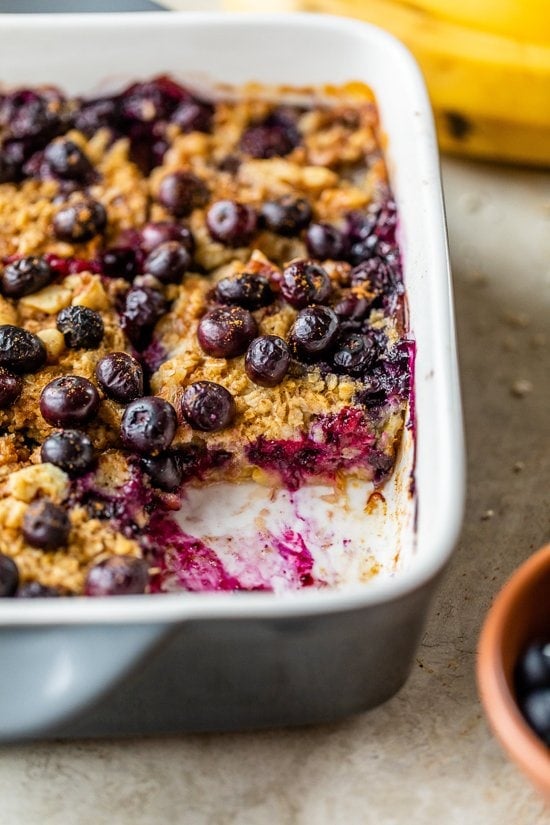
The culinary application of oats continues to expand beyond the breakfast bowl. Innovative recipes now include savory oatmeal—utilizing bone broth, sautéed mushrooms, greens, and soft-boiled eggs—which shifts the grain from a sweet, dessert-like category to a versatile, savory base for lunch or dinner. This shift reflects a broader global movement toward utilizing ancient and whole grains in non-traditional formats to increase satiety and improve metabolic health.

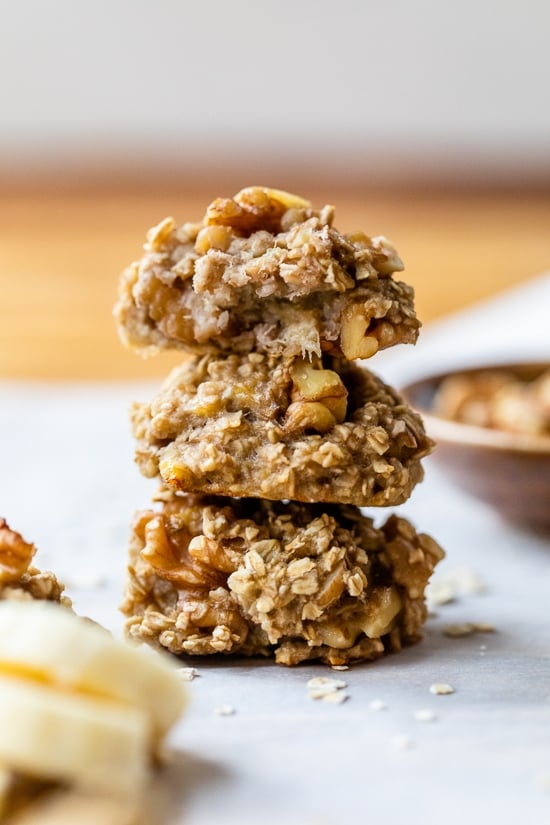
Looking forward, the integration of oats into functional food categories—such as high-protein bars, nutrient-dense smoothie bowls, and fermented dairy alternatives—suggests that the grain will remain a focus of nutritional research. The ability to manipulate the texture and flavor profile of oats through techniques like fermentation and fortification makes them an ideal candidate for future food security solutions, providing a shelf-stable, high-fiber, and environmentally sustainable crop.

Conclusion
As the food landscape continues to prioritize nutrient density and convenience, oatmeal remains a scientifically backed, versatile, and accessible solution for breakfast and beyond. Whether one chooses to engage with the slow, deliberate process of stove-top steel-cut oats or the efficient, time-sensitive nature of overnight preparations, the inclusion of oats in a daily diet offers tangible health benefits. By focusing on whole-grain varieties and pairing them with complementary proteins and healthy fats, individuals can effectively manage energy levels, improve digestive health, and contribute to long-term cardiovascular stability. As with any significant dietary change, it is advisable to maintain consistency and monitor personal digestive responses, ensuring that this nutritional powerhouse is integrated into a lifestyle that supports individual health objectives.
