
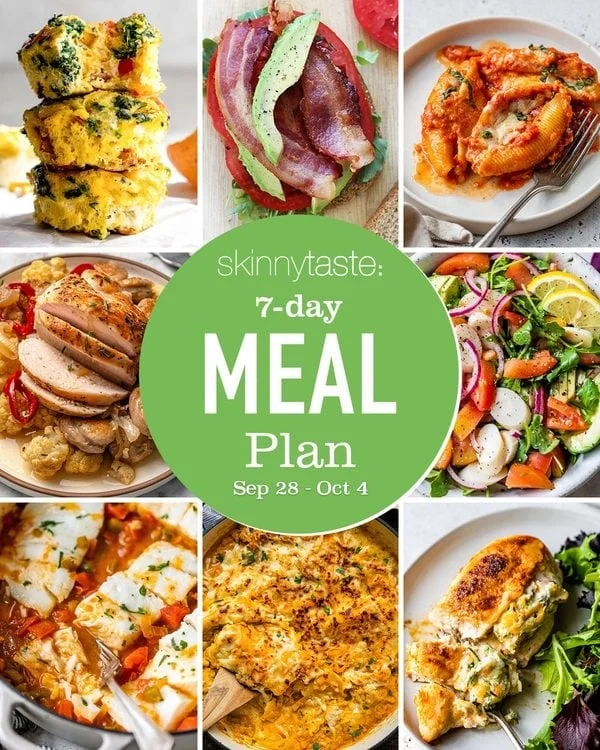
The transition into the autumn season brings a significant shift in dietary habits as consumers move away from lighter summer fare toward heartier, nutrient-dense ingredients. As temperatures decline, culinary focus shifts toward seasonal produce such as squash, apples, and brassicas, prompting a renewed interest in structured meal planning to balance caloric intake with seasonal comfort. For many, the challenge lies in maintaining health goals while navigating the complexities of rising food costs and the need for time-efficient preparation methods.
The Strategic Value of Seasonal Meal Planning
Meal planning has emerged as a primary tool for household budgetary management in an era of persistent food inflation. According to recent consumer behavior data, households that implement a weekly meal plan reduce food waste by approximately 25% and decrease overall grocery expenditures by limiting impulse purchases. By utilizing a standardized weekly guide—such as the 7-day flexible plan provided—individuals can streamline their shopping processes and reduce the frequency of dining out, which remains a significant driver of elevated household spending.
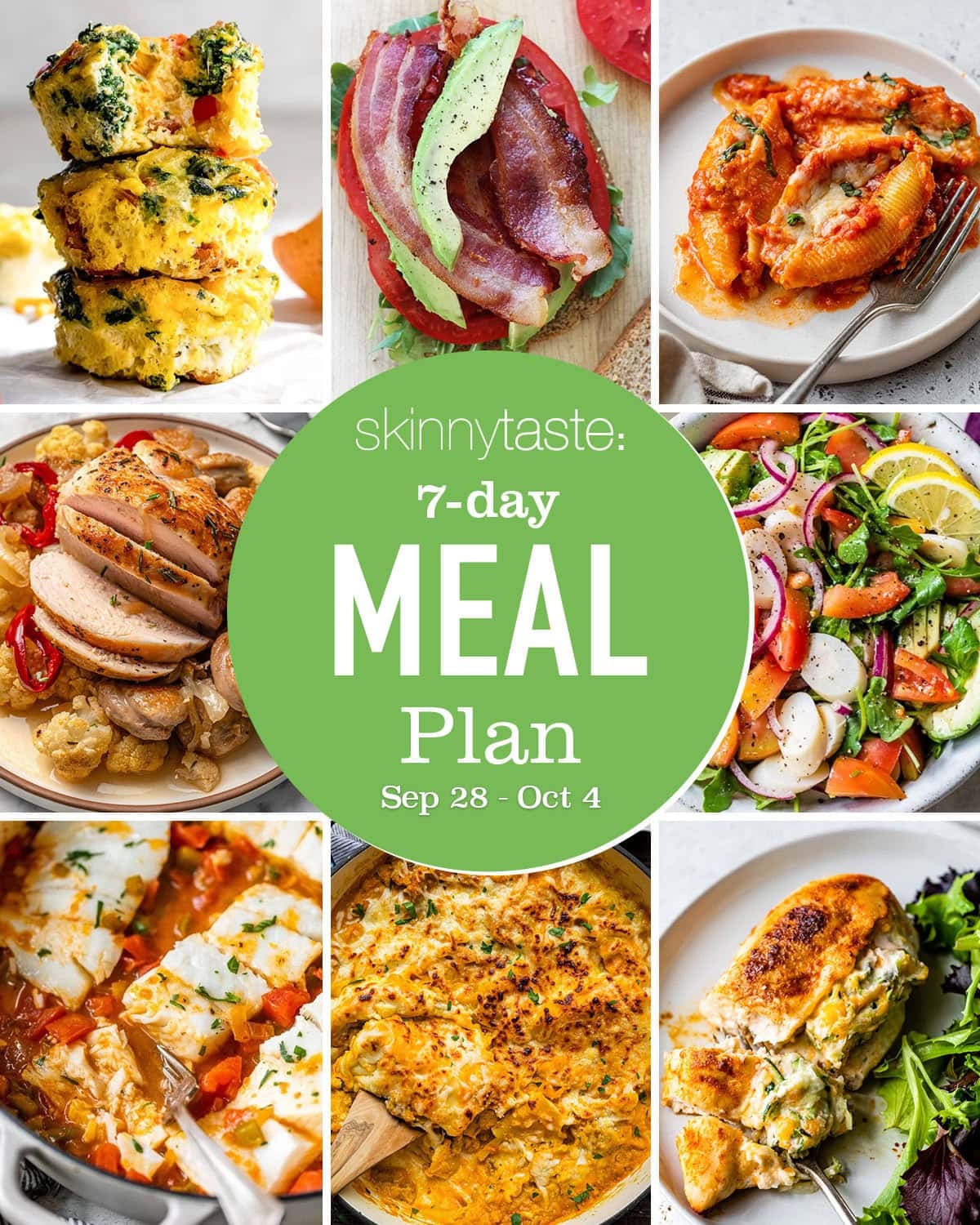
The current 7-day framework emphasizes a balance of macronutrients, incorporating breakfast, lunch, and dinner options that are optimized for both home preparation and efficiency. This specific iteration of the meal plan highlights autumn-inspired recipes, including Turkey Taco Spaghetti Squash Boats and a Pumpkin Lasagna Skillet, reflecting the seasonal availability of produce that characterizes the third and fourth quarters of the year.
Chronological Nutritional Framework
The meal plan follows a structured progression designed to maximize leftovers and reduce preparation time. By alternating between specific proteins and grains, the schedule ensures variety while maintaining nutritional consistency.
Monday and Tuesday Focus
The week commences with an emphasis on high-protein, prep-ahead items such as Loaded Egg Muffins. Monday’s lunch features Chicken Waldorf Salad, transitioning into a dinner of Stuffed Shells. Tuesday maintains a similar breakfast and lunch structure, while the evening meal introduces seasonal spaghetti squash, a staple ingredient for low-carbohydrate, high-fiber dietary adjustments.
Mid-Week Optimization
By Wednesday and Thursday, the plan utilizes leftovers to minimize cooking time. The Turkey Taco Spaghetti Squash Boats from Tuesday are repurposed, ensuring that food consumption aligns with the goal of reducing waste. Wednesday’s dinner introduces Chicken Scarpariello, followed by a Thursday focus on the Pumpkin Lasagna Skillet, a dish that utilizes seasonal harvest ingredients to provide a nutrient-dense alternative to traditional pasta dishes.
Friday to Sunday Transition
The final segment of the week shifts toward lighter, fish-based proteins on Friday, such as Skillet Cajun Spiced Fish with roasted broccoli. The weekend is designed for flexibility, incorporating more involved cooking projects like Instant Pot Steel Cut Oats and Pastrami Reuben Egg Rolls, while allowing for social flexibility with a scheduled dinner out on Saturday.
Data-Driven Nutritional Guidance
The provided meal plan is calibrated based on a general baseline, with an emphasis on flexibility to accommodate individual metabolic requirements. Nutritionists often cite 1,500 calories as a standard reference point for many adults; however, the actual requirement varies significantly based on age, sex, weight, activity level, and underlying health conditions.
The integration of Weight Watchers (WW) points and macro-nutrient tracking into this plan serves as a cognitive aid for participants, allowing for real-time adjustments. If an individual requires a higher caloric intake, the plan encourages the addition of supplemental snacks, fruits, or beverages to meet personalized targets. This "wiggle room" approach is supported by behavioral science, which suggests that rigid, overly restrictive diets are more prone to abandonment compared to flexible plans that allow for occasional indulgences.

The Economic Implications of Home Meal Preparation
The rising cost of living has forced a paradigm shift in how families approach grocery shopping. As food prices remain a concern for the average consumer, the reliance on an organized, category-specific shopping list—segmented into produce, meat, dairy, and pantry staples—has become a vital mechanism for financial stability.
Retail analysts have observed that pre-planned shopping trips significantly mitigate the "convenience tax" associated with last-minute meal procurement. By categorizing the shopping list into distinct sections, consumers can navigate grocery stores more effectively, reducing time spent in aisles and preventing the acquisition of non-essential items. Furthermore, the inclusion of ingredients that serve multiple meals—such as buying larger portions of proteins or grains that are used in both lunch and dinner—maximizes the utility of every dollar spent.
Community-Supported Nutritional Development
Modern dietary success is increasingly linked to social support systems. Platforms like the Skinnytaste Facebook Community facilitate a network of users who share experiences, recipe modifications, and photography of their prepared meals. This community-led accountability model is a documented factor in the long-term success of weight management programs.
Professional dietitians note that individuals who participate in a community-based, goal-oriented environment report higher levels of motivation and lower rates of attrition. By sharing resources and tips, these communities provide a layer of peer-to-peer education that complements formal meal plans.
Implementation and Sustainability
For those seeking to implement this 7-day plan, the following steps are recommended to ensure long-term sustainability:

- Inventory Assessment: Prior to grocery shopping, conduct a thorough audit of the pantry and refrigerator to utilize existing ingredients and prevent duplicate purchases.
- Preparation Scheduling: Designate a specific time—typically on a Sunday evening—for meal prep. This includes washing produce, cooking bulk grains, and pre-portioning snacks.
- Caloric Calibration: Utilize online calculators provided by reputable health organizations to adjust the provided meal plan to individual caloric needs.
- Flexible Adaptation: Do not treat the plan as a rigid mandate. If a specific ingredient is unavailable or if a preference is not met, substitute with a comparable item in the same nutritional category.
Conclusion
The adoption of a 7-day seasonal meal plan represents a pragmatic approach to both nutrition and household management. By combining the benefits of seasonal eating with the financial advantages of structured grocery shopping, individuals can effectively manage their weight while navigating the economic pressures of the current market. The integration of technology—ranging from digital calorie calculators to online community forums—further enhances the feasibility of these health-conscious habits. As we move further into the fall season, the emphasis on comfort-focused, nutrient-dense meals remains a viable strategy for those seeking to maintain a healthy lifestyle in a sustainable, cost-effective manner.
Ultimately, the goal of such a framework is not merely the reduction of weight, but the establishment of a sustainable, organized, and informed relationship with food. Through the strategic use of seasonal ingredients, methodical planning, and community engagement, consumers can navigate the transition into cooler months with a sense of dietary purpose and financial control.
