
The Rise of the Sealed Sandwich Industry
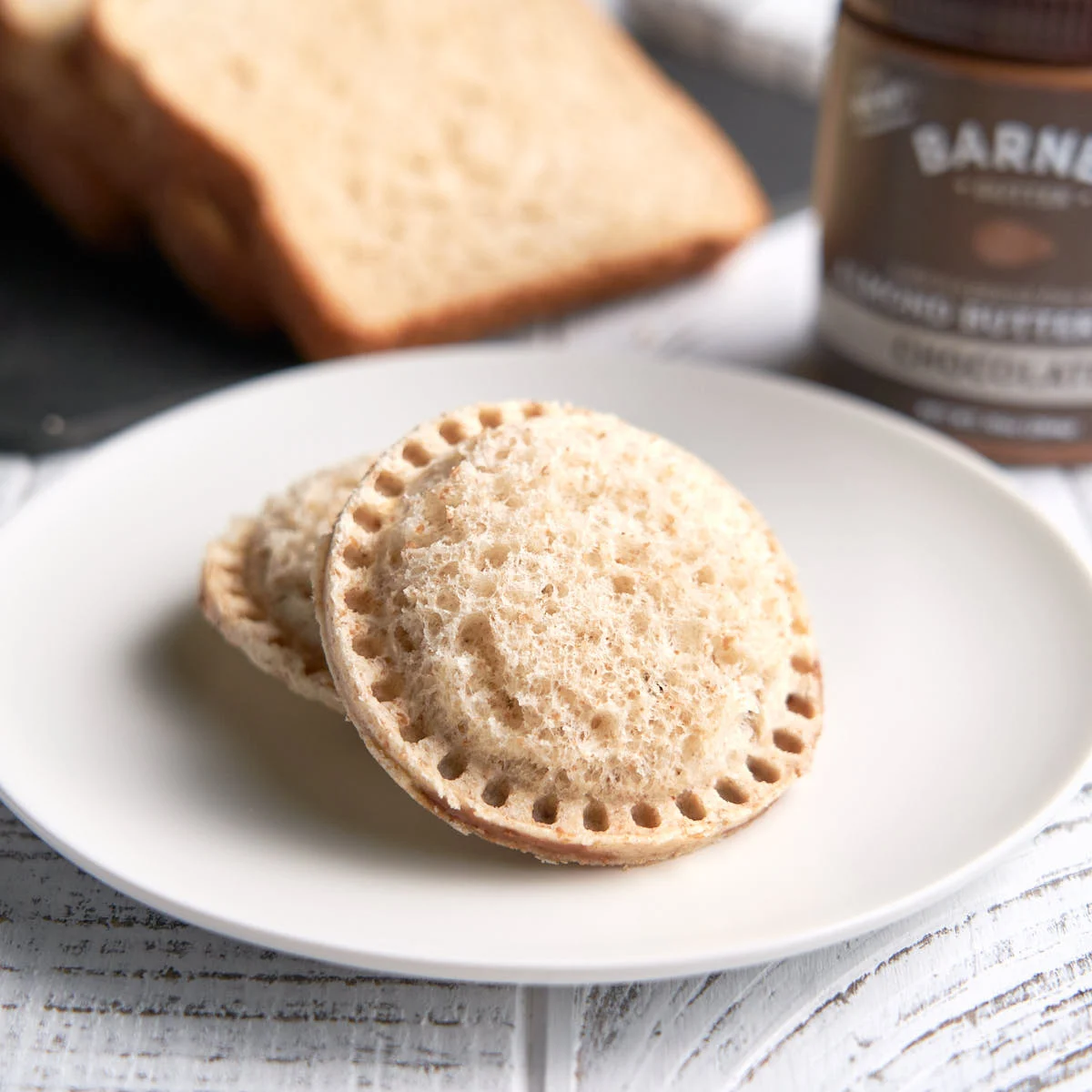
The original "Uncrustable," a trademarked product line by The J.M. Smucker Company, was introduced to the mass market in the late 1990s. Its primary appeal was the elimination of the labor-intensive task of trimming bread crusts, a common barrier to childhood meal consumption. By utilizing a proprietary flash-freezing process, the manufacturer ensured that the sandwiches maintained structural integrity from the freezer to the lunchroom.
In recent years, however, the rise of affordable kitchen gadgets—specifically circular sandwich cutters and crimpers—has allowed home cooks to emulate this process. The market for these tools has expanded significantly on e-commerce platforms, driven by parents seeking to control the quality of ingredients, such as reducing refined sugar content or opting for organic bread and spreads.

Comparative Nutritional Analysis
A critical factor driving the shift to homemade versions is the nutritional profile of commercial pre-packaged sandwiches. Standard commercial chocolate hazelnut spreads, such as the industry-leading Nutella, contain approximately 21 grams of sugar per serving. In contrast, alternative spreads, such as chocolate-infused almond or peanut butters, often contain as little as 2 grams of added sugar per serving.
By preparing these items at home, caregivers can manipulate the macronutrient content of the meal. For instance, substituting white, highly processed bread with whole-grain or sprouted-grain alternatives increases the fiber content of the breakfast, providing a more sustained energy release for school-aged children. Furthermore, the use of natural nut butters introduces healthy fats and proteins that are frequently absent in traditional, higher-sugar chocolate spreads.
Methodology and Technical Requirements for Home Assembly
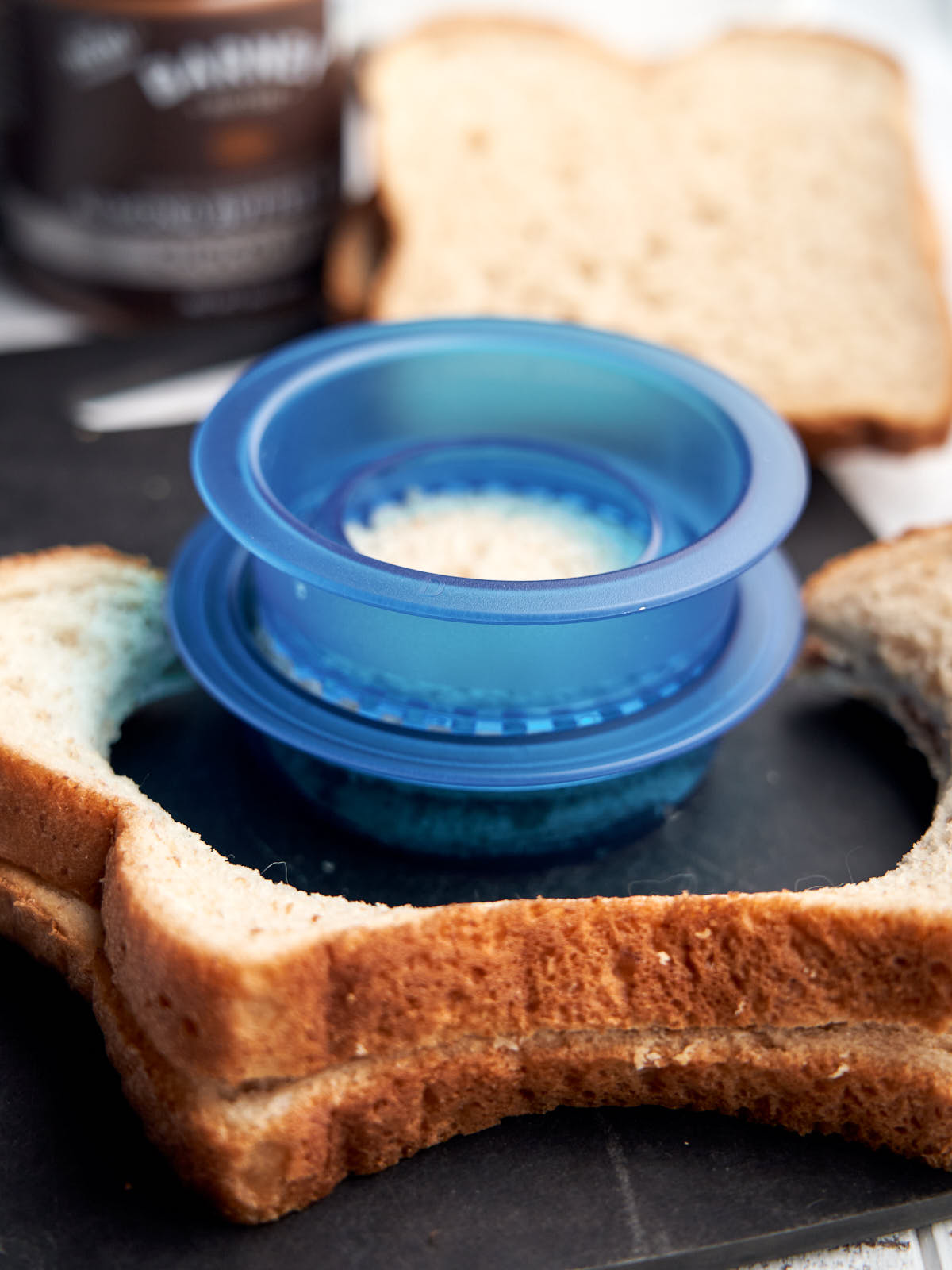
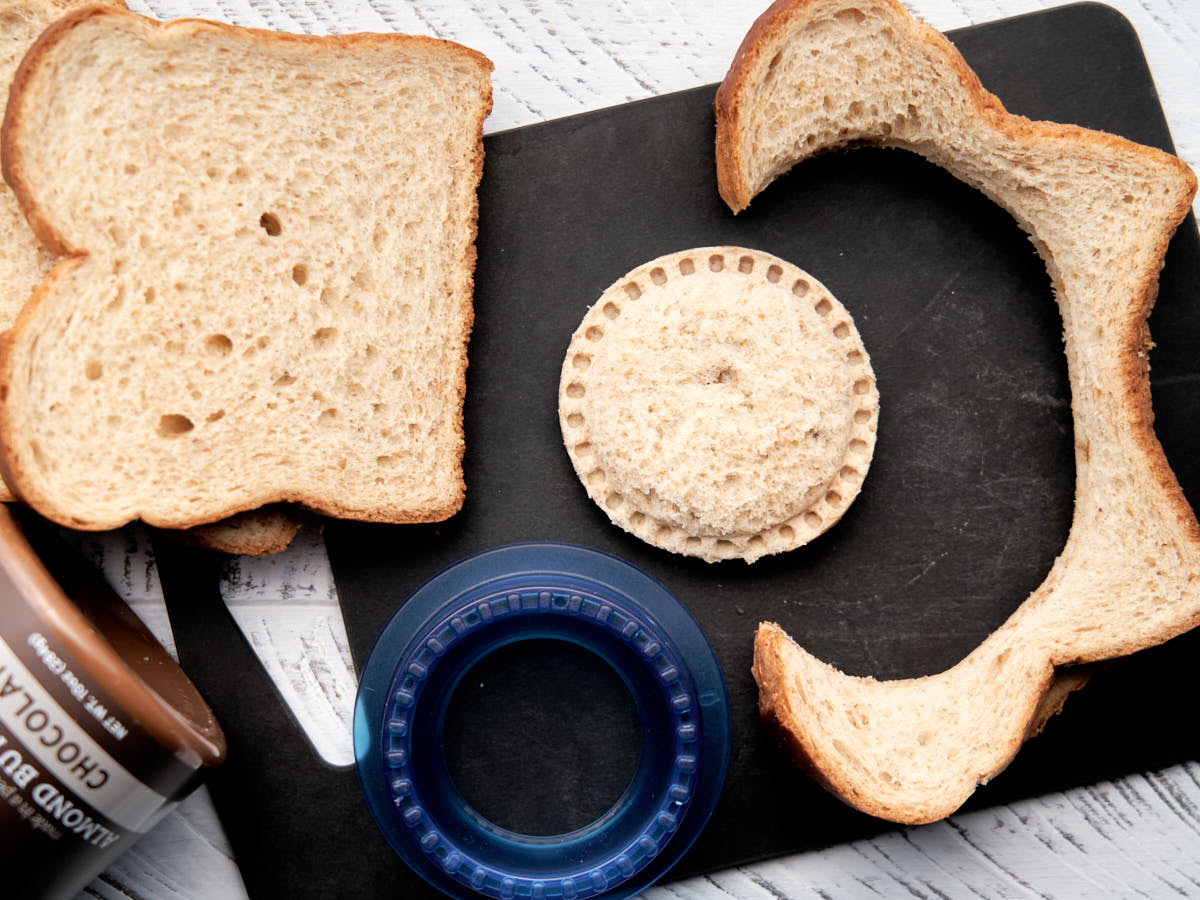
The transition from commercial product to homemade version requires specific hardware. The standard tool for this process is a dual-function cutter and sealer. The procedure typically follows a two-stage technical process:

- Structural Preparation: A soft, high-moisture bread is selected to prevent cracking during the compression stage. The filling is applied exclusively to the center of the bread slice to prevent "leaking" during the crimping process.
- Compression and Sealing: The cutter separates the crust from the soft interior, while the crimper applies pressure to the edges of the two bread slices, fusing them together.
Industry observers note that the efficacy of this process depends heavily on the moisture content of the bread. Bakeries and manufacturers of such tools recommend using breads with high elasticity, as "dry" or artisanal breads with high bran content often lack the structural integrity required to maintain a seal under mechanical pressure.
Economic and Environmental Implications
Beyond the nutritional benefits, the homemade approach addresses the economic disparity between prepared frozen goods and bulk ingredient purchasing. A package of commercially prepared frozen sandwiches often carries a premium price point due to the convenience of the manufacturing and the cold-chain logistics involved in transport. By contrast, the cost per unit of a homemade sandwich is significantly lower when ingredients are purchased in bulk.
Furthermore, the environmental impact is a point of consideration. Commercial frozen sandwiches are almost universally sold in individual plastic packaging, contributing to a high volume of single-use waste. Households that adopt the DIY method utilize reusable containers, effectively eliminating the plastic waste stream associated with daily school lunches.
Market Trends and Consumer Behavior
Market data indicates that the "kid-friendly" breakfast category has seen a surge in interest toward products that offer both novelty and efficiency. The "uncrustable" format, despite its simplicity, serves as a bridge for parents who want to provide "fun" food shapes while maintaining dietary standards.
Retail analytics suggest that sales of sandwich-sealing kitchen gadgets correlate with spikes in back-to-school season spending. This suggests that the primary demographic for this trend remains families with school-aged children. However, there is evidence of adoption among commuters and office workers looking for portable, non-messy breakfast options.
Challenges in Scaling and Preservation
While homemade versions offer superior nutritional control, they do face technical limitations compared to their commercial counterparts. Commercial brands utilize industrial blast-freezing, which preserves the texture of the bread and prevents the "soggy" effect caused by the moisture in the filling migrating into the bread.
Home cooks are advised to store these sandwiches in airtight containers or to consume them shortly after assembly. Without the industrial-grade stabilizers and freezing technology, the shelf life of a homemade chocolate sandwich is limited. For optimal quality, culinary experts recommend assembling these items within 24 hours of consumption, rather than freezing them for long-term storage, as domestic freezers may lead to ice crystal formation that degrades the quality of the bread upon thawing.
Broader Implications for the Food Industry
The trend toward homemade versions of iconic processed foods is indicative of a wider movement toward "de-processing." As information regarding the health impacts of ultra-processed foods becomes more accessible, consumers are increasingly choosing to replicate the convenience of these items using whole-food ingredients.
For food manufacturers, this presents a challenge: to remain competitive, they must either improve the nutritional profiles of their existing product lines or prepare for a segment of their consumer base to shift toward self-sufficiency. As the barrier to entry for home-based manufacturing (in the form of affordable tools) continues to lower, the convenience factor—once the primary advantage of the processed food industry—is becoming democratized, allowing for a hybrid model of home-prepared, high-quality, and highly convenient meals.
