
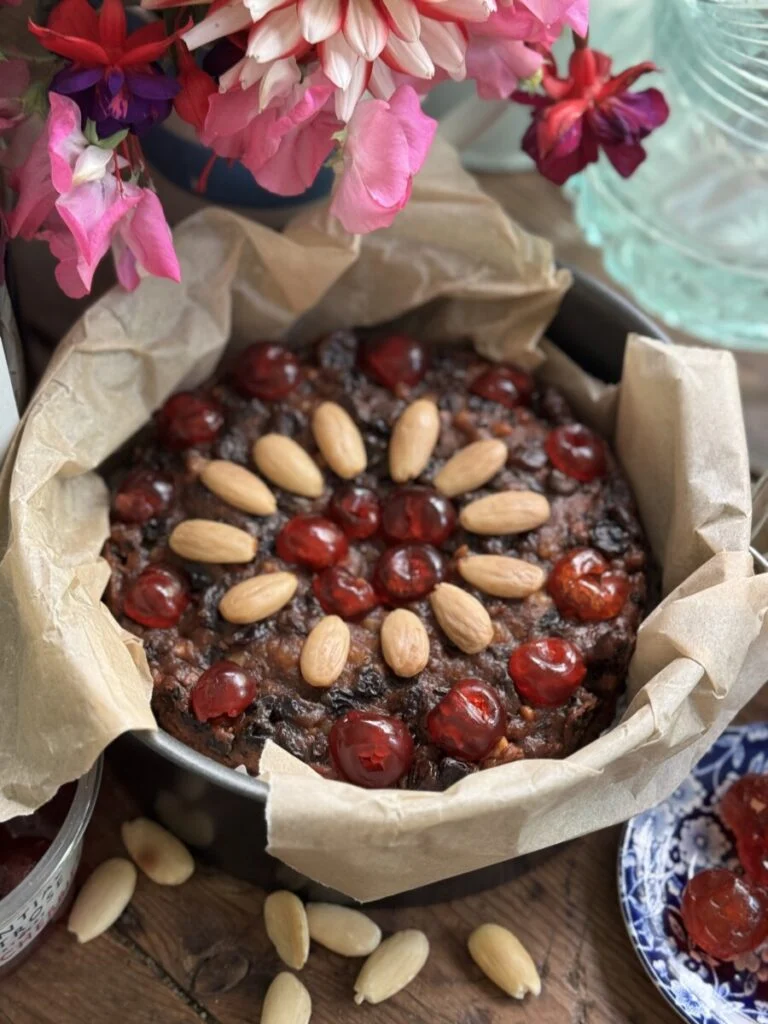
The Melton Hunt Cake represents a significant intersection of British social history and traditional gastronomy, standing as a testament to the industrial and cultural evolution of the East Midlands. Originating in the market town of Melton Mowbray in 1854, the cake was developed by local baker John Dickinson. While the town is globally recognized for the Melton Mowbray pork pie—a protected geographical indication product—the Melton Hunt Cake served a distinct role in the social fabric of the 19th-century British landed gentry and hunting fraternity. Today, the cake is viewed not merely as a confectionery item, but as a cultural artifact that provides insight into the Victorian era’s appetite for rich, preserved, and transportable foods.

Historical Context and the Rise of the Melton Hunt
To understand the emergence of the Melton Hunt Cake, one must consider the historical importance of the Melton Hunt itself. During the mid-19th century, Leicestershire became the epicenter of fox hunting in England, drawing aristocrats, royalty, and wealthy socialites to the region. The hunt was a complex social event that functioned as a networking hub for the elite.

The "stirrup-cup"—a final drink of port or sherry taken by the rider while still in the saddle before the hunt commenced—demanded an accompaniment that was both sustaining and shelf-stable. John Dickinson, operating in the heart of this social activity, sought to capitalize on this requirement. By crafting a fruit cake with a high alcohol content and a dense, nutrient-rich profile, he provided a culinary staple that could survive the rigors of a long day in the field. The inclusion of rum as a preservative, combined with the structural integrity provided by dark Muscovado sugar and a generous helping of dried fruits, allowed the cake to remain fresh for extended periods, making it an ideal companion for the long hunting season.
Chronology of a British Tradition

The development of the Melton Hunt Cake can be contextualized within the broader timeline of British baking:
- 1854: John Dickinson formally produces the recipe for the Melton Hunt Club, establishing the cake’s association with the regional social calendar.
- Late 19th Century: The popularity of the recipe spreads throughout the Leicestershire region, becoming a standard feature of high-end tea services and private hunting estates.
- Early 20th Century: The recipe undergoes minor adaptations as global trade routes allow for more consistent access to specific ingredients like glacé cherries, which become a hallmark of the cake’s visual aesthetic.
- 21st Century: The recipe is canonized in modern culinary literature, most notably in works such as Paul Hollywood’s "British Baking," which serves to preserve the tradition for a new generation of home bakers.
Structural Composition and Gastronomic Analysis

From a technical perspective, the Melton Hunt Cake is a dense, high-moisture fruit cake. Unlike the lighter sponge cakes that became fashionable in the 20th century, this recipe relies on a high ratio of dried vine fruits—traditionally sultanas and currants—to flour. The Maillard reaction, facilitated by the high sugar content of dark Muscovado, gives the cake its characteristic deep, dark color and complex caramel undertones.
A distinguishing feature of the cake is its aesthetic construction. Much like the Dundee cake, it features a decorative arrangement of blanched almonds in concentric circles. However, the Melton Hunt variant differentiates itself through the integration of glacé cherries, which provide a sharp, sweet contrast to the earthy depths of the rum-soaked fruit. Culinary historians note that the "feeding" of the cake—a process of puncturing the surface with a skewer and periodically adding spirits such as brandy, whisky, or rum—was a standard preservation technique before the advent of modern refrigeration.

Economic and Social Implications
The enduring popularity of the Melton Hunt Cake reflects a broader trend in British society toward the reclamation of regional identities. In an era of mass-produced, standardized food, the preparation of a 19th-century regional specialty serves as a form of cultural continuity.

Economically, the legacy of such recipes bolsters the "gastronomic tourism" sector in Leicestershire. The town of Melton Mowbray has successfully leveraged its culinary heritage to attract visitors, with the pork pie and the fruit cake serving as twin pillars of its local brand. Organizations such as the Melton Hunt Club, though operating in a significantly different social and legal landscape today than in 1854, remain historical touchstones that allow for the maintenance of these traditions.
Modern Interpretations and Culinary Ethics

The transition of the Melton Hunt Cake from a field snack for hunters to a popular home-baking project has necessitated a shift in the narrative surrounding the dish. Modern bakers, including culinary writers like Karen Burns-Booth, often address the ethical concerns surrounding the original source of the cake’s name. While the hunting of foxes with hounds was restricted in the United Kingdom by the Hunting Act 2004, the recipe remains popular due to its intrinsic quality as a "fabulous fruit cake."
Contemporary culinary experts often advocate for serving the cake with a wedge of sharp, regional cheese, such as Red Leicester or a mature Cheddar. This practice highlights the historical "sweet and savory" palate of the Victorian era, where the boundaries between afternoon tea and formal cheese courses were more fluid. The pairing of the dense, rum-heavy fruit with the saltiness of local cheese provides a balanced flavor profile that remains highly regarded by modern food critics.

Technical Notes for the Modern Baker
For those attempting the recipe in a modern context, precision is key to maintaining the integrity of the original structure. The following factors are critical for success:

- Sugar Selection: The use of dark Muscovado is non-negotiable; its high molasses content is essential for the moisture levels and the deep, rich flavor profile.
- Fruit Preparation: Soaking the mixed fruit in rum for at least 24 hours prior to mixing ensures that the fruit does not draw moisture from the cake batter during the baking process, which would otherwise result in a dry texture.
- Temperature Control: Given the density of the cake, a low and slow baking temperature is required to ensure the center is fully cooked without burning the outer edges or the delicate almond topping.
- Maturation: Like many traditional British fruit cakes, the Melton Hunt Cake benefits from a maturation period of at least one week, allowing the flavors of the rum, spices, and fruit to fully integrate.
Broader Impact and Future Preservation
The preservation of the Melton Hunt Cake is part of a larger movement to catalog and protect traditional British recipes that are at risk of being lost to time. Through the documentation of these recipes, food historians and professional bakers are ensuring that the specific techniques of the Victorian era remain accessible.

The implications of this effort extend beyond the kitchen; it is an exercise in cultural heritage management. As the UK continues to evolve, the ability to trace the history of a single cake back to a specific town, a specific baker, and a specific social function provides a tangible connection to the past. The Melton Hunt Cake is not merely a recipe; it is a narrative of 19th-century Leicestershire, a reflection of the era’s social hierarchies, and a persistent, delicious example of the enduring power of regional food traditions. By continuing to bake and share this historic confection, modern practitioners ensure that the culinary landscape of Britain remains as diverse and rich as the ingredients within the cake itself.
