
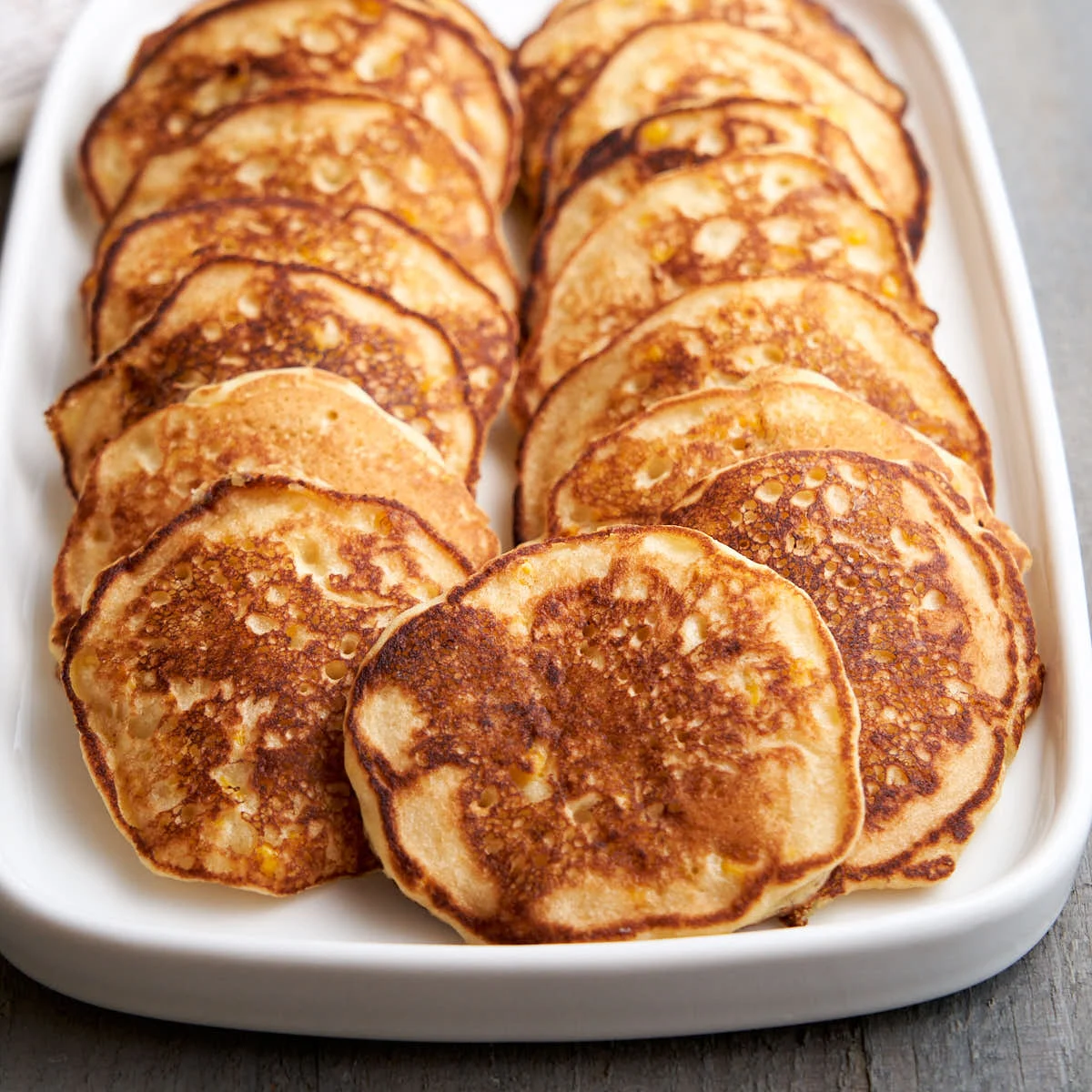
The culinary landscape of American breakfast staples has long been dominated by buttermilk pancakes, but recent shifts in consumer preferences toward texture-rich, savory-sweet profiles have brought corn-based iterations to the forefront of morning dining. Corn pancakes, specifically those formulated with canned cream-style corn, represent a significant departure from traditional flour-heavy recipes. By incorporating processed sweet corn, home cooks and professional chefs alike are successfully replicating the dense, custard-like consistency of classic Southern corn pudding in a griddle-cooked format. This development highlights a broader trend in home cooking: the creative utilization of shelf-stable pantry staples to achieve complex, restaurant-quality textures with minimal equipment.
The Rise of Cream-Style Corn in Modern Breakfast Trends
The inclusion of cream-style canned corn—a product consisting of whole kernels suspended in a milky, starch-thickened corn puree—is the defining technical element of this dish. Unlike traditional pancake recipes that rely solely on leavening agents like baking powder and the structural integrity of wheat flour, the moisture content and natural sugars present in creamed corn alter the chemical reaction during cooking.
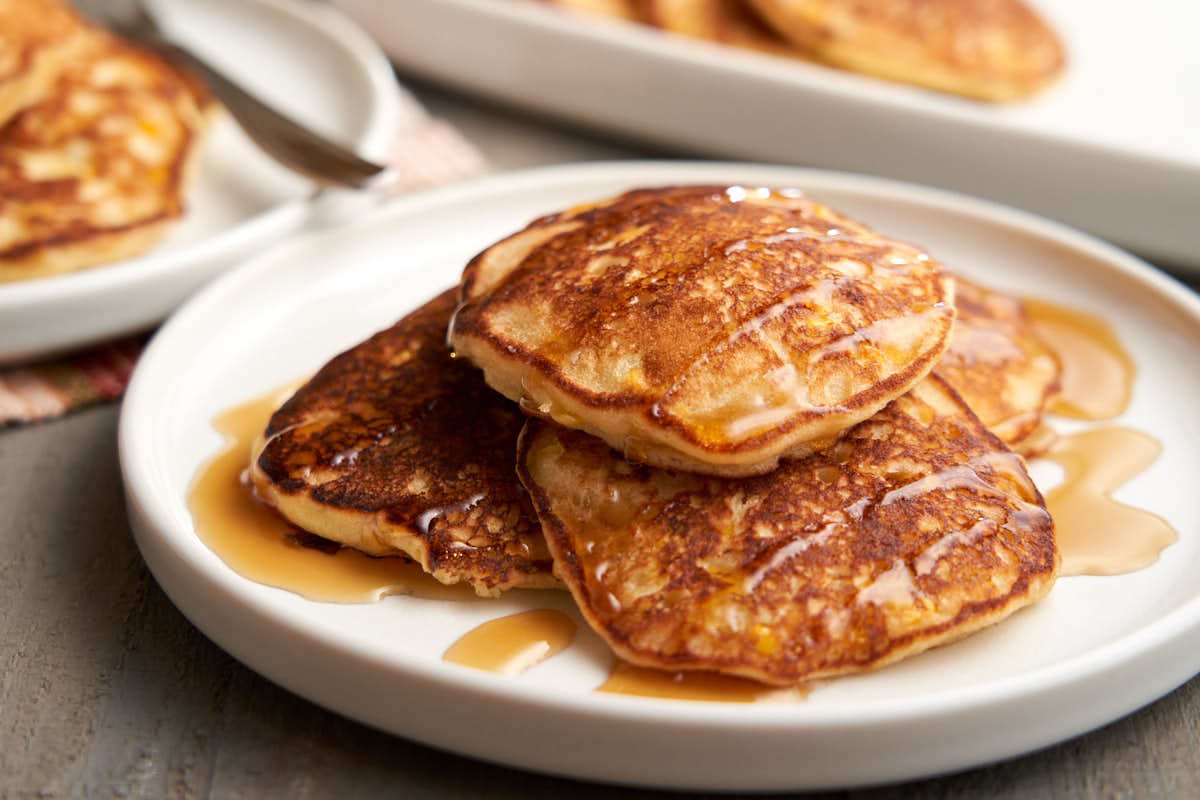
Data from the culinary manufacturing sector suggests that demand for canned corn products has remained resilient, with a notable uptick in "pantry-to-plate" recipe searches since 2020. This movement reflects a shift toward using canned goods not merely as side dishes, but as functional components in baking and breakfast preparation. The integration of creamed corn introduces a moisture content that prevents the batter from becoming overly dry, a common failure point in homemade pancake production. The result is a pancake that retains a pudding-like interior while maintaining a crisp, golden-brown exterior.
Chronology of Preparation and Culinary Methodology
Achieving the ideal corn pancake requires a precise approach to ingredient integration. Industry standard practices for this specific recipe involve a dual-vessel preparation method to ensure consistent distribution of ingredients.
- Dry Ingredient Consolidation: The process begins by whisking flour, leavening agents, and a touch of salt in an initial bowl. This ensures that the structural components of the pancake are uniform before moisture is introduced.
- Wet Ingredient Emulsification: In a secondary bowl, the creamed corn is blended with eggs, milk, and a binding fat, typically melted butter. This stage is critical for balancing the starch in the corn with the liquid components.
- The Folding Phase: The dry and wet mixtures are combined. The technique here is light; over-mixing can lead to the development of gluten, which would result in a tough, rubbery pancake rather than the desired soft, custard-like crumb.
- Thermal Management: The cooking process is perhaps the most significant variable. Utilizing a griddle or heavy-bottomed pan at a moderate heat setting is essential.
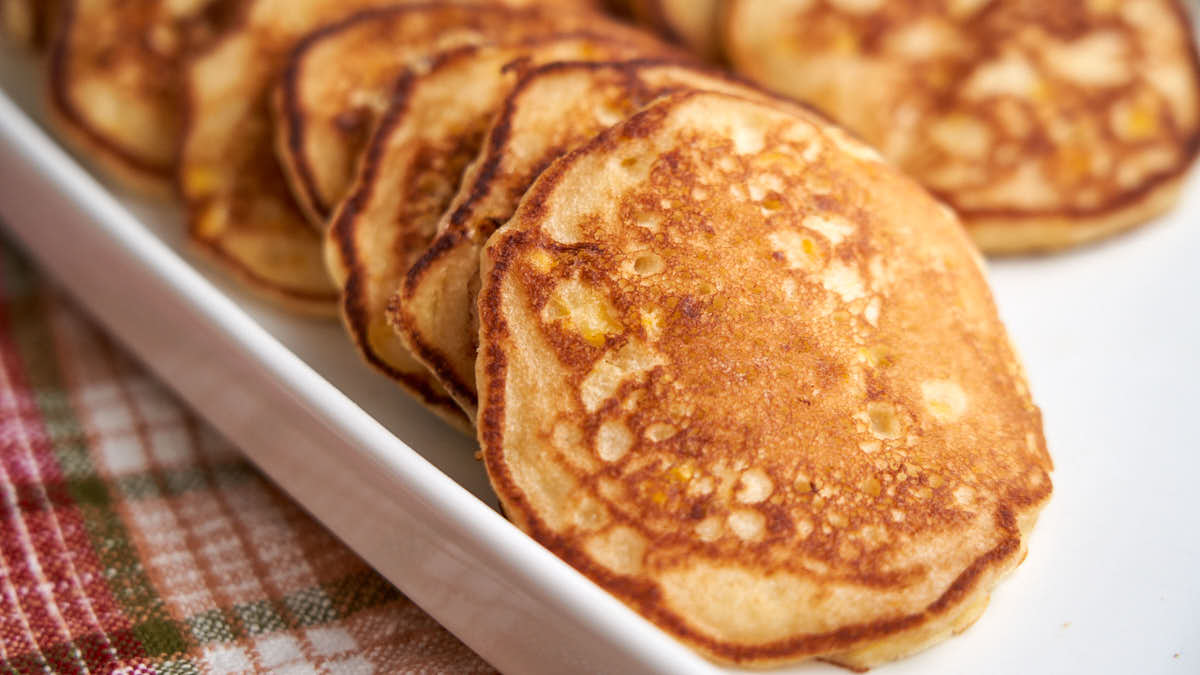
Professional kitchen observations indicate that using a silicone brush to apply butter to the cooking surface before each batch contributes to a more uniform browning pattern. This method, often referred to as creating a "lacy" edge, allows for better heat distribution compared to simply pouring batter into a pool of oil or butter.
Analytical Perspective on Texture and Flavor Profiles
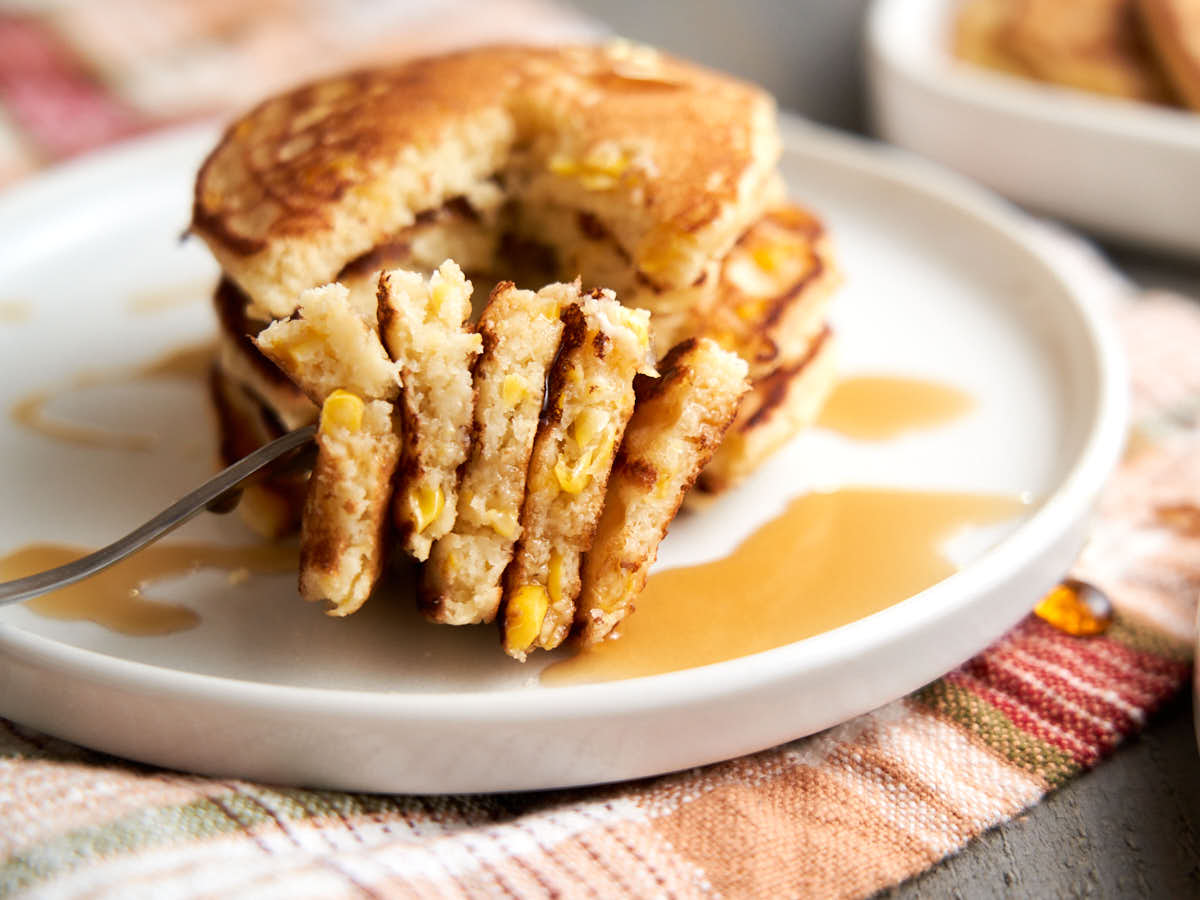
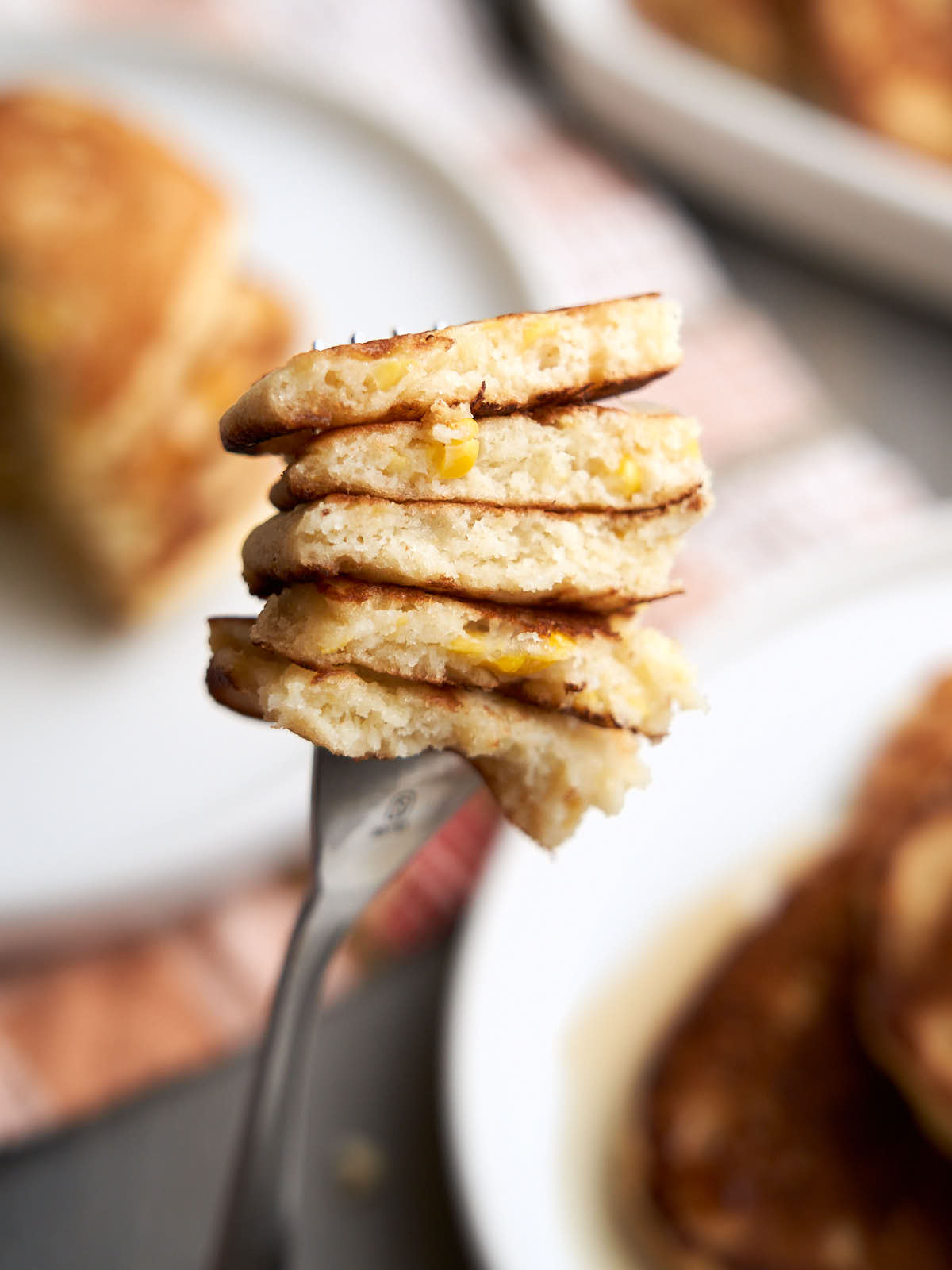
The appeal of these pancakes lies in the contrast between the smooth, thickened base and the structural integrity of the intact corn kernels. From a sensory analysis standpoint, this creates a dynamic eating experience. The natural sweetness of the corn reduces the necessity for high-fructose syrups, aligning with contemporary dietary interests in moderate sugar consumption.
Experts in food science note that the starch content in creamed corn acts as a stabilizer. While a standard pancake might deflate within minutes of leaving the griddle, a corn-based pancake holds its structural integrity for a longer period, making it a preferred choice for large-scale brunch services where speed of delivery is paramount. Furthermore, the versatility of the dish—which can transition from a breakfast sweet to a dinner side dish simply by omitting syrup—adds to its economic value in the household kitchen.
Broader Implications for Breakfast Consumption
The popularity of corn-based breakfast items speaks to a growing appreciation for regional American ingredients. Historically, corn was the foundation of the agrarian American diet. The resurgence of corn pancakes can be viewed as a modern, simplified homage to early American hearth cooking, where cornmeal and creamed corn were staples of daily life.
From an economic perspective, the reliance on canned goods is a reflection of current inflation-conscious consumer habits. Canned corn is one of the most accessible and affordable produce-adjacent items available in the grocery market. By elevating a low-cost item into a gourmet-style breakfast, this recipe serves as a case study in how simple culinary techniques can increase the perceived value of pantry staples.
Technical Recommendations for Success
To ensure success with this recipe, home cooks are advised to monitor the heat levels closely. Because of the sugar content in the corn, these pancakes are more susceptible to caramelization than standard buttermilk pancakes. If the pan temperature exceeds the threshold for the sugars, the exterior will darken significantly before the interior has achieved the necessary "pudding" consistency.
Kitchen professionals often suggest the following troubleshooting steps:

- The Bubble Test: Wait for consistent bubbles to form across the surface of the pancake before flipping. This is an indicator that the leavening agents have reacted and the structure has set.
- Edge Inspection: The edges of the pancake should appear matte and slightly dry before the flip is attempted.
- Heat Regulation: If the pancakes are browning too rapidly, reduce the stove temperature by 15-20%. A cast-iron skillet, which retains heat more aggressively than aluminum, may require a lower setting than a standard non-stick pan.
Conclusion: The Sustainability of the Corn Pancake
As the culinary world continues to embrace diverse grains and vegetables in traditional baking, the corn pancake stands as a testament to the longevity of simple, ingredient-forward recipes. Whether served as a sweet breakfast dish drizzled with pure maple syrup or as a savory accompaniment to dinner entrees, the dish provides a high level of satisfaction through its unique, texturally complex profile. By adhering to the two-bowl mixing method and maintaining careful control over the griddle temperature, home cooks can consistently produce a result that balances the comfort of traditional pudding with the convenience of a modern pancake. The inclusion of such recipes in the home rotation offers an accessible way to diversify morning menus while utilizing affordable, long-lasting ingredients.
