
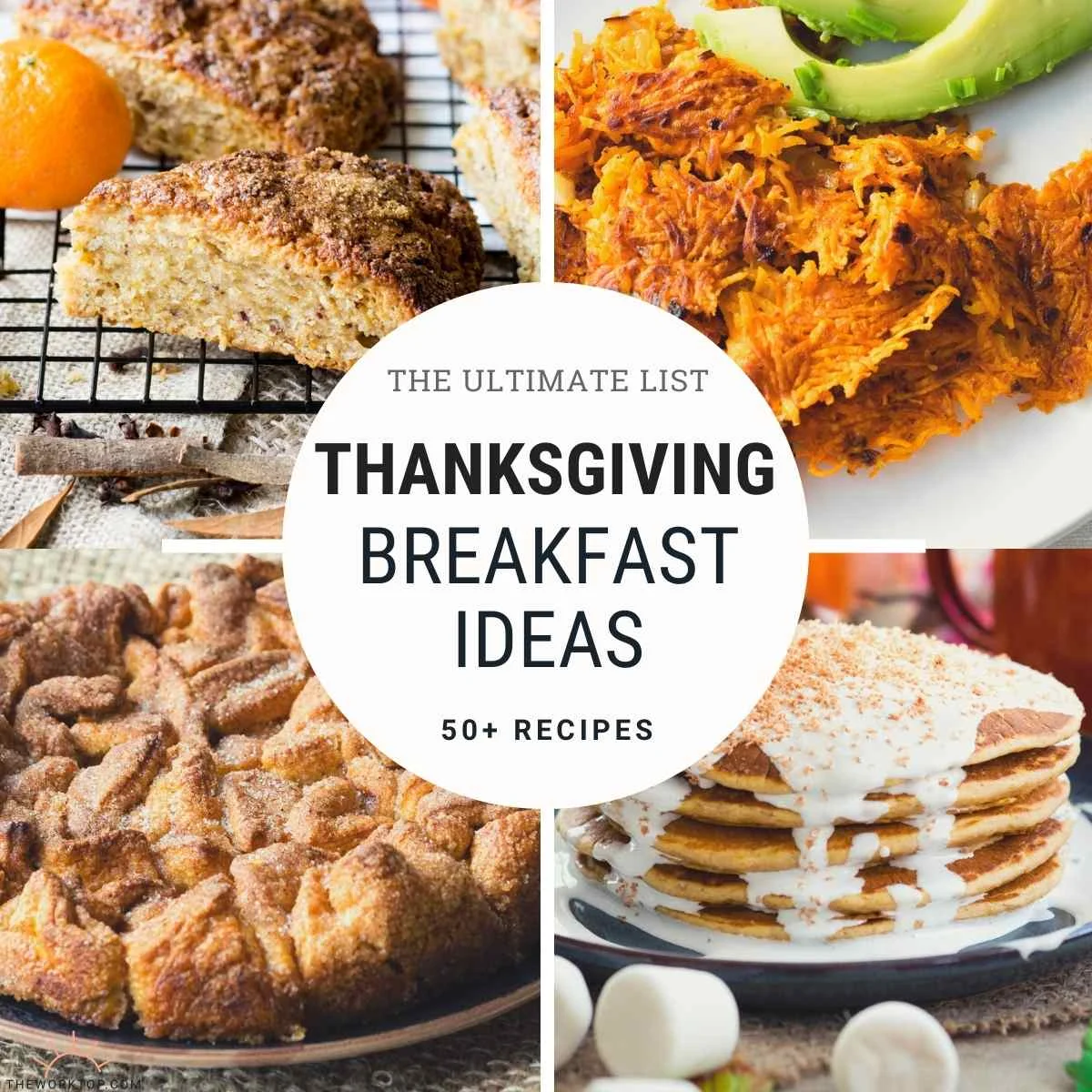
Thanksgiving is traditionally defined by the grand centerpiece of a roasted turkey and an extensive spread of side dishes, but the morning hours often go overlooked. For many households, the focus remains entirely on the evening meal, leading to a common practice of skipping breakfast in anticipation of the day’s caloric intake. However, culinary experts and nutritionists increasingly suggest that a strategic, light, and festive breakfast can actually optimize energy levels for the demanding task of preparing a multi-course feast. Incorporating fall-inspired ingredients like pumpkin, cranberries, cinnamon, and hearty root vegetables into a morning meal can transform the holiday from a single event into a full-day culinary celebration.

The shift toward Thanksgiving brunch and breakfast has gained momentum over the last decade as families seek to extend the quality time spent together. By preparing make-ahead casseroles or quick, seasonal skillet dishes, hosts can ensure that guests remain satiated without spoiling their appetites for the main event. This approach allows for a more relaxed morning atmosphere, providing an opportunity to enjoy the holiday rituals, such as watching parades or preparing ingredients for the evening, with a sustained sense of well-being.
The Rise of Make-Ahead Casseroles for Holiday Mornings
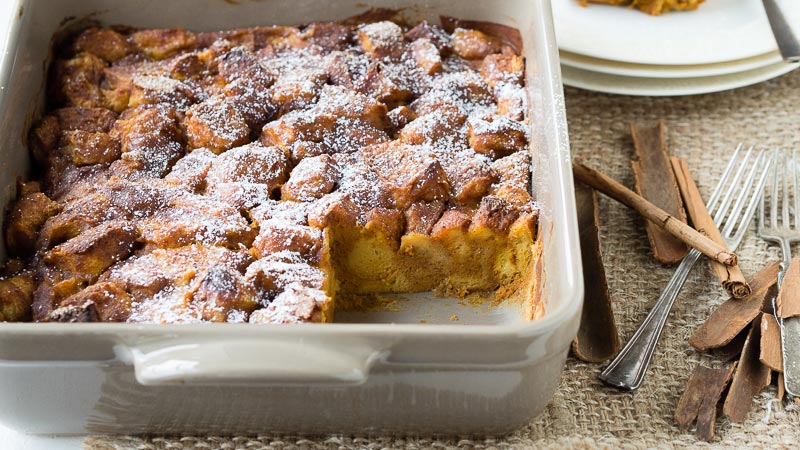
One of the most effective strategies for a seamless Thanksgiving morning is the use of overnight breakfast casseroles. These dishes are particularly advantageous because they require zero active kitchen time once the guests are awake, as the heavy lifting is done the evening before. From a logistical standpoint, the oven becomes available for breakfast during a time when it might otherwise be sitting empty, allowing for a warm meal to be served with minimal disruption to the primary roasting schedule.
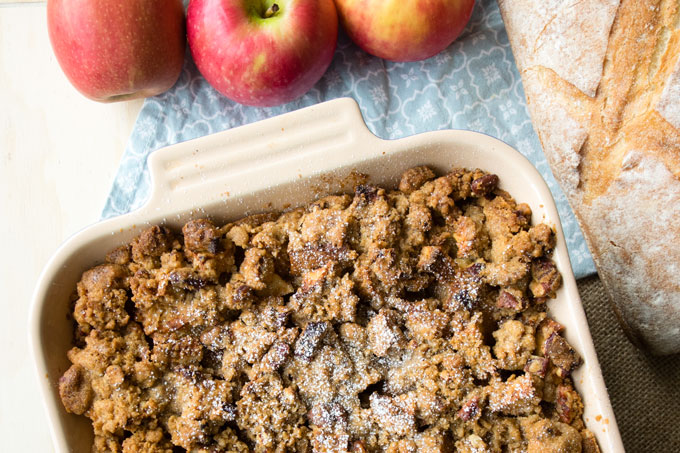
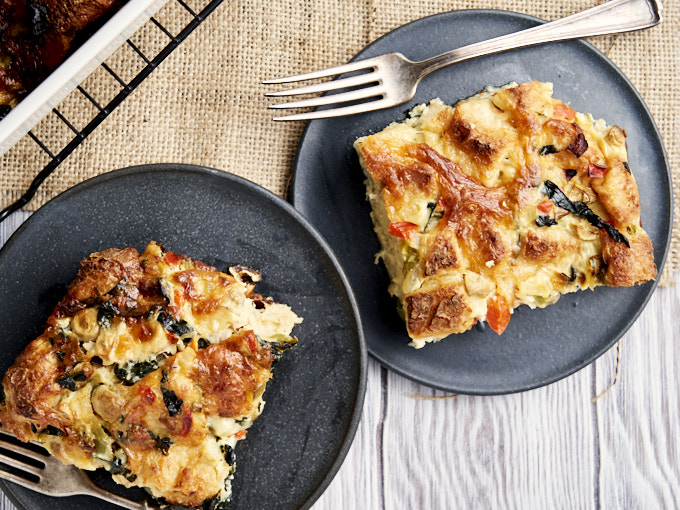
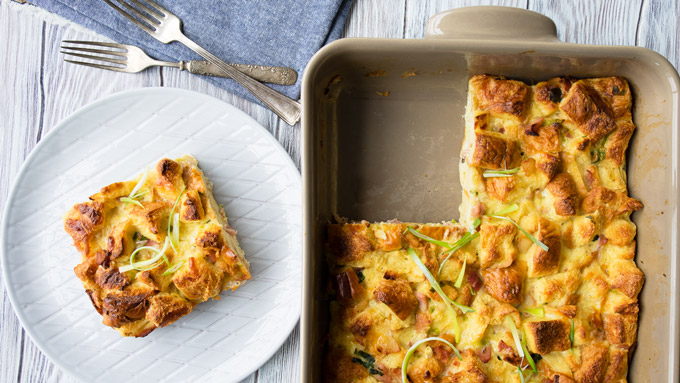
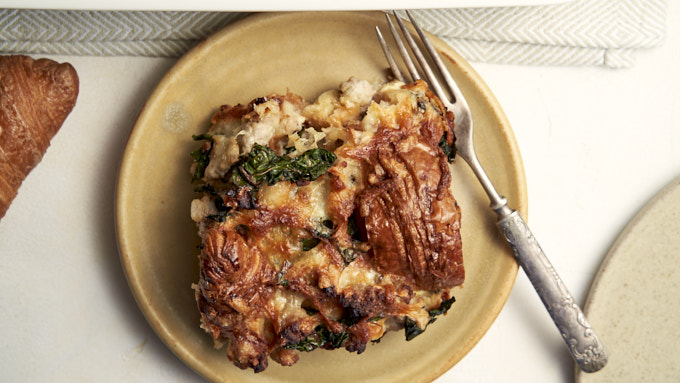
Pumpkin-based French toast casseroles have become a standout favorite, blending the quintessential flavor of the season with the structural convenience of a bake. By using high-quality brioche or sourdough, cooks can achieve a custard-like interior that holds up well during the overnight soaking process. Similarly, savory options like sausage, egg, and cheese casseroles provide a necessary protein boost to balance the carb-heavy focus of the later Thanksgiving dinner.
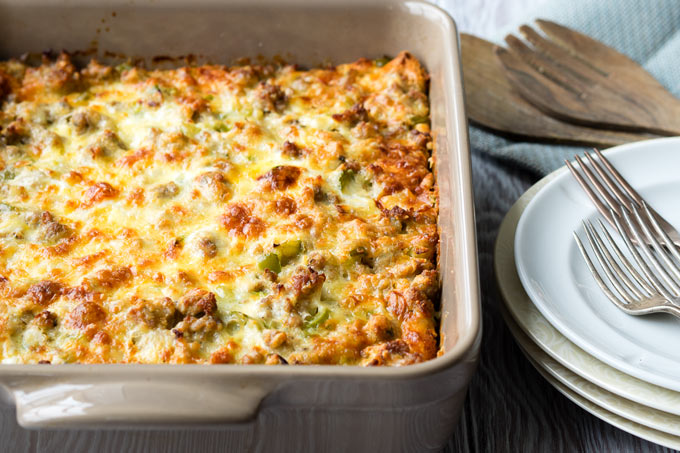
Data from culinary trends suggests that brunch-style gatherings on holidays are increasing in popularity among younger demographics, who prefer a communal meal that bridges the gap between early morning and the late-afternoon feast. These casseroles are highly scalable, making them ideal for large family gatherings where headcount might be unpredictable.

Skillet Cooking and the Utility of Seasonal Produce
While ovens are often prioritized for the turkey, the stovetop remains a highly underutilized resource on Thanksgiving morning. Skillet-based recipes—such as sweet potato hashes or loaded breakfast scrambles—offer a rustic, hearty alternative to traditional baked goods. Sweet potatoes, a staple of the holiday, serve as an excellent base for these dishes. When paired with maple syrup and savory ingredients like bacon or fresh herbs, they create a flavor profile that is both festive and sophisticated.
The benefit of a skillet hash lies in its versatility. It can be prepared quickly and allows for the integration of leftover ingredients from the previous night’s prep work. For example, diced onions, bell peppers, or herbs intended for the stuffing can be repurposed into a breakfast hash, reducing kitchen waste—a key focus in modern sustainable cooking.

Incorporating Festive Flavors into Quick Bites
For those who prefer a grab-and-go option, muffins, scones, and quick breads offer a way to enjoy the season’s bounty without the commitment of a sit-down meal. Blueberry cornbread muffins or cranberry-infused crumb cakes introduce the classic flavors of the holiday—corn, berries, and warming spices—in a portable format.
These items can be prepared well in advance and frozen, allowing for a stress-free morning. The aroma of cinnamon, nutmeg, and cloves, which often characterizes these baked goods, serves as an olfactory welcome to the holiday, setting a festive tone from the moment guests wake up. Furthermore, these items are perfect for feeding younger family members who may not have the patience for a formal sit-down breakfast but require sustained energy for the day’s activities.

The Role of Beverages in the Holiday Morning Routine
A well-rounded Thanksgiving breakfast is incomplete without beverages that complement the season. The trend toward high-quality, at-home coffee drinks has seen a significant rise, with many families recreating coffee-shop classics like maple pecan lattes or pumpkin-spiced beverages. These drinks not only provide the necessary caffeine to tackle the day’s cooking but also serve as a comforting morning ritual.
For those looking for a non-caffeinated option, warm pumpkin spice drinks made with nut milk or traditional warm milk and honey are highly effective. These drinks are often lower in sugar than their commercial counterparts, providing a more balanced start to the day. For adult-only brunches, the inclusion of light, refreshing cocktails—such as a hibiscus lemon gin fizz or a cranberry-infused tonic—can elevate the morning from a simple meal to a celebratory event.

Dietary Considerations and Inclusivity
In the modern era, a thoughtful host recognizes the need for dietary inclusivity. A well-planned Thanksgiving menu considers guests who may follow gluten-free, vegan, or paleo diets. Fortunately, many traditional breakfast components are easily adapted.
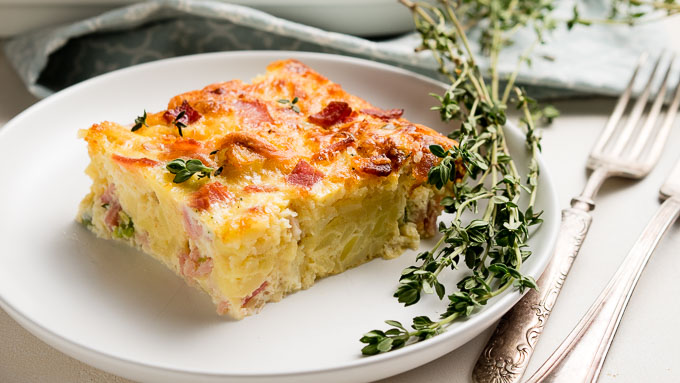
Gluten-free guests can enjoy breakfast potato casseroles, which utilize tubers instead of bread as a binding agent, or baked oatmeal recipes that rely on certified gluten-free oats. For vegan participants, options abound, including carrot cake muffins made with flax eggs or dairy-free pumpkin bread. The focus here is on quality ingredients—using coconut flour, almond butter, or plant-based milks ensures that these dishes are not just "alternatives" but are delicious in their own right.

Strategic Planning for a Seamless Morning
To execute these ideas successfully, professional chefs and home-cooking experts emphasize the importance of the "mise en place" approach. Even for a simple breakfast, having ingredients pre-measured and prepped in the refrigerator by Wednesday night is essential. This preparation allows the host to focus on the more complex tasks of the evening meal without the distraction of a hungry household in the morning.
The timeline for a successful Thanksgiving morning usually looks like this:
- Tuesday/Wednesday: Prep and assemble all overnight casseroles; bake muffins or quick breads and store in airtight containers.
- Thursday Morning: Remove casseroles from the refrigerator 30 minutes before baking to allow them to reach room temperature; prepare fresh coffee or warm beverages.
- Mid-Morning: Bake the casserole or quickly sear the skillet hash; serve alongside fresh fruit or a simple yogurt bowl.
Broader Implications and Culinary Traditions
The adoption of a formal Thanksgiving breakfast represents a shift in how we view the holiday itself. It is no longer just about the dinner; it is about the experience of the entire day. By prioritizing a nourishing breakfast, families can avoid the mid-day "crash" that often occurs when one goes from a long fast to a massive feast.

Furthermore, this practice encourages a more collaborative kitchen environment. When breakfast is simple and organized, family members can gather in the kitchen to help with minor tasks, turning the day into a shared effort rather than a solo endeavor for the host.

As families continue to evolve, the traditions surrounding these holidays will also change. However, the core values—gratitude, connection, and the enjoyment of food—remain constant. Whether it is a batch of cinnamon-spiced muffins or a savory potato casserole, the act of sharing a morning meal reinforces the bond that makes the Thanksgiving holiday truly special. By embracing these diverse breakfast ideas, hosts can ensure that every moment of the holiday, from the first cup of coffee to the final slice of pie, is marked by flavor and togetherness.
