
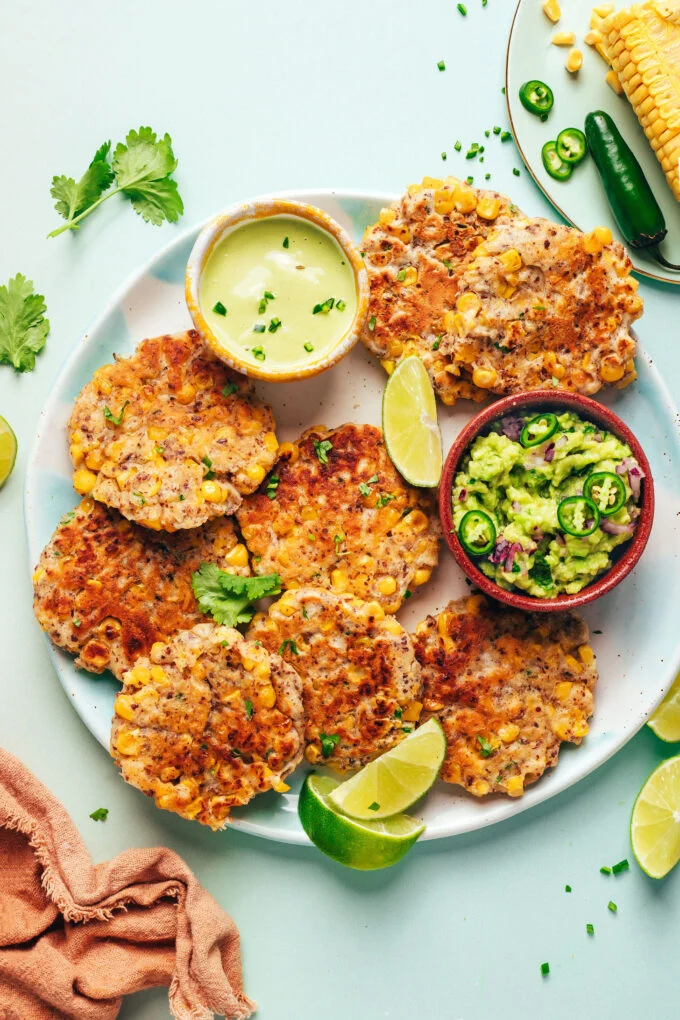
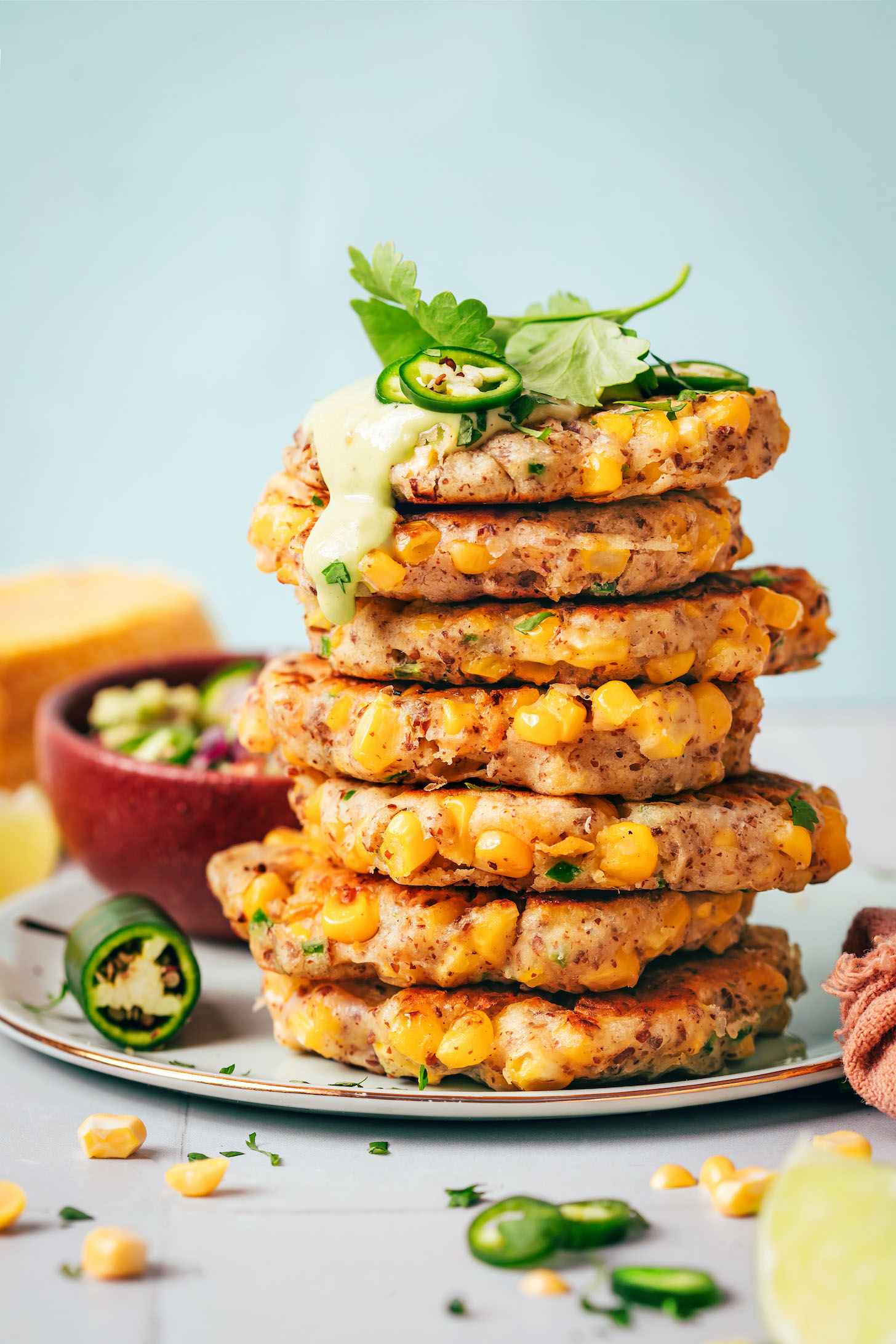
The culinary landscape has seen a significant shift toward plant-based alternatives in recent years, driven by a growing consumer demand for versatile, accessible, and inclusive meal options. A notable development in this movement is the emergence of modernized, allergen-friendly versions of traditional comfort foods. Among the most recent additions to this trend is the vegan jalapeño corn fritter, a dish that bridges the gap between classic regional American cuisine and contemporary dietary requirements. By utilizing plant-based binding agents and gluten-free flour alternatives, chefs and home cooks alike are demonstrating that traditional textures—specifically the desired crispy exterior and tender interior—can be achieved without the use of animal products.
The Evolution of the Fritter in Modern Gastronomy
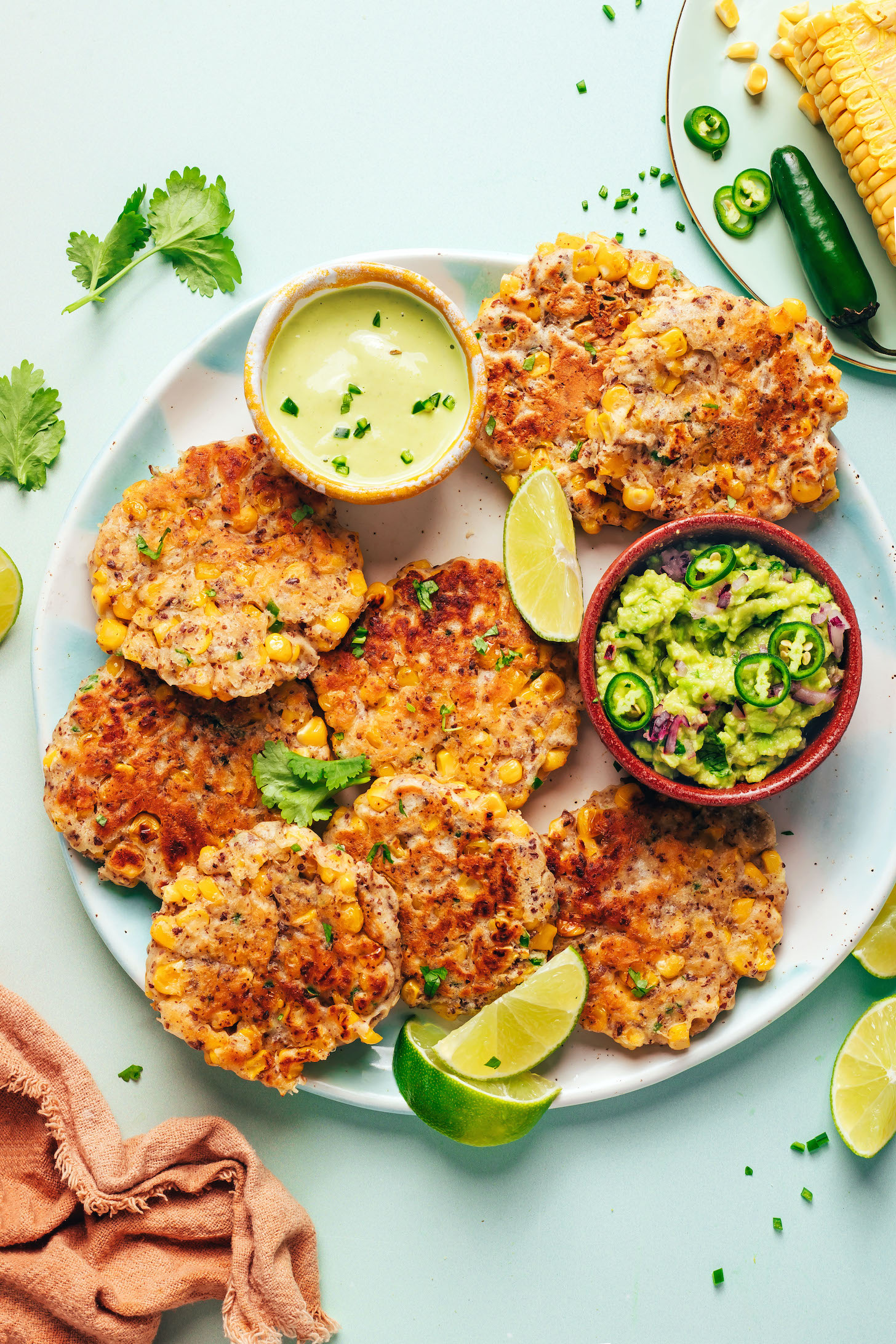
Historically, fritters have served as a staple in various cultures, often functioning as a method for utilizing seasonal produce. In the Southern United States, corn fritters have long been a common side dish or appetizer, traditionally relying on eggs and dairy to provide structure and richness. The recent adaptation into a vegan and optionally gluten-free format represents a deliberate effort to retain the cultural significance of the dish while accommodating modern health trends, including the rise in flexitarian diets and celiac-friendly culinary practices.
According to market research from organizations such as the Plant Based Foods Association, the interest in vegetable-forward appetizers has spiked as consumers prioritize nutrient-dense, plant-derived meals. This recipe for vegan corn fritters utilizes 10 basic, shelf-stable ingredients, reflecting a broader consumer preference for "minimalist" cooking—a term that describes the trend of high-quality results with reduced ingredient lists.

Technical Composition and Culinary Methodology
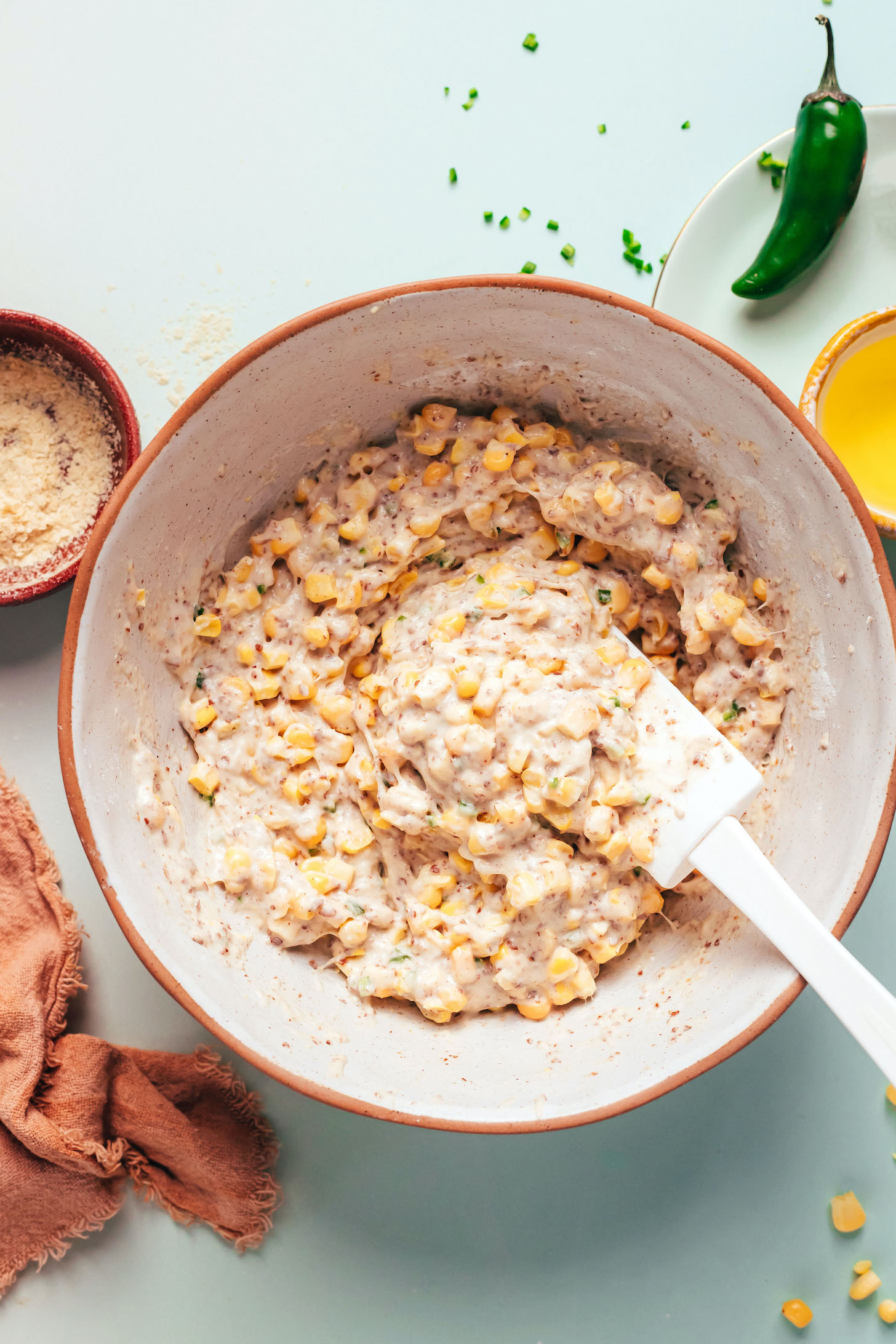
The transformation of the traditional fritter recipe involves a strategic substitution of ingredients. To replace the binding properties of eggs, culinary experts have increasingly turned to flaxseed meal. When combined with water, flaxseed meal creates a viscous gel that effectively holds the batter together during the frying process.
The structural integrity of the fritter is further supported by the selection of flour. Whether using a standard all-purpose flour or a specialized 1:1 gluten-free baking blend, the goal is to maintain a thick, fluffy batter. Nutritional yeast is often incorporated to provide a savory, umami-rich depth of flavor that mimics the profile of dairy-based counterparts, while garlic powder and salt serve as the base seasoning.

The introduction of jalapeño peppers adds not only a heat element but also a layer of complexity that has become synonymous with contemporary fusion cooking. The preparation process involves:
- Batter Stabilization: Combining the flaxseed "egg" with a neutral, unsweetened dairy-free milk—cashew milk being a preferred choice for its creamy consistency—and the flour blend.
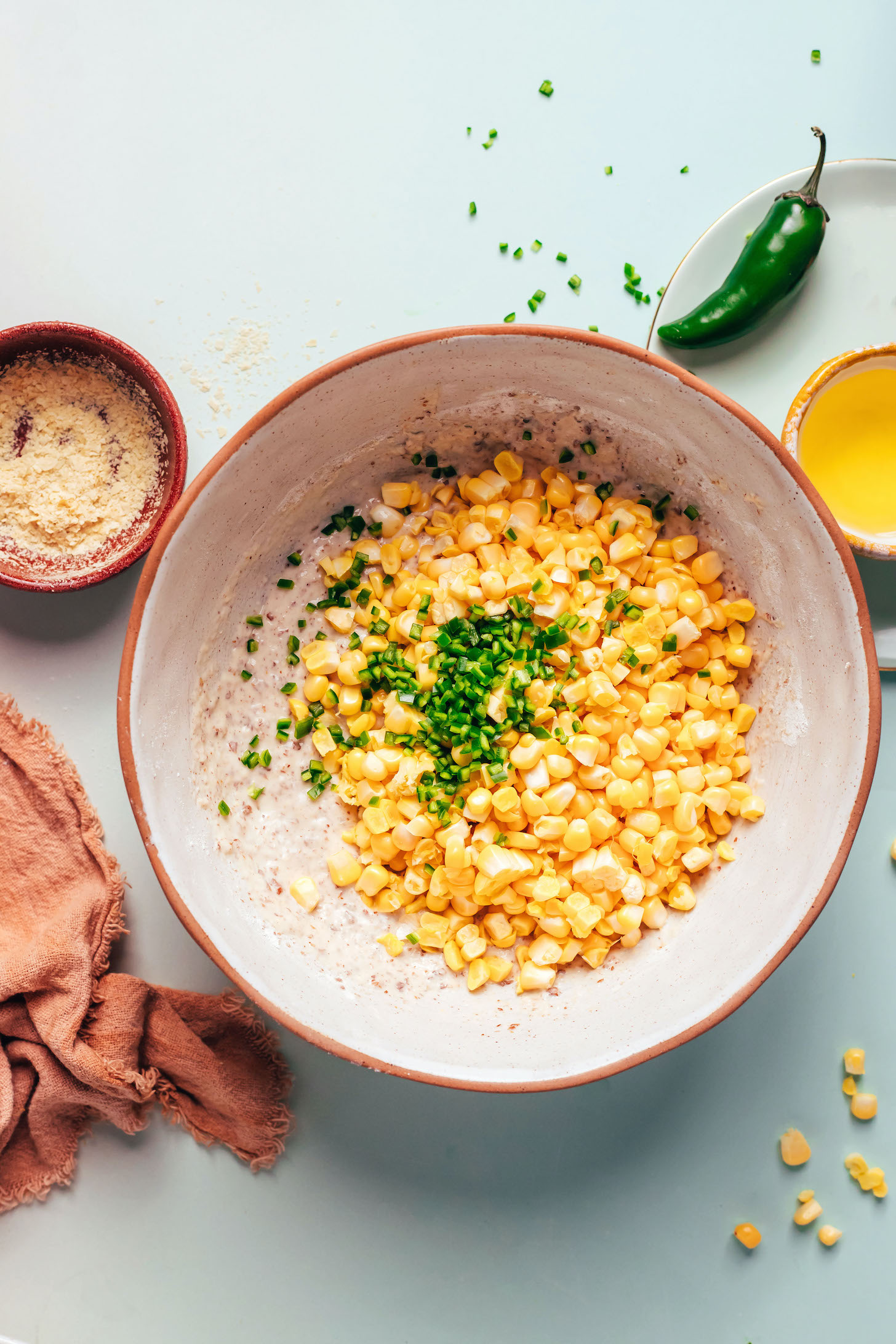
- Flavor Integration: Folding in fresh or thawed, patted-dry corn kernels and finely minced jalapeños.
- Thermal Processing: Utilizing a shallow-frying technique in a cast-iron skillet, which provides consistent heat distribution. This method is preferred over deep-frying as it reduces the total oil content while ensuring a crisp, golden-brown crust.
Nutritional Profile and Dietary Implications
A standard serving of these corn fritters, calculated at approximately one fritter, contains roughly 103 calories. The macronutrient breakdown includes 16.2 grams of carbohydrates, 2.4 grams of protein, and 3.8 grams of fat. Because the recipe is entirely plant-based, it contains zero milligrams of cholesterol, making it a heart-healthier alternative to traditional recipes that incorporate eggs and buttermilk.
The dietary profile is also notable for its low saturated fat content (0.5 grams per serving) and its fiber content (1.9 grams), which is bolstered by the use of corn and flaxseed. These metrics are often cited by nutritionists as positive indicators for those looking to integrate more fiber-rich, plant-based appetizers into a balanced diet.
Market Context and Consumer Reception
The rise of recipes like these signals a shift in the home-cooking sector. As consumers become more adept at identifying and sourcing high-quality, gluten-free, and vegan-friendly ingredients, the demand for complex, "from-scratch" recipes that require minimal time has grown. Data suggests that the average preparation time for this dish—30 minutes—is a key factor in its popularity. In the current economic climate, where time is a premium commodity, recipes that offer a "quick-to-table" solution without sacrificing flavor or quality are increasingly prioritized by digital audiences.
Furthermore, the adaptability of the dish serves as a hedge against seasonal availability. While the recipe is designed to showcase fresh summer corn, the validation of frozen corn as a viable, year-round substitute ensures the dish remains relevant regardless of the season. This versatility is a hallmark of successful modern recipes, which must perform well in varying geographical and supply-chain conditions.
Expert Analysis of the Fritter Trend
Culinary analysts suggest that the success of vegan fritters lies in their "approachable complexity." While the recipe is technically simple, it offers a sensory experience—the contrast between the crunch of the fried batter and the sweetness of the corn—that satisfies the psychological requirements of comfort food.

"The shift toward vegan, gluten-free versions of classic sides is not just about substitution; it is about culinary innovation," notes a food industry consultant. "When you remove the crutch of dairy and eggs, you are forced to focus on the chemistry of the ingredients—how the starch in the corn interacts with the flour, how the fat in the oil crisps the exterior—and that results in a more intentional, often better-tasting final product."
Broader Implications for Sustainable Eating
The promotion of such recipes has implications for broader sustainability goals. By focusing on corn, a highly efficient crop, and avoiding animal products, the carbon footprint of this appetizer is significantly lower than that of traditional options like cheese-based dips or meat-heavy snacks. As public awareness of the environmental impact of food choices continues to rise, the dissemination of accessible, plant-based recipes plays a functional role in encouraging sustainable consumption habits at the household level.
The longevity of this trend is evidenced by the consistent engagement metrics on cooking platforms, where users frequently report that they would choose the vegan version even if they were not strictly adhering to a vegan diet. This indicates that the barrier to entry for plant-based eating is lowering, as the focus shifts from "restriction" to "flavor-forward alternatives."
Conclusion
The resurgence of the corn fritter, re-engineered for a modern, plant-based, and gluten-sensitive audience, serves as a microcosm for the larger evolution of food culture. By combining traditional cooking techniques with modern ingredient science, home cooks are creating dishes that are not only inclusive but also highly nutritious and environmentally conscious. Whether served as an appetizer at a summer gathering or as a seasonal side dish in the winter, the vegan jalapeño corn fritter stands as a testament to the fact that the future of culinary tradition is one that is increasingly plant-focused, efficient, and accessible to all.
