
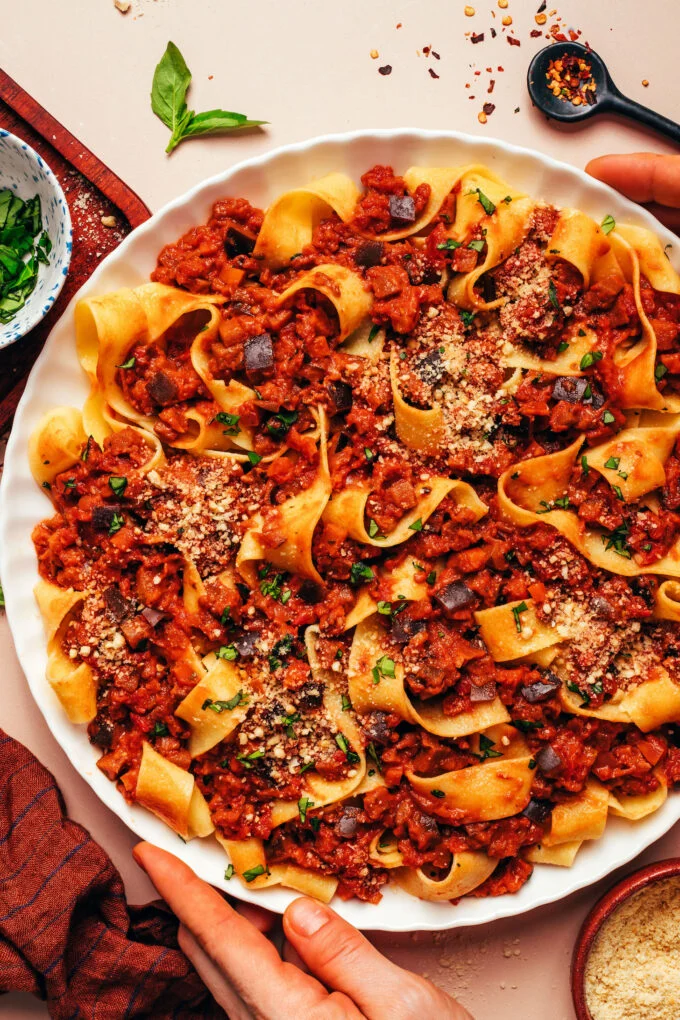
The Evolution of the Bolognese Archetype
Bolognese, or ragù alla bolognese, originates from the city of Bologna in the Emilia-Romagna region of Italy. Traditionally, the sauce is built upon a soffritto—a sautéed base of onions, carrots, and celery—combined with ground meat, wine, milk, and tomatoes. Over the past decade, the culinary landscape has seen an increasing demand for plant-based alternatives that do not sacrifice the depth or "mouthfeel" of the original.
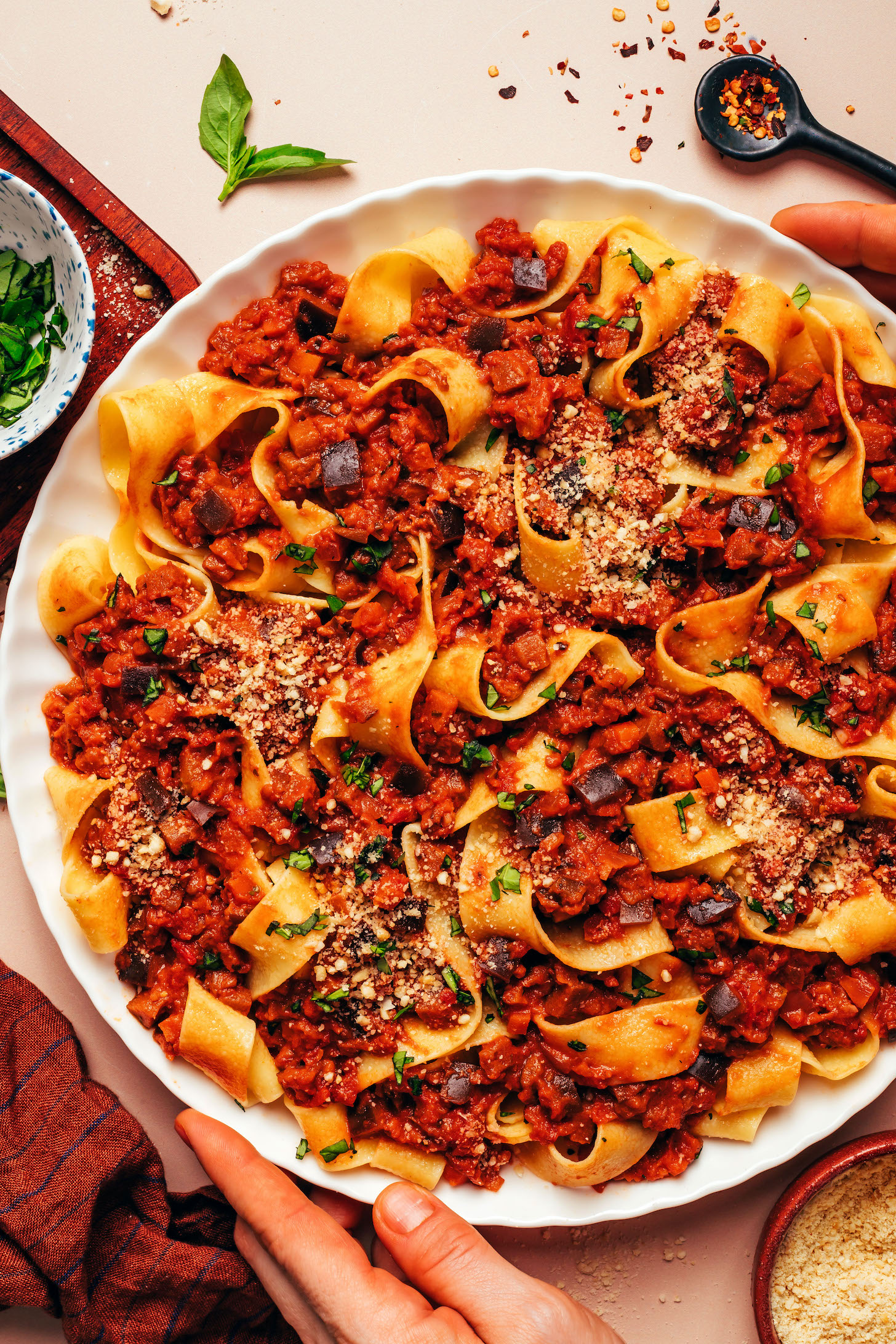
The Minimalist Baker has previously addressed this demand with four distinct iterations, utilizing ingredients such as mushrooms, red lentils, tempeh, and chickpeas. However, the introduction of an eggplant-based version signals a pivot toward utilizing the vegetable’s natural sponge-like texture, which, when properly sautéed, provides a structural integrity that mimics the heartiness of traditional ground meat. This innovation aligns with a broader industry trend of "vegetable-forward" dining, where the focus remains on enhancing the inherent properties of seasonal produce rather than relying exclusively on processed meat substitutes.
Culinary Methodology and Technical Execution
The methodology behind this 1-pot dish is predicated on precise heat management. The process begins with the foundational soffritto, requiring the careful sautéing of onions and carrots. The critical technical step follows: the addition of finely cubed eggplant. By cutting the eggplant into small, uniform pieces, the cook ensures that the vegetable releases its moisture and browns evenly, rather than steaming, which is a common failure point in eggplant preparation.

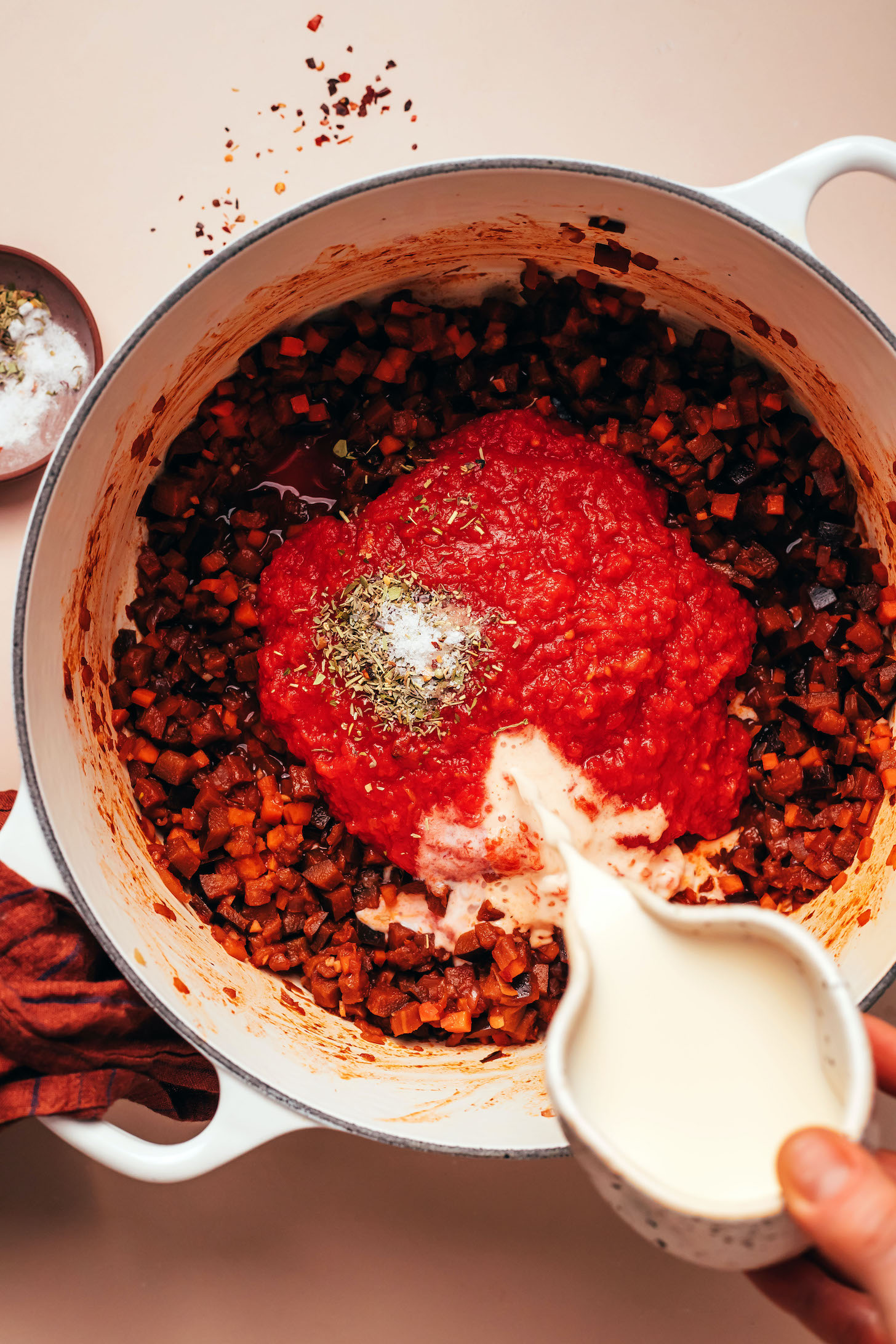
Once the eggplant achieves the desired caramelization, the base is deglazed with wine, a move that serves to lift the fond—the browned bits of food stuck to the bottom of the pot—thereby incorporating deep, roasted flavors into the sauce. The subsequent integration of crushed tomatoes and tomato paste provides the necessary acidity, which is then balanced by a controlled addition of dairy-free milk. The use of cashew milk, as suggested by the developers, introduces a level of fat and viscosity that replaces the traditional dairy element, resulting in a creamy, cohesive sauce that clings to pasta effectively.
Chronology of Preparation and Efficiency
The recipe is structured to accommodate the modern, time-constrained consumer. The total time investment is approximately 45 minutes, broken down into 15 minutes of active preparation and 30 minutes of passive simmering.

- Phase 1: Foundation (0–10 minutes): Sautéing the aromatic base of onions and carrots to establish a flavor profile.
- Phase 2: Browning (10–20 minutes): Introducing the eggplant and allowing for sufficient browning, which is the key to creating the "meaty" texture.
- Phase 3: Deglazing and Emulsification (20–25 minutes): Adding aromatics, wine, and tomato products to build the sauce structure.
- Phase 4: Reduction (25–45 minutes): A mandatory simmer period that allows for the evaporation of excess water, resulting in a concentrated, rich flavor.
This timeline is notably shorter than traditional ragù, which can often require three to four hours of simmering. By optimizing the surface area of the vegetables and utilizing the moisture-retaining properties of the eggplant, the recipe achieves a depth of flavor that traditionally takes hours to develop in a fraction of the time.
Nutritional Context and Ingredient Analysis
From a nutritional standpoint, this eggplant bolognese offers a profile distinct from its meat-based counterparts. A single serving provides approximately 284 calories, with 8.3 grams of dietary fiber and 6.6 grams of protein. While it is lower in protein than a traditional beef-based bolognese, the inclusion of cashew milk and the potential for adding legumes—such as red lentils—allows for a significant nutritional boost.
The sodium content, measured at 689 milligrams, is relatively moderate for a savory sauce, though cooks are advised to monitor salt levels if utilizing store-bought stocks or pre-salted tomato products. The high potassium content (1040 mg) is a direct result of the eggplant and tomato base, highlighting the cardiovascular benefits of incorporating such vegetable-heavy meals into a regular diet.
Market Implications and Culinary Impact
The success of this recipe model in the current food media climate points to several broader shifts in home cooking habits. First, the emphasis on a single-pot method addresses the "cleanup fatigue" often cited by home cooks as a barrier to preparing fresh meals. By reducing the number of implements required, the barrier to entry for cooking from scratch is significantly lowered.
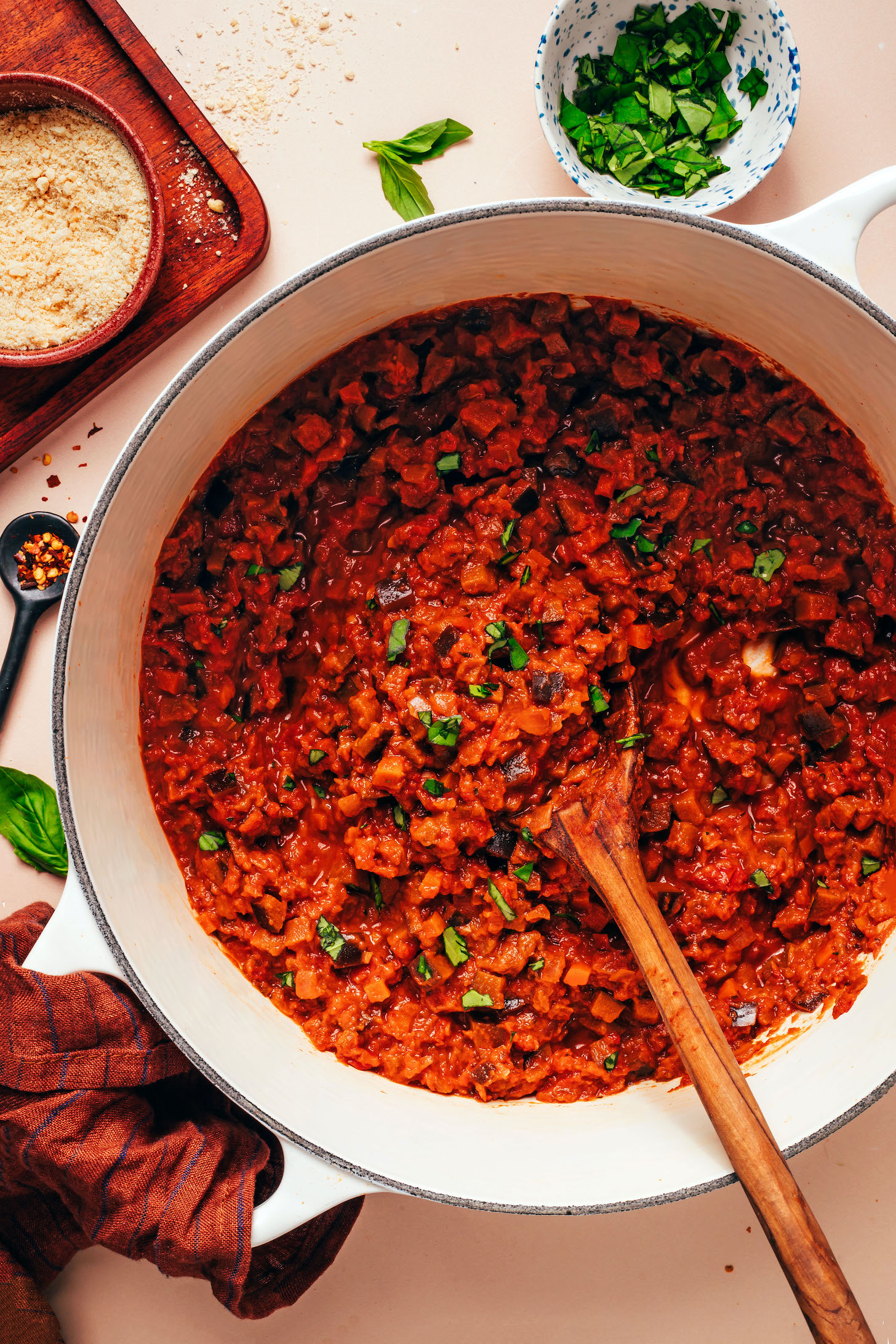
Second, the adaptability of the recipe—with suggestions for adding meatballs or serving over polenta—demonstrates a move toward "modular cooking." This approach allows consumers to use a single base recipe as a foundation for multiple dining experiences, catering to varying dietary needs within a single household. Whether served as a standalone vegan meal or adapted with animal-based proteins for flexitarian diners, the dish maintains its integrity as a high-quality, Italian-inspired entrée.
Expert Reception and Consumer Utility
While the Minimalist Baker’s iteration is highly specific, it mirrors the general principles found in professional test kitchen practices. Industry observers note that the use of eggplant as a meat substitute is a classic technique in Mediterranean cuisine, utilized for centuries to achieve a savory, umami-rich profile. By standardizing this for the home kitchen, the recipe serves as an accessible entry point for those looking to diversify their protein sources.
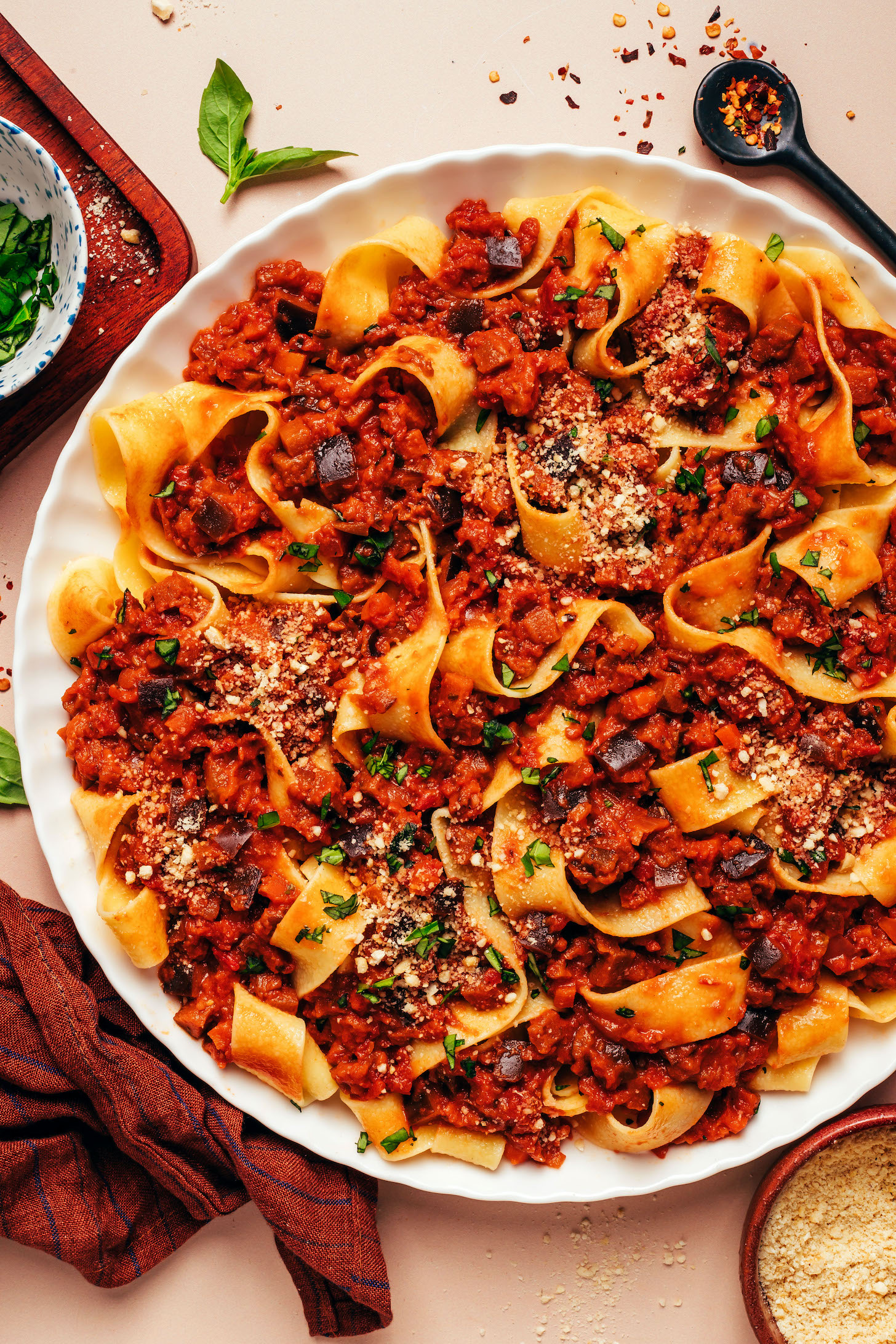
Furthermore, the longevity of the sauce—which stays fresh in the refrigerator for three to four days and remains freezer-friendly for up to one month—adds to its utility for meal planning. In an era where food waste is a primary concern for households, a recipe that can be preserved and reused efficiently holds significant value.
Broader Impact on Home Dining
The rise of such recipes suggests that the traditional definition of a "classic" dish is being rewritten to accommodate modern constraints and ethical considerations. As more home cooks adopt plant-based or plant-forward diets, the focus has shifted from finding "imitation" meats to celebrating the versatility of vegetables. The eggplant bolognese is not just a replacement for meat; it is a testament to the culinary potential of seasonal harvest.
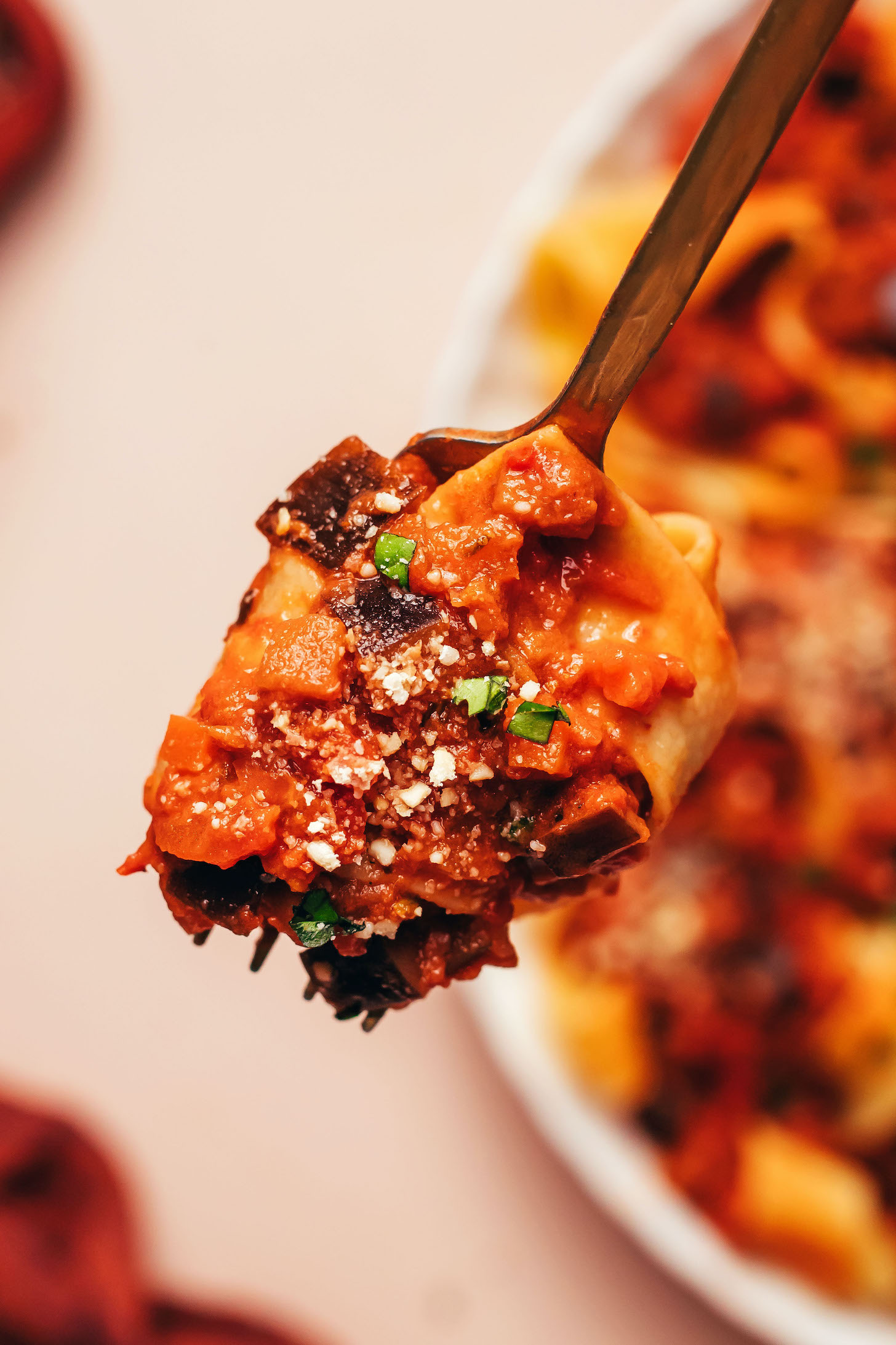
By documenting this process, the Minimalist Baker provides a template that encourages experimentation. Whether through the addition of fresh herbs like basil or the adjustment of the acid-to-fat ratio with different types of dairy-free milks, the recipe invites the cook to participate in the culinary process rather than merely following instructions. This interactive, educational approach is what keeps home cooking relevant in an age of convenience, providing not just a meal, but a skill set that can be applied to future kitchen endeavors.
As late summer harvest yields an abundance of eggplant, this recipe serves as a timely reminder that the most sophisticated dishes are often those that rely on simple, well-executed techniques and high-quality, seasonal ingredients. The shift toward one-pot, plant-centric meals is more than a trend; it is a sustainable evolution of the home kitchen, prioritizing flavor, efficiency, and nutritional density.
