
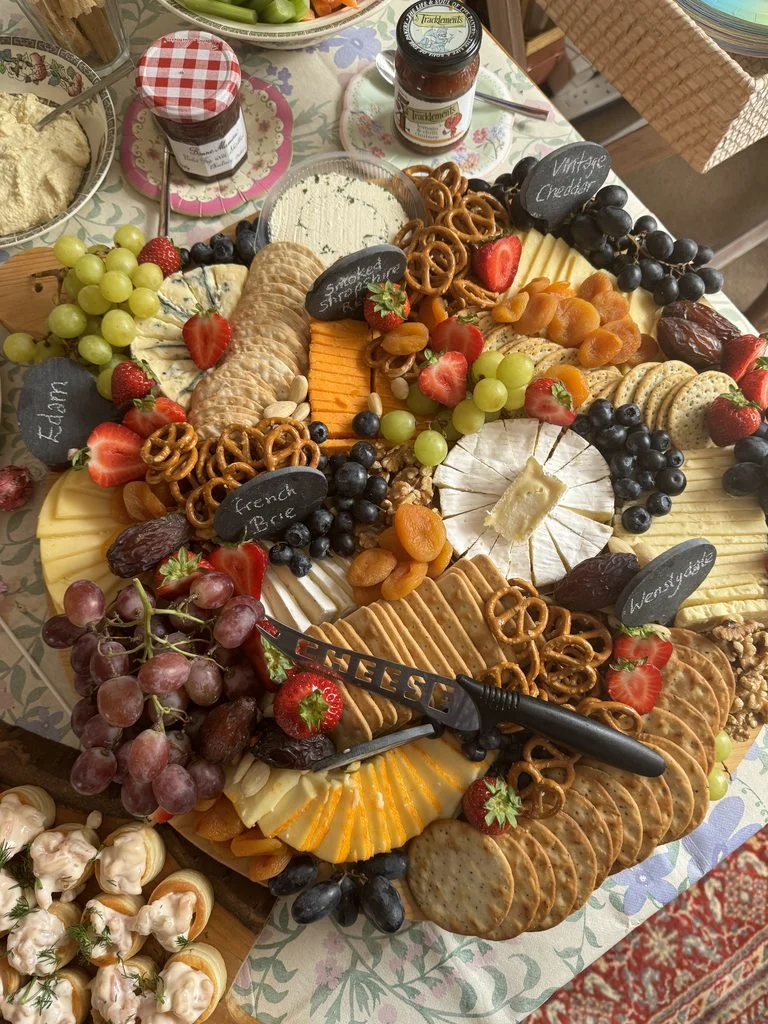
The brunch phenomenon, a hybrid culinary tradition blending breakfast and lunch, has evolved from a leisurely weekend pastime into a sophisticated pillar of modern social hospitality. Whether commemorating a milestone birthday, a wedding anniversary, or facilitating a professional networking event, the brunch format provides a flexible, high-engagement environment that appeals to a wide demographic. Recent hospitality industry trends indicate that the "brunch economy" has seen a 15% year-over-year increase in event bookings, as hosts increasingly favor the mid-morning time slot for its unique combination of accessibility and celebratory atmosphere.

The Evolution of the Brunch Phenomenon
Historically, the term "brunch" was popularized in Britain in the late 19th century, famously described by author Guy Beringer in his 1895 essay, "Brunch: A Plea." Beringer argued that the traditional, heavy Sunday roast was unsuitable for those who had indulged in Saturday night festivities. He proposed a lighter, more social meal that allowed for a later start to the day. Over the last century, this concept has matured into a global cultural institution.
Modern social analysts suggest that the rise of brunch is tied to the shifting nature of work-life balance. As individuals seek to maximize their leisure time, the brunch window—typically spanning from 10:00 AM to 2:00 PM—offers a strategic "third space" that does not encroach upon the evening hours, which are often reserved for rest or private obligations.

Strategic Venue Selection: Private Residences vs. Commercial Establishments
The decision between hosting at home or at a professional venue involves a calculated trade-off between personalization and logistical burden.
Hosting at a private residence allows for complete creative control. Data from recent hospitality surveys suggest that home-hosted brunches result in higher guest satisfaction scores regarding emotional intimacy, as the environment is curated specifically for the guest list. However, this option requires significant capital investment in terms of labor—specifically regarding grocery procurement, food preparation, and post-event sanitation.

Conversely, the commercial hospitality sector has pivoted to accommodate the growing demand for "hassle-free" celebrations. The rise of the "bottomless brunch"—a concept featuring unlimited beverage service paired with set menu offerings—has become a dominant business model for bars and restaurants. Industry experts note that this model minimizes operational overhead for the venue while providing guests with a predictable cost structure, which is particularly beneficial for large, diverse groups where bill-splitting can be complex.
Curating a Balanced Culinary Program
A successful menu requires a precise balance of nutritional density and sensory appeal. Culinary experts advise that a professional-grade brunch menu should follow the "rule of four," consisting of:

- A Savory Anchor: A substantial dish such as a quiche, strata, or frittata that provides protein and structural satiety.
- The Carbohydrate Component: Artisanal breads, pastries, or, for a more indulgent approach, pancake and waffle stations.
- Fresh Elements: Seasonal fruit platters or crisp, green salads to provide acidity and balance the richness of the primary dishes.
- Specialty Sides: Smoked fish, cured meats, or specialized cheeses that provide depth of flavor.
From a nutritional standpoint, incorporating a variety of textures—from the crunch of fresh vegetables to the silkiness of egg-based proteins—ensures that the meal is inclusive of varying dietary requirements. Furthermore, implementing a buffet-style service format is widely regarded as the most efficient way to manage large groups, as it empowers guests to customize their plates according to their own caloric needs and taste preferences.
Logistical Planning and Chronological Execution
To mitigate the stress associated with hosting, professional event coordinators recommend a structured timeline. Adopting a systematic approach prevents the "last-minute panic" that often detracts from the host’s ability to engage with their guests.

The 48-Hour Pre-Event Protocol:
- 48 Hours Prior: Finalize the guest list and dietary restriction check. Conduct a comprehensive inventory of all necessary kitchen equipment and serving platters.
- 24 Hours Prior: Complete the majority of the "mise en place." Chop vegetables, prepare dressings, and assemble any dishes that require refrigeration, such as pasta salads or chilled desserts.
- Event Morning (T-Minus 3 Hours): Focus on the final baking or heating of main dishes. Set the table and prepare the beverage station.
- Event Morning (T-Minus 30 Minutes): Transition to a state of readiness. Light candles, start the curated audio playlist, and ensure the entrance is clear to receive guests.
Beverage Service and Social Dynamics
The beverage station is often the centerpiece of the event. A well-curated bar should serve as an interactive focal point. Beyond the standard coffee and tea service, the inclusion of "DIY" drink stations—such as a Mimosa or Bellini bar—encourages social interaction.

From an economic perspective, offering both alcoholic and non-alcoholic options is a best practice. The inclusion of high-quality mocktails, such as sparkling water infused with fresh botanicals, cucumber, and mint, acknowledges the shifting consumer trend toward moderate alcohol consumption. Providing these thoughtful alternatives ensures that all guests, regardless of their drinking habits, feel equally catered to, thereby fostering a more cohesive group dynamic.
Atmosphere and the Psychology of Hospitality
The physical environment contributes significantly to the success of a celebration. Research into environmental psychology suggests that sensory inputs—lighting, scent, and sound—dramatically influence the perceived quality of an event.

- Acoustics: A carefully curated playlist should maintain a volume that allows for comfortable conversation. Background jazz or low-tempo lo-fi beats are frequently cited as the optimal choices for a mid-morning social setting.
- Visuals: Minimalist decor often yields the best results. Fresh flowers or simple, seasonal centerpieces convey a sense of intentionality without cluttering the dining space.
- Personalization: The use of place cards for seated events provides a structured way to manage group dynamics, allowing the host to seat guests strategically to encourage conversation.
Broader Impact and Future Implications
The societal implications of the perfect brunch extend beyond the plate. As modern life becomes increasingly digital, the "analog" nature of a long-form, mid-morning meal serves as a critical mechanism for social cohesion. It is a space where the pace of life is intentionally slowed, allowing for the reinforcement of personal and professional bonds.
As the hospitality sector continues to innovate, we can expect to see further developments in "experience-led" brunching, including themed menus that reflect specific cultural heritage or seasonal local sourcing. Ultimately, the success of any brunch lies in the host’s ability to facilitate a seamless experience where the logistics remain invisible, leaving the guests free to focus on the primary objective: the celebration of the occasion and the people in attendance. By balancing careful preparation with a welcoming, relaxed environment, the host ensures that the brunch serves as a memorable anchor for any significant life event.
