
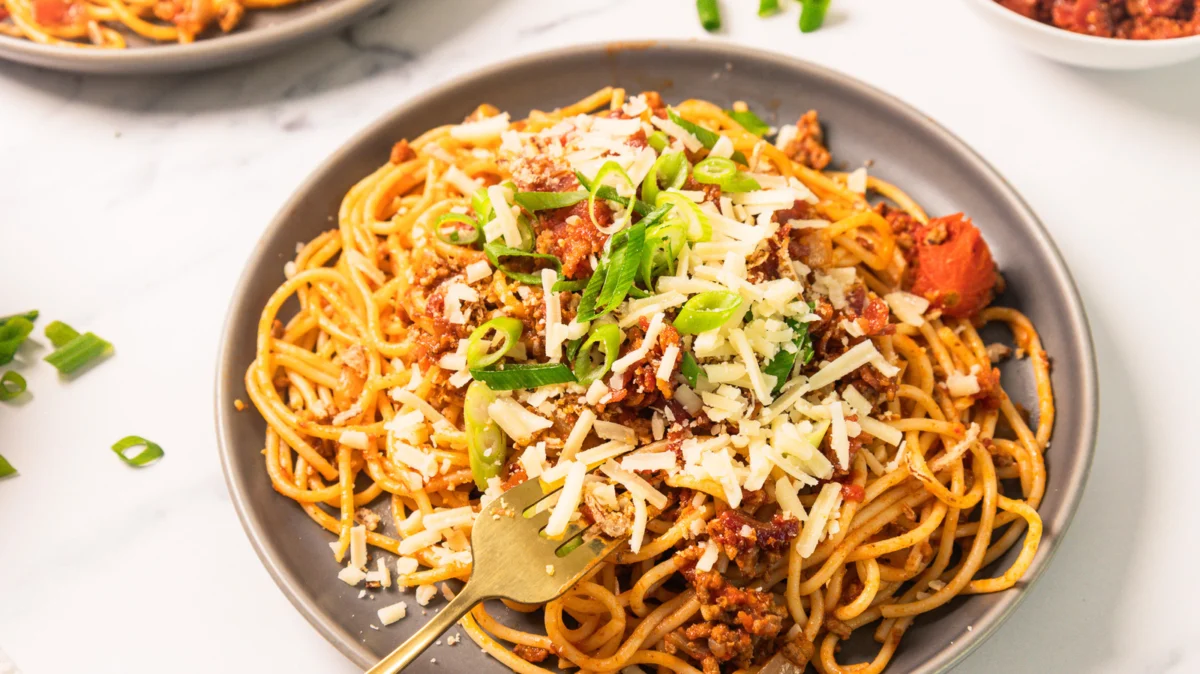
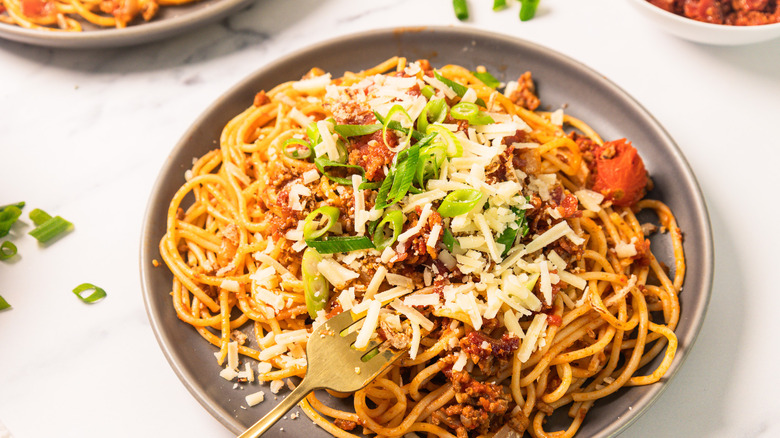
The intersection of classic Italian pasta traditions and the robust, savory flavor profiles of the American South has birthed a contemporary comfort food phenomenon: the bourbon-infused cowboy spaghetti. This dish, which reimagines the standard bolognese format, serves as a testament to the evolving nature of fusion cuisine. By integrating elements such as rendered bacon glazed in chile-infused maple syrup, a deglazing process involving premium bourbon, and a finishing layer of sharp white cheddar, this recipe elevates a household staple into a sophisticated, multi-layered culinary experience.
Culinary Origins and the Evolution of Cowboy Cuisine
The term "cowboy" in American culinary history typically denotes heartiness, portability, and the use of ingredients that can withstand the rigors of outdoor preparation. Traditionally, cowboy cooking relied heavily on cast-iron implements, preserved meats like bacon, and pantry staples such as dried pasta, onions, and canned tomatoes.
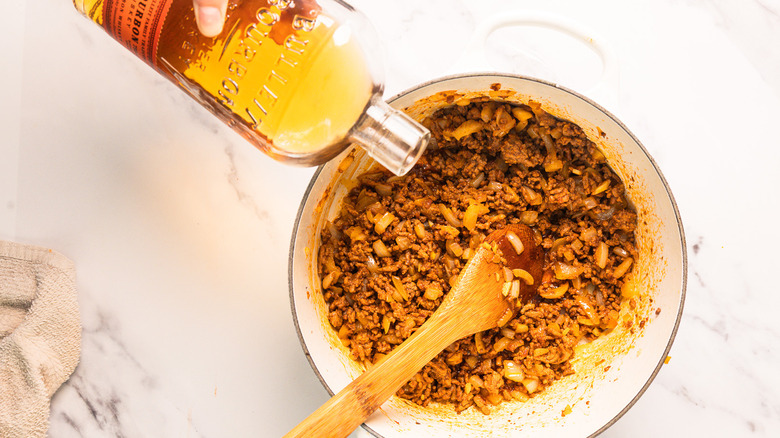
The modernization of these dishes often involves incorporating complex flavor enhancers—such as aged spirits and artisanal sweeteners—to create a more nuanced palate. The inclusion of bourbon, a staple spirit of the American South, serves a functional purpose in this recipe. Beyond its distinct vanilla and oak-forward notes, the spirit acts as a solvent for the browned bits, or fond, left at the bottom of the skillet after searing ground chuck and bacon. This process, known as deglazing, ensures that the deep, caramelized proteins are fully incorporated into the final sauce, providing a level of depth that standard tomato-based sauces often lack.
Nutritional Profile and Ingredient Selection
Analyzing the nutritional composition of this dish reveals its nature as a high-caloric, energy-dense meal. With approximately 1,157 calories per serving, the dish is designed for sustenance. The primary macronutrient contribution comes from complex carbohydrates found in the spaghetti (116.3g per serving) and high-quality proteins from the 80/20 ground chuck and bacon (54.9g per serving).
The ingredient list is deliberate:
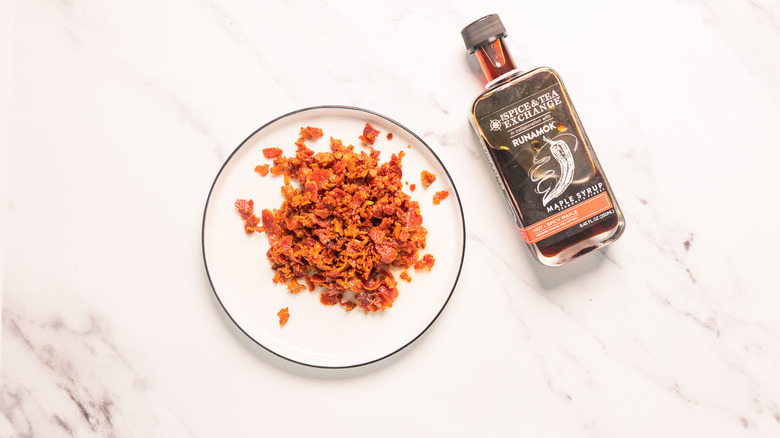
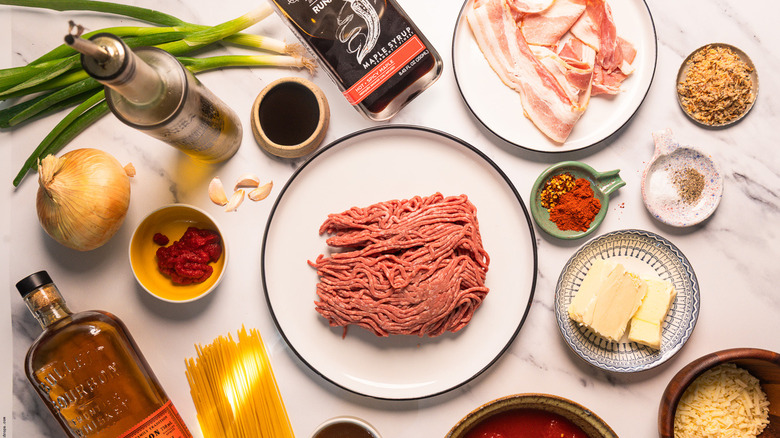
- The Protein Base: A combination of thick-cut bacon and 80/20 ground chuck provides a necessary fat-to-meat ratio that ensures the sauce remains luscious rather than dry.
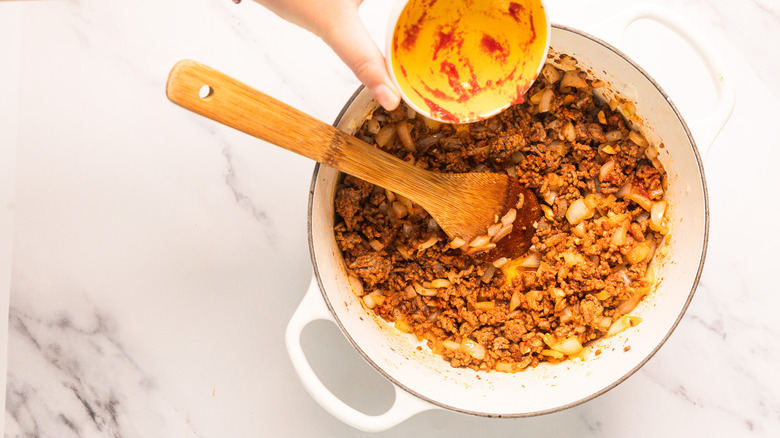
- The Flavor Engine: The use of chile maple syrup introduces a triad of sweetness, smoke, and spice. This is balanced by the acidity of crushed tomatoes and the umami depth of Worcestershire sauce.
- The Aromatics: A foundational mirepoix-adjacent base of yellow onion and garlic provides the structural aromatic profile required for a balanced red sauce.
A Chronological Guide to Preparation
The preparation of this dish requires a systematic approach to ensure that each flavor component—the smoky bacon, the caramelized beef, and the infused tomato sauce—is layered correctly.
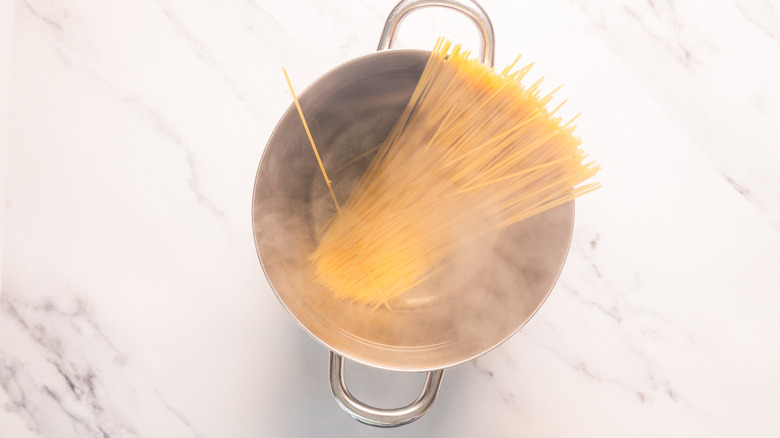
- Pasta Preparation: The process begins with the pasta, which should be boiled in heavily salted water. To maintain the structural integrity of the spaghetti when it is eventually combined with the sauce, it is imperative to cook the noodles until they are al dente, specifically stopping two minutes before the recommended package time. The reservation of one cup of starchy pasta water is a critical step, as it serves as an emulsifying agent to bind the sauce to the pasta.
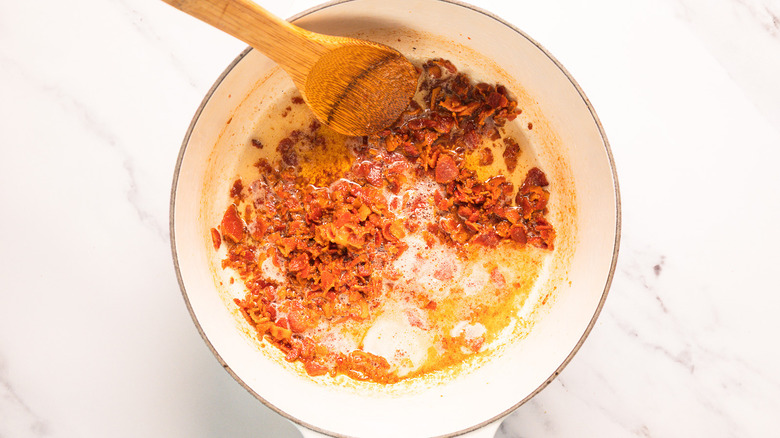
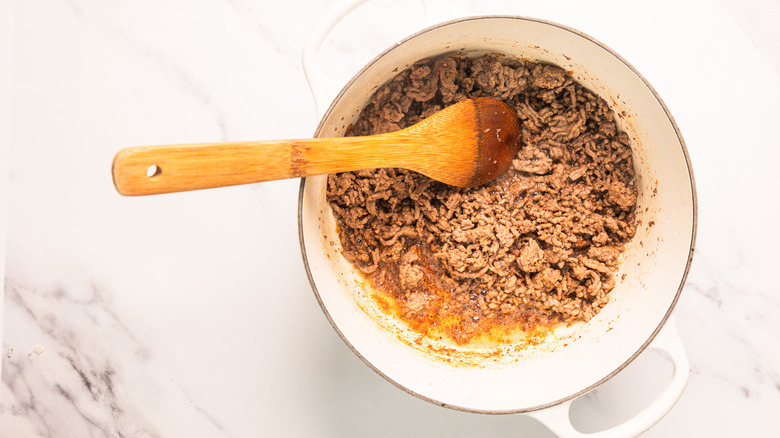
- Rendering and Searing: The bacon is cooked over medium heat until the fat renders completely. Once crispy, the bacon is removed, and the remaining fat is used to sear the ground chuck. This technique ensures that the beef absorbs the savory, smoky essence of the pork.
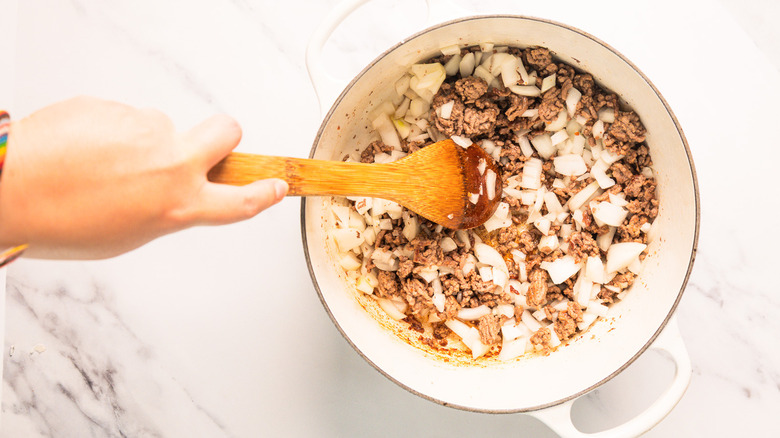
- The Deglazing Process: After the aromatics (onion, garlic) and tomato paste are sautéed to the point of deep caramelization, the bourbon is introduced. This step requires careful attention; the spirit must simmer for at least one minute to burn off the raw ethanol content, leaving behind the concentrated flavor compounds of the spirit.
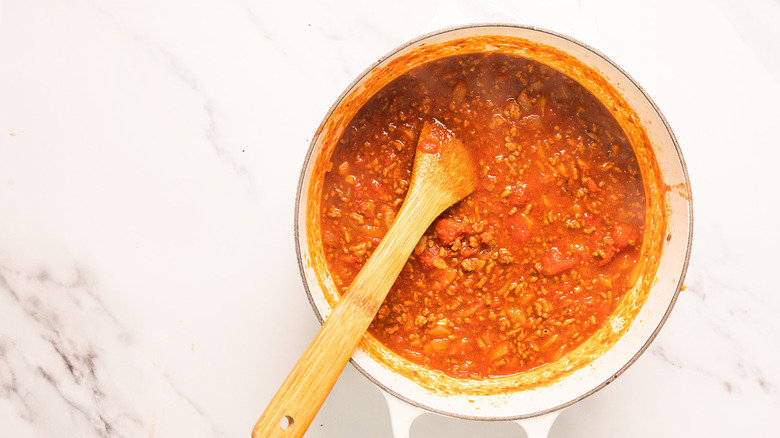
- Simmering the Sauce: The addition of crushed tomatoes, beef stock, and seasonings creates the base of the sauce. A ten-minute simmer period allows the water content to evaporate, concentrating the flavors.
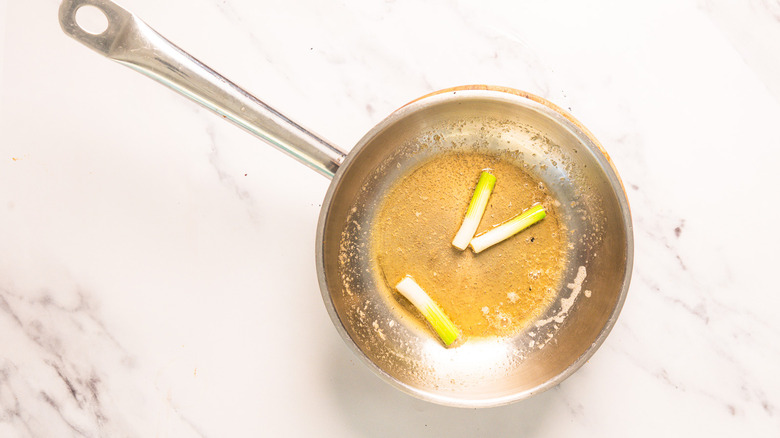
- Finishing Touches: The final assembly involves the creation of a scallion butter. By charring scallion whites in a mixture of butter and olive oil, the chef adds a bright, slightly bitter counterpoint to the sweetness of the maple syrup and the richness of the cheddar cheese.
The Role of Bourbon in Modern Cooking
There is often confusion regarding the residual alcohol content in recipes that utilize spirits. Culinary experts note that the "alcohol burn-off" is a matter of time and surface area. In this specific recipe, the bourbon is added to an open, wide-bottomed pan, which facilitates the evaporation of ethanol.
While trace amounts of alcohol may remain, the primary impact on the dish is chemical: alcohol helps extract flavor compounds from the tomatoes and beef that are not soluble in water alone. For those who prefer an alcohol-free version, a combination of high-quality beef stock and a small amount of apple cider vinegar can replicate the acidity and depth, though the specific barrel-aged notes of the bourbon will be absent.
Chile Maple Syrup: A New Pantry Essential
The inclusion of chile maple syrup represents a broader trend in North American cooking: the move toward "swicy" (sweet and spicy) flavor profiles. Historically, maple syrup was viewed primarily as a breakfast topping. However, its high sugar content and unique mineral profile make it an excellent medium for carrying capsaicin.
For those looking to craft their own, the process is straightforward but requires patience. The infusion of dried chiles into warmed maple syrup creates a condiment that can be stored for several months. By allowing the mixture to steep in a cool, dark environment for at least 72 hours, the volatile oils from the chiles fully integrate into the syrup, resulting in a balanced, heat-forward sweetener that complements the savory aspects of the cowboy spaghetti.
Broader Impact and Culinary Implications
The rise of recipes like bourbon-infused cowboy spaghetti reflects a shift in home cooking toward "elevated comfort." As consumers become more food-literate and gain access to global ingredients, the lines between traditional Italian pasta dishes and American regional specialties continue to blur.
From an economic and market perspective, the popularity of such dishes encourages the growth of artisan condiment markets—specifically in the maple syrup and small-batch bourbon sectors. Furthermore, the reliance on one-pot or two-pot methods indicates a preference for efficiency in the kitchen without sacrificing the complexity of the final dish.
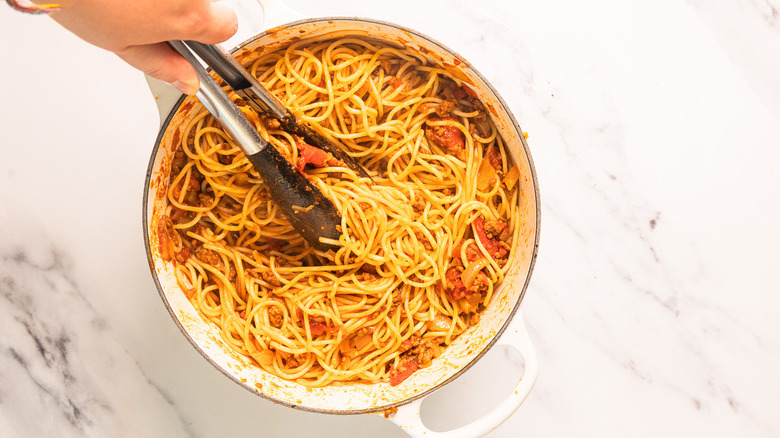
While this recipe is categorized as a specialized, "stick-to-your-ribs" meal, its modular nature allows for variations. The use of different chiles in the syrup or the substitution of various aged cheeses can customize the dish to regional tastes. Ultimately, the cowboy spaghetti serves as a reminder that the format of a meal is merely a vessel; the true culinary innovation lies in the thoughtful application of ingredients that provide depth, history, and a modern twist on time-honored techniques. As the culinary landscape continues to diversify, dishes that successfully bridge the gap between tradition and innovation will remain at the forefront of contemporary home cooking.
