
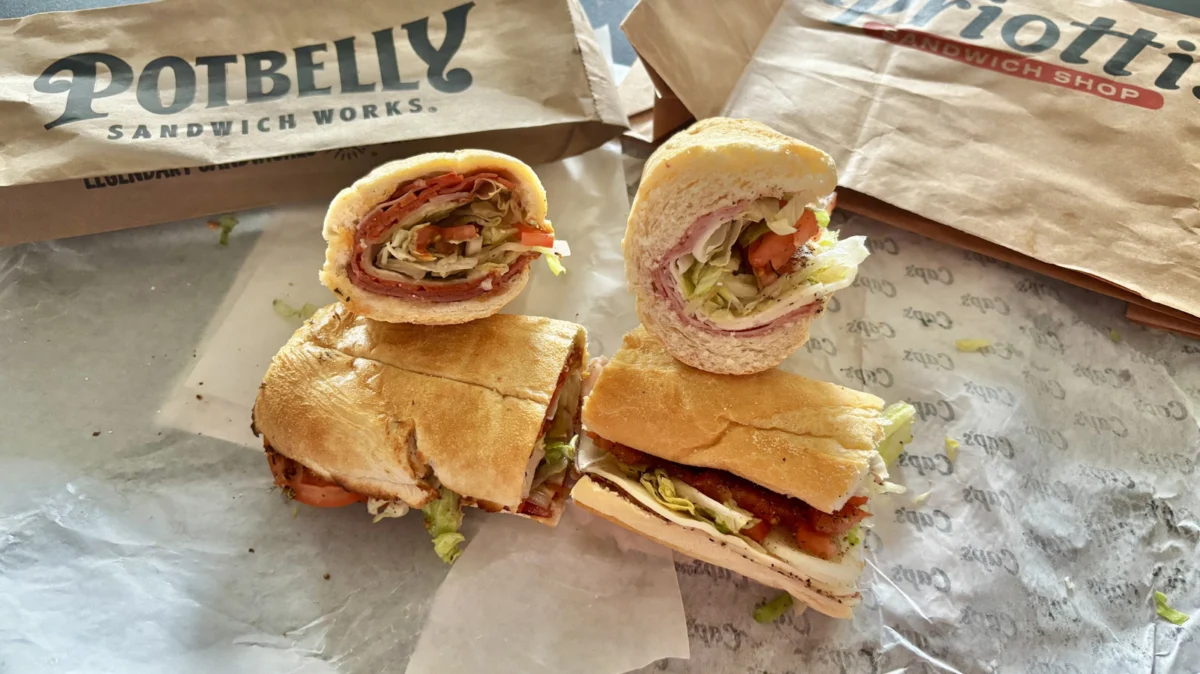
The American sandwich market remains one of the most competitive sectors in the quick-service restaurant industry, with annual revenues for the segment reaching well into the tens of billions. Among the diverse offerings, the Italian sub—a regional staple characterized by a specific assembly of cured meats, provolone cheese, and acidic condiments—serves as a primary benchmark for the quality of sandwich chains. Two major players, Potbelly Sandwich Works and Capriotti’s Sandwich Shop, have long utilized their takes on this classic recipe to drive customer loyalty and compete for market share. A comparative analysis of these two offerings reveals significant differences in preparation, ingredient sourcing, and overall consumer value, providing insight into the varying operational philosophies of these national chains.
The Evolution of the Italian Sub in Quick-Service Dining
The Italian sub, historically rooted in the immigrant deli culture of the Northeastern United States, has evolved significantly since its inception in the early 20th century. Modern iterations sold by national chains like Potbelly and Capriotti’s must balance the traditional expectation of high-quality, zesty deli meats with the logistical constraints of mass production and rapid service.
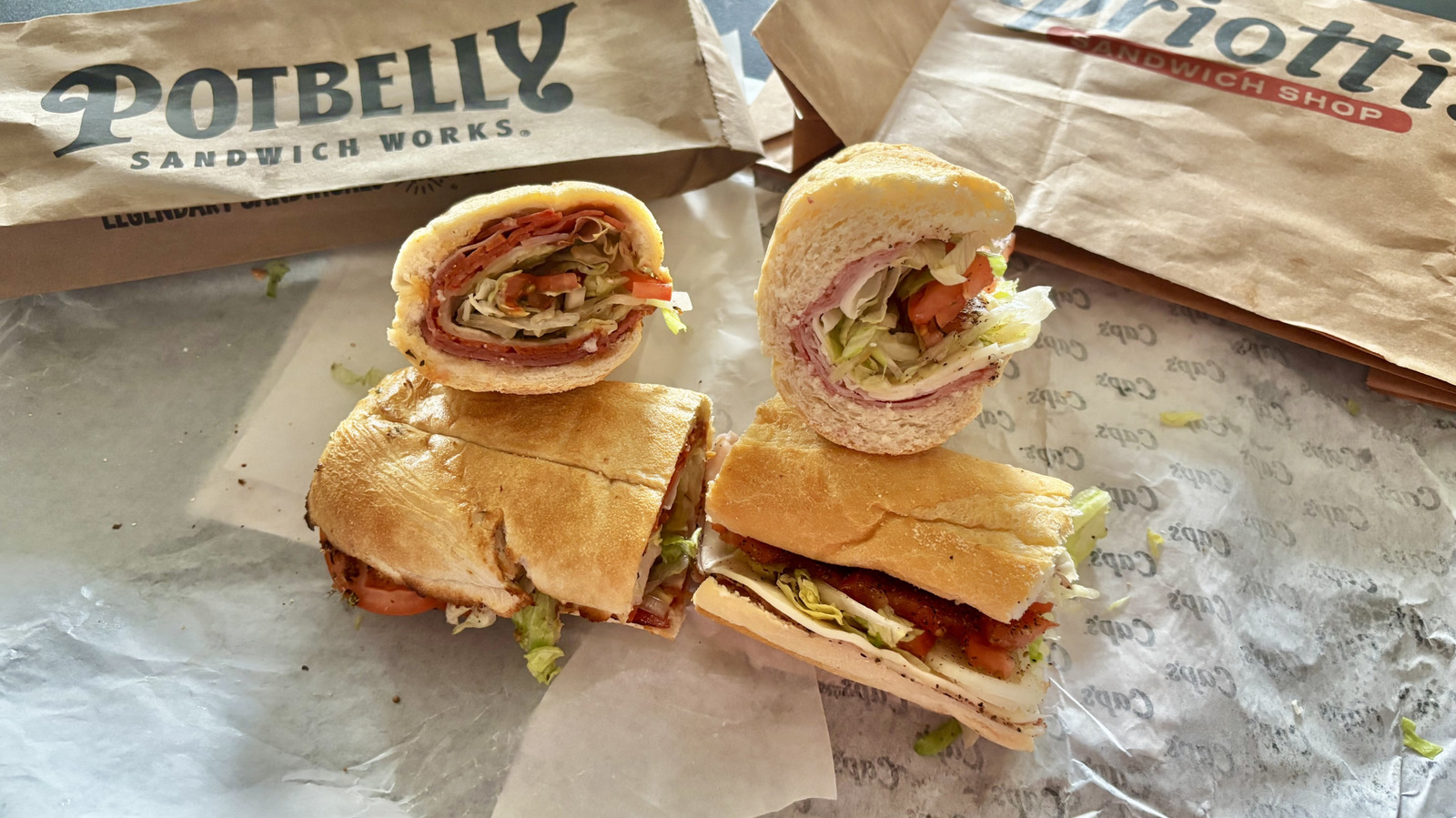
Capriotti’s, founded in 1976 in Wilmington, Delaware, has built a reputation centered on its "slow-roasted" philosophy, most notably with its signature "Bobbie" sandwich. However, its expansion into the competitive Italian sub category represents a shift toward capturing a broader audience. Conversely, Potbelly, which began as a single antique store in Chicago in 1977 before pivoting to a sandwich-focused model, emphasizes its "toasted" bread technique as a primary differentiator. The tension between these two approaches—Capriotti’s focus on volume and fresh assembly versus Potbelly’s focus on the warm, textural experience of a toasted roll—forms the crux of the current market debate.
Comparative Methodology and Operational Constraints
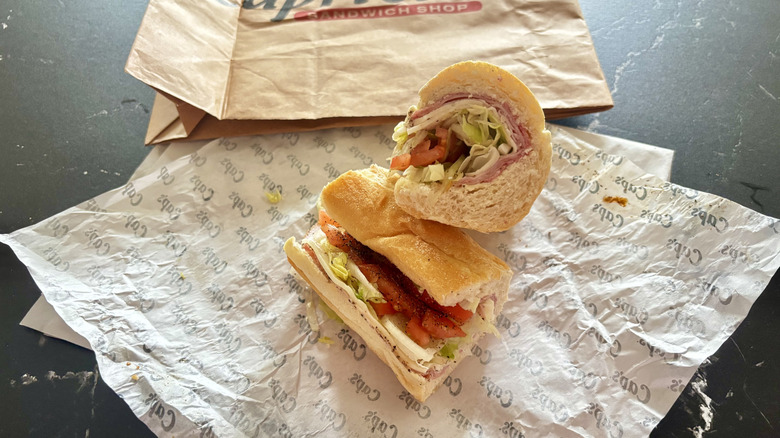
To assess the relative quality of these offerings, one must examine the standard construction of each product. Capriotti’s Classic Italian typically features a blend of salami, prosciuttini, and capicola. The operational model at Capriotti’s prioritizes a "build-your-own" or "standard-build" assembly, where fresh vegetables—lettuce, tomato, and onion—are added alongside an oil-and-vinegar base.
Potbelly’s Italian sub follows a distinct ingredient profile, utilizing a blend that includes salami, capicola, pepperoni, mortadella, and provolone. Unlike Capriotti’s, where the assembly often results in a cold, deli-style profile, Potbelly’s standard operating procedure requires the entire sandwich to be toasted in a specialized oven. This step fundamentally alters the flavor profile, as the heat facilitates the melting of the provolone and the release of oils from the pepperoni and mortadella. The logistical requirement of adding specific "toppings" at Potbelly to match the standard Italian sub experience at other shops introduces a layer of customer-side customization that can lead to inconsistent experiences depending on the individual consumer’s knowledge of the menu.
Analysis of Flavor Profiles and Texture
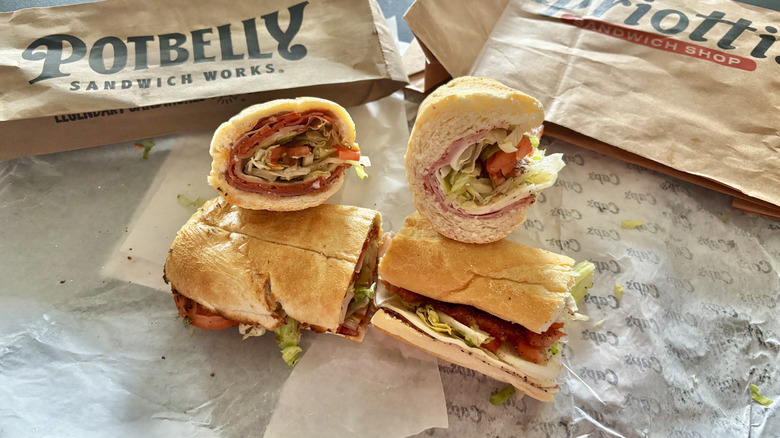
The sensory experience of the two sandwiches reveals clear disparities. In the case of the Capriotti’s Italian sub, the bread-to-filling ratio frequently presents a challenge. Despite the robust nature of the meats, the structural integrity of the roll often dominates the palate. Furthermore, the reliance on raw vegetables and standard condiments can lead to a "bland" profile if the cured meats lack the necessary salt or fat content to cut through the bread. In competitive food analysis, the "blandness" factor often points to issues with ingredient sourcing, such as the use of lower-sodium meats or less vibrant produce.
Potbelly’s Italian sub, by virtue of the toasting process, offers a more cohesive flavor profile. The pepperoni serves as the dominant flavor note, providing a spicy, savory baseline that elevates the other meats. However, this creates a secondary issue: the pepperoni can overwhelm the more delicate nuances of the mortadella and salami. The toasting process also contributes to the "vessel" function of the bread, which acts to contain the ingredients rather than overshadowing them. From a purely technical standpoint, the Potbelly execution provides a more consistent "hot" sandwich experience, while the Capriotti’s version leans closer to the traditional cold-cut style, albeit with mixed results in flavor intensity.
Market Data and Consumer Value
When evaluating the economic value of these sandwiches, the price-to-portion ratio is a critical metric. With prices hovering between $10.39 and $10.99 for a standard serving size, both chains operate in the "premium fast-casual" price bracket.
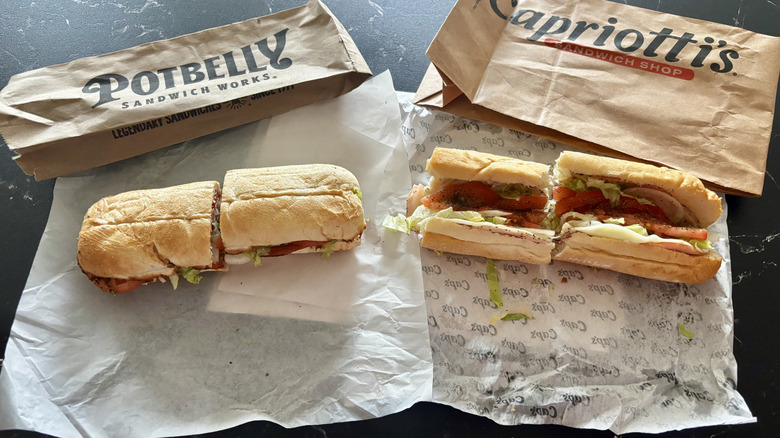
Data from the restaurant industry suggests that consumers in this segment are highly sensitive to "value perception." This does not merely mean price; it includes the perceived freshness of ingredients and the accuracy of the flavor profile. Capriotti’s marketing strategy focuses heavily on the "hand-crafted" nature of its food, which historically justifies a higher price point. However, when the consumer perceives a lack of flavor depth, the value proposition erodes. Potbelly’s success in this comparison hinges on its ability to utilize the toasting process to mask potential ingredient limitations, creating a more satisfying final product despite the narrower range of flavor notes.
Broader Implications for the Sandwich Industry
The competition between Potbelly and Capriotti’s highlights a broader trend in the food industry: the standardization of regional classics. As these chains continue to expand geographically, they must maintain the "authenticity" of an Italian sub while navigating supply chain complexities that can impact the quality of deli meats and produce.
The findings of this comparison suggest that there is a significant opening in the market for a chain that can achieve a higher degree of flavor balance. While both Potbelly and Capriotti’s are capable of producing a standard-bearer sandwich, neither has fully mastered the combination of high-quality, artisan-grade charcuterie with an optimal bread-to-filling ratio that satisfies the most discerning consumers.
For industry stakeholders, the implication is clear: operational efficiency, such as the speed of the toasting oven or the ease of ordering toppings, is secondary to the fundamental quality of the ingredients. If a chain’s signature sandwich is perceived as "bland," no amount of operational speed or menu customization will prevent a loss in market share to smaller, more specialized local delis that prioritize ingredient sourcing over mass-market efficiency.
Conclusion: The State of the Italian Sub
Ultimately, the determination of which chain offers the "best" Italian sub is a reflection of consumer preference for specific textural and flavor experiences. Those who prefer a traditional, cold-style deli sandwich may find the potential in Capriotti’s offerings, provided the chain improves its ingredient consistency. Those who prefer a warm, toasted, and savory-forward experience will likely favor the Potbelly approach.
As the industry moves forward, the pressure to innovate will only increase. Whether through the introduction of new, more pungent cured meats or the implementation of higher-quality, locally sourced breads, these national chains must adapt to a consumer base that is increasingly educated on the nuances of culinary quality. For now, the Italian sub remains a litmus test for these brands, serving as a reminder that in the crowded landscape of fast-casual dining, the execution of the classics remains the most effective, and most difficult, way to maintain a competitive advantage.
