
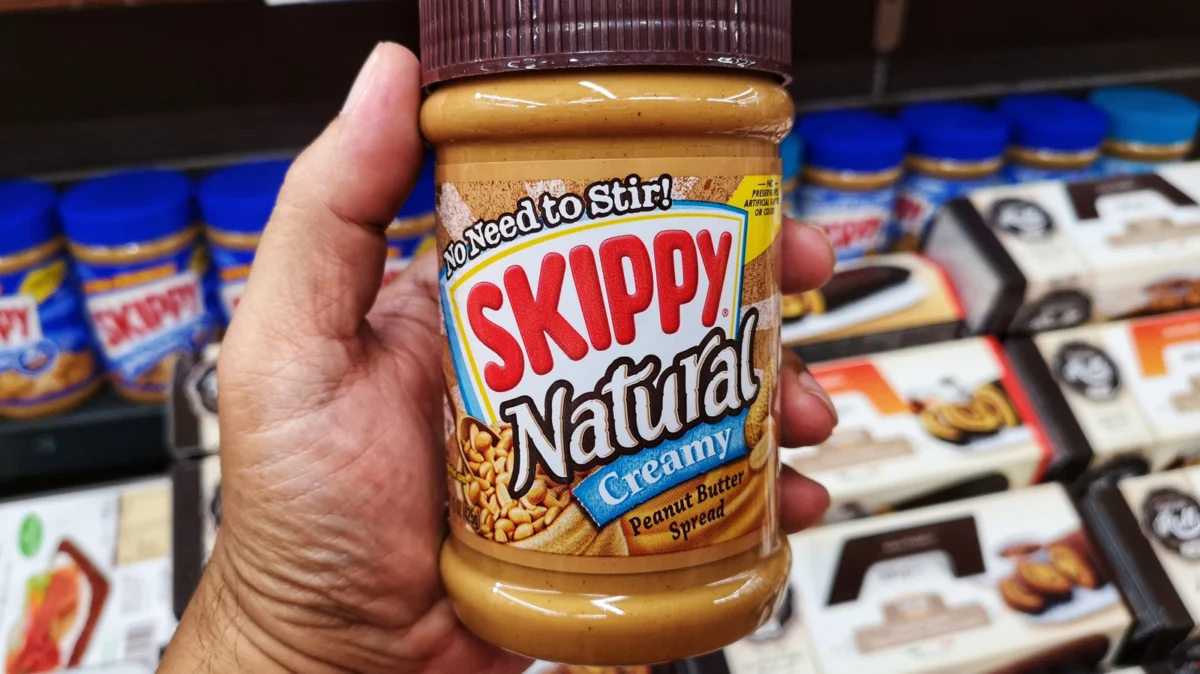
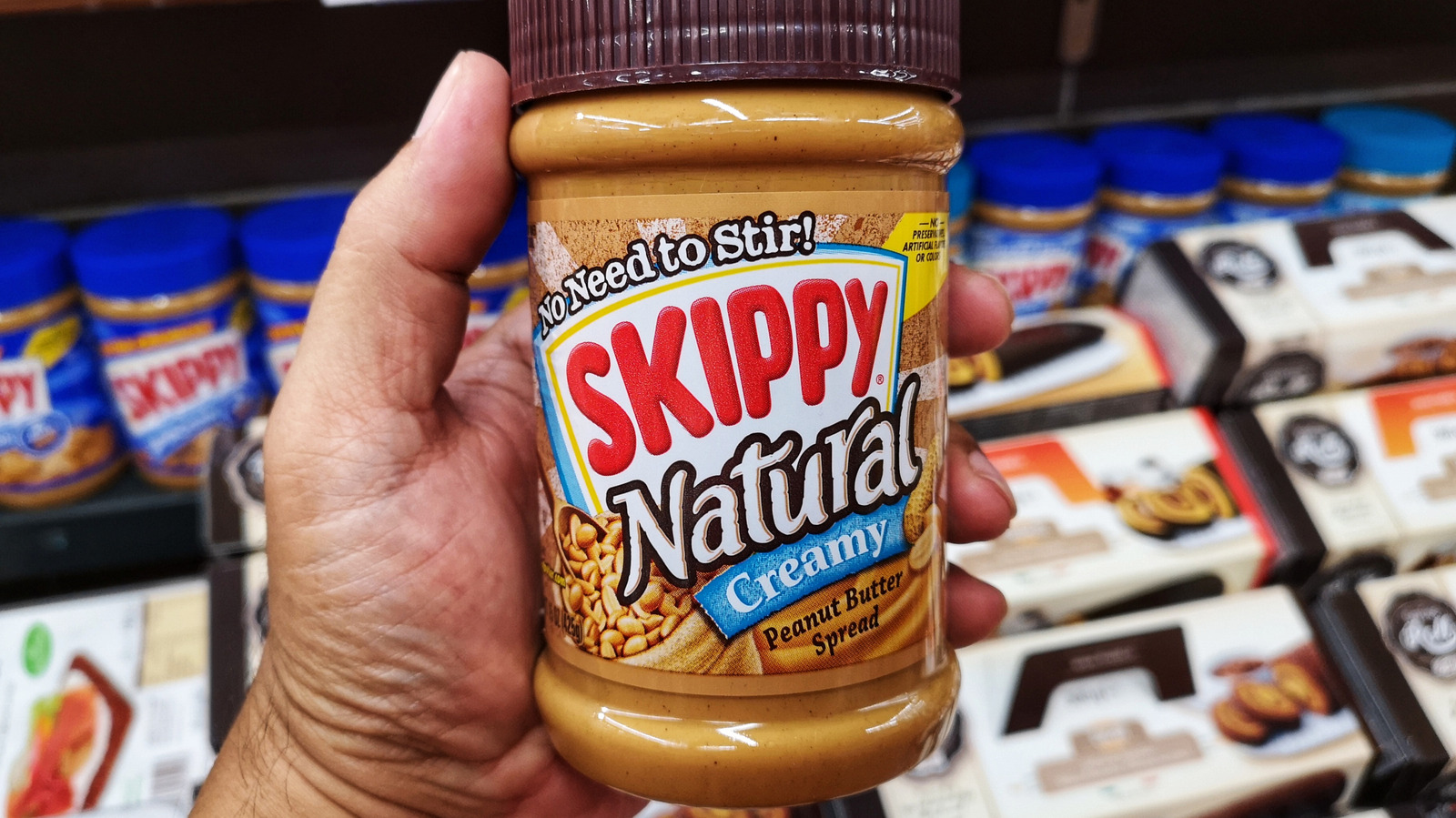
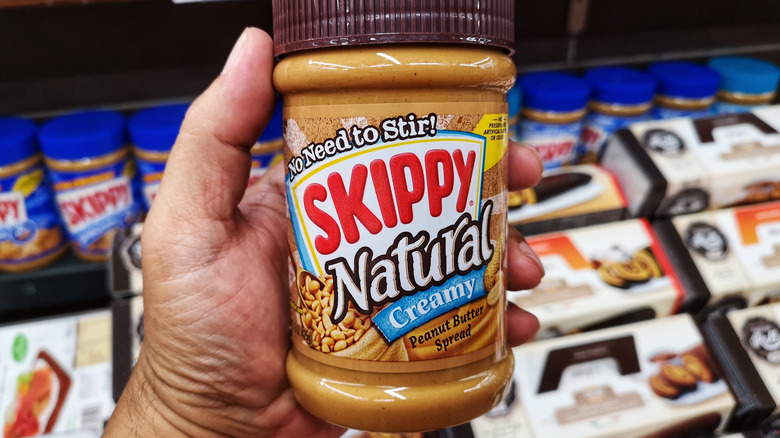
In the world of grocery store labeling, consumer trust often relies on the assumption that a product name accurately describes its contents. However, for many shoppers browsing the nut butter aisle, the distinction between "peanut butter" and "peanut butter spread" is frequently overlooked. A prime example of this regulatory nuance is found in the jar of Skippy Natural. While it occupies the same shelf space and serves the same culinary purpose as its counterparts, the absence of the word "butter" from its label is not a marketing oversight—it is a legal necessity dictated by the U.S. Food and Drug Administration (FDA).
The Regulatory Framework of Nut Butters
The FDA maintains strict standards of identity for various food products to ensure consumer protection and transparency. According to the Code of Federal Regulations (Title 21, Part 164.150), for a product to be legally marketed as "peanut butter" in the United States, it must consist of at least 90% peanuts. The remaining 10% is generally reserved for salt, sweeteners, and hydrogenated vegetable oils that serve as stabilizers.
When a manufacturer deviates from this composition—whether by significantly reducing the peanut content or by introducing ingredients that fall outside the approved list of additives—the product no longer meets the federal definition. Consequently, the FDA requires these items to be labeled with a name that accurately reflects their nature, most commonly "peanut butter spread."
In the case of Skippy Natural, the inclusion of palm oil is the primary catalyst for this label distinction. While hydrogenated vegetable oils are explicitly permitted within the FDA’s standard of identity for peanut butter, palm oil is not. By incorporating palm oil, the manufacturer effectively disqualifies the product from the "peanut butter" designation, regardless of the overall peanut concentration.
A Historical Chronology of Federal Standards
The battle over what constitutes "peanut butter" dates back several decades. In 1961, the FDA initiated a formal rulemaking process to establish a standard of identity, prompted by industry practices that saw some manufacturers reducing peanut content by as much as 20% by substituting it with cheaper, non-peanut oils.
The initial federal proposal aimed for a stringent 95% minimum peanut content. However, this proposal faced significant pushback from major industry players, including the manufacturers of Skippy, Jif, and Peter Pan. These companies argued that consumer preferences leaned heavily toward products that were easily spreadable, shelf-stable, and possessed a specific texture and sweetness profile—qualities that were difficult to achieve with a 95% peanut composition.
Following extensive hearings and negotiations, the FDA compromised. The final regulation, which remains the bedrock of peanut butter production in the U.S., settled on the 90% minimum threshold. This decision was a recognition of the tension between pure product composition and the commercial realities of consumer demand. The brands that lobbied against the 95% threshold effectively shaped the market for the next sixty years, ensuring that spreads could exist alongside traditional peanut butter, provided they were labeled accordingly.
The Role of Stabilizers and Consumer Convenience
The primary function of additives like palm oil or hydrogenated oils is the prevention of oil separation. Natural peanut butter, consisting of nothing more than crushed peanuts and salt, naturally separates over time, with the peanut oil rising to the top of the jar. This necessitates manual stirring, which many modern consumers find inconvenient.
Palm oil acts as a stabilizer, maintaining a homogenous, creamy texture from the moment the jar is opened until it is empty. It prevents the oil from migrating to the surface, ensuring that the consistency remains uniform. For the consumer, this translates to a "convenience" factor—the ability to dip a knife or spoon directly into the jar without prep work. However, the use of these stabilizers is exactly what forces the product into the "spread" category. While some health-conscious consumers prefer the simplicity of natural, stir-style peanut butters, the mass market has historically shown a preference for the stable, creamy consistency that necessitates the use of these additives.
Analyzing the Labeling and Nutritional Implications
The "Natural" label on these products is often a point of confusion. Consumers frequently interpret "natural" as an indicator of a higher nutritional profile or a closer proximity to raw, whole ingredients. However, in the context of food labeling, "natural" is a broad term that does not necessarily correlate with the absence of stabilizers.
Because palm oil is considered a natural ingredient—derived from the fruit of the oil palm—it fits within the brand’s naming convention. Yet, it does not change the fact that the product contains fewer peanuts or different fat profiles than standard peanut butter. While Skippy’s standard Creamy and Super Chunk varieties are labeled as "peanut butter" because they use permitted hydrogenated vegetable oils, they are still subject to scrutiny regarding their overall nutritional composition, including sugar and sodium levels.
Nutritional experts often point out that the real red flags in peanut butter are not necessarily the presence of palm oil versus hydrogenated oil, but rather the total load of added sugars and sodium. Consumers are advised to check the ingredient list regardless of whether the front of the jar says "peanut butter" or "spread." A product with 90% peanuts can still be highly processed, while a "spread" might contain a higher percentage of peanuts but include different types of fats.
Industry Responses and Market Dynamics
The major manufacturers have navigated these regulations by maintaining a bifurcated product line. By offering both traditional peanut butter and peanut butter spreads, companies like Hormel (the owner of Skippy) cater to two distinct consumer segments: those who demand a product that meets the strict federal standard of identity, and those who prioritize shelf stability and texture over the traditional label.
This strategy has proven highly effective. By marketing the "spread" varieties as premium or "natural" options, companies can capture the segment of the market that is wary of artificial hydrogenated oils while still providing the convenience of a non-separating product.
From a competitive standpoint, these labeling requirements have acted as a barrier to entry for smaller, artisanal brands that may not have the capacity to navigate complex FDA compliance or the marketing budget to educate consumers on why their product is labeled differently. Large-scale manufacturers have the resources to ensure their labeling is legally bulletproof while simultaneously shaping consumer perception through clever branding.
Broader Impact and Consumer Awareness
The nuance of the "peanut butter" vs. "peanut butter spread" debate highlights a larger trend in the food industry: the reliance on front-of-package marketing to influence consumer choice, often at the expense of the fine print on the back. While the FDA regulations are designed to protect consumers from misleading labeling, they also serve as a reminder that the language used in retail environments is highly intentional.
For the average household, the difference between a spread and a butter may seem negligible, particularly if the taste and texture are identical. However, the legal distinction is a vital tool for those with specific dietary requirements or those who seek transparency in the supply chain. As the food industry continues to innovate, the definition of what constitutes a "standard" product is likely to face further challenges. Whether it involves plant-based alternatives, high-protein formulations, or further modifications to traditional spreads, the FDA’s role in enforcing these standards remains a critical component of the American food landscape.
Ultimately, the case of Skippy Natural serves as an educational moment for the average shopper. It underscores that "natural" is a descriptor of ingredients, while "spread" is a legal status defined by the absence of specific traditional components. When consumers reach for their favorite brand, a quick glance at the label—beyond the brand name and the marketing claims—can reveal exactly what is, and what is not, inside the jar. As nutritional literacy improves, the hope among public health advocates is that consumers will increasingly prioritize the ingredient list over the front-of-pack claims, leading to a more informed and health-conscious marketplace.
