
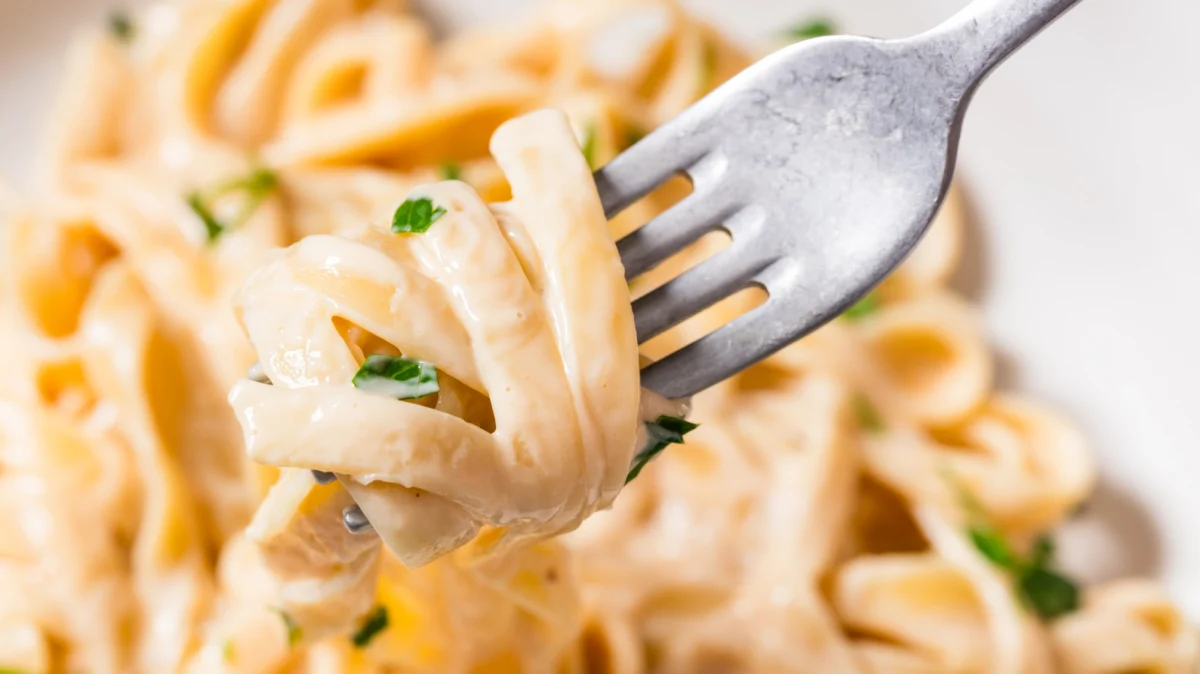
For decades, the American pasta aisle has been defined by a rigid dichotomy: the shelf-stable jarred marinara section and the adjacent aisle housing condensed soups. However, a growing trend in home culinary shortcuts is challenging these traditional grocery store boundaries. Consumers are increasingly discovering that Campbell’s Garlic Parmesan with Herbs condensed soup—a staple historically relegated to the soup pot—serves as a highly effective, shelf-stable base for a restaurant-quality pasta sauce. This shift in usage highlights a broader consumer demand for "semi-homemade" cooking solutions that balance convenience with customizable flavor profiles.
The Evolution of the Pantry Shortcut
The concept of using condensed soup as a culinary base is not entirely new; the "cream of mushroom" casserole phenomenon of the mid-20th century cemented the ingredient’s status as a foundational element in American kitchens. What is evolving, however, is the sophistication of these applications. As inflation continues to impact grocery budgets, home cooks are looking for ways to maximize the utility of single pantry items.
The Garlic Parmesan with Herbs variety, specifically, arrives at a time when consumers are seeking premium flavors without the premium price tag. While jarred Alfredo sauces from premium brands like Rao’s Homemade or Bertolli often retail at a significant markup, a 10.5-ounce can of condensed soup offers a cost-effective alternative that provides a concentrated base of aromatics, fats, and thickeners.
Chemical Composition and Culinary Versatility
From a technical standpoint, the success of this soup as a pasta sauce lies in its formulation. The presence of cornstarch and wheat flour provides a robust thickening agent that mimics the reduction process of a traditional beurre blanc or Alfredo. When heated, these starches interact with added liquids to create an emulsion that coats pasta strands—whether fusilli, bucatini, or fettuccine—more effectively than a standard broth or simple cream-based sauce.
The flavor profile is engineered to balance pungent allium notes with the subtle sweetness of basil and oregano. By adding a liquid medium—such as heavy cream for a decadent finish, vegetable stock for a lighter mouthfeel, or pasta water to emulsify the starch—the cook can manipulate the viscosity of the sauce to suit the specific geometry of the noodle being served.
Chronology of a Trend
The rise of this specific culinary hack can be traced back to the proliferation of short-form video platforms, where brands have begun to lean into "dinner-in-a-flash" marketing strategies. In early 2024, Campbell’s began actively promoting recipe content—such as the 30-minute Lemon Garlic Parmesan and Herbs Shrimp Pasta—to demonstrate the versatility of its canned line.
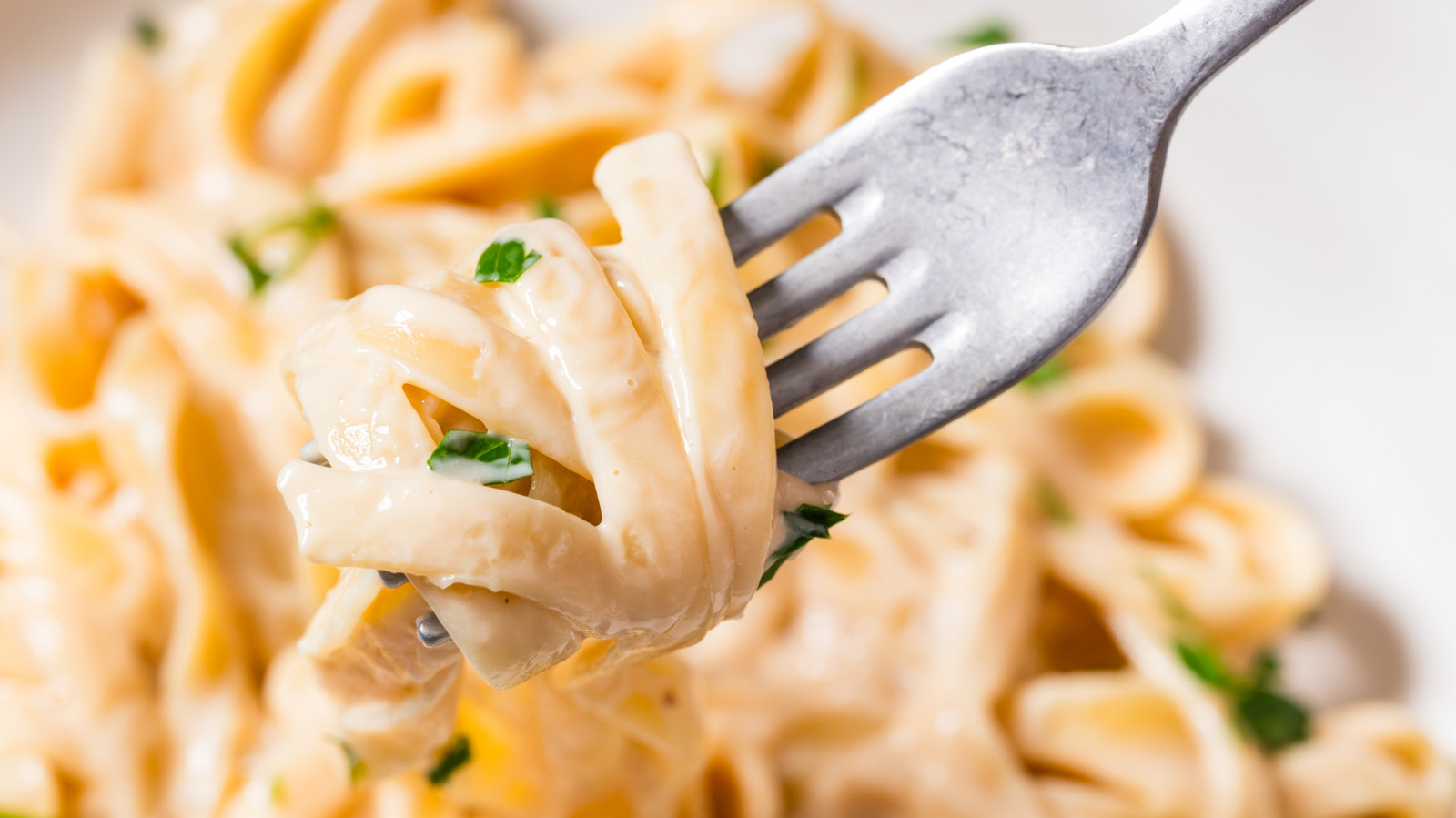
This digital pivot marks a transition in brand strategy: moving from a product marketed solely for winter consumption to one presented as a year-round pantry essential. By aligning with the "quick weeknight win" narrative, the brand has successfully positioned its condensed soups within the competitive landscape of the $2 billion U.S. pasta sauce market.
Nutritional Considerations and Ingredient Profiles
While the convenience of this method is evident, it is essential to acknowledge the nutritional profile of such products. Condensed soups are formulated for long-term storage, which necessitates higher sodium levels than a scratch-made sauce. Additionally, for consumers with specific dietary restrictions, the inclusion of dairy, wheat, and soy in this product is a critical consideration.
Dietitians often suggest that while using condensed soup as a sauce base is a significant time-saver, consumers should balance the dish with fresh, nutrient-dense additions. Incorporating fibrous vegetables like broccoli, cauliflower, or sautéed Brussels sprouts not only improves the nutritional profile of the meal but also provides a necessary textural contrast to the silky, starch-heavy sauce. Furthermore, the addition of lean proteins—such as grilled chicken, chickpeas, or lentils—can transform a simple carbohydrate-heavy dish into a balanced macronutrient profile suitable for a full dinner.
Broader Market Implications
The emergence of "soup-as-sauce" represents a broader trend in the food industry known as "ingredient hacking." This phenomenon involves taking a processed item designed for one specific use and repurposing it to bypass the labor-intensive steps of traditional cooking.
Industry analysts suggest that this trend is fueled by three primary factors:
- Economic Pressures: The rising cost of individual ingredients makes purchasing a multifunctional product more attractive than buying specialized items that may go to waste.
- Time Poverty: The modern consumer is increasingly time-constrained, leading to a preference for "assembly-based" cooking rather than traditional "scratch-based" cooking.
- The Influence of Social Media: Viral cooking hacks have effectively democratized culinary expertise, teaching home cooks how to manipulate textures and flavors using unconventional pantry staples.
Professional Recommendations for Implementation
To achieve the best results when utilizing Campbell’s Garlic Parmesan with Herbs as a pasta sauce, culinary experts suggest a few modifications to elevate the final product:
- The Acid Balance: Because the base is rich and creamy, it can often feel heavy on the palate. A squeeze of fresh lemon juice or a teaspoon of high-quality white wine vinegar serves to cut through the fat, brightening the flavors and providing a more professional finish.
- The Emulsification Technique: Never add the soup directly to the pasta without thinning it first. The best practice is to whisk the soup with your chosen liquid in a separate saucepan over medium-high heat. Once the mixture reaches a simmer, the starches will activate, creating a cohesive sauce that is ready to be tossed with the cooked pasta.
- Herbal Infusion: While the soup contains dried basil and oregano, these flavors can fade during the canning process. Finishing the dish with fresh, chiffonade-cut basil, flat-leaf parsley, or even a hint of fresh thyme can significantly enhance the perceived freshness of the meal.
- Aromatics: To further deepen the flavor, sautéing minced garlic or shallots in olive oil before adding the soup base can bridge the gap between "canned" and "fresh" flavor profiles, adding a layer of complexity that feels more intentional.
Conclusion: A New Pantry Paradigm
The shift toward using canned condensed soup as a foundational ingredient for pasta sauce is more than just a passing trend; it is a pragmatic response to the changing landscape of home cooking. While it does not replace the artisan quality of a slow-simmered, fresh sauce, it provides a reliable, accessible, and highly customizable alternative for the busy household. As food companies continue to refine their product lines to meet this demand for versatility, the line between "soup" and "sauce" will likely continue to blur, offering consumers even more creative ways to utilize their pantry shelves. By understanding the chemical properties of these ingredients and employing basic culinary techniques to adjust texture and acidity, home cooks can effectively bridge the gap between convenience and quality.
