
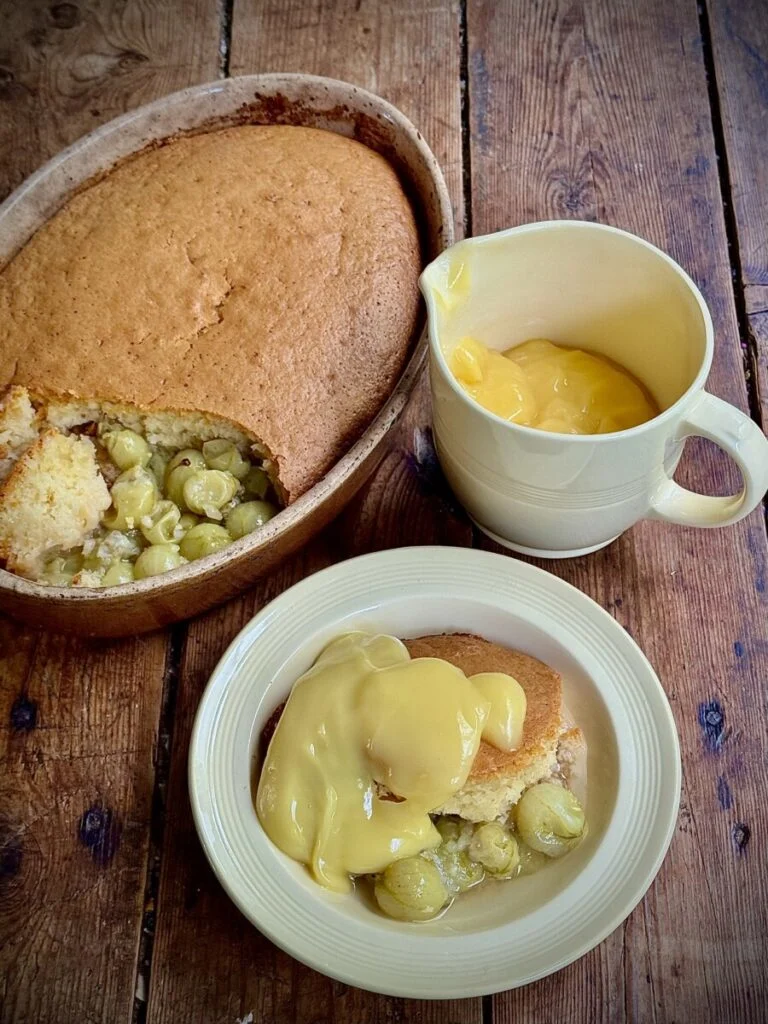
The Historical Significance of the Gooseberry in Britain
The gooseberry, scientifically known as Ribes uva-crispa, has long held a unique position in British horticulture. Historically associated with the cool, damp climates of Northern England, particularly the industrial heartlands of County Durham and Northumberland, the gooseberry bush was a staple of the cottage garden. During the 19th and early 20th centuries, gooseberry cultivation became a competitive pursuit, with local "gooseberry shows" drawing crowds to celebrate the largest and most flavorful varieties.

For many families, these bushes were not merely decorative or for subsistence; they provided a vital stream of supplemental income. The practice of picking "goosegogs"—a colloquial term still in use today—and selling them in galvanized buckets from the roadside was a common economic activity for retirees and families living in rural stone cottages. This era of "pin-money" agriculture cemented the gooseberry as a symbol of domestic self-sufficiency. As the agricultural landscape shifted toward mass production, the cultural memory of the gooseberry remained tethered to these intimate, garden-based origins.

Culinary Influence and the Legacy of Jane Grigson
The preservation of the Baked Gooseberry Pudding recipe is largely attributed to the work of the late Jane Grigson. In her seminal 1974 work, English Food, Grigson sought to document the vanishing traditions of British regional cooking. Her approach was not merely to record ingredients, but to contextualize the dishes within the social history of the nation.

Grigson’s inclusion of the Baked Gooseberry Pudding provided a standardized framework for a dish that had previously existed primarily through oral tradition and family habits. Her documentation helped ensure that the technique—balancing the sharp, acidic profile of the gooseberry with a rich, buttery sponge—remained accessible to future generations. Culinary historians note that Grigson’s influence helped elevate "nursery puddings" and traditional baked sweets from simple farmhouse fare to respected items in the broader British gastronomic canon. Her work remains a primary reference point for those seeking to understand the intersection of seasonal produce and traditional oven-baked methods.

Technical Composition and Culinary Methodology
From a technical standpoint, the Baked Gooseberry Pudding is a study in texture and flavor contrast. Unlike crumbles or crisps, which rely on a loose, crunchy topping, this pudding utilizes an all-in-one sponge structure that rises to create a soft, cake-like layer atop the fruit.

The process involves two distinct phases. First, the fruit must be pre-baked. Gooseberries are notoriously high in acidity and pectin, requiring a brief period of heat with sugar and butter to soften the skins and draw out the juices. This maceration-by-heat process creates a syrupy base that serves as the foundation for the sponge. The second phase involves the application of a classic sponge batter, typically creamed to incorporate air, which is then spooned over the fruit. When subjected to the sustained heat of a standard oven or a traditional cast-iron range like a Rayburn, the fruit juices permeate the lower layers of the sponge, creating a dense, flavorful transition zone between the fruit and the cake.

Current culinary best practices allow for flexibility in ingredient selection. While fresh, late-season gooseberries offer the optimal balance of tartness and structure, frozen alternatives have proven to be a viable substitute, provided they are not excessively thawed before the pre-baking stage. This accessibility has contributed to the dish’s continued presence in home kitchens, even as the seasonal window for fresh gooseberries has shortened.

Nutritional Profile and Dietary Implications
While the Baked Gooseberry Pudding is a traditional indulgence, it is worth examining its nutritional components within the context of a balanced diet. A standard serving (based on a yield of six) typically provides approximately 344 calories. The composition is largely driven by its primary ingredients: sugar, butter, flour, and fruit.

- Total Fat: 20g (12g saturated)
- Carbohydrates: 36g
- Protein: 4g
- Fiber: 1g
The relatively high sugar content (21g per serving) is characteristic of traditional British puddings, which were designed to provide significant caloric energy for agricultural laborers. In a modern context, the dish is frequently served with custard, cream, or ice cream, which further increases the caloric density. Despite its sugar content, the presence of the gooseberry offers a modest dose of Vitamin C and antioxidants, maintaining the dish’s status as a fruit-based dessert rather than a purely confectionary one.

The Broader Impact of Regional Food Preservation
The persistence of the Baked Gooseberry Pudding is emblematic of a broader movement toward "food sovereignty" and the preservation of regional heritage. As globalization standardizes the produce available in supermarkets, specific regional varieties of gooseberries—such as the "Careless" or "Leveller" cultivars—face the risk of extinction. By maintaining interest in recipes that require these specific, often seasonal ingredients, home cooks and chefs play an active role in supporting the agricultural biodiversity of the United Kingdom.

Sociologists observing this trend note that the act of baking a traditional pudding serves a psychological function, providing a link to familial roots and domestic continuity. When individuals recreate these recipes, they are effectively participating in an intergenerational dialogue that transcends the original, often modest, circumstances of the dish’s creation.

Conclusion and Future Outlook
The Baked Gooseberry Pudding remains a resilient fixture of British culinary life. Its evolution from a humble roadside sale item to a celebrated recipe in the canon of Jane Grigson demonstrates the power of culinary literature in shaping cultural heritage. As modern agriculture continues to evolve, the challenge lies in ensuring that the produce required for these traditional recipes remains available to the public.

For the contemporary cook, the pudding offers a straightforward, low-waste method for utilizing seasonal fruit while participating in a tradition that values historical connection over culinary artifice. Whether served with traditional custard or modernized accompaniments, the dish continues to provide a tangible link to the agricultural history of County Durham and the wider British countryside. Its longevity serves as a reminder that the most enduring recipes are often those that require the least modification, relying instead on the inherent quality of the ingredients and the history embedded in their preparation.
