
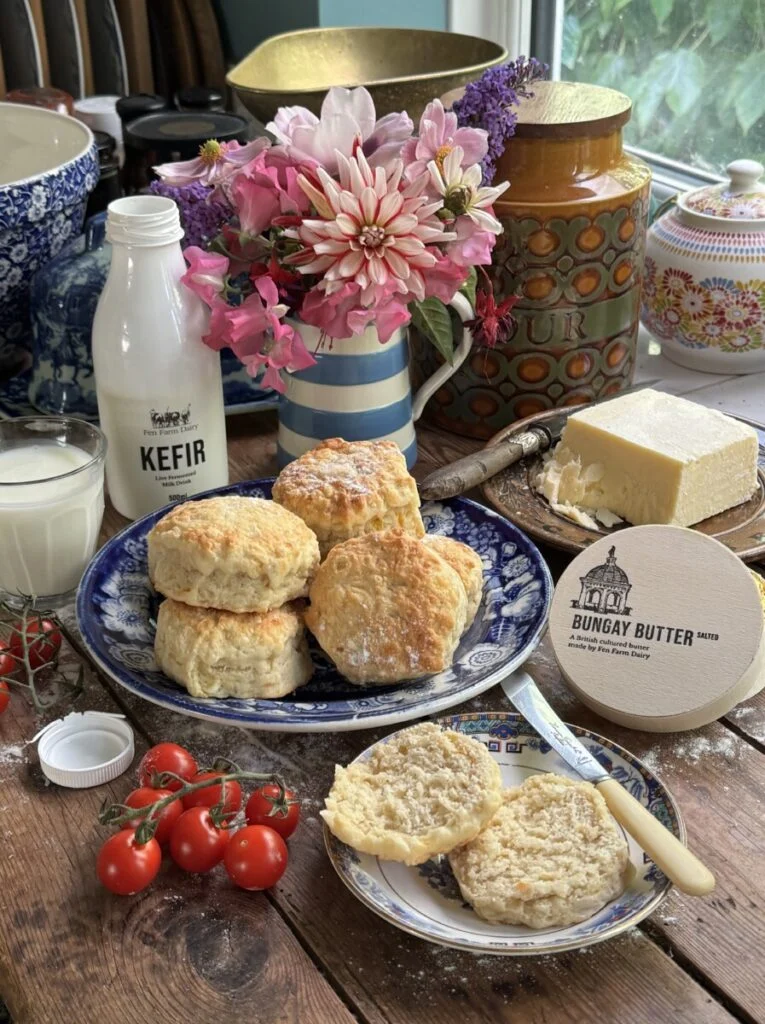
The culinary landscape of the United Kingdom has witnessed a significant shift toward the integration of functional, probiotic-rich ingredients in traditional baking. On August 10, 2026, food writer Karen Burns-Booth unveiled a new recipe for "Very Cheesy Scones with Kefir," highlighting a growing consumer interest in utilizing traditionally fermented products beyond their conventional consumption as standalone beverages. This development aligns with broader food industry trends that emphasize gut health and artisanal sourcing, specifically focusing on the intersection of British dairy craftsmanship and historical baking techniques.

The Rise of Kefir in Modern Baking
Kefir, a fermented milk drink traditionally associated with the Caucasus Mountains, has gained substantial traction in the British market over the last decade. Historically utilized for its high concentration of probiotics, kefir is increasingly being adopted by both home cooks and professional bakers as a replacement for buttermilk or natural yogurt. The acidity inherent in the fermentation process of kefir—often produced using live cultures from regions like Normandy—provides an ideal chemical reaction when combined with raising agents like bicarbonate of soda. This reaction is essential for creating the light, aerated crumb structure expected of high-quality scones.

The recipe specifically leverages product sourced from Suffolk-based Fen Farm Dairy. The farm, which maintains a herd of Montbéliarde cows, represents a segment of the agricultural sector that prioritizes high-welfare farming and traditional processing methods. By integrating such products into everyday baking, the recipe serves as a case study for the "farm-to-table" movement, where consumers are encouraged to source ingredients from local, sustainable producers.

Chronology of Traditional Scone Evolution
The evolution of the scone in British culture is a history of adaptation. Originally a flat, griddle-cooked oat cake from Scotland, the scone transitioned into an oven-baked staple during the 19th century following the introduction of standardized baking powder. Throughout the 20th century, variations proliferated, from the classic fruit scone served with clotted cream to savory iterations utilizing mature Cheddar.

The introduction of kefir-based savory scones marks the latest chapter in this progression. By replacing traditional dairy fats with cultured alternatives, bakers are effectively modifying the pH levels of the dough, which impacts the rise and the final flavor profile. This innovation follows a period of experimentation with sourdough starters and wild garlic, reflecting a contemporary preference for ingredients that offer both complex flavor and nutritional benefits.

Nutritional Profile and Dietary Implications
From a nutritional perspective, the incorporation of kefir introduces a variety of bioactive compounds. Kefir contains a diverse array of lactic acid bacteria and yeasts, which are theorized to support digestive health. While the baking process (exposing the dough to temperatures around 225°C) may compromise the viability of some heat-sensitive probiotics, the use of kefir continues to be championed for its lower lactose content and superior texture compared to standard milk.

Data regarding the nutritional content of the "Very Cheesy Scone" suggests a balanced, if indulgent, profile. Each serving, calculated at approximately 279 calories, contains 8 grams of protein and 12 grams of fat, with a sodium content of 230mg. The inclusion of high-quality, aged cheeses adds calcium and vitamin B12, making the scone a dense source of energy, often paired with soup or stew as a complete meal component.

Regional Dairy Impact and Economic Context
The collaboration between food creators and specialized dairies like Fen Farm reflects a broader economic reality in Suffolk and the wider UK dairy industry. As large-scale, industrial dairy production faces pressure from rising operational costs and shifting consumer demands, small-batch producers focusing on specialty items—such as high-fat butter and cultured dairy—have carved out a resilient niche.

Industry analysts observe that the success of these products is tied to transparency in the supply chain. When recipes specify the provenance of the ingredients, it increases consumer trust and supports regional economies. The utilization of "Punch" cheese, a specialty product from the same dairy, alongside the kefir, underscores a trend toward "curated" home cooking, where the synergy between ingredients is as important as the technique itself.

Broader Culinary Implications
The publication of this recipe coincides with the lead-up to National Afternoon Tea Week, an annual event that celebrates the tradition of tea service across the UK. The scone remains the centerpiece of this tradition. By updating the methodology to include kefir, the culinary community is signaling a departure from static, century-old recipes in favor of those that reflect modern health priorities.

Furthermore, the versatility highlighted in the variations—including the addition of wild garlic, chives, or smoked lardons—illustrates how a fundamental, simple dough can be adapted to seasonal availability. This adaptability is key to reducing food waste, as it encourages the use of leftover or seasonal ingredients.

Expert Perspective on Fermented Ingredients
Culinary researchers note that the trend toward fermented ingredients in home baking is likely to continue as more consumers gain access to high-quality kefir starters or local artisanal suppliers. The "milky champagne" quality—a term often used to describe the effervescent, sharp profile of fresh kefir—is becoming a sought-after characteristic in breads and pastries.

While home bakers have historically relied on vinegar or lemon juice to create the acidic environment required for baking soda activation, the use of a biological ferment like kefir introduces a superior depth of flavor. The complexity added by the live cultures during the brief resting period of the dough allows for a more nuanced final product that cannot be replicated by synthetic additives.

Future Directions for Traditional Baking
As we look toward the remainder of 2026, it is evident that the "scone" is no longer a fixed entity. It is an evolving category of food that acts as a bridge between ancestral methods and modern nutritional science. The success of the "Very Cheesy Scone with Kefir" serves as a benchmark for how traditional recipes can be revitalized without losing their cultural identity.

The implications for the food sector are clear: there is a growing demand for "smart" comfort foods. Consumers are seeking products that provide the psychological satisfaction of traditional comfort food while simultaneously aligning with current health-conscious values. Whether this trend will lead to a standardized, commercial version of fermented-dairy baked goods remains to be seen, but for now, the home kitchen remains the primary site of this culinary innovation.

Ultimately, the integration of kefir into the standard British scone recipe represents a thoughtful intersection of heritage, health, and local agriculture. It encourages a deeper engagement with the ingredients themselves, prompting home bakers to consider the source of their dairy and the science behind their pantry staples. As the food industry continues to pivot toward sustainable and functional ingredients, the humble cheese scone stands as a testament to the enduring nature of culinary evolution.
