
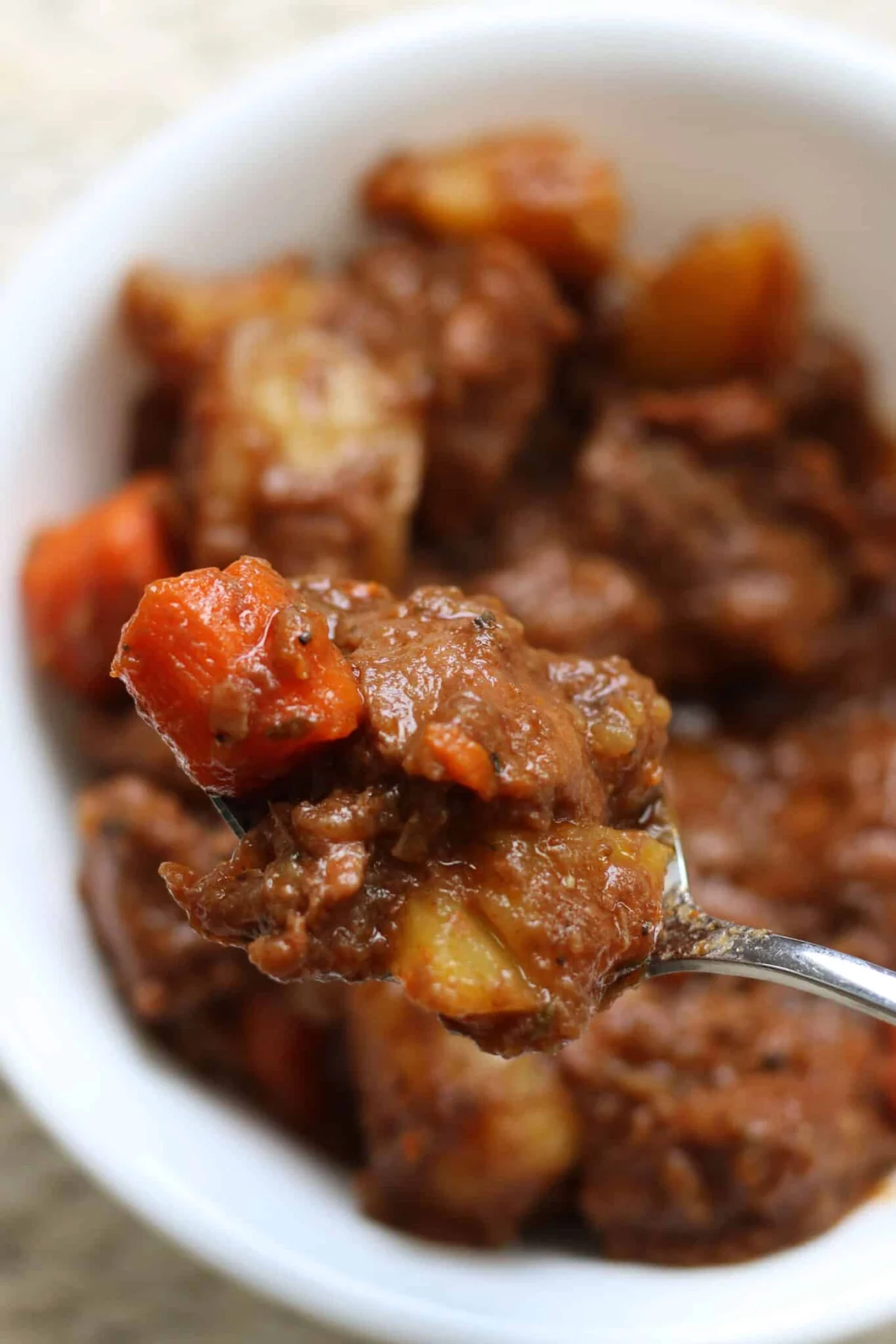
The synthesis of these two classic dishes addresses a growing consumer demand for "gourmet-adjacent" meals that require minimal active preparation time. By utilizing a slow cooker, home cooks can achieve the tender protein texture and deeply caramelized onion base that characterizes French onion soup without the necessity of constant monitoring.

The Culinary Science of Accelerated Caramelization
One of the most notable technical aspects of this specific recipe is the incorporation of a small amount of baking soda during the initial preparation phase. Traditionally, caramelizing onions to achieve the deep, jam-like consistency required for a robust onion soup can take upwards of 45 to 60 minutes of precise heat management.

The introduction of baking soda (sodium bicarbonate) alters the pH level of the onions, which accelerates the Maillard reaction—the chemical reaction between amino acids and reducing sugars that gives browned food its distinctive flavor. By increasing the alkalinity of the onion mixture, the breakdown of pectin in the cell walls is expedited. This allows the onions to reach a soft, jammy state in approximately five minutes, a process that would otherwise require ten times that duration. This scientific intervention is a growing trend in home cooking, reflecting a broader movement toward applying food science principles to simplify complex, time-consuming techniques.

Chronological Preparation and Execution
The preparation sequence for this dish is designed to maximize flavor development while minimizing labor. The process follows a standardized, three-stage culinary timeline:

- Initial Base Development (0–10 Minutes): The process begins on the stovetop. Butter is heated to a medium-high temperature, followed by the addition of onions and the aforementioned baking soda. After five minutes of consistent stirring, minced garlic is added for a brief 30-second window to release aromatic oils without burning.
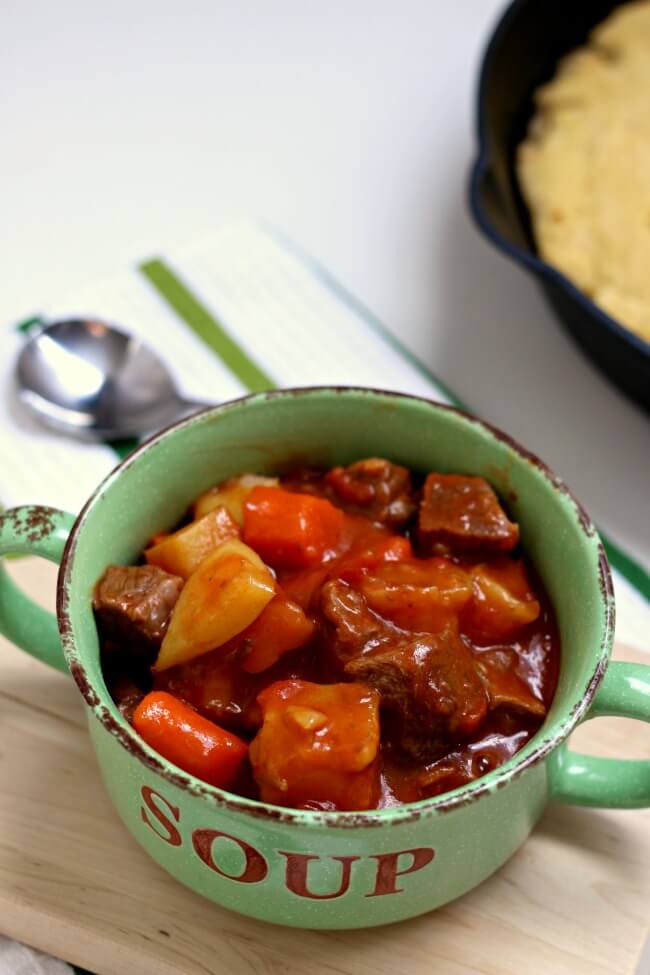
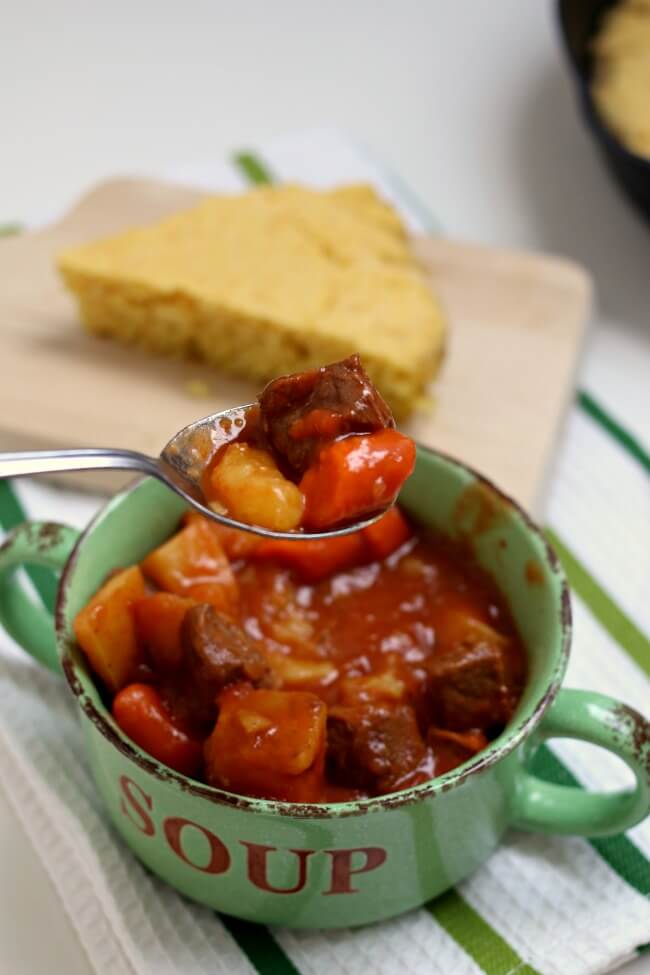
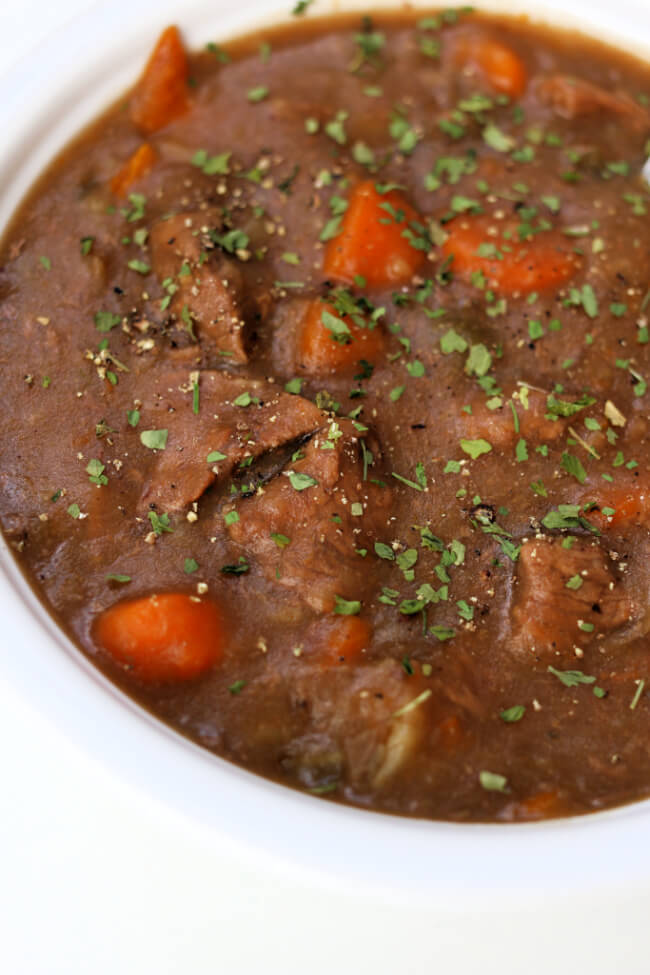
- Assembly and Integration (5–10 Minutes): The aromatics are transferred to the slow cooker basin. The protein component—typically 18 ounces of cubed beef stew meat—is combined with a seasoning base consisting of dried onion soup mix, Worcestershire sauce, tomato paste, dried thyme, and a single bay leaf. Yukon gold potatoes, chosen for their waxy texture which holds up well to long cooking cycles, and fresh carrots are added alongside beef broth.
- Slow-Simmer Cycle (4–8 Hours): The stew is cooked on a "low" setting for eight hours or a "high" setting for four hours. This duration is critical for the collagen in the beef to break down into gelatin, which provides the characteristic mouthfeel associated with high-quality stews.
Nutritional Profile and Ingredient Selection
The dish serves as a balanced meal, providing a source of complete protein from the beef and essential vitamins from the root vegetables. The use of Yukon gold potatoes is a deliberate choice for slow-cooking applications; unlike Russet potatoes, which tend to disintegrate under prolonged heat, Yukon golds maintain their structural integrity.

The inclusion of Worcestershire sauce and a final "splash" of balsamic vinegar adds necessary acidity and umami to the broth. From a nutritional standpoint, the stew provides a significant portion of daily fiber and Vitamin A through the inclusion of carrots. While traditional beef stews often rely on a tomato-heavy base, this variant highlights the savory, umami-rich profile of the onions, which acts as the primary flavor driver.

Broader Impact on Home Cooking Trends
The rise of recipes like Crock Pot French Onion Beef Stew highlights a broader shift in domestic food consumption. Data from the kitchen appliance industry indicates that "dump-and-go" recipes—those requiring minimal pre-processing—have seen a 35% increase in search volume over the last five years.

This shift is largely attributed to the demographic of busy professionals and families who seek to replicate restaurant-quality flavors within a limited timeframe. The "cross-over" nature of the dish—merging two distinct culinary categories—suggests a growing appetite for fusion-style comfort foods. By simplifying the labor-intensive aspects of traditional French cuisine, this dish democratizes access to complex flavor profiles, allowing home cooks to achieve results that were previously the exclusive domain of professional kitchens.

Expert Analysis of Slow Cooker Efficacy
Culinary analysts note that the slow cooker’s ability to maintain a constant, low temperature is the primary factor in the success of this recipe. Unlike a stove, where fluctuating heat can lead to uneven cooking or scorched ingredients, the slow cooker operates within a narrow thermal band. This ensures that the beef is cooked through while the vegetables remain firm enough to provide textural contrast.
Furthermore, the integration of dried onion soup mix serves as an efficient "flavor hack." This ingredient provides a concentrated source of dehydrated aromatics and salt, which creates an instant depth of flavor that would otherwise require hours of simmering beef stock with bones and aromatics. While some traditionalists may argue against the use of pre-packaged mixes, modern food journalism frequently identifies such ingredients as "foundational elements" for accessible home cooking.
Implications for Future Meal Planning
The long-term implication of this dish is its viability as a sustainable meal-prep solution. Because the stew improves in flavor as the ingredients meld over time, it is highly suitable for storage and reheating, making it a staple for households looking to reduce food waste.
The flexibility of the recipe—allowing for substitutions such as sweet potatoes in place of Yukon golds, or varying the protein to include lean cuts of chuck roast—makes it a versatile framework for future culinary experimentation. As supply chain logistics continue to affect food prices, the ability to utilize affordable cuts of beef, such as stew meat, which require long cooking times to become palatable, reinforces the economic value of this slow-cooking method.
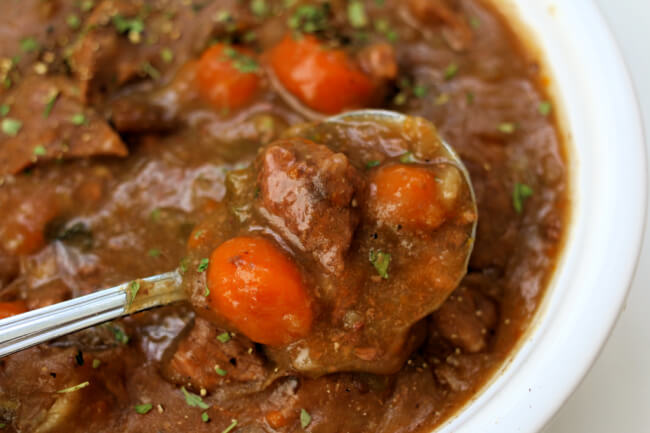
In conclusion, the Crock Pot French Onion Beef Stew is more than a simple recipe; it is an example of how culinary tradition, modern science, and appliance technology intersect. By reducing the barriers to entry for complex flavors, it provides a practical solution for the modern home cook, ensuring that comfort food remains a viable option even within the constraints of a high-paced contemporary lifestyle.
