
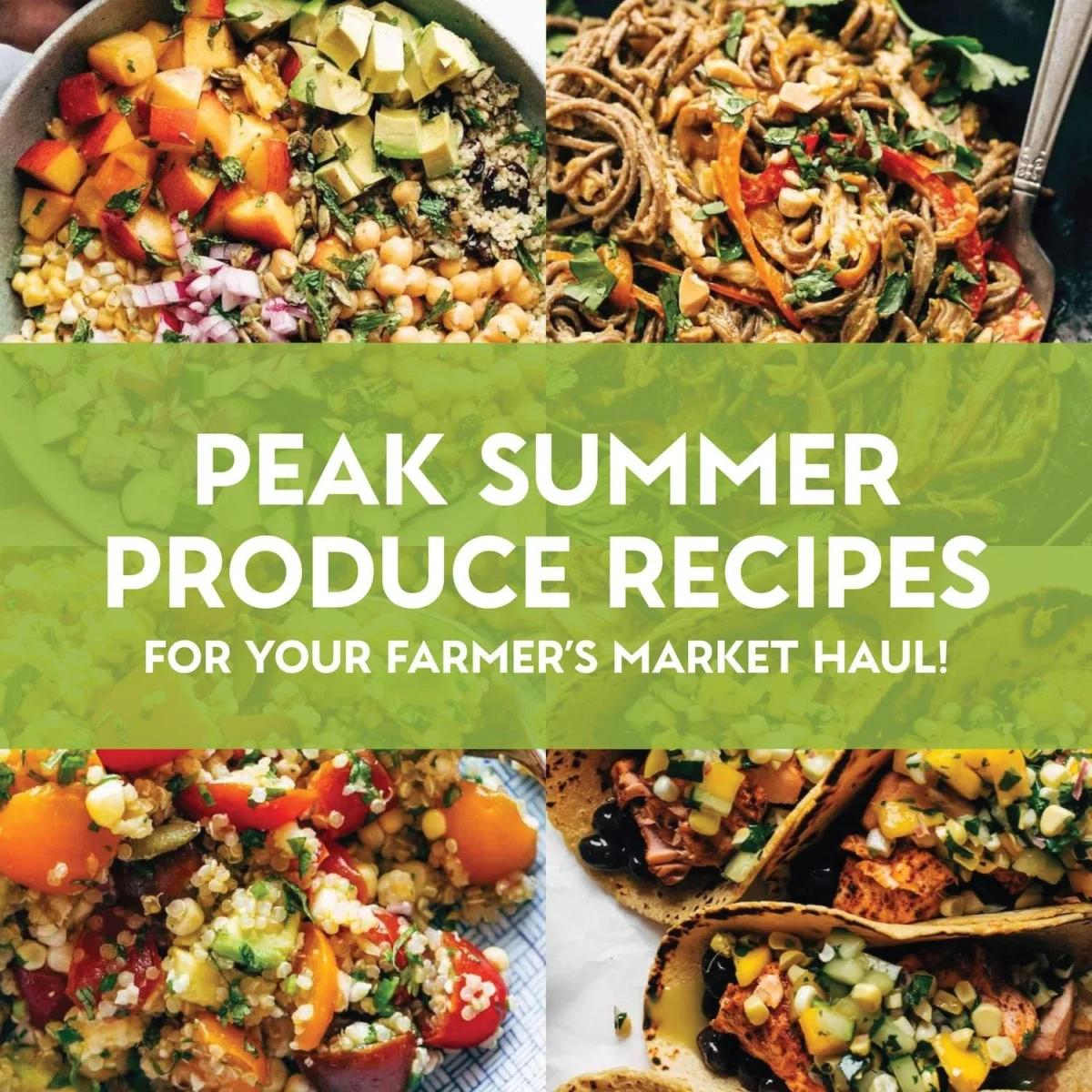
The seasonal shift toward peak summer harvest brings a significant influx of fresh agricultural yield to markets, residential gardens, and community-supported agriculture (CSA) programs. As temperatures rise and daylight hours extend, the accelerated growth of crops such as sweet corn, vine-ripened tomatoes, zucchini, stone fruits, and crisp cucumbers presents both a boon for nutritional access and a logistical challenge for home cooks. Effectively managing this abundance requires a strategic approach to food preservation, meal planning, and culinary application to minimize waste and maximize the economic and health benefits of fresh, locally sourced produce.
The Seasonal Agricultural Context
The summer harvest window, typically spanning from late June through early September in the Northern Hemisphere, represents the most productive period for small-to-medium-scale farming. According to the United States Department of Agriculture (USDA), seasonal consumption of produce is correlated with higher intake of essential vitamins and minerals, as fruits and vegetables harvested at peak ripeness often possess higher nutrient density compared to those harvested early for long-distance transit.
Data from the Farmers Market Coalition indicates that the proliferation of local markets has significantly reduced the "food miles" associated with summer produce. By sourcing ingredients locally, consumers support regional economies while benefiting from produce that has not undergone the degradation associated with prolonged cold-chain storage. However, the perishable nature of these items necessitates prompt processing. Unlike winter crops—such as root vegetables or winter squash—summer crops like strawberries and green beans have a limited shelf life, requiring consumers to utilize or preserve the harvest within days of acquisition.
Chronology of the Summer Harvest
The typical summer harvest follows a predictable cycle, which allows for systematic meal planning.
- Early Summer (Late June – Early July): The season begins with the arrival of strawberries, green beans, and early-season cucumbers. These items are characterized by their delicate nature and high water content, demanding immediate consumption or rapid preparation.
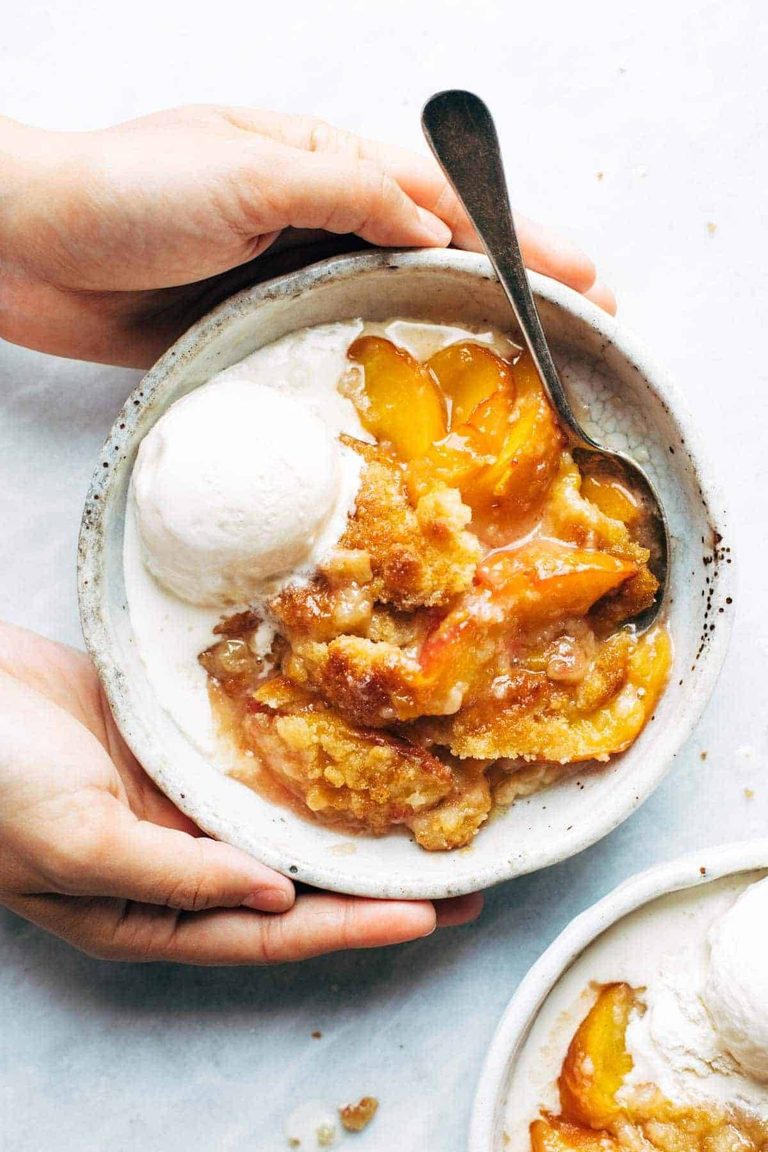
- Mid-Summer (July – August): This period marks the peak of zucchini, bell peppers, and stone fruits such as peaches and nectarines. The rapid growth rate of zucchini, in particular, often leads to a "surplus phenomenon" where supply quickly exceeds immediate household demand.
- Late Summer (Late August – September): The season concludes with the heavy harvest of tomatoes, corn, and hearty herbs. This is the optimal window for large-scale preservation, including canning, pickling, and freezing.
Strategies for Culinary Efficiency
Professional culinary practices emphasize the "nose-to-tail" approach to produce. To mitigate the risks of food spoilage, nutritionists and chefs recommend several high-efficiency preparation methods.
1. Rapid Preservation and Sauce Integration
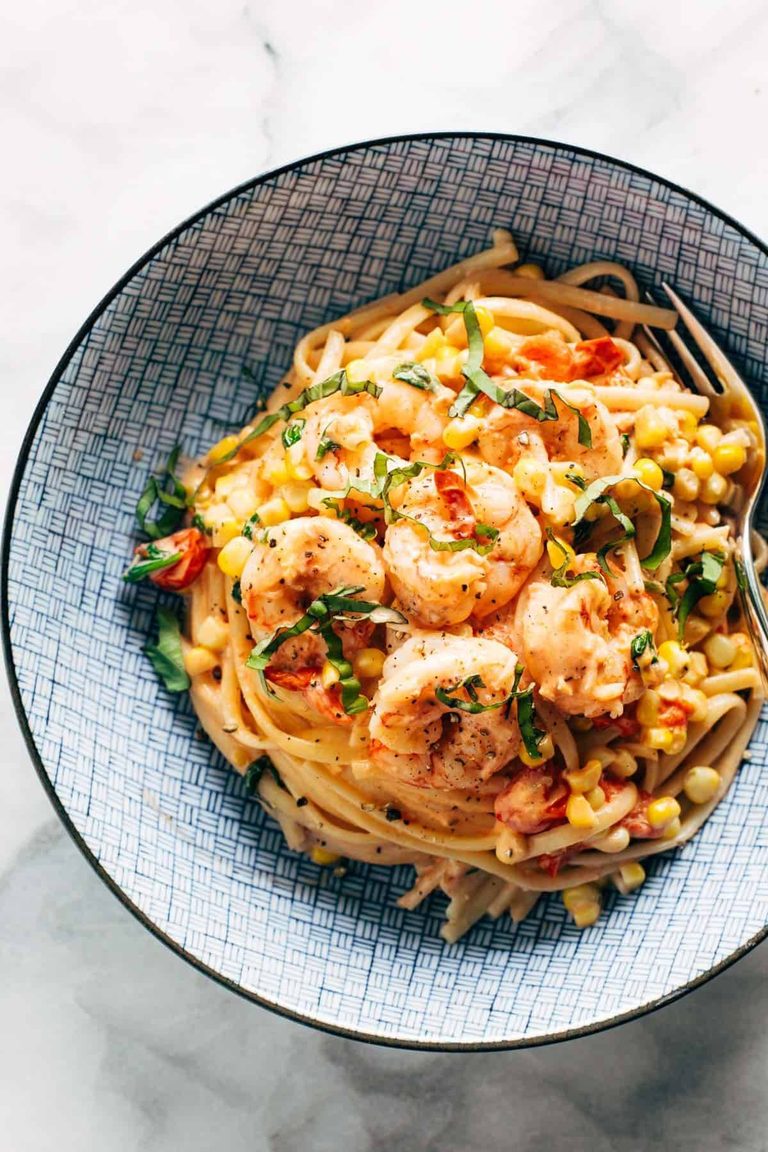
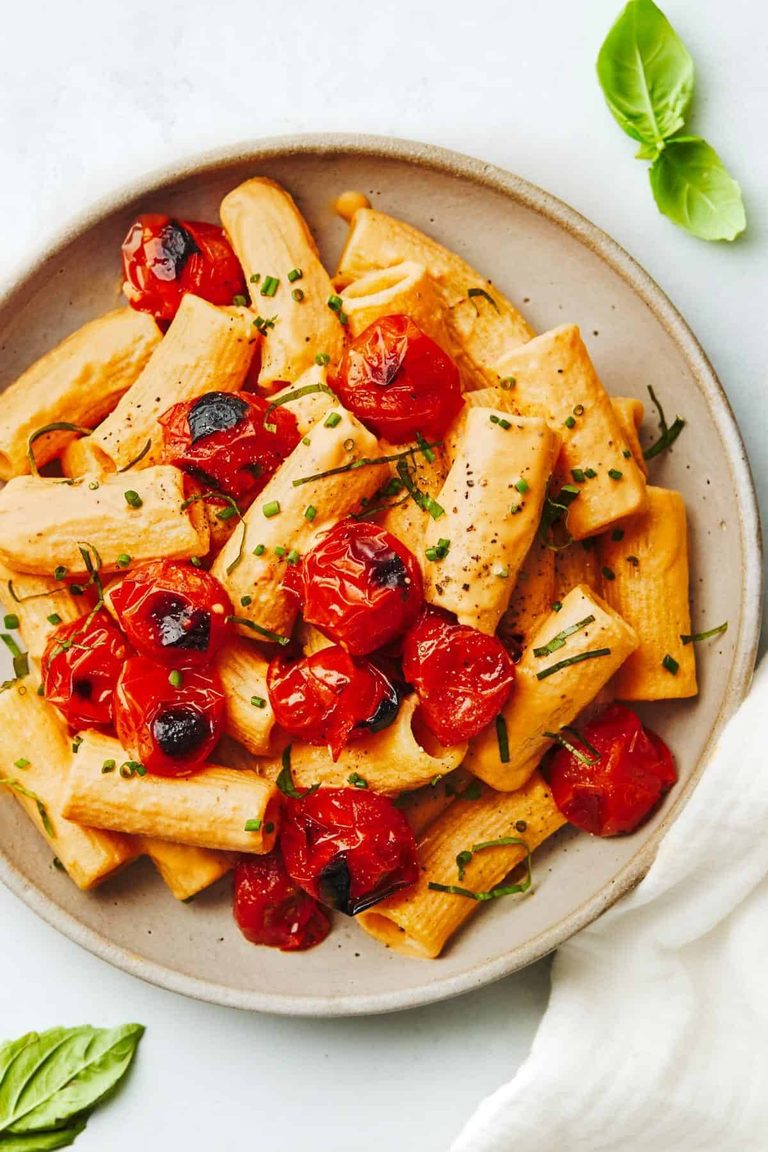
One of the most effective ways to manage a high volume of tomatoes and herbs is through the production of versatile base sauces. A basic garlic-butter tomato sauce or a concentrated basil pesto can be prepared in large batches and frozen. These act as "flavor building blocks" for 30-minute meals, reducing the preparation time for weeknight dinners.
2. The "Component Meal" Strategy
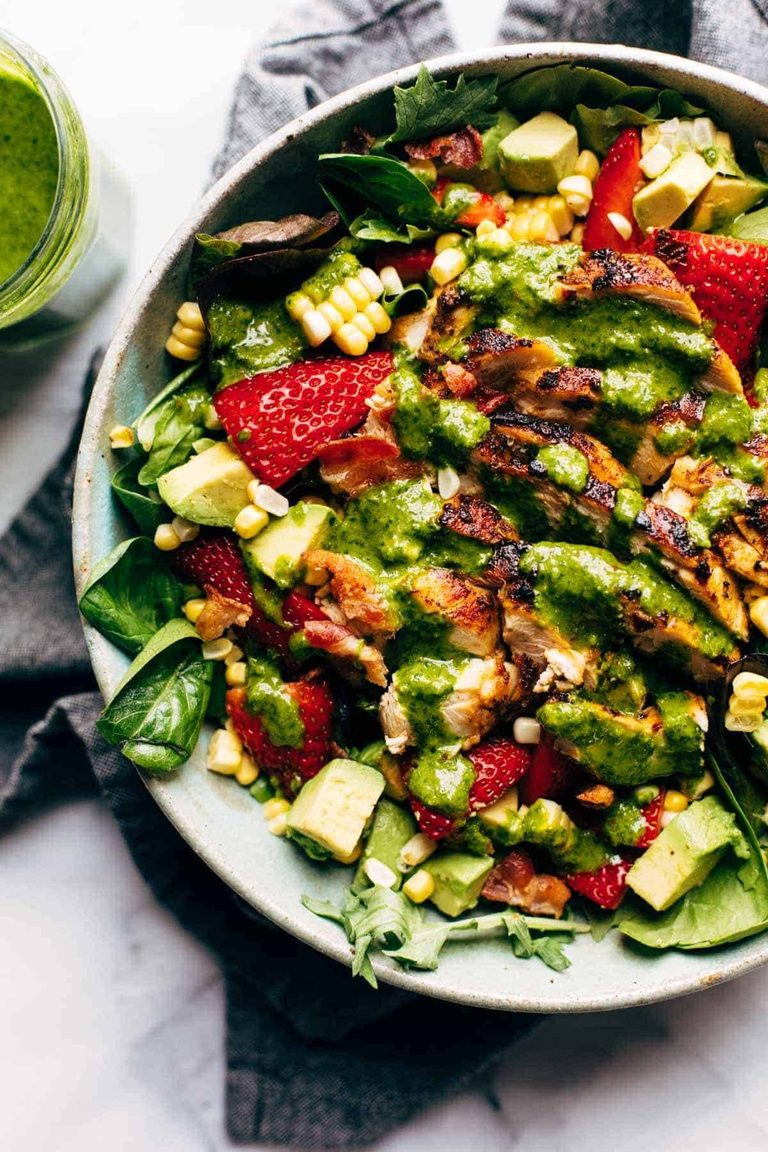
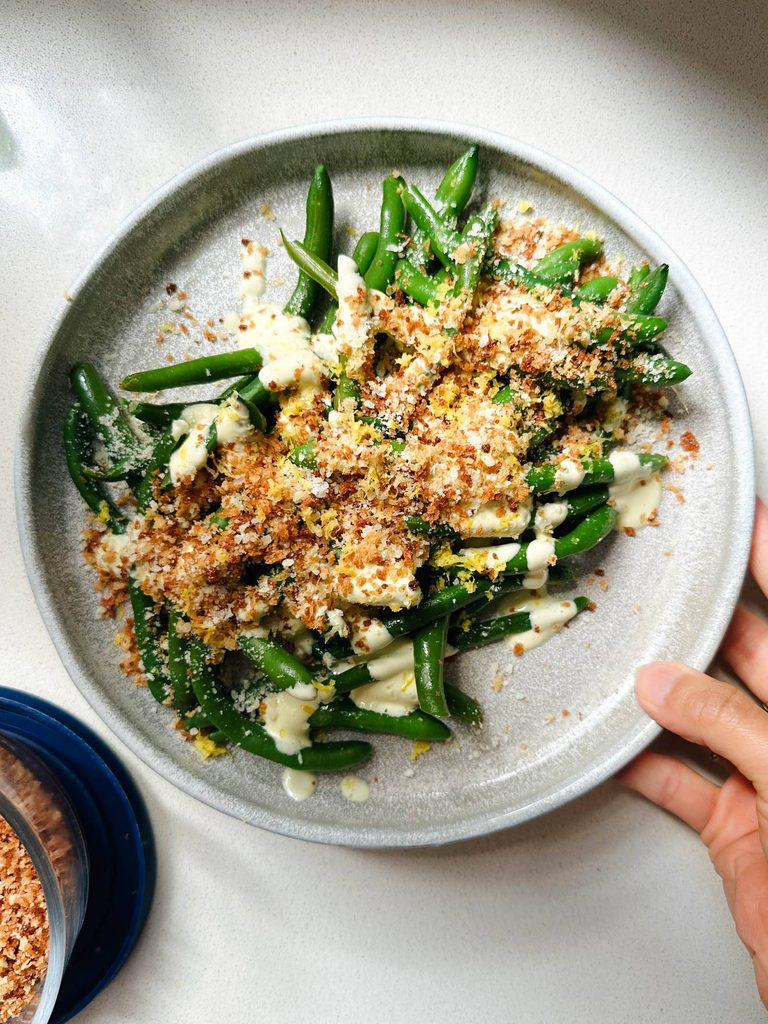
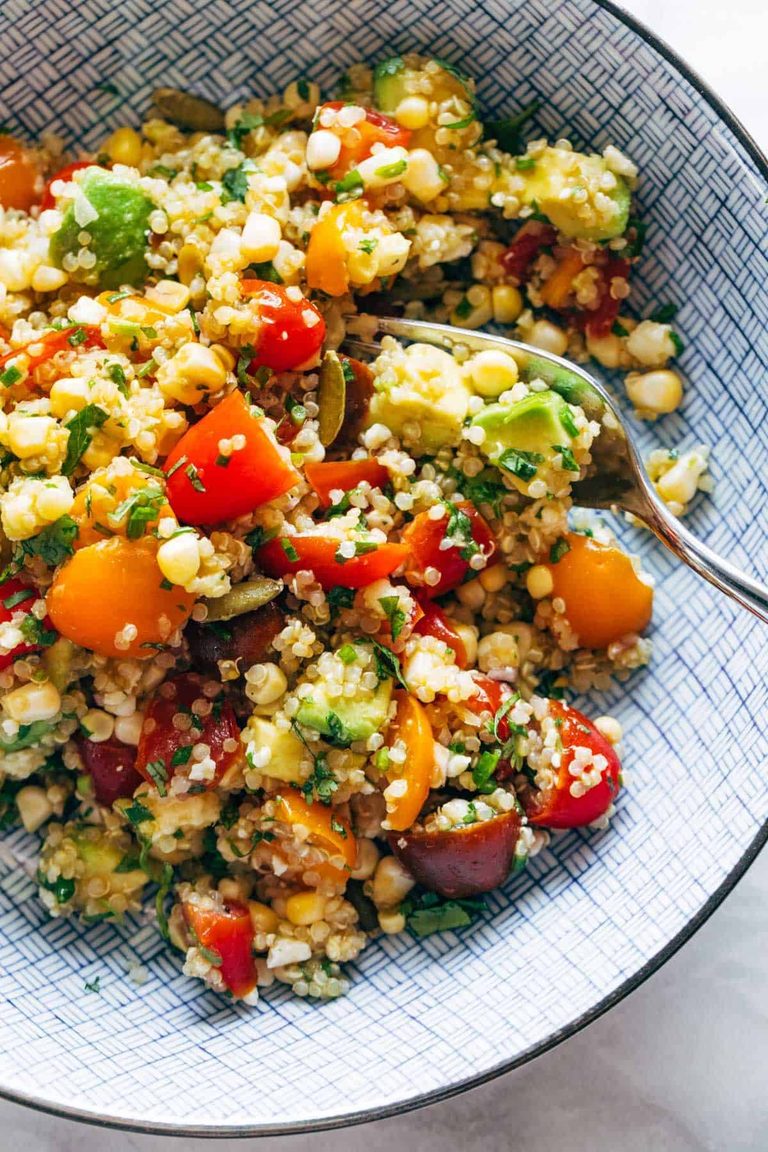
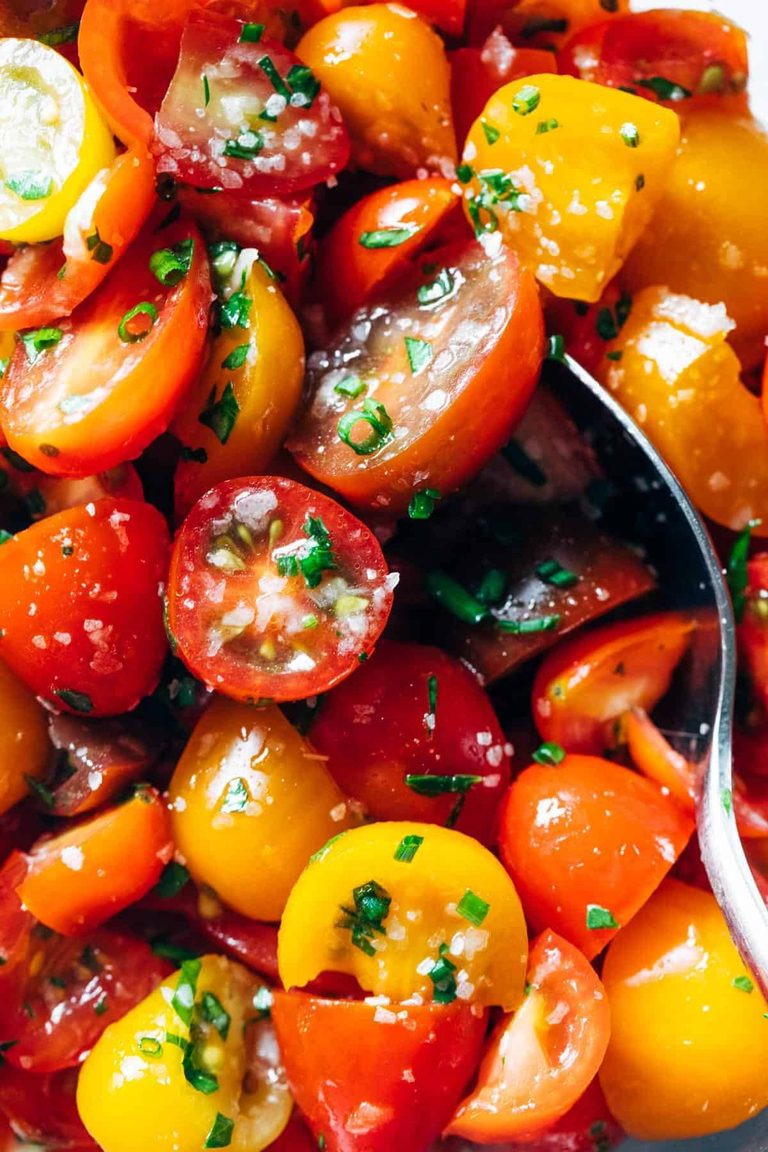
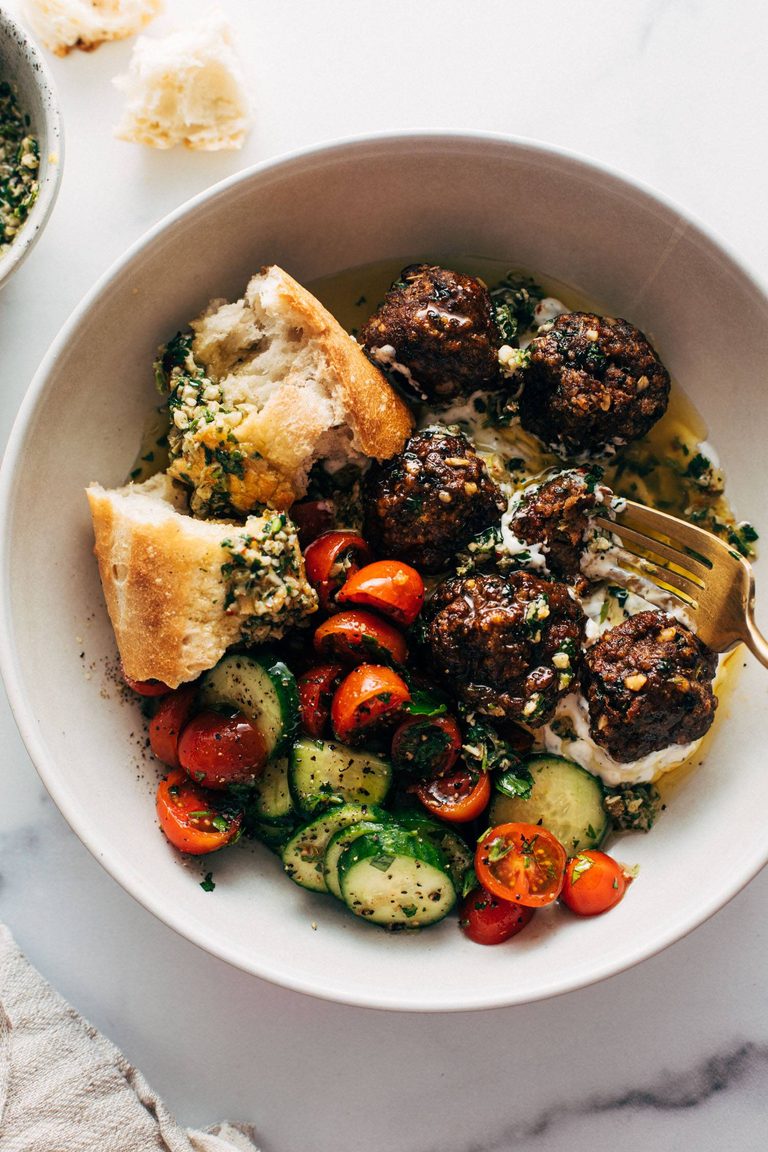
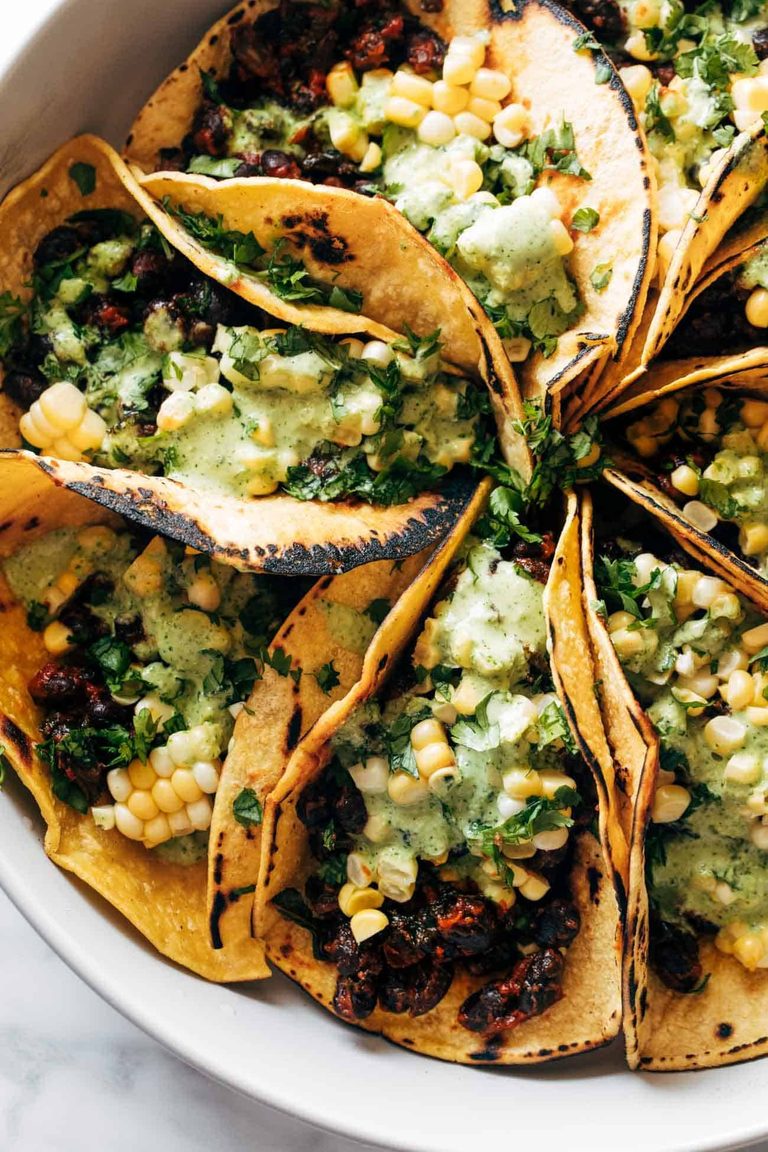
Rather than viewing produce as a singular entity, modern food science advocates for "component cooking." By preparing versatile elements—such as marinated tomatoes, pickled strawberries, or "magic green sauces" (typically composed of avocado, cilantro, and lime)—home cooks can assemble varied, nutritionally balanced meals throughout the week. For example, a batch of harissa meatballs or grilled chipotle chicken can be paired with different seasonal sides, such as elote-style quinoa salads or avocado-caesar green beans, to maintain variety without redundant labor.
3. Nutrient Retention through Diverse Preparation
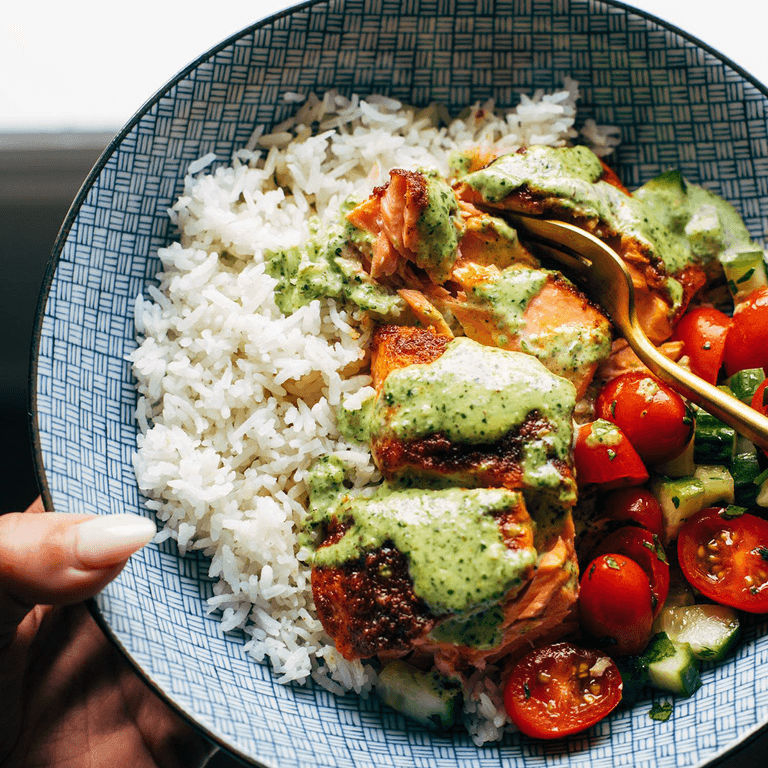
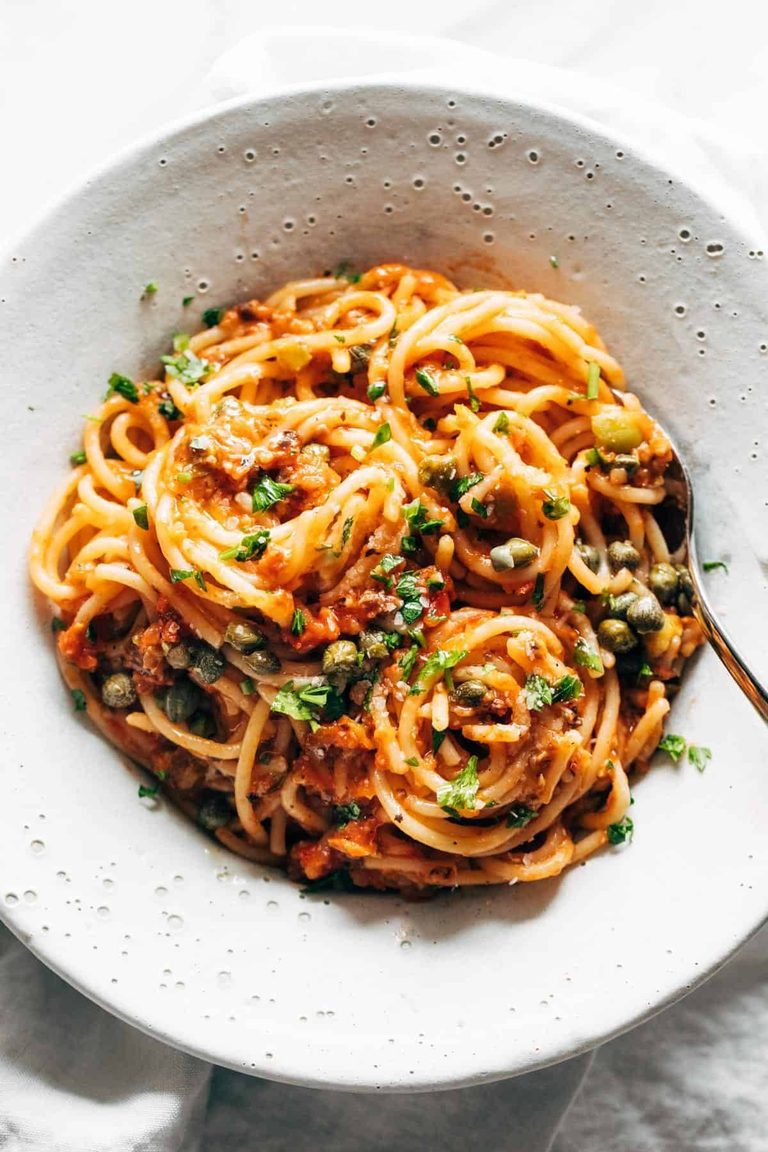
To avoid palate fatigue, the application of diverse cooking techniques is essential. While raw salads are a standard summer staple, the application of heat—blistering, roasting, or grilling—transforms the flavor profile of vegetables. For instance, roasting tomatoes to create a base for puttanesca or sautéing green beans with panko and avocado dressing alters the texture, ensuring that large quantities of the same vegetable can be consumed over several days without monotony.
Economic and Environmental Implications
The environmental impact of food waste is a subject of increasing concern for urban planners and environmental scientists. When consumers discard excess produce that they are unable to process, they are effectively wasting the water, energy, and labor invested in that crop.
Economic analysis suggests that strategic consumption of seasonal produce leads to lower grocery expenditures. By purchasing "seconds" or bulk quantities at the peak of the season, households can leverage lower price points. Furthermore, incorporating plant-forward proteins—such as beans, lentils, and chickpeas—into summer bowls and salads significantly reduces the carbon footprint of the meal compared to meat-heavy diets. The integration of ingredients like farro, quinoa, and soba noodles into summer dishes provides necessary fiber and complex carbohydrates, creating satiating, high-protein meals that do not rely on excessive animal product consumption.
Perspectives on Sustainable Consumption
Public health organizations, including the World Health Organization (WHO), emphasize that increasing the proportion of fresh, unprocessed, or minimally processed foods in the human diet is a critical factor in combating non-communicable diseases. The "farm-to-table" movement, while often perceived as a culinary trend, is rooted in the practical necessity of aligning human consumption with natural harvest cycles.
Retailers and market operators report that consumer education is the missing link in waste reduction. Providing shoppers with information on how to store specific crops (e.g., the proper temperature for tomatoes versus the storage needs of stone fruits) has been shown to increase the longevity of produce in the home.
Practical Applications: A Guide for the Home Kitchen
To successfully navigate the summer harvest, households should adopt a tiered approach:
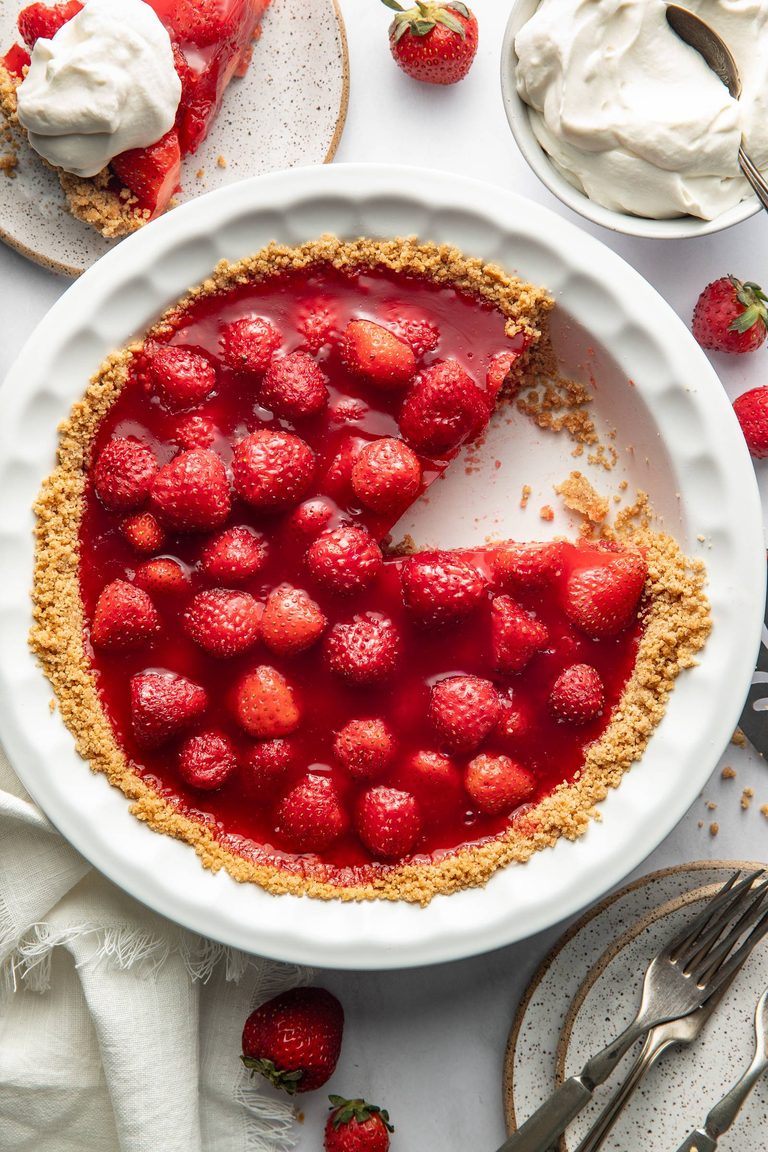
- Immediate Utilization (Days 1-2): Focus on delicate items like strawberries, leafy greens, and cucumbers. These are best utilized in raw applications, such as strawberry pies, salads, or chilled soups.
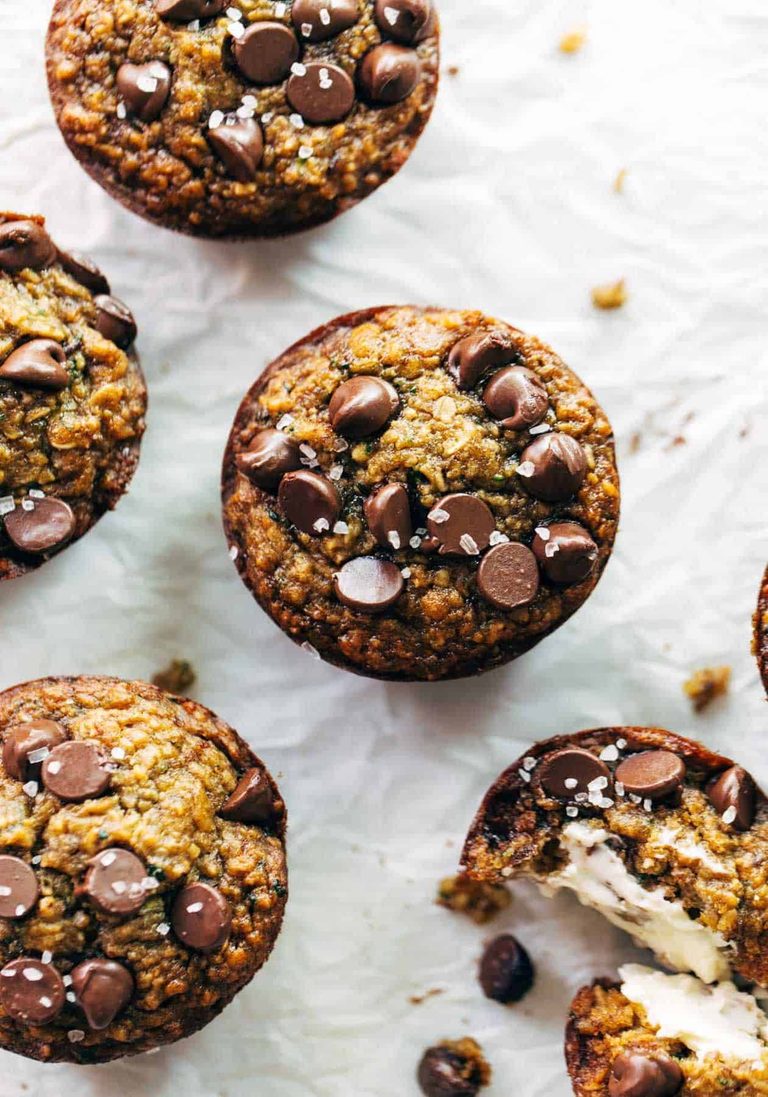
- Intermediate Processing (Days 3-5): Focus on zucchini, corn, and bell peppers. These can be integrated into muffins, stir-fries, or grain bowls. The use of "feel-good" ingredients like dates, oats, and maple syrup allows for the healthy incorporation of vegetable purees into snacks, effectively masking the fiber-dense ingredients in palatable formats.
- Long-Term Preservation (Days 5+): Tomatoes and remaining herbs should be processed into sauces, salsas, or herb-infused oils. Freezing is the most reliable method for preserving the integrity of these items for use in the autumn and winter months.
Conclusion
The challenge of an abundant summer harvest is a favorable one, representing a period of maximum resource availability. By employing systematic culinary strategies—ranging from the batch production of sauces to the intelligent integration of grains and proteins—consumers can transform seasonal surplus into a source of long-term nutritional and economic value. As the agricultural cycle continues to shift, the ability to adapt to these seasonal peaks remains a fundamental skill for sustainable and efficient household management. Through informed planning and the application of diverse cooking techniques, the bounty of the summer market can be effectively captured, minimizing waste and enhancing the quality of the daily diet.
