
Trader Joe’s, a beloved grocery chain known for its distinctive brand of specialty foods, quirky marketing, and exceptionally cheerful staff, holds a number of secrets and operational nuances that are privy to its employees but often go unnoticed by its loyal customer base. From the purpose behind the ubiquitous bell to the artistic talent within each store, these insights offer a deeper appreciation for the curated shopping experience Trader Joe’s strives to provide. This article delves into these insider details, drawing from employee accounts, company FAQs, and observational data to paint a comprehensive picture of what makes the Trader Joe’s experience unique from the perspective of those who make it happen.
The operational efficiency and customer engagement strategies employed by Trader Joe’s are not accidental; they are the result of a deliberate effort to cultivate a distinct atmosphere. In an era where grocery shopping can often feel like a mundane chore, Trader Joe’s endeavors to transform it into an enjoyable adventure. This commitment is evident in everything from the hand-painted signs adorning the aisles to the exceptional service provided by the "crew members," as employees are known. Understanding these behind-the-scenes elements can significantly enhance a shopper’s appreciation for the chain’s dedication to customer satisfaction and its unique place in the retail landscape.
The Purpose Behind the Persistent Bell
One of the most recognizable sounds within a Trader Joe’s store is the distinct ring of a bell. While shoppers might ponder its purpose – perhaps a whimsical alert for new shipments of coveted snacks or a signal for a staff member to roll up their sleeves – its actual function is far more practical and integral to the store’s operational philosophy. Trader Joe’s eschews the use of traditional intercom systems, a decision rooted in its desire to maintain a more personal and less intrusive customer environment. As stated in the company’s FAQs, a loudspeaker system "just didn’t feel right." Instead, the bell serves as a sophisticated communication tool among staff.
Each ring or sequence of rings functions akin to a form of Morse code, conveying specific messages to alert team members to various needs. Whether it’s a request for assistance at a checkout counter, a need for a stock replenishment, or a customer requiring immediate attention, the bell provides an efficient, non-disruptive method of communication. This practice not only streamlines operations but also contributes to the store’s signature maritime-themed aesthetic, adding another layer of character to the shopping experience. The intentional avoidance of public address systems underscores Trader Joe’s commitment to fostering a calmer, more intimate shopping environment, a stark contrast to the often-cacophonous announcements heard in larger retail chains.
In-House Artists: Crafting Unique Store Personalities
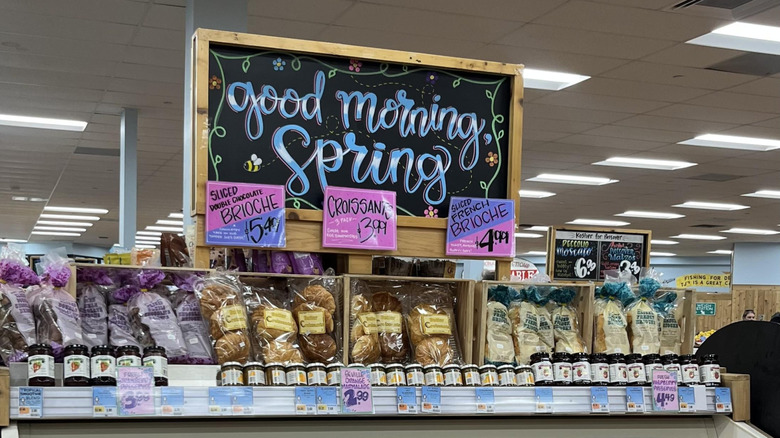
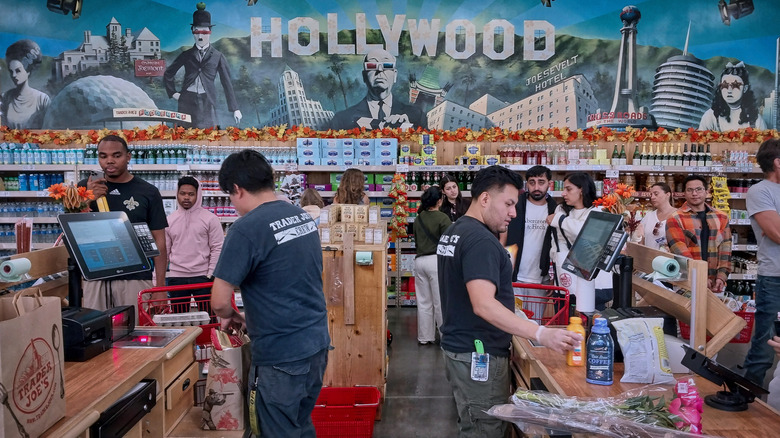
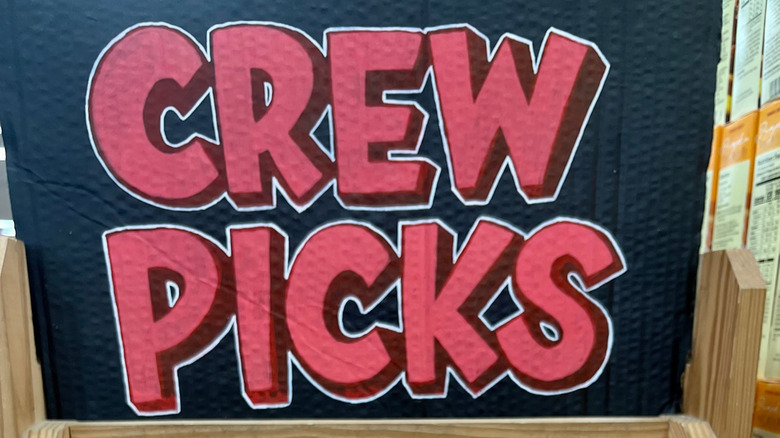
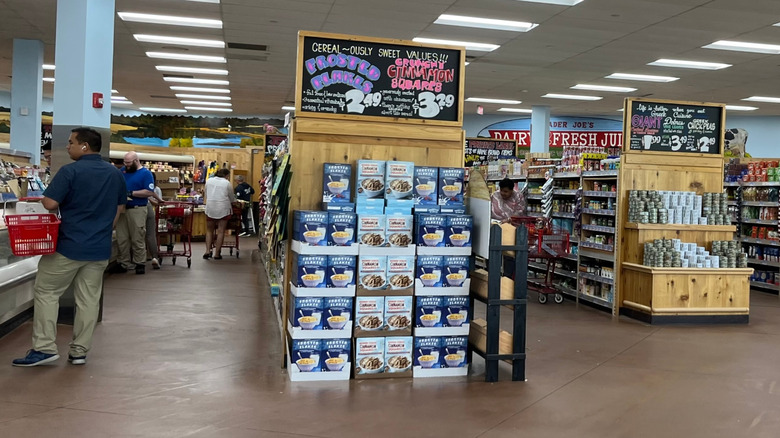
The distinctive neighborhood feel that characterizes each Trader Joe’s location is, in part, a testament to the artistic talent present within the company. While Trader Joe’s operates nearly 650 stores nationwide as of recent reports, the ambiance of each store feels remarkably personal and unique. This individuality is largely attributed to the hand-painted signs that adorn the aisles, featuring colorful illustrations and witty descriptions of products. These are not mass-produced prints or digitally generated graphics; they are original works of art created by dedicated, on-site artists who are integral members of the store’s crew.
Each Trader Joe’s location typically employs one or two such artists. These individuals are responsible for designing and painting a wide array of signage, from product labels and promotional displays to seasonal decorations. This approach not only infuses each store with a distinct personality but also represents a significant investment by Trader Joe’s. The company could easily opt for cost-saving measures like printing generic tags or utilizing AI-generated designs. However, their commitment to visual artistry highlights a deep appreciation for creativity and a desire to make even the mundane task of reading product information an enjoyable visual experience. This dedication to the arts fosters a warm, inviting atmosphere that resonates with customers and contributes to the chain’s enduring appeal and customer loyalty.

The Art of Bagging: A Carefully Orchestrated Process
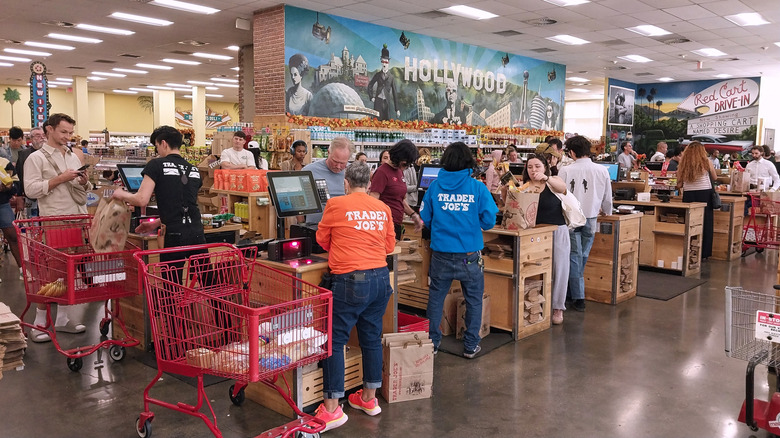
The precision with which Trader Joe’s crew members bag groceries is often a point of admiration for shoppers. The practice of placing heavy, cold items at the bottom, followed by more delicate produce and fragile goods, is not merely a matter of habit but a well-honed skill designed to optimize the customer’s experience even after leaving the store. Employees are trained to pack bags thoughtfully, ensuring that items are protected and easily accessible, preventing crushed goods and preventing the frustration of a disorganized bag.
While customers might be inclined to assist with bagging, especially during busy periods, Trader Joe’s policy generally encourages shoppers to let the crew members handle this task. This preference stems from a desire to maintain the high standard of service they’ve established. For many employees, bagging is not a chore but an opportunity to engage with customers, listen to their stories, and contribute to a positive checkout experience. As shared by a crew member on Reddit, some employees genuinely enjoy the process, viewing it as a chance for pleasant interaction. This perspective underscores the company’s emphasis on customer service extending through every touchpoint of the shopping journey. However, in situations where lines are exceptionally long or the cashier appears overwhelmed, a polite offer to assist with bagging can be appreciated, provided it’s communicated with courtesy.
An Unparalleled Return Policy: Customer Satisfaction as Priority
Trader Joe’s commitment to customer satisfaction is perhaps most powerfully demonstrated through its exceptionally liberal return policy. The company stands by its products to such an extent that it allows customers to return virtually any item, regardless of whether it has been opened or partially consumed, with no questions asked. This policy is rooted in the belief that if a customer does not like a product, they should not be obligated to pay for it. Whether it’s a matter of taste preference, a perceived quality issue, or even an item that simply didn’t meet expectations, Trader Joe’s encourages feedback through its "we tried it, we like it, if you don’t, bring it back" philosophy.
This policy, which does not even require a receipt for most returns, represents a significant departure from the stringent return policies common in the retail industry. It signifies a profound trust in its customers and a willingness to absorb the cost of dissatisfaction to ensure a positive overall brand experience. While the policy is designed to be customer-centric, it also relies on the integrity of shoppers to utilize it responsibly. Employees are trained to handle returns with grace, but customers are implicitly encouraged to only return items they genuinely did not enjoy, avoiding any potential exploitation of this generous system. The policy, therefore, serves not only as a customer benefit but also as a testament to Trader Joe’s brand values.
The Culture of Sampling: Encouraging Discovery
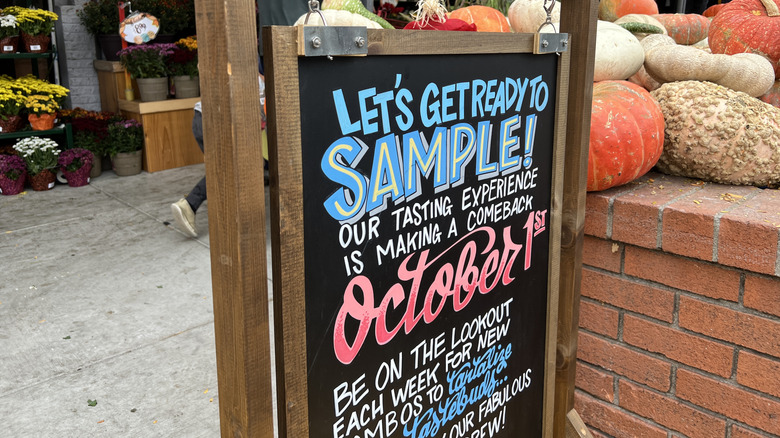
Trader Joe’s actively encourages customers to explore and discover new products, with sampling being a key component of this strategy. Beyond the well-known tasting booths that offer samples of select items, the company’s approach extends to allowing customers to sample many unopened, non-perishable products. This policy, while not always explicitly detailed, empowers shoppers to make informed purchasing decisions, especially when encountering unfamiliar specialty items.
In the post-COVID-19 era, the implementation of sampling has seen some adaptations. While some locations may encourage customers to purchase an item and return it if they are not satisfied, others continue to offer direct sampling, with crew members opening products on the spot. The remaining portion is often shared among staff. This flexible approach reflects Trader Joe’s ability to adapt while maintaining its core ethos of product exploration. Customers are advised to approach sampling requests with an understanding of the store’s current protocols and to avoid asking to sample alcoholic or highly perishable items, though exceptions may occur based on employee discretion and location-specific practices. This emphasis on sampling not only aids customer choice but also serves as a powerful, low-risk marketing tool for the company’s diverse product range.
Employee Expertise: A Taste of Product Knowledge
A significant, yet often overlooked, aspect of the Trader Joe’s shopping experience is the deep product knowledge held by its crew members. Due to the company’s proactive approach to product evaluation, employees are frequently encouraged, and often required, to taste-test a wide variety of items. This practice is not solely driven by employee discounts but is an integral part of their training and professional development. According to employee accounts on platforms like Reddit, some stores even conduct daily tasting sessions, ensuring that staff are well-versed in the offerings.
This commitment to taste-testing equips employees to provide genuine, firsthand recommendations to customers. When a shopper is undecided about a particular product, asking a Trader Joe’s crew member for their preference can yield valuable insights. While individual palates may differ, employees can often provide detailed descriptions of flavors, textures, and potential pairings, based on their direct experience. This level of informed assistance elevates the customer service experience beyond mere transaction, transforming it into a personalized guided tour of Trader Joe’s culinary offerings. It cultivates an environment where customers feel confident in their choices, knowing they are receiving advice from knowledgeable individuals who have a vested interest in the products they represent.
Engaging Young Shoppers: The Hidden Stuffed Animals
Trader Joe’s extends its commitment to a positive shopping experience to its youngest patrons through a charming in-store scavenger hunt. Many locations discreetly hide a stuffed animal somewhere within the store, offering a delightful activity for children accompanying their parents. This initiative is designed to make grocery shopping more engaging and less of a chore for kids, thereby contributing to a more relaxed experience for parents.
When a child spots the hidden toy and alerts a staff member, they are typically rewarded with a small prize, such as a sticker or a lollipop. While the specific stuffed animals and their hiding places may vary by store and are sometimes adjusted for safety protocols post-pandemic, the underlying principle remains the same: to create moments of joy and discovery. This simple yet effective strategy not only entertains children but also subtly cultivates brand loyalty from an early age, fostering a positive association with Trader Joe’s that can last a lifetime. It transforms a routine errand into a small adventure, demonstrating the company’s thoughtful approach to customer engagement across all age groups.
Navigating the Crowds: Strategic Shopping Times
Trader Joe’s immense popularity, while a testament to its success, often results in crowded stores and challenging parking situations. The high foot traffic, particularly during peak hours, can deter some shoppers. Recognizing this, employees and regular customers alike have identified strategic times to visit the store to avoid the most congested periods.
Based on observations and discussions on platforms like Reddit, midday hours (approximately 11 a.m. to 1 p.m.) and the immediate aftermath of the typical workday (around 5 p.m.) tend to be the busiest. Conversely, early mornings, especially shortly after opening, and the periods just before closing are often characterized by lighter crowds. Shopping earlier in the day also offers the advantage of accessing the freshest produce and a wider selection of products before they are picked over. Understanding these patterns can significantly enhance the shopping experience for those who prefer a more tranquil environment, allowing them to navigate the aisles with greater ease and make their selections without the pressure of navigating dense crowds.
The "Dazzle" Factor: Empowering Crew Members
The consistently positive and energetic demeanor of Trader Joe’s crew members is a hallmark of the brand. This isn’t solely a result of individual personalities but is actively fostered through company culture and operational practices. The company invests in its employees through competitive pay, comprehensive healthcare benefits, employee discounts, paid time off, and opportunities for career advancement. These factors contribute to a high level of job satisfaction, which often translates into genuine enthusiasm and a commitment to providing exceptional customer service.
Furthermore, Trader Joe’s empowers its crew members to "dazzle" customers, a philosophy that encourages spontaneous acts of kindness and appreciation. While not a formal, documented policy for every scenario, employees are often trained and encouraged to use their discretion in offering small gestures that can significantly enhance a customer’s experience. This might include offering a complimentary bouquet of flowers, a bar of chocolate, or an item to compensate for a minor mishap, such as a dropped product. These acts are designed to make customers feel seen, valued, and appreciated, reinforcing the brand’s reputation for warmth and exceptional hospitality. This intentional approach to employee empowerment and customer appreciation is a key differentiator for Trader Joe’s in the competitive grocery market.
