
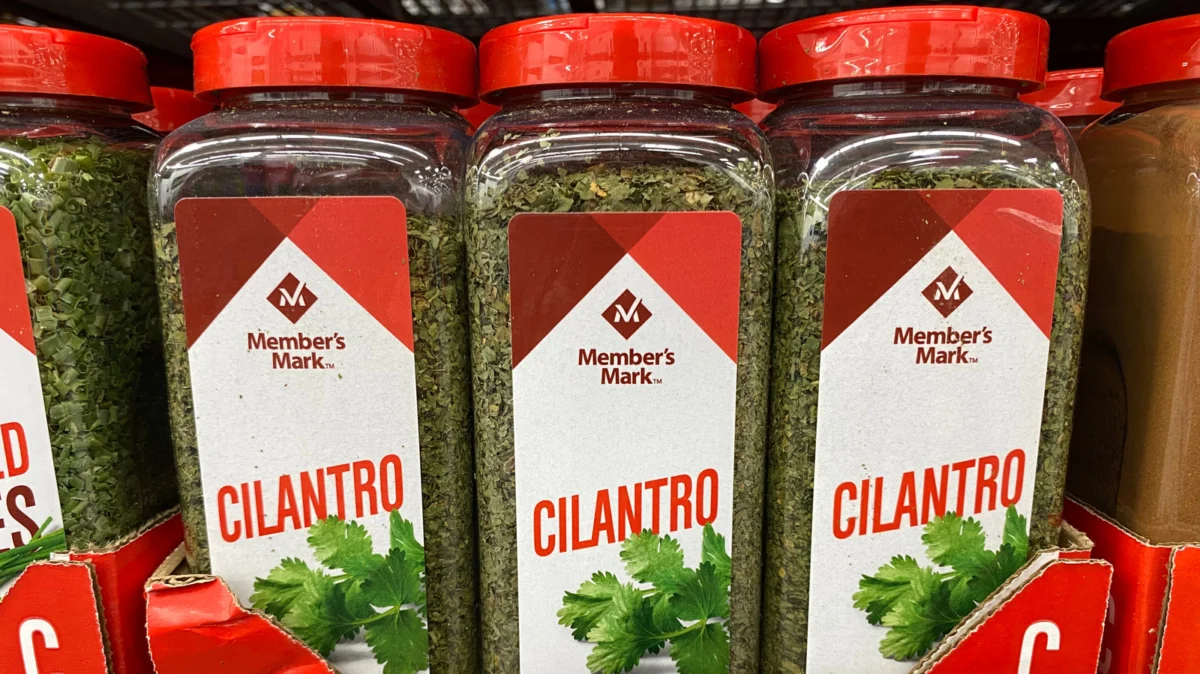
Sam’s Club has cultivated a reputation for offering a wide array of products under its private label, Member’s Mark, that often rival their name-brand counterparts in quality while significantly undercutting them in price. This value proposition is not a matter of chance but a result of strategic partnerships with established, high-caliber manufacturers. While Sam’s Club typically keeps the identities of these suppliers close to the vest, a closer examination of product recalls, labeling clues, and industry insights reveals a consistent pattern: many familiar and trusted brands are behind the Member’s Mark products shoppers have come to rely on. This practice allows consumers to access premium goods, often from companies with decades, or even centuries, of experience, at a more accessible price point.
The strategy of leveraging established manufacturers for private label goods is a cornerstone of the retail industry, allowing businesses to offer competitive pricing by reducing marketing and brand development costs. For Member’s Mark, this means that consumers purchasing items like imported Italian cheese, premium bourbon, or even everyday spices are often receiving products from companies that have been perfecting their craft for generations. The revelations of these partnerships, often brought to light through product recalls, offer a transparent glimpse into the supply chain, assuring consumers of the quality and heritage behind their purchases. This approach benefits both the retailer, by ensuring product quality and consumer trust, and the consumer, by providing significant cost savings without compromising on the product’s integrity.
A Legacy of Quality: Brands with Deep Roots
A significant number of the manufacturers supplying Member’s Mark products boast an impressive lineage, with some tracing their origins back to the 19th century. This longevity speaks volumes about their ability to adapt, innovate, and consistently deliver high-quality goods. For instance, the Ambriola Company, a purveyor of Italian cheese for Member’s Mark, has been importing cheese to the U.S. since 1921, building on a foundation established in 1877. Similarly, Barton 1792 Distillery, known for its bourbon, has been a fixture in Kentucky’s bourbon country since 1879. B&G Foods, a major supplier of spices and seasonings, has been in operation since 1889, and Doehler Dry Ingredient Solutions LLC, which provides freeze-dried fruits, has a history stretching back to 1838. These companies bring a wealth of expertise and a commitment to quality that underpins the Member’s Mark brand.
Unveiling the Manufacturers: Recalls and Label Clues
The veil of secrecy surrounding private label manufacturing is often lifted by circumstances such as product recalls. These events, while concerning, provide invaluable insight into the supply chain. For example, a Listeria monocytogenes recall in 2025 involving Ambriola Company’s cheese products directly implicated Member’s Mark pecorino Romano grated cheese, confirming Ambriola as a key supplier. This recall also highlighted a shared manufacturer with Boar’s Head, another well-known cheese brand.
Similarly, a 2024 recall of Member’s Mark mild cheddar fancy fine shredded cheese due to potential glove remnants brought the Biery Cheese Company into the spotlight. Biery, a family-owned business since 1929, has a history of producing award-winning cheeses. Another instance occurred in 2025 when Doehler Dry Ingredient Solutions LLC recalled its freeze-dried fruit products, including Member’s Mark freeze-dried fruit variety packs, due to concerns over Listeria contamination. In the beverage sector, Niagara Bottling LLC, a major producer of bottled water, has been identified as the supplier for Member’s Mark purified water. This is notable as Niagara also bottles water for numerous other major retailers, including Costco, Walmart, and Target, suggesting a high volume and consistent quality of production.
Beyond recalls, direct labeling provides clear indications of manufacturing partnerships. Barton 1792 Distillery’s name is prominently featured on its bourbon products, confirming its role in producing Member’s Mark bourbon. The company’s long-standing presence and award-winning status lend credibility to the Sam’s Club offering. In the realm of spirits, while rumors of Grey Goose as a manufacturer for Member’s Mark vodka have been debunked, it is I.W.A. Distilling that produces the vodka, a company owned by the renowned Buffalo Trace Distillery. This connection allows bourbon enthusiasts to explore a vodka from a parent company with a rich heritage in spirits production.
Diverse Product Categories, Consistent Quality
The reach of these manufacturing partnerships extends across a broad spectrum of product categories, demonstrating Sam’s Club’s commitment to maintaining high standards across its private label offerings.
- Dairy and Cheese: Beyond Ambriola and Biery Cheese Company, other dairy products may come from a range of specialists. The consistent presence of quality cheese under the Member’s Mark banner suggests a careful selection of suppliers known for their craftsmanship.
- Beverages: Niagara Bottling LLC’s extensive work with various retailers underscores its capacity to deliver large volumes of purified water. The connection between Member’s Mark vodka and Buffalo Trace Distillery offers a unique entry point into premium spirits for budget-conscious consumers.
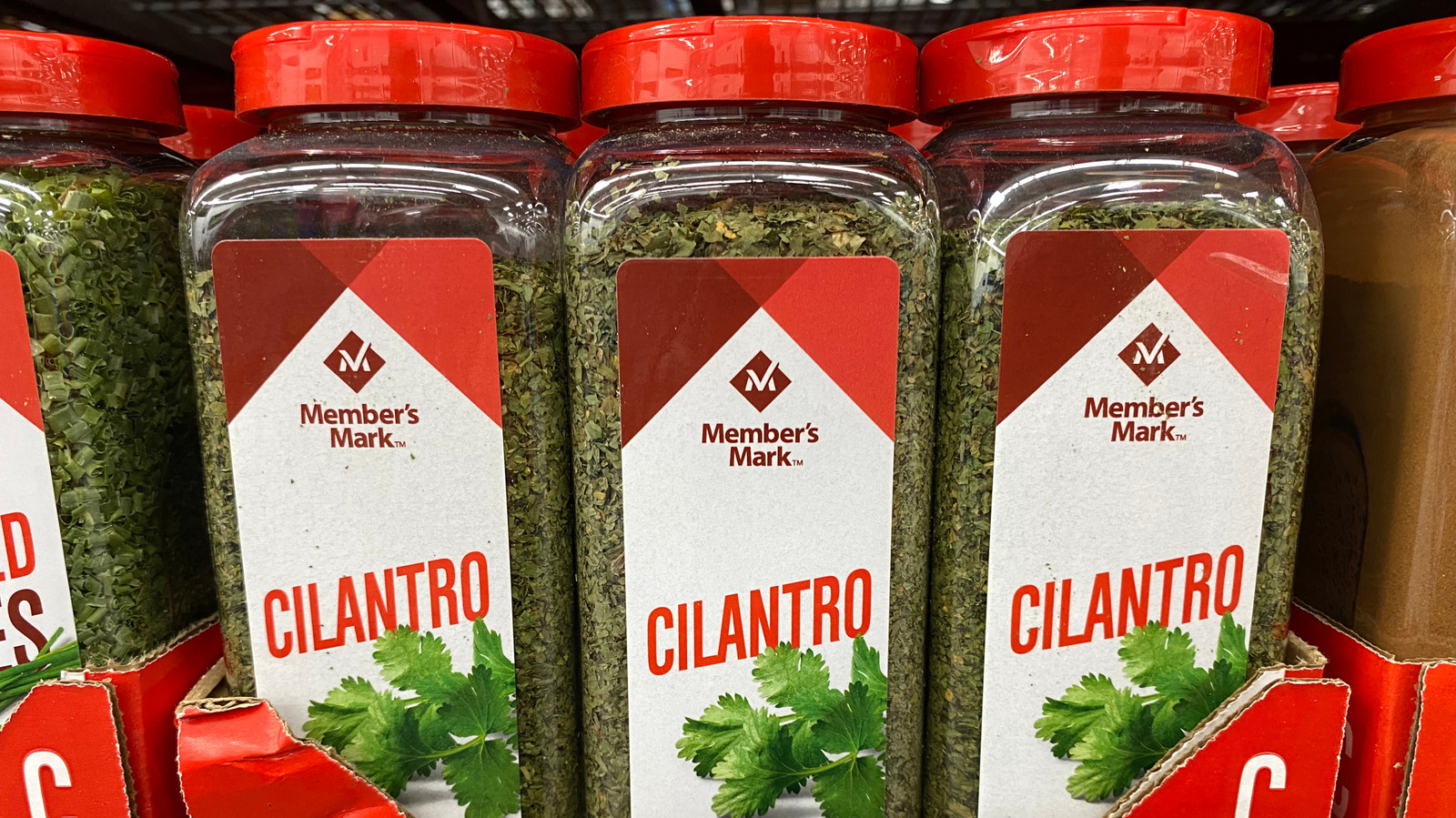
- Spices and Seasonings: B&G Foods, with its extensive portfolio of spice brands like Weber and Spice Islands, ensures that Member’s Mark offerings in this category are backed by decades of experience. This consolidation means consumers might be purchasing products from the same source as their favorite name-brand spices.
- Baby Formula: Perrigo Company, a global leader in over-the-counter medicines and baby formula, manufactures Member’s Mark baby formula. Perrigo is also the producer of Dr. Brown’s baby formula and store-brand formulas for other major retailers like Walmart, Target, and CVS, highlighting its significant role in infant nutrition.
- Frozen Foods: Rich Products Corporation, known for brands like SeaPak, FarmRich, and Carvel, manufactures various frozen items for Member’s Mark, including breaded mozzarella sticks and Italian-style meatballs. Rich Products’ long history, dating back to 1945, ensures a legacy of quality in frozen food production.
- Baked Goods: Rise Baking Company, a more recent entrant to the market (established in 2013), is responsible for Member’s Mark cookie dough, both for home baking and for the in-store bakery. Their partnerships with other major food service providers like Panera and Costco indicate a high level of trust and product consistency.
- Canned Goods: Downs Food Group (Tony Downs Food Company), a supplier of canned chicken since 1947, has a track record of providing protein for various markets, including government programs. Their involvement in Member’s Mark canned chicken assures consumers of a reliable protein source.
- Coffee: Westrock Coffee Company, which began its journey in Rwanda in 2009, is the confirmed producer of Member’s Mark coffee. With operations in Arkansas, the same state as Sam’s Club headquarters, Westrock’s expertise in sourcing and roasting coffee globally suggests a comprehensive offering for Member’s Mark coffee consumers.
Strategic Implications and Consumer Benefits
The strategic utilization of established manufacturers by Sam’s Club for its Member’s Mark brand offers several compelling benefits for consumers. Foremost among these is the significant cost savings achieved by bypassing the traditional branding and marketing expenses associated with national brands. Consumers can access products that are, in many cases, identical or virtually identical to name-brand items, but at a substantially lower price point. This allows for greater purchasing power, especially for staple goods and frequently used items, making budget-conscious shopping more feasible.
Furthermore, the reliance on manufacturers with long-standing reputations provides an inherent assurance of quality and safety. These companies have invested years, often centuries, in refining their production processes, adhering to stringent quality control measures, and building a legacy of trust. The fact that these manufacturers also produce for other leading retailers or well-known name brands further validates the quality of the Member’s Mark offerings. For instance, the shared production of bottled water by Niagara Bottling LLC for Sam’s Club, Costco, Walmart, and Target suggests a standardized, high-quality process that benefits consumers across all these retail channels.
The revelation of these partnerships also contributes to greater transparency in the retail landscape. While the specifics of private label agreements are often confidential, information emerging from recalls or public disclosures demystifies the origin of many products. This knowledge empowers consumers to make more informed purchasing decisions, understanding that their loyalty to the Member’s Mark brand is often a vote of confidence in established, reputable manufacturers. The dual benefit of quality assurance and economic advantage solidifies the Member’s Mark brand as a significant value proposition within the competitive retail market.
The longevity of many of these partner companies, some dating back to the 1800s, offers a unique perspective on consumer goods. Brands like Ambriola (since 1877), Barton 1792 Distillery (since 1879), B&G Foods (since 1889), and Doehler Dry Ingredient Solutions LLC (since 1838) have weathered economic shifts, technological advancements, and evolving consumer preferences, demonstrating an enduring commitment to quality and resilience. This deep historical context adds a layer of assurance to the Member’s Mark products they produce.
Similarly, companies established in the early 1900s, such as Biery Cheese Company (founded 1929), Rich Products Corporation (founded 1945), and Buffalo Trace Distillery (origins in mid-1800s, named Buffalo Trace in 1999), bring decades of specialized knowledge and experience to their respective product categories. Their continued success in a competitive market speaks to their ability to maintain high standards and adapt to changing consumer demands. Even newer, yet well-established, entities like Rise Baking Company (founded 2013) and Westrock Coffee Company (founded 2009) have quickly carved out significant market share by focusing on quality and strategic partnerships.
The economic implications for Sam’s Club are clear: by leveraging the manufacturing prowess of these established brands, the retailer can offer a compelling value proposition that drives customer loyalty and sales volume. For consumers, the benefit is equally pronounced, providing access to premium products at affordable prices, thereby enhancing household budgets and overall quality of life. The transparency, even if sometimes involuntary, offered by these manufacturing revelations ultimately serves to build consumer trust and reinforce the perception of Member’s Mark as a brand that delivers exceptional value without compromise.
