
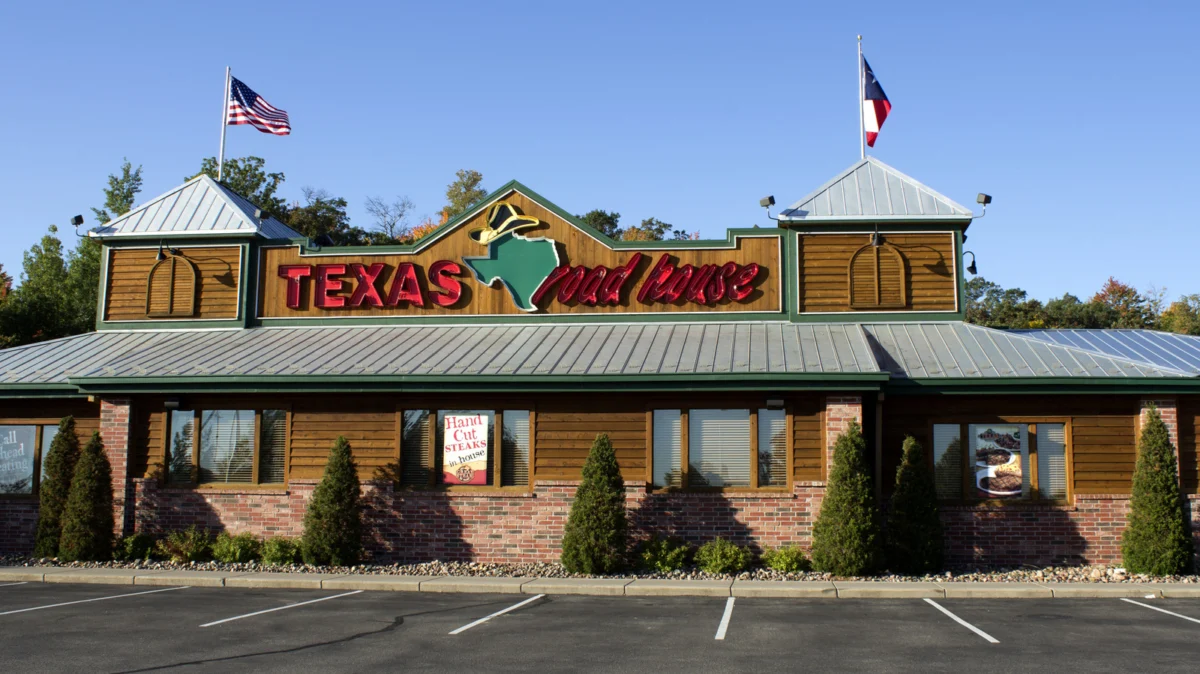
Texas Roadhouse, a titan in the casual dining steakhouse sector, is not owned by a single individual or entity in the traditional sense. Instead, the popular chain, known for its hand-cut steaks, made-from-scratch sides, and lively atmosphere, is a publicly traded company. This means its ownership is distributed among a vast number of shareholders, with institutional investors holding a significant portion of the company’s stock. The corporate entity that oversees Texas Roadhouse, along with its sister brands Bubba’s 33 and Jagger’s, is Texas Roadhouse, Inc. As of recent financial reports, Texas Roadhouse, Inc. commands a substantial market capitalization, reflecting its considerable economic footprint in the restaurant industry. This structure implies that while the company operates with a singular vision and brand identity, its financial success and strategic direction are influenced by the collective interests of its diverse ownership base.
Genesis of a Steakhouse Giant: From Napkin Sketch to Public Offering
The story of Texas Roadhouse began with a vision by its founder, Kent Taylor. In 1993, Taylor, an entrepreneur with a passion for hospitality, conceptualized a casual dining experience centered around high-quality, affordably priced steaks. The genesis of the first Texas Roadhouse is famously linked to a cocktail napkin sketch, where Taylor is said to have outlined his blueprint for the restaurant. This humble beginning belies the immense scale the company would eventually achieve. The very first Texas Roadhouse opened its doors in Clarkesville, Indiana, a location that might surprise many, given the chain’s name. This initial venture was the precursor to a much larger expansion.
The initial years were not without their challenges. Reports indicate that of the first five restaurants launched, three struggled to gain traction and ultimately did not survive. This early period underscores the inherent risks in the highly competitive restaurant industry and the perseverance required to build a successful brand. Taylor, however, was undeterred. His commitment to quality and a strong operational model laid the groundwork for future success.
A pivotal moment in the company’s history was the establishment of its first franchise location just two years after the flagship restaurant opened, in 1995, in Kentucky. This marked the beginning of a scalable growth strategy that would propel Texas Roadhouse across the nation. The decision to embrace franchising allowed for rapid expansion while leveraging the capital and local market knowledge of franchise partners.
The company’s trajectory shifted significantly in 2004 when Texas Roadhouse initiated its initial public offering (IPO). This move transitioned the company from a privately held entity to a publicly traded one, making its shares available for purchase on the stock market. The IPO provided crucial capital for further expansion, operational improvements, and strategic investments, solidifying its position as a major player in the casual dining landscape.
Ownership Structure: A Collective Endeavor
Following its IPO, Texas Roadhouse, Inc. became subject to the regulations and expectations of the public market. Ownership is now dispersed among a broad base of shareholders. Among the largest holders of Texas Roadhouse, Inc. stock are institutional investors. Firms like The Vanguard Group, Inc., a global investment management corporation renowned for its low-cost index funds and ETFs, typically hold substantial stakes in publicly traded companies. The presence of such large institutional investors signifies confidence in the company’s financial health, management, and long-term growth prospects. These entities, often managing assets for millions of individual investors, play a significant role in corporate governance and shareholder activism due to the volume of shares they control.
Beyond institutional investors, individual investors also own shares of Texas Roadhouse. This can range from small retail investors to high-net-worth individuals. The collective ownership by these diverse groups means that no single individual possesses absolute control over the company. Instead, decisions are made by a board of directors, elected by the shareholders, who are tasked with overseeing the company’s operations and strategic direction in the best interest of all stakeholders.
The passing of founder Kent Taylor in 2021 marked a significant moment for the company. Taylor was instrumental in shaping the brand’s culture and operational philosophy. Following his death, Gerald R. Morgan assumed the role of CEO. Morgan, along with the rest of the board and executive leadership team, continues to navigate the company’s growth and operational strategies, adhering to the principles established by Taylor while adapting to evolving market conditions.
The Business Model: Leadership Development and Partnership
Kent Taylor’s vision for Texas Roadhouse extended beyond just serving good food. A core element of his strategy was a strong emphasis on leadership development and fostering a sense of partnership within the organization. This philosophy was particularly evident in how he approached franchise and management roles.
Initially, the model involved managing partners who were essentially franchisees, deeply involved in the day-to-day operations of their respective locations. These managing partners were not merely operators but were instilled with a sense of ownership and shared in the profits of their restaurants. This incentive structure was designed to align their interests directly with the success of the business. Furthermore, the company provided extensive training, coaching, and ongoing support to these partners, ensuring a consistent brand experience and operational excellence across all locations.
This approach proved remarkably successful, contributing significantly to the chain’s rapid growth and widespread appeal. It created a culture where employees were empowered and motivated, and where a high level of dedication was fostered. While the company has transitioned away from offering independent franchise ownership in the U.S., the principle of empowering and rewarding operational leaders remains a cornerstone of its business model. The managing partner model continues to be utilized, embodying Taylor’s belief in investing in and developing talent from within.
Operational Excellence and Brand Pillars
Texas Roadhouse has built its reputation on a foundation of operational excellence and a commitment to core brand values. Despite being a competitively priced steakhouse, the company has consistently refused to compromise on the quality of its ingredients and the freshness of its offerings.
A key differentiator is the company’s dedication to quality control at the source. All beef served at Texas Roadhouse is USDA choice grade, a standard that signifies a higher marbling content and thus, more flavor and tenderness. Moreover, each restaurant location is equipped with its own butcher, ensuring that steaks are cut fresh on-site daily. This hands-on approach to meat preparation is a significant factor in the perceived quality of the dining experience.
The iconic Texas Roadhouse rolls are another testament to the brand’s commitment to freshness. Baked fresh every five minutes, these rolls have become a signature item, contributing to the restaurant’s popularity and memorable dining experience. This relentless focus on providing fresh, high-quality food, prepared with care, has been a consistent theme throughout the company’s history.
Beyond the food, Texas Roadhouse places a significant emphasis on sustainability and animal welfare. While specific initiatives may evolve, the company has publicly stated its commitment to these principles, recognizing their growing importance to consumers and the broader community. This commitment extends to its employees, referred to as "Roadies."
Employee Welfare: "Andy’s Outreach" and Founder’s Sacrifice
A defining characteristic of Texas Roadhouse, deeply rooted in Kent Taylor’s personal philosophy, is its profound commitment to its employees. The company understands that its success is intrinsically linked to the well-being and dedication of its workforce. This commitment is embodied in initiatives like "Andy’s Outreach," an employee-assistance fund. This fund is designed to provide financial support to any staff member facing hardship, offering a crucial safety net during challenging times.
Taylor’s dedication to his employees was perhaps most vividly demonstrated during the COVID-19 pandemic. In 2020, at the height of the global health crisis and its economic fallout, Taylor made the extraordinary decision to forgo his annual salary and bonus. This personal sacrifice was not merely symbolic; it was a direct financial contribution aimed at supporting frontline Texas Roadhouse employees who were navigating the unprecedented circumstances. This act of leadership underscored his belief that the welfare of his staff was paramount, especially during periods of significant uncertainty. Such actions foster a loyal and motivated workforce, which in turn contributes to a positive customer experience and the overall health of the business.
Growth and Diversification: Beyond the Steakhouse
As of 2025, Texas Roadhouse holds the distinction of being the largest casual-dining chain in the United States, a testament to its enduring popularity and strategic growth. The company’s footprint extends far beyond its domestic presence, with over 700 Texas Roadhouse restaurants operating worldwide. This global reach signifies the brand’s ability to resonate with diverse customer bases across different cultures and markets.
The success of the Texas Roadhouse brand has also enabled Texas Roadhouse, Inc. to diversify its portfolio. The corporation now owns and operates other successful restaurant concepts, including Bubba’s 33 and Jagger’s. Bubba’s 33, known for its sports bar atmosphere and a menu featuring pizza, burgers, and salads, appeals to a slightly different demographic while maintaining the company’s commitment to quality and a welcoming environment. Jagger’s, a newer concept, further expands the company’s reach within the casual dining sector. This diversification strategy allows Texas Roadhouse, Inc. to mitigate risks associated with reliance on a single brand and to capture a broader share of the dining market.
The Future of Texas Roadhouse
The legacy of Kent Taylor continues to guide Texas Roadhouse, Inc. The company’s robust growth, strong financial performance, and commitment to its core values suggest a promising future. The publicly traded ownership structure ensures transparency and accountability, while the established operational model and diversified brand portfolio position the company for continued success in the dynamic restaurant industry. As it navigates future challenges and opportunities, Texas Roadhouse remains a significant force, owned by its shareholders and driven by a philosophy that prioritizes quality, employee well-being, and a consistently satisfying dining experience for its patrons.
