
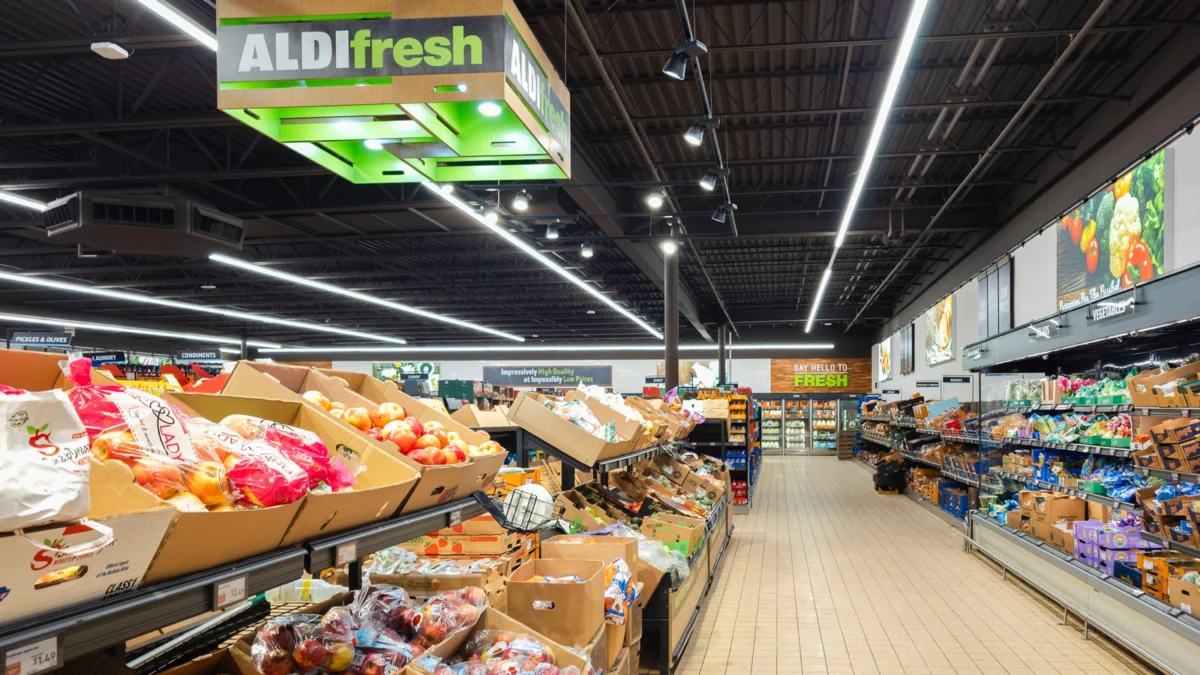
The distinctive shopping experience at Aldi, known for its budget-friendly prices and unique operational model, often leaves customers wondering about the apparent scarcity of staff members on the floor. Unlike traditional supermarkets where employees are frequently visible restocking shelves, assisting shoppers, or engaging in conversation at checkout, Aldi cultivates an environment where staff are less conspicuous. This deliberate approach is rooted in a strategic business model designed to maximize efficiency and minimize costs, ultimately translating into the savings customers have come to expect.
The operational philosophy at Aldi is a carefully orchestrated system that prioritizes speed, multitasking, and a lean workforce. This is not a sign of being understaffed in the conventional sense, but rather a deliberate design choice that impacts every facet of the customer journey. From the moment a shopper procures a cart with a quarter deposit to the final transaction at the checkout, the Aldi experience is streamlined for efficiency. The absence of readily available staff to bag groceries, for instance, is a conscious decision that contributes to faster checkout times and reduces the need for additional personnel. Similarly, the expectation that customers will bring their own bags or purchase them at the register further contributes to this operational efficiency.
Aldi’s success hinges on its ability to deliver value through aggressive cost-cutting measures, and the staffing model is a cornerstone of this strategy. By employing a smaller, highly cross-trained team, the company can maintain lower overheads, which directly benefits consumers through reduced product prices. This model requires each employee to be versatile, capable of performing a wide array of tasks. From meticulously arranging products on shelves to efficiently operating the checkout scanner and managing inventory, Aldi employees are expected to be constantly engaged in productive activities. The concept of "idle time" is virtually non-existent in this environment, as staff are continuously moving between different operational zones based on the immediate needs of the store. This dynamic allocation of labor ensures that resources are always being utilized effectively.
The Strategic Foundation: Efficiency and Cost Containment
Aldi’s business model is fundamentally built upon two pillars: extreme efficiency and rigorous cost containment. These principles are not mere operational buzzwords but are deeply embedded in the company’s DNA, shaping everything from store layout to employee training. The decision to employ fewer staff members is a direct consequence of this strategy. By minimizing labor costs, Aldi can afford to offer its predominantly private-label products at prices that are often significantly lower than those found at conventional supermarkets. This cost-saving measure is not arbitrary; it’s a calculated move to appeal to a price-sensitive consumer base.
The efficiency drive extends to the very nature of the work performed by Aldi employees. Unlike some larger grocery chains where employees might specialize in a single department or role, Aldi staff are cross-trained to handle multiple responsibilities. This means that a single employee might be tasked with stocking shelves in the morning, operating a checkout lane during peak hours, and then assisting with inventory management in the afternoon. This versatility allows Aldi to maintain a smaller overall workforce without compromising on operational needs. The fluidity of roles ensures that employees can be deployed to areas where they are most needed, adapting to the ebb and flow of customer traffic and operational demands. This approach minimizes the need for dedicated personnel in every single function, further contributing to cost savings.
Furthermore, Aldi’s operational model emphasizes the removal of any non-essential steps in the customer journey. This includes the absence of traditional bagging services at the checkout. While this might seem inconvenient to some, it directly contributes to faster transaction times. Cashiers are trained to scan items with remarkable speed, and customers are expected to be prepared to bag their own groceries, either using their own reusable bags or purchasing them at the point of sale. This streamlined process eliminates the time that would otherwise be spent on bagging, allowing more customers to be served in a shorter period with fewer cashiers. The quarter deposit system for shopping carts also serves a dual purpose: it encourages shoppers to return carts to designated areas, reducing the need for staff to collect them, and it acts as a small, but symbolic, deterrent against cart abandonment.
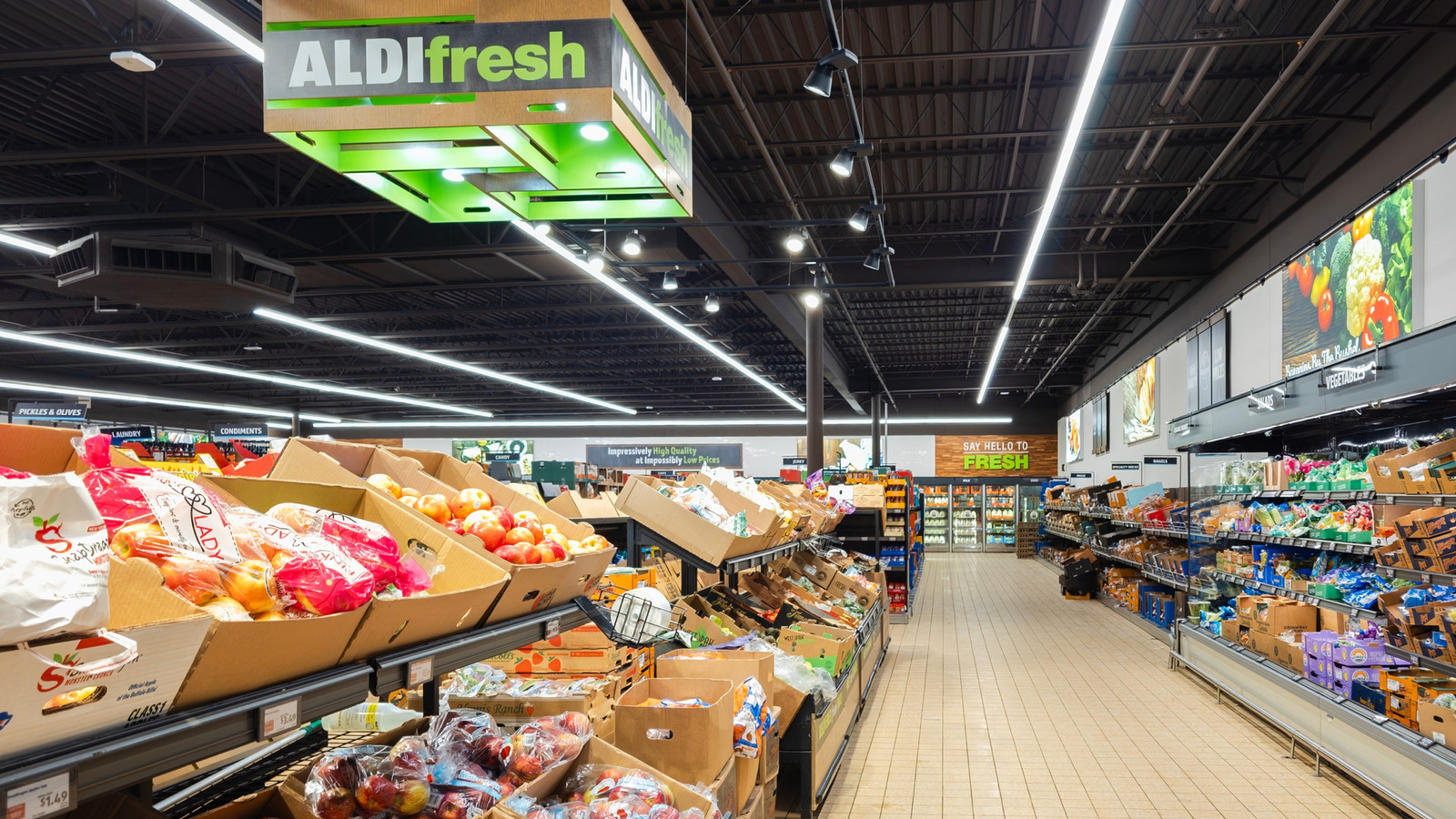
The Customer Experience: Trade-offs and Perceptions
The operational model that makes Aldi so cost-effective also shapes the customer experience, leading to both appreciation for the savings and occasional frustration with the staffing levels. For many shoppers, the allure of Aldi lies in its ability to offer significant savings on everyday groceries. This economic advantage often outweighs any perceived inconveniences related to staff visibility or the self-service nature of certain tasks. The understanding that fewer employees directly correlate to lower prices creates a tacit agreement between the company and its customers.
However, this model is not without its challenges. The reduced staff presence can sometimes lead to bottlenecks, particularly during busy periods. Customers may find themselves waiting longer in checkout lines if a single cashier is handling a high volume of transactions and there isn’t immediate backup. Similarly, if a shopper requires assistance with a product inquiry or needs help at a self-checkout station, they may have to wait for a staff member who is currently engaged in another critical task. These moments can be a source of contention for customers accustomed to more readily available assistance in traditional supermarkets.
Data from customer surveys and online forums frequently highlight these aspects. While many praise Aldi for its affordability and efficient checkout process, a recurring theme involves the challenges of finding staff for assistance or the longer wait times during peak hours. For example, a study by the Consumer Intelligence Research Partners (CIRP) indicated that while Aldi’s customer satisfaction scores are generally high, areas for improvement often cited include perceived service levels and the availability of staff for immediate assistance. This suggests a delicate balance that Aldi must continually manage: maintaining its cost-saving operational model while mitigating potential customer dissatisfaction stemming from reduced staff interaction.
The efficiency of Aldi cashiers is a well-documented phenomenon. Their ability to scan items at an impressive pace is a direct result of the optimized checkout process. They don’t stop to bag, nor do they wait for the customer to bag as they scan. This, coupled with the streamlined product packaging (many items are displayed in their shipping cartons), contributes to a remarkably quick checkout experience. While the absence of bagging assistance might require adjustment for some, the speed at which transactions are processed often compensates for this.
A Deeper Dive into Operational Strategies
Aldi’s approach to staffing and operations can be traced back to its origins in Germany. Founded by Karl and Theo Albrecht in 1913, the company has always been synonymous with value and efficiency. The two brothers meticulously studied and refined their retail strategies, drawing inspiration from various sources and continually innovating to reduce costs. The "Aldi Süd" and "Aldi Nord" split in 1961, creating two distinct but related companies, further allowed for specialized development of their respective markets, but the core principles of operational excellence and cost leadership remained constant.
The emphasis on private-label brands is another critical component of Aldi’s strategy. By focusing on its own brands, Aldi bypasses the marketing and distribution costs associated with national brands. This allows for greater control over product quality and pricing, further contributing to the store’s affordability. The curated selection of products, often featuring fewer choices within each category compared to larger supermarkets, also simplifies inventory management and reduces the need for extensive shelf stocking and organization.
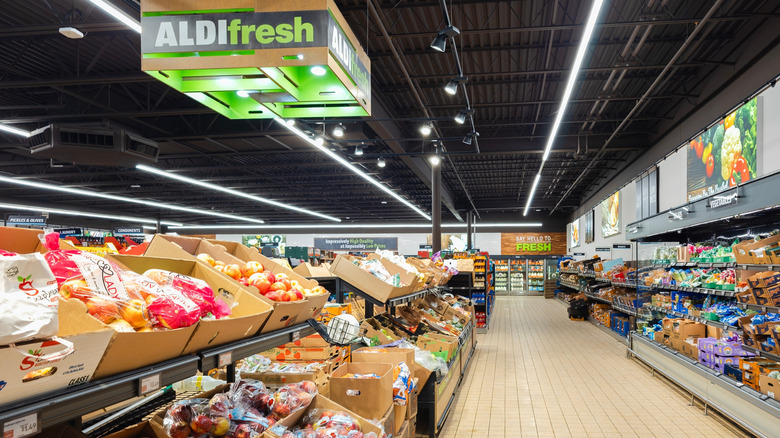
The physical layout of Aldi stores is also designed for efficiency. Products are often displayed in their original shipping cartons, minimizing the time and labor required for unpacking and shelving. This utilitarian approach, while perhaps less aesthetically pleasing than meticulously arranged displays in other stores, directly contributes to faster restocking and a reduction in labor costs. The limited number of aisles and the strategic placement of popular items are also designed to guide shoppers through the store efficiently, encouraging quicker purchasing decisions.
The Broader Implications of Aldi’s Model
The success of Aldi’s operational model has had a significant ripple effect on the broader grocery retail landscape. Its aggressive pricing and efficient operations have pressured traditional supermarkets to re-evaluate their own business strategies. Many have responded by introducing their own private-label brands, streamlining their checkout processes, and exploring ways to optimize staffing levels. The rise of discount grocers like Aldi has fundamentally altered consumer expectations regarding price and value in the grocery sector.
Furthermore, Aldi’s model offers a compelling case study in how operational efficiency can be a powerful competitive advantage. In an industry often characterized by thin profit margins, Aldi demonstrates that a focus on lean operations, cross-trained employees, and a curated product selection can lead to substantial cost savings that are passed directly on to the consumer. This has not only benefited Aldi but has also pushed the entire industry towards greater efficiency and a more consumer-centric approach to pricing.
The implications of Aldi’s staffing model extend beyond just cost savings. It also fosters a unique work environment. While demanding, the constant activity and the need for employees to be adaptable can be appealing to individuals who prefer a dynamic and engaging workplace. The emphasis on teamwork and mutual support among staff, often necessitated by the lean staffing, can also create a strong sense of camaraderie. However, it is crucial to acknowledge that the high-paced nature of the work can also lead to increased stress and potential burnout if not managed effectively by the company through fair compensation, adequate breaks, and supportive management.
Looking Ahead: Adapting to Evolving Consumer Needs
As consumer preferences and shopping habits continue to evolve, Aldi, like all retailers, faces the challenge of adapting its successful model. The increasing demand for online grocery shopping and delivery services presents a new frontier. Aldi has begun to experiment with click-and-collect options and partnerships for grocery delivery in certain markets. Integrating these new services while maintaining the core principles of efficiency and cost leadership will be a key challenge.
The balance between maintaining a lean workforce and providing sufficient customer support will remain a critical consideration. While the current model has proven highly effective, any significant shift in customer expectations or competitive pressures might necessitate adjustments. The ongoing success of Aldi will likely depend on its ability to innovate and adapt its operational strategies without compromising the fundamental value proposition that has made it a global retail powerhouse. The enduring question for Aldi and its competitors will be how to continue delivering exceptional value while meeting the diverse and evolving needs of the modern shopper.
